![5 Custom Engraving Mistakes to Avoid in 2026 [Checklist]](https://jewelcarecenter.com/wp-content/uploads/2026/01/5-Custom-Engraving-Mistakes-to-Avoid-in-2026-Checklist.jpeg)
5 Custom Engraving Mistakes to Avoid in 2026 [Checklist]
I’ll never forget the sinking feeling when I ruined a client’s custom engraved necklace because I overlooked a tiny detail. That moment wasn’t just about fixing a piece; it was a wake-up call. Mistakes in custom engraving can be costly—both financially and in reputation—and as I delved deeper into this craft, I realized that even seasoned artisans fall prey to avoidable errors.
Why Getting Your Engraving Right Matters More Than Ever
In 2026, the demand for personalized jewelry continues to skyrocket. Clients aren’t just buying a piece of adornment—they’re investing in memories, messages, and unique expressions of themselves. But with this surge, the risk of making costly mistakes rises too. If an engraving isn’t perfect, it can diminish a piece’s value, tarnish your reputation, and leave your customer disappointed. The good news? Many of these errors are avoidable with the right knowledge and preparation.
During my early days, I made an embarrassing blunder—tracing a client’s handwriting incorrectly, resulting in a message that was reversed. That experience taught me the importance of proper technique and double-checking every detail. To build trust and ensure your craft stands out, it’s essential to recognize common pitfalls before they happen.
Is Custom Engraving Really Worth the Hype?
Some skeptics argue that engraving is a minor detail, not worth the fuss. But consider this: a well-executed engraving can transform a standard piece into a treasured keepsake. Conversely, a mistake can render your work unfixable. Investing in mastering this skill boosts your credibility and sets you apart in a competitive market. Want practical tips on perfecting your engraving? I recommend exploring expert strategies to elevate jewelry results, which can help you avoid costly errors.
Understanding common mistakes is the first step toward excellence. In the sections ahead, I’ll reveal the top five pitfalls and how to sidestep them. Trust me, these lessons can save you time, money, and reputation. Have you ever faced an engraving mishap that you still wish you could undo? Share your story—I’d love to hear how you managed it—and let’s dive into how you can prevent these errors in the future.
Preparing Your Workspace for Flawless Engraving
Start by setting up a clean, well-lit surface with a stable bench or table. Use a magnifying glass or jeweler’s loupe to examine your design details. An organized workspace minimizes mistakes and speeds up your workflow. I once worked in a cluttered corner, which led to a misaligned engraving; reorganizing my area afterward improved my accuracy significantly. Ensure your tools—engravings pens, clamps, and stencils—are within reach and in good condition.
Choosing the Right Material and Design
Select your metal—be it gold, silver, or platinum—based on the piece’s purpose. Different materials respond uniquely to engraving; softer metals are easier for beginners, but harder metals provide longevity. Decide on the design with precision, using light pencil marks or transfer paper to outline your pattern. I recommend practicing on scrap pieces to perfect your hand movements before working on the final piece. This step reduces errors and gives you confidence.
Practicing Your Technique with Micro-Movements
Use small, controlled hand movements rather than large strokes. Imagine guiding a tiny brush; each micro-movement controls fine lines. I recall a time when I tried to engrave a delicate script, and my initial attempts resulted in jagged letters. Practicing slow, deliberate strokes on scrap material helped me develop steadiness. Keep your hand steady by anchoring your pinky finger on the work surface. Regularly adjust your grip to avoid fatigue and maintain control.
Implementing Proper Deepening and Avoiding Overcutting
Engrave in multiple shallow passes rather than trying to cut deeply at once. This technique prevents gouging and ensures cleaner lines. For example, I once attempted a single deep cut on a ring, which resulted in a rough gouge; instead, multiple shallow passes created clean lines. Use consistent pressure and gentle angling of the engraving tip for uniform depth. Take your time, periodically check your progress from different angles, and adjust your technique as needed.
Double-Checking and Correcting Your Work
Always step back and inspect your engraving for alignment and clarity. Use a magnifier to spot tiny errors. If you notice a mistake, don’t rush to erase or redo; sometimes, slight corrections with fine files or abrasives can fix issues. Once, I missed a letter in a personalized message but was able to gently reshape and refine it without starting over. Calibrate your design by comparing each letter or shape against your outline during the process.
Preserving Your Masterpiece
Finish by cleaning the piece with appropriate polishing compounds and tools. Proper cleaning reveals the details and adds a professional touch. I suggest a final wipe with a soft cloth and a polishing wheel if available. Proper preservation maintains your engraving’s sharpness and prevents tarnish or wear over time. These meticulous finishing steps demonstrate your craftsmanship and attention to detail—key to building trust with clients or personal satisfaction.
By adopting these precise, step-by-step techniques, you drastically reduce mistakes and elevate your engraving quality. Remember, consistency and patience are your best allies. Every successful project builds your confidence and reputation, turning a simple engraving into a true work of art.
While mastering fundamental techniques is crucial, many experienced jewelers fall prey to nuanced pitfalls that can compromise the quality and trustworthiness of their work. One common misconception is the overreliance on traditional methods without adapting to modern materials or industry standards. For instance, when setting stones, some practitioners believe that a snug fit suffices, but neglecting the importance of precise girdle seating can lead to loose stones and increased risk of loss over time. A detailed understanding of how different metals respond to tension and heat, as outlined in expert guides on stone setting mastery, is essential to avoid these errors.
Regarding restringing, a prevalent myth is that any old silk or nylon thread works for restoring delicate strands. On the contrary, using the wrong type or thickness can result in rapid wear or breakage, especially with heirloom pearls or fine beads. Applying proven restringing techniques ensures longevity and maintains the piece’s original integrity. Overlooking detailed diagnostics of each strand’s condition can lead to premature failure, so conduct a thorough assessment before restringing.
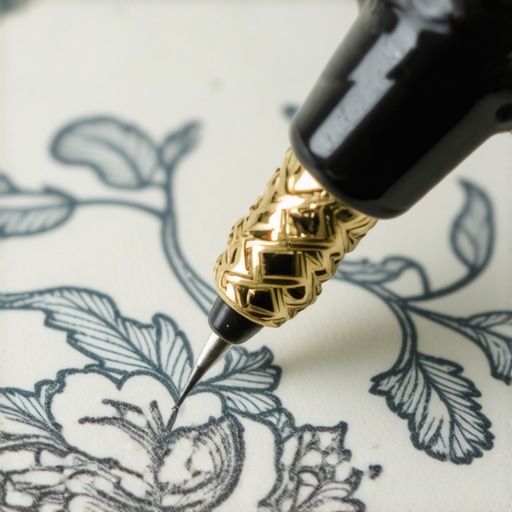
The engraving process isn’t immune to subtler misconceptions either. Many believe that engraving is merely adding a design, but advanced practice involves precise control over depth, font selection, and surface finish to achieve a high-end look. Neglecting these nuances could result in inconsistent lines or damage to the surface. Particularly, the advanced mistake is over-engraving—removing too much metal—which weakens the structure, especially on thin bands. It’s advisable to study engagement techniques that emphasize controlled, layered engraving for refined results.
Can You Trust Age-Old Methods in a Tech-Driven Market?
A sophisticated question that often goes unasked is whether traditional appraisal techniques remain valid amidst technological advances. Many believe that solely relying on visual inspection or manual measurements suffices, but contemporary methods—like 3D imaging and digital density analysis—offer greater accuracy, especially for high-value pieces. Experts agree that blending classical expertise with modern technology, as detailed in appraisal techniques, produces a more comprehensive assessment, reducing human error and increasing client confidence. Ignoring these innovations can lead to underestimating a piece’s worth or missing critical structural flaws. So, the real benefit lies in mastering both worlds—traditional techniques and cutting-edge tools—to elevate your craftsmanship and credibility.
Have you ever fallen into this trap of overlooking a nuanced detail that later compromised your work? Let me know in the comments. Remember, excellence often resides in the subtle details that separate good from great in jewelry craftsmanship. Stay vigilant, keep learning, and always question your assumptions for long-term success.
Maintain Your Craftsmanship for Lasting Results
To ensure your jewelry work remains impeccable over time, investing in the right tools and adopting a routine maintenance schedule are crucial. Precision tools like high-quality diamond-tipped burrs and electric engravers with variable speed control allow for consistent, detailed work without unnecessary wear or damage. I personally prefer using a calibrated torque driver when setting stones, as it helps prevent over-tightening—a mistake that can cause loosening or damage.
How do I maintain my tools over time?
Regular cleaning is paramount. Use ultrasonic cleaners to remove debris and oils from your tools after each session. Keep sharpening stones or diamond files in a dedicated, dry place, and periodically re-sharpen your engraving tips and burrs to maintain precision. It’s equally important to check your calipers and magnification lenses for clarity, ensuring accurate measurements and detailed work. By establishing a disciplined maintenance routine, you extend the lifespan of your equipment and uphold the quality standards your clients expect.
Selecting Equipment That Elevates Your Skills
Beyond basic tools, consider integrating digital measurement systems and digital appraisal tools for more accurate assessments. For engraving, I recommend the Proxxon Micromot rotary tool; its stability and precision have consistently improved my fine lettering work. Meanwhile, for restringing delicate strands, a micro-torch with an adjustable flame offers control essential in preventing heat damage to fragile beads or pearls. These investments pay off by enabling you to execute complex tasks with confidence and consistency.
Forecasting Trends in Jewelry Maintenance
Looking ahead, innovations like automated polishing systems and AI-powered appraisal software will increasingly support artisans in producing flawless results efficiently. Embracing these tools now ensures you stay ahead of the curve, maintaining your reputation for excellence. I predict a surge in the adoption of smart maintenance devices that monitor tool performance and predict needed repairs—much like the smart diagnostics seen in other industries. This technological evolution promises to make jewelry maintenance smarter, quicker, and more reliable.
What strategies can keep your work top-notch over time?
One effective approach is to develop a dedicated cleaning and calibration routine, as discussed by industry experts. Try scheduling a weekly check-up of your main tools, including verifying magnifiers and measuring instruments. Incorporating such habits ensures that your craftsmanship remains precise, reducing errors and rework. Remember, consistency in maintenance translates directly into long-term success and client trust.
Looking back, some of the most valuable lessons in jewelry craftsmanship weren’t taught through textbooks or formal training, but through the hard-won experiences of those who dared to push boundaries. These insider insights reveal the subtle nuances that can elevate your work from decent to exceptional, or conversely, cause costly slip-ups that haunt your reputation.
The Hardest Lesson I Learned About Engraving and Restringing
- Patience trumps speed every time: Rushing through intricate tasks like engraving or restringing often leads to mistakes that might seem minor now but can ruin a piece permanently. Slow, deliberate actions ensure precision and durability.
- Details matter more than you think: Overlooking tiny imperfections or neglecting surface prep can compromise the entire project. The difference between amateurish and professional-quality work often lies in these overlooked details.
- Tools are extensions of your skill: Investing in high-quality, well-maintained tools, and mastering their use, makes a noticeable difference in the final outcome. Proper calibration and regular upkeep prevent errors and extend your equipment’s lifespan.
- Source information from trusted experts: The realm of gemstone setting, engraving, and appraisal is constantly evolving. Consulting curated resources, like expert guides on appraisal techniques or stone setting mastery tips, keeps your skills sharp and aligns you with industry best practices.
How I Found My Edge in a Competitive Craft
Personal development in jewelry making isn’t just about technical skills; it’s also about cultivating an eye for what makes a piece truly remarkable. I discovered that combining traditional methods with modern insights, like digital measurements or advanced polishing techniques, allowed me to offer a more refined product. Regularly challenging myself with complex projects and seeking feedback from seasoned artisans pushed me beyond my comfort zone, opening new avenues of creativity and precision.
Keep Your Passion Alive and Grow
The journey to mastery is ongoing, but your attitude matters most. Embrace each mistake as a stepping stone, continually seek knowledge, and never underestimate the power of meticulous craftsmanship. The secrets of expert jewelry artisans aren’t hidden—they’re waiting for you to uncover them through dedication and an openness to learn.
Where Your Next Breakthrough Begins
Imagine the confidence you’ll gain when every engraving, setting, or restringing session feels natural and flawless. By integrating these insider lessons, you’ll not only improve your craft but also build trust with clients who value your artistry. My challenge to you is simple: commit now to refining your skills with intentional practice, and let every piece tell a story of excellence.
What’s one aspect of jewelry craftsmanship you find most challenging? Share your experience below, and let’s explore how to turn hurdles into opportunities for growth.
