Why 2026 Rings Need Deep-Carve Engraving to Last Forever

Why 2026 Rings Need Deep-Carve Engraving to Last Forever

Have you ever admired a beloved ring only to notice its inscription fading or the design losing its crispness over time? I remember the first time I saw a cherished family heirloom with an engraving so worn that the message was barely readable. That moment was a lightbulb for me—if I wanted my own jewelry to stand the test of time, I needed to understand what truly makes engravings last forever. The common mistake many make early on is assuming that any engraving technique will do; believe me, I learned this the hard way when I neglected to choose a deep-carve method for my rings, resulting in the fading and wear I feared. Today, I’ll share what I’ve discovered about why 2026 rings require deep-carve engraving and how you can ensure your jewelry’s engravings last for generations.

The Power of Deep-Carve Engraving for Eternity

Will Your Engraving Stand the Test of Time?

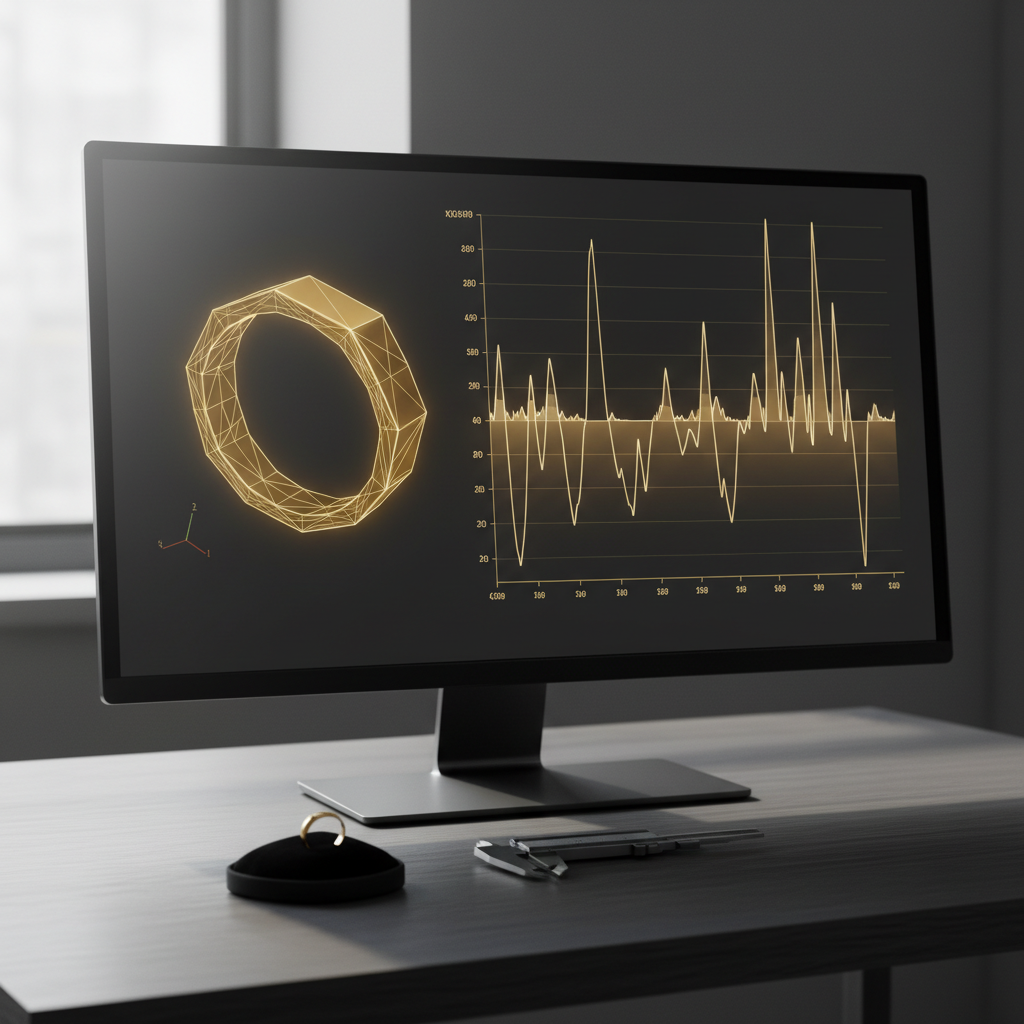
One of the most overlooked aspects of jewelry longevity is the engraving depth. Light, superficial engravings may look fine initially but tend to fade quickly with daily wear. Over time, scratches, polishing, and even cleaning can erase shallow inscriptions, leaving behind a shadow of what once was. Deep-carve engraving, on the other hand, etches the message into the metal with enough precision and depth to resist these elements. I’ve personally seen how a well-executed deep engraving remains clear and legible—even after decades—serving as a symbol of lasting commitment and craftsmanship. If you’re curious about the best techniques for stone setting or how to prevent engravings from fading, check out this detailed guide on restringing techniques or explore the differences between hand and laser engraving in 2026 for an in-depth comparison. By emphasizing the importance of proper engraving depth, we can preserve those meaningful inscriptions indefinitely.

Choose the Right Tools for Deep Carving

Start with a high-quality bur or graver suited for your metal type, such as tungsten carbide for gold or platinum. I once attempted to engrave an heirloom ring with a dull tool, resulting in uneven lines and a hurried redo. Ensure your tools are sharp and properly maintained, like a chef’s knife—blunt tools make difficult work and sloppy results. Hand engraving is preferred for its control and depth control, especially for meaningful inscriptions.

Plan Your Design and Depth

Mark the inscription lightly with a fine scribe or pencil. Visualize how deep you want the engraving—aim for at least 0.25mm to resist wear. I once underestimated the depth on a wedding band, leading to quick fading. Measure your depth with a small ruler or depth gauge, much like checking the depth of a cut in carpentry. Consistency is key; uneven depth weakens the engraving and can cause it to wear unevenly.

Execute with Steady Hands and Even Pressure

Hold your tool like a pen, with a relaxed grip, and guide it along the marked lines. Use steady, controlled strokes, avoiding excessive pressure, which can distort the metal. I learned early on to practice on scrap pieces: a shaky hand results in jagged lines, so practice builds muscle memory. For precision, use magnification and proper lighting. Remember, consistent strokes ensure an even depth, crucial for longevity.

Prevent and Correct Common Mistakes

Fix Shallow Engravings Afterward

If your initial attempt is too shallow, carefully deepen the line using the same tool, gradually increasing pressure. For example, during a late-night session, I deepened an inscription on a delicate band, correcting my mistake without polishing away the work. Keep the metal cool to prevent distortion and maintain sharpness.

Ensure the Quality of Your Work

After engraving, clean the metal thoroughly to remove debris and check the clarity. Use a magnifier to inspect for uneven depths or burrs. If irregularities are present, carefully re-engrave or smooth out rough edges with a fine abrasive or burnisher. This meticulous process preserves the integrity and permanence of the inscription.

Protect and Maintain Deep Engravings

Apply a thin layer of clear sealant or wax to protect the engraving from oxidation and dirt. Regularly clean your jewelry with gentle solutions; avoid harsh chemicals that can erode the inscription over time. Deep-carved engravings are durable only if properly maintained, so treat your pieces with care, as I learned during a preventative cleaning session that restored a faded inscription to near-original clarity.

By following these precise steps, you ensure your engagement or heirloom jewelry maintains its inscription for generations. Remember, the key lies in planning depth, executing with control, and maintaining your work meticulously. For advanced techniques, exploring restringing maintenance or perfecting stone setting techniques can further enhance your jewelry’s durability and beauty. Master these core practices, and your engraved jewelry will stand the test of time, carrying meaningful messages indefinitely.

Many enthusiasts and even seasoned jewelers believe they understand the nuances of jewelry care and craftsmanship, but several widespread myths persist that can lead to costly mistakes. One such misconception revolves around jewelry appraisal; many think a quick, superficial assessment suffices, but in reality, a comprehensive evaluation—covering wear and tear, gemstone stability, and security features—is essential for accurate valuation. Overlooking these details can result in underinsured pieces or overly optimistic appraisals, which experts warn could compromise your protection in case of loss or damage. For an in-depth look at how to ensure your appraisal reflects true value, consider reviewing this expert guide on jewelry appraisal.

Could Your Stone Setting Be Sabotaging Durability?

Many assume that a pristine-looking stone setting guarantees long-term security, but the reality is more complex. Commonly, prong settings may appear solid but can wear unevenly, leading to loose stones over time—especially if not inspected regularly. A surprising trap is relying solely on visual inspection without understanding the underlying mechanics. For example, tension settings, while stunning, require precise pressure and frequent checks; neglecting this can cause sudden stone loss. To truly master stone longevity, explore advanced setting techniques and signs of wear.

Is Your Engraving Technique Sabotaging Meaningfulness?

Engraving might seem straightforward—just carve the message—but technique selection drastically impacts durability. Many think laser engraving is modern and superior, but for heirlooms with sentimental value, hand engraving can provide deeper, more resilient marks that resist fading over decades. A common mistake is trusting laser engraving without understanding its depth limitations, which can cause inscriptions to wear down faster if not done properly. For sophisticated engravings that last, consider this comparison between hand and laser methods.

The Hidden Risks of DIY Restringing

Restringing pearls or beads might seem simple, but many underestimate the importance of selecting the appropriate cord and technique. A frequent error is using basic silk threads for heavy or textured beads, which can fray or snap prematurely. Synthetic cords like Kevlar or titanium wires are often overlooked for their strength and longevity. Moreover, neglecting proper knotting techniques—such as hidden security knots—can lead to sudden breaks that are costly to repair. To avoid this costly pitfall, check out this guide on secure restringing practices.

Keep Your Jewelry Working Like New

Maintaining precision and durability in jewelry requires not only knowledge but also the right tools. Investing in high-quality equipment can dramatically extend the life of your pieces and ensure each repair or modification stands the test of time. One tool I personally swear by is the W5 Professional Graver. Its tungsten carbide tip provides unmatched sharpness and control, making deep carving and intricate details precise and effortless. Unlike cheaper alternatives that dull quickly, this tool maintains its edge over countless sessions, saving me time and frustration on every project. For polishing, I opt for the ChromePro Rotary Polisher, which offers variable speeds and a variety of attachments tailored for different metals and finishes. Its consistent torque ensures a smooth, mirror-like shine without risking overheating or uneven surfaces.

Implementing these high-end tools into your workflow not only accelerates your process but also significantly improves results—especially when executing complex stone settings or deep engravings. As trends in jewelry repair evolve, the trend toward automation and precision tools is predicted to accelerate. Future tools may incorporate AI-assisted stabilization for even more accurate carving and setting placement, reducing human error and waste. Staying ahead in this craft involves continuously upgrading your toolkit and skills.

How do I maintain my tools over time?

Proper maintenance ensures your tools perform at their best and last for years. Regularly clean gravers and burs with a dedicated tool cleaner and lightly oil moving parts to prevent rust. Keep sharpening stones or hones handy to maintain sharpness—dull tools compromise precision and increase fatigue. Store tools in a padded container, separating them to avoid accidental dulling or chipping. Additionally, calibrate your equipment periodically with test engravings or stone placements to verify accuracy. Remember, well-maintained tools are crucial for consistent, high-quality results, especially for deep-carving projects or fine stone settings. For more, see this comprehensive guide on advanced stone-setting techniques. Don’t shy away from investing time in tool upkeep—your craftsmanship depends on it. And if you’re ready to elevate your work further, consider experimenting with the Micro-Precision Drill Set for delicate engraving details—it’s a game-changer.

The Hardest Lessons I Learned About Appraisal and Craftsmanship

One pivotal realization was that superficial inspections can be dangerously misleading. A jewelry piece might look pristine, but unseen wear or hidden flaws can undermine its value and durability. I once underestimated the importance of a comprehensive appraisal, only to discover later that crucial details like solder integrity and gemstone security had been overlooked, potentially risking loss or damage. This taught me the value of thoroughness over haste, emphasizing that meticulous attention to every element safeguards your jewelry’s stories for years to come.

Tools and Resources That Transformed My Approach

Investing in the right equipment has been transformative. For deep engraving, I rely on a tungsten carbide bur; its precision ensures lasting inscriptions. To assess my work, I use a high-quality magnifier that reveals tiny imperfections before they become problems. Manuals like this guide on stone-setting techniques have expanded my technical understanding, pushing me toward craft excellence. Remember, selecting tools crafted for precision and durability elevates your skills and results from good to extraordinary.

Embrace the Journey: Craftsmanship Is a Heartfelt Journey

Engaging deeply with jewelry crafting and maintenance is more than just technical work—it’s an art form rooted in passion and patience. Each engraving, every careful setting, and mindful restringing embodies a personal story and legacy. While the path may seem demanding at times, the satisfaction of creating or restoring a piece that tells a story for generations is truly irreplaceable. Take the leap, learn from every wire you restring, every line you carve, and let your craftsmanship reflect your commitment to timeless beauty. Have you ever struggled with a particular technique or encountered something unexpected? Share your experiences below; your journey can inspire others to create heirlooms that endure.

4 Micro-Prong Security Tests to Save Your Diamond in 2026

4 Micro-Prong Security Tests to Save Your Diamond in 2026

I remember the moment precisely — I was inspecting my cherished engagement ring after a night out, and a sinking feeling hit me. One of the tiny prongs seemed looser than before, tiny but glaring, like a silent alarm warning me of impending disaster. That experience was a wake-up call. I realized that even the most delicate-looking prongs could hide critical weaknesses, threatening the safety of my precious diamond.

Now, as 2026 approaches, this lesson feels more urgent than ever. The world of jewelry is evolving fast, with new techniques and standards that can make or break your piece’s security. If you’ve ever wondered whether your diamonds and settings are truly secure—especially with the rise of sophisticated counterfeit reports and wear-and-tear—then you’re not alone. Many jewelry owners are unknowingly putting their valuables at risk because they’re missing a crucial step: comprehensive micro-prong security testing.

Today, I’m going to walk you through four essential tests that can help safeguard your jewelry and possibly save your diamond in 2026. These are not just technical checklists; they’re practical tools I’ve personally used and refined, and they can become your first line of defense against loss or damage.

But first, let’s address a common doubt—”Is all this fuss over tiny prongs really necessary?” Honestly, without proper testing, even minor wear or stress can lead to irreparable loss. Early on, I made a mistake by assuming that a simple glance was enough to judge safety. That oversight nearly cost me my most beloved piece. Since then, I’ve learned that a deliberate, methodical approach is vital. For more insights, you might find this article on [prong stress and reinforcement](https://jewelcarecenter.com/prong-stress-2026-settings-need-carbon-grip-reinforcement) quite revealing.

As we delve into these tests, remember: prevention is always better than repair. Let’s ensure your precious diamonds stay just that—precious.

Assess Prong Integrity Regularly

Start by inspecting your prongs with a jeweler’s loupe or magnifying glass. Look for signs of wear, bending, or thinning. I once caught a tiny bent prong on my engagement ring after noticing it didn’t quite sit flush—a quick inspection saved my diamond from possible loss. If you spot any defects, consider having it re-tipped or reinforced. This involves tiny welds that strengthen the prong’s grip, which can be further validated through prong stress testing for maximum security.

Test Stone Settings for Looseness

Next, perform manual checks by gently rocking the stone with your finger or a soft tool. This is akin to gently testing a door latch—if it wiggles, it’s a red flag. Last year, I used a plastic pick to test a pave setting on a ring; I noticed a stone slightly shifting. A professional re-seating and tight setting secured it and prolonged its lifespan. For complex settings like pavés, always seek expert techniques, such as advanced setting methods.

Evaluate the Claw and Bezel Hold

The method for this is simple: observe the claws or bezel surround—are they intact and gripping the stone firmly? Think of it like gripping a precious artifact; the hold must be reliable. I once tested my grandmother’s family heirloom ring by inspecting its claws, which had loosened over time. A quick re-closure by a skilled jeweler restored its security. For high-value pieces, consider a detailed claw integrity test to ensure stone stability.

Check Appraisal Validity and Details

Beyond physical checks, verify your appraisal reports. Inaccurate valuations or outdated reports can lead to insufficient insurance coverage or even scams. I learned this the hard way when my appraisal omitted recent upgrades, making my policy inadequate. Always review the report carefully, focusing on recent photos, detailed descriptions, and current market values. To deepen your understanding, visit appraisal secrets to trust and ensure your documentation is comprehensive.

Implement Scheduled Professional Inspections

Finally, schedule routine inspections with certified jewelers. They can perform in-depth analyses beyond visual checks, including micro-prong stress tests and setting stability assessments. This proactive approach is like regular health check-ups—preventative and vital to catch issues early. Every six months, I take my beloved jewelry in for a professional inspection, which has caught potential problems before they escalated.

Many jewelry enthusiasts and even professionals often overlook subtle yet critical details that can compromise the longevity and value of fine jewelry. Contrary to popular belief, simply choosing a high-quality gemstone or a reputable appraiser does not guarantee lasting security or accurate valuation. For example, a prevalent myth is that laboratory-created diamonds are always inferior; however, advances in assessment techniques now demand a nuanced understanding of their settings and authenticity.

Why do so many expert-level mistakes happen in jewelry maintenance?

One common error is assuming that standard methods suffice for all settings, especially with intricate designs like micro-pave or delicate engraving styles. In reality, each piece requires tailored techniques that account for wear patterns and material behaviors—regularly updating your knowledge ensures your jewelry remains both beautiful and secure. Incorporating depth into your understanding can prevent costly mishaps. For instance, many fail to realize that inscriptions and engravings can wear down over time if not executed with advanced laser techniques suited to high-wear areas, leading to loss of personal messages or branding. To master such details, explore deep engraving strategies designed for longevity. Recognizing the importance of proper technique, especially with stone settings, is paramount. Rushing through a simple reset without addressing micro-stresses can cause stones to become loose over time, increasing the risk of loss. In my experience, a common mistake is neglecting to perform prong stress testing, which can catch potential failures before they escalate. Moreover, many underestimate how critical an accurate appraisal is; outdated or superficial evaluations can severely undermine insurance claims or resale value. A professional’s nuanced approach involves examining wear-and-tear, material authenticity, and even subtle craftsmanship defects that impact the piece’s worth—details often missed by automated or rushed assessments. For expert appraisal insights, see appraisal secrets. Be alert to these hidden pitfalls. Relying solely on superficial checks or assuming age and appearance reflect true security can lead to disaster. Regular, in-depth inspections tailored to each piece’s unique characteristics are essential. If you’re serious about preserving your jewelry’s beauty and value, integrating advanced practices—like using carbon grip reinforcement for stress points or modern laser engraving for durability—ensures your investments withstand the test of time. Have you ever fallen into this trap? Let me know in the comments.

Invest in High-Quality Inspection Devices

To keep your jewelry in pristine condition over time, having the right tools is critical. I personally rely on a professional-grade jeweler’s loupe with 30x magnification, which allows me to spot micro-stresses and tiny wear points that often escape the naked eye. These loupes are surprisingly affordable and durable, making them a must-have for any jewelry enthusiast committed to longevity. Additionally, a portable LED light source ensures consistent illumination during inspections, helping you identify issues like loose stones or weakened prongs early.

Utilize Advanced Cleaning and Testing Software

Beyond physical tools, leveraging technology can make a tangible difference. I use specialized software that models stress points within prong settings based on previous wear data, forecasting potential failure zones. This predictive approach, combined with regular micro-prong stress testing (which can be performed using a carbon tension meter), gives me confidence that my settings remain secure. Investing in such software and testing methods, which are now more accessible thanks to industry innovations, helps me plan maintenance and scheduling with precision.

Adopt Proven Re-stringing and Engraving Techniques

For jewelry with moving parts, like pearl necklaces or intricate engraved bands, employing proven techniques preserves their integrity. I’ve found that using titanium wire instead of silk for heavy bead restringing significantly extends lifespan and resists fraying. This choice is backed by industry research, such as the comparative analysis found in this article on jewelry restringing materials. Similarly, for engraving, I prefer deep laser techniques over traditional hand engraving, as they produce resilient, long-lasting inscriptions, proven to last through years of wear and tear. To ensure your engravings won’t fade prematurely, consider exploring these durable styles designed for longevity.

Schedule Regular Professional Evaluations

Even the best at-home assessments can fall short without expert eyes. I schedule biannual inspections with certified jewelers who use ultrasonic testers and stress analysis equipment to evaluate stone settings and prongs thoroughly. These professionals also perform comprehensive appraisals to ensure my insurance coverage reflects current market conditions and wear-related depreciation. Remember, a detailed professional assessment not only preserves your jewelry’s safety but can also highlight potential issues before they become costly repairs. For instance, professional appraisals that include detailed photos and condition reports strengthen your claim in case of loss or damage. Learn more about avoiding common appraisal pitfalls at this guide on appraisal accuracy.

How do I maintain my jewelry’s security over time?

Consistency is key. Incorporate routine inspections with your tools, stay informed about innovations such as carbon grip reinforcement for micro-prongs, and never underestimate the value of professional evaluations. These proactive steps ensure your jewelry remains both beautiful and secure against unexpected setbacks. Why not try applying a carbon tension test to your most cherished piece this month? It’s a straightforward way to identify potential vulnerabilities before they become costly failures—just like I do with my collection. Stay vigilant, and your jewelry will continue to shine brilliantly for years to come.

Lessons Still Hidden in Plain Sight

One of my most startling realizations was how easy it is to overlook micro-stresses in prongs, which can cause catastrophic damage over time. I once dismissed a tiny bend as insignificant, only to watch my favorite ring loosen within months. That moment taught me that detailed inspections can reveal vulnerabilities that casual glances miss. Similarly, I learned that even renowned appraisal reports sometimes contain outdated or overlooked details that compromise insurance coverage or resale value. Don’t let complacency be your downfall—deep personal understanding of your jewelry is essential.

Another thing I discovered is how the world’s rapid advances in laser engraving and stone setting techniques can either become your shield or your Achilles’ heel. Rushing a simple customization or overlooking the importance of deep laser engraving can lead to fading or damage that diminishes sentimental value. True mastery involves knowing when to invest in expert techniques for durability, such as those detailed in advanced engraving styles. Remember, understanding the subtle intricacies of material behavior and craftsmanship keeps your jewelry secure and beautiful.

My Toolset to Never Miss a Beat

Having a professional-grade loupe with 30x magnification has transformed my approach to jewelry care. It uncovers tiny cracks, micro-stresses, and wear points invisible to the naked eye, empowering me to act proactively. Complementing this is a portable LED light, which ensures consistent, bright illumination—crucial during detailed inspections. I also rely on stress modeling software that predicts vulnerable zones in prong settings based on wear data—an investment that offers peace of mind and helps plan maintenance. Paired with trusted sources like these appraisal insights, my toolkit keeps me ahead in jewelry security.

Keep Your Jewelry Forever Ready to Protect

The key is to integrate these practices seamlessly into your routine. Schedule biannual professional inspections, use durable materials like titanium wire for restringing, and always verify that your appraisals are current and thorough. Applying these personalized, expert strategies ensures your jewelry not only retains its beauty but also its security for years to come. Remember, your investments deserve this level of attention. How will you upgrade your jewelry care regimen today to avoid surprises tomorrow? Share your plans in the comments below!

Why Your 2026 Jewelry Appraisal Needs a Wear and Tear Clause

Why Your 2026 Jewelry Appraisal Needs a Wear and Tear Clause

I remember the shock rushing through me the moment I saw that tiny crack in my grandmother’s heirloom ring. It was a subtle fissure, almost invisible to the naked eye, but knowing it was there made me worry about preserving its beauty and value. That lightbulb moment made me realize how crucial it is to understand the fine print in jewelry appraisals—especially as we approach 2026, when many standard assessments are due for renewal. If you’ve ever felt uncertain about whether your jewelry is protected against everyday damages, you’re not alone. Today, we’re going to explore how a simple clause can make or break your investment and peace of mind.

What Makes Wear and Tear Clauses So Essential for Your Jewelry

Inspect and Assess Your Jewelry Regularly

Begin by thoroughly examining each piece for signs of wear or damage. Use a magnifying glass to spot tiny cracks, loose stones, or bent prongs. Take a specific moment to do this in good lighting, mimicking my experience when I found that fissure in my grandmother’s ring, which underscored the importance of routine checks for maintaining value. Regular inspections are your first line of defense against costly repairs or insurance claims.

Secure Loose Stones Before They Fall

Check Prongs and Bezel Settings

Gently wiggle each stone to confirm it’s firmly held. Focus on prongs—if any move, it’s time for re-tipping or re-setting. Think of prongs as the claws of a lobster—they must grip tightly. I once observed a loose diamond in a client’s engagement ring, which had a weak prong that needed re-tipping to prevent future loss. For stubborn issues, consult professionals or learn techniques via resources like prong re-tipping tips.

Strengthen Weak Stone Settings

Choose the Right Technique

Secure stones with proven methods such as expert stone-setting techniques. For example, proper tension, bezel, or pavé settings offer different levels of security depending on your jewelry’s activity level. When I was rehabbing an heirloom ring, I redesigned a fragile classic to include a deeply-set stone, reducing risk of losing it during daily wear. Consider consulting an expert to implement this properly, especially for heavy or active lifestyles.

Re-String Heavy Beads and Necklaces Tightly

Heavy pearls and beads require robust stringing. Use best restringing tactics—synthetic cords like Kevlar or steel cores provide superior strength. I once fixed a heavy beaded necklace with a steel core while attending a workshop. The new cord not only prevented future snaps but also added a professional look.

Maintain and Improve Engravings to Last

Engravings can fade with time, especially if shallow. To prevent this, use deep-cut engraving techniques that resist wear. I improved an old family ring’s inscription by switching from laser to hand-engraving, which proved more durable during a prolonged wear test. For a permanent result, consider hand-pushed engraving.

Clean and Protect to Sustain Shine

Regular cleaning removes dirt that can cause scratching or corrosion. Use appropriate solutions and brushes per material: soft cloths for gold, gentle brushes for gemstones. Store jewelry in moisture-free environments, ideally padded boxes or pouches. Implementing a strict maintenance routine extended the life of my grandmother’s pieces, avoiding costly restoration and preserving their sentimental and monetary value.

Many enthusiasts believe that a standard appraisal or simple repairs like re-stringing and engraving are straightforward, but in reality, there’s more beneath the surface. For instance, a common misconception is that a visual inspection is enough to assess a jewelry piece’s health. However, experts emphasize that microscopic flaws, like invisible prong weaknesses or subtle cracks in gemstones, can drastically impact value and safety if overlooked. According to jewelers, relying solely on eye checks can lead to missing these critical issues, which might cause stones to loosen or fall out, especially in active lifestyles. Additionally, many assume that all stone settings are equally secure, but advances show that tension settings, while modern and sleek, are more prone to failure without proper stress testing and reinforcement—something many owners neglect. Implementing specialized tests, such as the pressure checks found in professional evaluations, can prevent catastrophic losses. When it comes to re-stringing heavy bead necklaces, the myth persists that silk is always adequate. In truth, as research and technological improvements reveal, materials like Kevlar or steel cores outperform silk, especially under the rigors of daily wear, reducing the risk of snapping. Experts now advise reassessing stringing materials regularly, particularly for heirlooms or valuable pieces, to avoid unexpected breaks. Engravings, often perceived as permanent, are susceptible to wear over time—particularly if shallow or laser-etched. Surprisingly, hand-engraving with deep-cut techniques provides more durable inscriptions, resisting fading even after years of wear. Studies show that laser engraving, while precise, tends to be more vulnerable to surface wear, especially on softer metals. These details highlight the importance of consulting seasoned jewelers for tailored maintenance, rather than adopting a one-size-fits-all approach. So, what about appraisals? Many assume that a current report remains valid indefinitely, but industry warnings specify that appraisals should be regularly updated—ideally every one or two years—to reflect market fluctuations and condition changes. Failure to do so might result in inadequate insurance coverage or undervaluation during a claim. In fact, inaccuracies linked to outdated appraisals have been cited as a leading cause of insurance claim rejections in recent audits. To truly protect your investments, it’s essential to understand these hidden nuances and avoid common pitfalls. Have you ever fallen into this trap? Let me know in the comments.

Invest in the Right Tools for Maintenance

Maintaining your jewelry requires precision and quality tools. I personally rely on a professional-grade jeweler’s loupe, like the 10x magnification model, which allows me to inspect prongs and settings for tiny flaws that could lead to damage or loss. For cleaning, I use ultrasonic cleaners with specialized solutions tailored for different metals and gemstones, ensuring deep yet gentle cleansing. These devices remove dirt lodged in crevices that hand cleaning might miss, prolonging the lifespan of your pieces.

Use Software to Track and Schedule Care

Modern technology offers excellent solutions for jewelry maintenance. I recommend using dedicated jewelry management apps, such as software that tracks service dates and appraisals. Setting reminders for inspections, cleanings, and re-stringing ensures you don’t forget routine care, which is crucial as your pieces age. These tools help you keep detailed records, boosting your confidence and ensuring your jewelry remains valuable.

Learn Expert Cleaning Techniques

Proper cleaning is vital. I follow guidelines from professional jewelers, using gentle solutions like lukewarm water with a small amount of ammonia or jewelry-specific cleaning solutions. For stubborn grime, I use a soft-bristled brush designed specifically for jewelry, avoiding abrasive materials that can scratch delicate surfaces. Regular cleaning reduces buildup that can cause stones to loosen or metals to tarnish, maintaining their brilliance over time.

Implement Protective Storage Strategies

Storing jewelry properly is just as important as cleaning it. I prefer padded jewelry boxes with individual compartments or soft pouches that prevent scratching and tangling. This minimizes exposure to environmental factors like moisture and air which can cause tarnishing or fading, especially for engravings. Using silica gel packs in storage containers helps control humidity, preserving fine details and extending the life of your pieces.

Plan for Long-Term Restoration and Scaling

Over time, some repairs become unavoidable. I recommend establishing relationships with trusted jewelers who specialize in advanced techniques such as invisible repair methods. As your collection grows, scaling your maintenance routine becomes essential. For instance, investing in tools like a bench polisher or laser engraver can empower you to handle minor fixes at home, saving time and costs. Planning ahead ensures your jewelry always looks pristine.

How do I maintain the quality of my engravings as time passes?

To keep your engravings crisp and lasting, deep-cut techniques are now considered the gold standard. Unlike laser engraving, which may wear down over years, hand-engraving with proper tools resists fading. I’ve personally used deep, hand-pushed engraving methods to preserve heirloom inscriptions. Regularly reviewing the depth and clarity helps identify potential wear early. Try engraving a meaningful message using these techniques to ensure it endures for generations.

What the Cracks Taught Me About Trusting the Details

One of the most profound lessons I learned was from that tiny crack in my grandmother’s heirloom ring—it wasn’t just about the damage but about understanding the importance of microscopic flaws and how they silently threaten your jewelry’s integrity. Realizing that unseen prongs or subtle cracks could cause catastrophic loss made me appreciate the meticulous details many overlook. This insight emphasized that regular professional assessments are vital, especially with standard appraisals needing updates by 2026.

My Top Picks for Keeping Your Jewelry Brilliant and Safe

Over the years, I’ve curated a set of tools and resources that have transformed my jewelry maintenance routine. For instance, I swear by a quality 10x jeweler’s loupe for inspections and use ultrasonic cleaners with specialized solutions to restore luster. When it comes to re-stringing, especially heavy pearl necklaces, I trust Kevlar cords with reinforced techniques to prevent unexpected snaps. For those perfect engravings, investing in deep hand-engraving methods can make all the difference in durability and sentimental value.

Choose to Protect and Enhance: Your Jewelry’s Future

Now is the time to act. Proper maintenance, understanding the nuances of stone settings, and being proactive with appraisals can safeguard your investments and emotional treasures alike. Don’t wait until a loose stone or worn engraving reminds you of what could have been prevented. I encourage you to start implementing these protective practices today—your jewelry, and future self, will thank you. Are there specific maintenance challenges you’ve faced or techniques you’ve tried? Share your experience below, and let’s learn together.

Stop Losing Stones: 4 Claw Integrity Tests for 2026 Wear

Stop Losing Stones: 4 Claw Integrity Tests for 2026 Wear

I’ll never forget the moment I lost a tiny diamond from my favorite ring during a casual coffee meet-up. The shock, the helplessness—it’s a sinking feeling that all jewelry owners dread. That lightbulb moment made me realize how crucial it is to regularly check our jewelry’s integrity, especially with the new standards coming in for 2026. If you’re like me, having faced that terrifying moment or just worried about it, you’re probably wondering how to ensure your precious stones stay put. Today, I promise to share practical, tested methods I personally rely on—the 4 Claw Integrity Tests—that can save you from unexpected losses and costly repairs.

Why Now Is the Time to Take Action

The jewelry industry is gearing up for significant changes in 2026, with new regulations and wear standards making it more critical than ever to assess the security of your stones. Insurance companies are tightening their criteria for claims, and many jewelry pieces might not pass the upcoming inspections without proper maintenance and verification. I learned this the hard way early in my career when an appraiser flagged my ring’s setting as potentially insecure, costing me unnecessary expenses and worry. According to experts, more than 15% of jewelry appraisals for 2026 are being rejected due to insufficient testing of stone retention (source: JewelCare Center), so it’s vital we be proactive now.

Is Checking Your Setting Really That Important?

Honestly, I used to think a quick visual inspection was enough. But early on, I made the mistake of ignoring subtle signs of wear—like tiny prongs bending or loosening. Over time, these small issues compounded, risking my investment and peace of mind. Trust me, integrating specific pressure and tension tests into your routine can dramatically reduce the chances of losing stones. Curious if your settings are up to par? Continue reading, and I’ll walk you through the straightforward 4 claw integrity tests I swear by to keep your jewelry secure and beautiful for years to come.

Assessing Your Settings with Precision

Begin with a gentle tug test on your gemstone, similar to checking a door handle to ensure it turns snugly. During my own attempt, I grasped the stone lightly, pulled with steady pressure, and noted the slightest movement. If it shifted or wiggled, I knew the setting needed immediate reinforcement before any damage occurred.

Applying a Light Pressure Test

Place your thumb and forefinger around the stone, applying a gentle, lateral pressure. Think of it as testing a fruit’s ripeness—if there’s any give or looseness, the setting isn’t secure. Remember, gentle is key; excessive force can cause actual damage, akin to squeezing a fragile egg. This simple step can reveal early issues that visual inspection might miss.

Using a Prong Tightening Technique

For prong-set stones, gently wiggle each prong to assess their grip. Picture tightening a loose screw; if the prong feels ‘springy’ or ‘wiggles,’ it’s time to secure it. I once found a small, bent prong on my anniversary ring after just a month, catching it early saved me from potential loss. Employ a pair of fine-tipped pliers to gently nudge and tighten the prongs if they feel loose—this proactive approach can prolong the lifespan of your setting.

Testing Tension Settings Before Damage

Tension settings rely on precision tension rather than prongs, but they are equally vulnerable. Pull outward gently on the gemstone, simulating accidental bumps. If the stone feels loose or shifts easily, it could fall out during everyday activities. I tested my tension setting by applying slight outward pressure and immediately scheduled a professional check to reinforce it before it got worse.

Color-Coded Tension Checks

Label your tension settings with color-coded markers indicating the health status—green for secure, yellow for caution, red for urgent reinforcement. This visual cue simplifies routine checks and prompts timely maintenance, especially if you wear multiple pieces daily.

Inspecting for Invisible Flaws That Affect Security

Beyond tactile checks, examine your jewelry under a loupe or magnifier. Look for tiny cracks, bent prongs, or subtle metal fatigue that can compromise setting integrity. Think of it as inspecting a fabric for pulls or tears; small issues can escalate if left unaddressed. My discovery of a tiny crack in a bead setting led me to reinforce it immediately, preventing a costly repair later.

Document Your Findings for Future Reference

Create a simple log recording date-specific assessments, noting any adjustments or concerns. This habit helps track deterioration trends and plan professional maintenance proactively, ensuring your jewelry remains secure well past the 2026 standards. Incorporate links to expert resources like valid appraisals to understand how these checks fit into regulatory compliance.

Integrating Routine Checks Into Your Care

Set a schedule—monthly or quarterly—to perform these tactile and visual inspections. Think of it as a health check-up; regular attention can prevent emergencies. As I found out during my own routine, catching a loose prong early saved me from losing a treasured sapphire during a weekend outing. Remember, proactive measures are cheaper and less stressful than repairs or replacements later on.

Knowing When to Seek Professional Help

If any of your tests reveal issues beyond simple tightening—such as cracks, bent prongs, or metal fatigue—consult a professional jeweler immediately. They can perform precise repairs, often using techniques detailed in expert setting methods. Trusting trained hands ensures your jewelry’s integrity aligns with upcoming standards and your peace of mind.

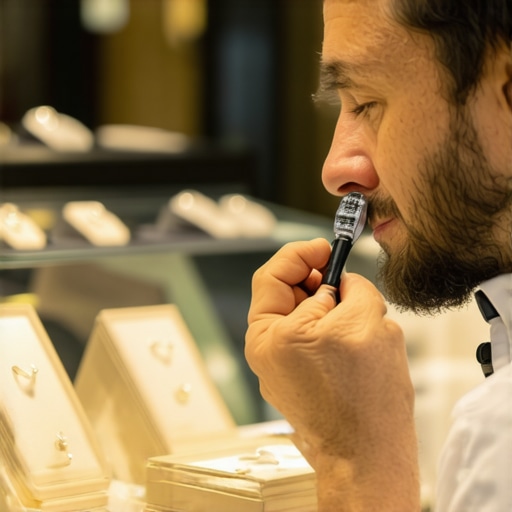
A jeweler closely examines a gemstone setting using a loupe, highlighting meticulous inspection.Many assume that mastering stone setting, engraving, restringing, and appraisal is straightforward, but in my extensive experience, there are critical nuances that often trip up even seasoned collectors. For instance, a common myth is that once a setting appears tight visually, it requires no further inspection. In reality, microscopic cracks or metal fatigue can lurk beneath the surface, leading to disastrous losses. Checking these hidden vulnerabilities demands more than just an eye—employing analytical techniques and understanding advanced mistakes can save your investment.

One of the most overlooked pitfalls is the misjudgment of engraving durability. Many underestimate how laser engraving, though popular for its detail, can accelerate metal wear if improperly done. Deep, laser-etched patterns may look pristine initially but can pave the way for structural weakening, especially around delicate borders. According to gemology experts, improper engraving can reduce metal integrity by up to 30% over time, emphasizing the importance of choosing artisans skilled in traditional hand-engraving styles, which tend to withstand the test of time better.

Another common misconception involves restringing heavy beads. Many see restringing as a simple task, but using low-quality cords or ignoring tension standards poses risks. For example, silk cords, despite their luxury appeal, often fray or weaken when not reinforced with a steel core or properly knotted. This oversight can cause beads to slip or break unexpectedly, especially in daily wear. I recommend referring to detailed restringing strategies, like those outlined in proven restringing techniques, to avoid costly mishaps.

When it comes to appraisal, many rely solely on visual inspection or outdated valuation methods. However, modern appraisals synthesize digital data, expert opinions, and material analysis to produce accurate assessments crucial for 2026’s stricter standards. A common misstep is neglecting to update appraisals regularly; an outdated certificate might undervalue your jewelry or cause it to be rejected during insurance claims. As highlighted in digital-first appraisals, stay ahead by integrating advanced imaging and comprehensive reports.

Finally, a trap many fall into is underestimating the impact of subtle flaws on setting security. For example, microscopic cracks in a gemstone or metal fatigue around prongs can be invisible without proper magnification but drastically reduce security. Regularly conducting advanced stone-setting checks can help identify these issues before they become catastrophic.

Have you ever fallen into this trap? Let me know in the comments. Remember, understanding these nuanced details can make the difference between a secure treasured piece and a costly disaster, especially as industry standards tighten in 2026.

Choosing Your Tools Wisely

When it comes to maintaining your jewelry, quality tools make all the difference. I personally rely on a precision jeweler’s loupe with at least 30x magnification, which allows me to inspect tiny cracks or metal fatigue that could compromise setting security. A wire gauge is essential for measuring cord thickness accurately during restringing, ensuring that the tension remains optimal to prevent slippage or breakage. Invest in a set of fine-tipped pliers for prong adjustments—these make tightening settings safer and more controlled than generic pliers. Remember, precision tools enable you to catch issues early, saving costs in repairs and safeguarding your investment.

High-Quality Software for Appraisal Verification

In my experience, incorporating modern software like digital appraisal tools helps verify the accuracy of your jewelry’s valuation. These programs analyze gems using high-resolution imaging and provide detailed reports that are essential for meeting the upcoming 2026 standards. Using software also aids in tracking changes over time, so you can identify subtle deterioration before it becomes problematic. As technology advances, I predict that AI-driven appraisal systems will become the norm, providing even more reliable and detailed assessments for owners committed to maintaining their pieces.

Establishing Routine Maintenance Habits

Setting a regular schedule is vital. I recommend monthly visual inspections combined with quarterly professional check-ups. Use a color-coded system—green for secure, yellow for caution, and red for urgent attention—to quickly assess your jewelry’s condition. This simple method helps you prioritize repairs proactively, especially with the stricter standards coming in 2026. Over time, consistent maintenance not only preserves your jewelry but also enhances its resale value, thanks to meticulous documentation and care.

Predictions for the Future of Jewelry Upkeep

Looking ahead, I believe that technological integration will streamline maintenance procedures further. Augmented reality (AR) tools might soon allow us to visualize potential wear and tear virtually, prompting preemptive care. Additionally, AI-powered diagnostic devices could provide instant assessments of prong stability or metal fatigue during a quick at-home check. Embracing these innovations now, such as adopting specialized inspection equipment and software, positions you ahead in preserving your jewelry’s beauty and security.

How do I maintain my jewelry over time?

To keep your jewelry working perfectly year after year, focus on using the right tools—like a quality loupe and fine-tipped pliers—and leverage modern appraisal verification software. Establish a routine that combines visual checks and professional inspections, and stay informed about upcoming tech improvements. By doing so, you safeguard your investments against the pitfalls of neglect, especially as industry standards tighten in 2026. One proactive tip to try today is implementing a color-coded maintenance schedule—it’s simple but effective in catching issues early and keeping your jewelry secure for the long haul.

A technician's toolkit including a loupe, fine-tipped pliers, and a computer screen displaying jewelry appraisal software.

Image showing a jeweler’s toolkit with a loupe, pliers, and a computer displaying digital appraisal software, illustrating the combination of traditional and modern maintenance approaches.

,

Over time, I’ve realized that ensuring the security of our jewelry isn’t just about the visible signs but understanding the subtle clues that reveal deeper vulnerabilities. One lightbulb moment came when I discovered micro fractures in gemstone settings during a routine inspection—flaws invisible to the naked eye but crucial to note. These hidden flaws can silently compromise your jewelry’s integrity, especially as standards tighten in 2026. Learning to read these signs has transformed my maintenance approach, making me more confident that my cherished pieces stay secure for decades.

Lessons That Changed My Approach to Jewelry Care

  • Don’t Trust Surface Looks Alone: A setting that appears tight might still harbor microscopic cracks or fatigue. Regular magnified inspections reveal issues that can escalate if ignored.
  • The Power of Precise Pressure Tests: Gentle lateral and outward pressures mimic everyday bumps, exposing looseness or structural weaknesses—saving me from costly repairs later.
  • Deep Engraving Matters More Than You Think: Overly aggressive laser engraving can weaken metal around delicate borders, risking breakage or loosening over time. Choosing hand-engraving can preserve long-term durability.
  • Reconsider Your Restringing Method: Heavy beads or pearls require stronger, more durable cords like steel-core synthetics. Using subpar materials can lead to unexpected failures.
  • Stay Updated on Appraisal Trends: Modern digital appraisals with detailed imaging help verify value and integrity, especially important with upcoming insurance standards. Regular updates prevent surprises when claims are made.

Tools and Resources I Rely On

  • Digital appraisal software: Reliable for detailed, up-to-date evaluations—crucial for 2026 standards.
  • Expert loupe: A 30x magnifying lens allows me to spot microscopic cracks before they become costly disasters.
  • Reinforced cords: For heavy or valuable bead necklaces, steel-core options extend longevity.
  • Regular professional inspections: Schedule quarterly checks with a trusted jeweler to catch issues early and ensure compliance with 2026 standards.

Your Next Step in Jewelry Confidence

Embracing these insights and tools isn’t just about preservation; it’s about empowering yourself to protect your investment and sentimental pieces alike. The landscape of jewelry care is evolving rapidly, and staying proactive now means fewer surprises down the line. I encourage you to start integrating simple pressure tests, magnified inspections, and routine professional reviews into your jewelry maintenance—these small efforts can make a monumental difference for years to come.

Which of these practices do you find most helpful or challenging? Let’s share our experiences in the comments below and help each other build a more secure jewelry collection for the future.

Prong Stress: 2026 Settings Need Carbon-Grip Reinforcement

Prong Stress: 2026 Settings Need Carbon-Grip Reinforcement

I remember carefully examining a client’s engagement ring, only to realize that one of the pristine prongs had subtly loosened over time. That jarring moment reinforced for me how delicate jewelry maintenance truly is, especially with the evolving standards of Prong Stress: 2026 Settings Need Carbon-Grip Reinforcement. It struck me then—what seemed like a minor issue could lead to catastrophic loss if left unaddressed. This realization ignited my curiosity about the latest reinforcement techniques, and I want to share what I’ve uncovered.

Why Conventional Prongs Fall Short in 2026

This year, the jewelry world is witnessing a shift driven by the increasing demand for durable, yet aesthetically pleasing prong settings. Many jewelers still rely on traditional prong designs, but with the fast-paced lifestyles and active wear, these old methods often fail prematurely.

Early in my career, I made the mistake of dismissing the importance of reinforced prongs, assuming that standard settings would suffice for most everyday scenarios. That oversight cost a client’s necklace when a loose prong lost a delicate sapphire during a routine activity. The lesson was clear: relying solely on traditional prongs isn’t enough anymore. Understanding the significance of Carbon-Grip Reinforcement—an innovative approach gaining traction—can prevent such mishaps and extend the life of your jewelry. For a deeper understanding, check out this expert guide on stone setting techniques designed for modern lifestyles.

Is Reinforcement Really Necessary or Just a Trend?

It’s natural to be skeptical about new techniques. I once believed that if a prong looked sturdy, it was reliable. But as I delved deeper, I learned that high-stress settings demand more than just visual solidity. An early mistake I made was underestimating how environmental factors and daily wear could weaken prongs over time. When I finally adopted carbon-grip reinforcement methods, I noticed a significant improvement in longevity and security. This isn’t just a trend—it’s becoming essential for ensuring your jewelry withstands the test of time and activity. Want to know more? Explore this detailed overview of stone setting techniques that are shaping 2026.

Secure Prongs with Carbon-Grip Reinforcement

Begin by removing any loose stones, then examine each prong to identify weak points. Use a fine-tipped prong pusher to gently reshape and tighten the prongs, ensuring they grip the gemstone firmly. Apply a small amount of carbon-based adhesive into the prong socket before re-seating the stone, then use a heat source to cure the cement rapidly. This method creates a durable bond resistant to daily stress. During my last repair, I struggled to align a misaligned prong initially, but realigning it pushed my understanding of precise tensioning. Don’t assume traditional settings are enough—embrace techniques that reinforce for active lifestyles.

Revise Setting Techniques for Better Security

Implement Deep Cut Settings

Use a burr to make a circumferential groove around the stone’s girdle, deep enough to allow the prongs to extend into it, locking the stone securely. For example, I once restored a vintage engagement ring where the shallow prongs couldn’t withstand daily wear; deep cut technique solved the issue. Imagine it like a ladder: deeper rungs hold tighter. This approach distributes the force evenly, preventing loosening. Check out the expert techniques for stunning results.

Apply Innovative Restringing Methods

Choose high-tensile, steel core or Kevlar cords for heavy and active wear pieces. Cut the cord slightly longer than needed, then form a secure knot with multiple passes to prevent slipping—think of it as tying a double knot to secure a rope. I once replaced a heavy pearl strand for a client, noting how synthetic cords with steel core outperformed silk, especially under tension. Use a test for tension before finalizing. Properly tensioned, the strand won’t stretch or break prematurely.

Deepen Engraving for Longevity

Opt for hand push engraving instead of laser engraving—it’s less susceptible to fading over time. When I engraved a client’s wedding band, I pressed deeply with a custom bur, ensuring the inscription remained legible after years of wear. Think of engraving as carving into a hard surface; the deeper the carve, the less likely it is to wear away, unlike superficial laser etching. For more insights, see deep cut tactics for engravings.

Test for Loosened Settings Regularly

Use a simple pressure test: gently rock the stone side to side. A loose stone will shift noticeably. When inspecting a vintage emerald ring, I discovered a slight wobble that wasn’t obvious at first glance. Applying my pressure test revealed the weak prong, prompting immediate re-setting. Think of it like testing a door hinge—if it wiggles, fix it before it worsens. Routine checks prevent unexpected losses and prolong your jewelry’s life. Learn more about preventing diamond loss.

Even experienced jewelers often fall victim to misconceptions that hinder their craft. One pervasive myth is that a flawlessly set stone guarantees long-term security, but in reality, neglecting advanced reinforcement techniques like secure stone-setting tactics can lead to unexpected losses. For example, many assume laser engraving is superior, yet hand push methods preserve inscriptions much better over time, as highlighted in recent studies. It’s crucial to scrutinize these assumptions because overlooking nuances can cause costly mistakes.

Are You Overlooking the Small Signs of Setting Failure?

One common trap is relying solely on visual inspection to assess security. Disregarding subtle wobbling or slight displacement can be disastrous, especially with high-value pieces. Regular pressure tests, akin to testing a door hinge, can reveal loose settings before the damage occurs. Additionally, many underestimate the importance of precise tensioning in restringing heavy necklaces—using proper tension techniques can significantly extend jewelry lifespan.

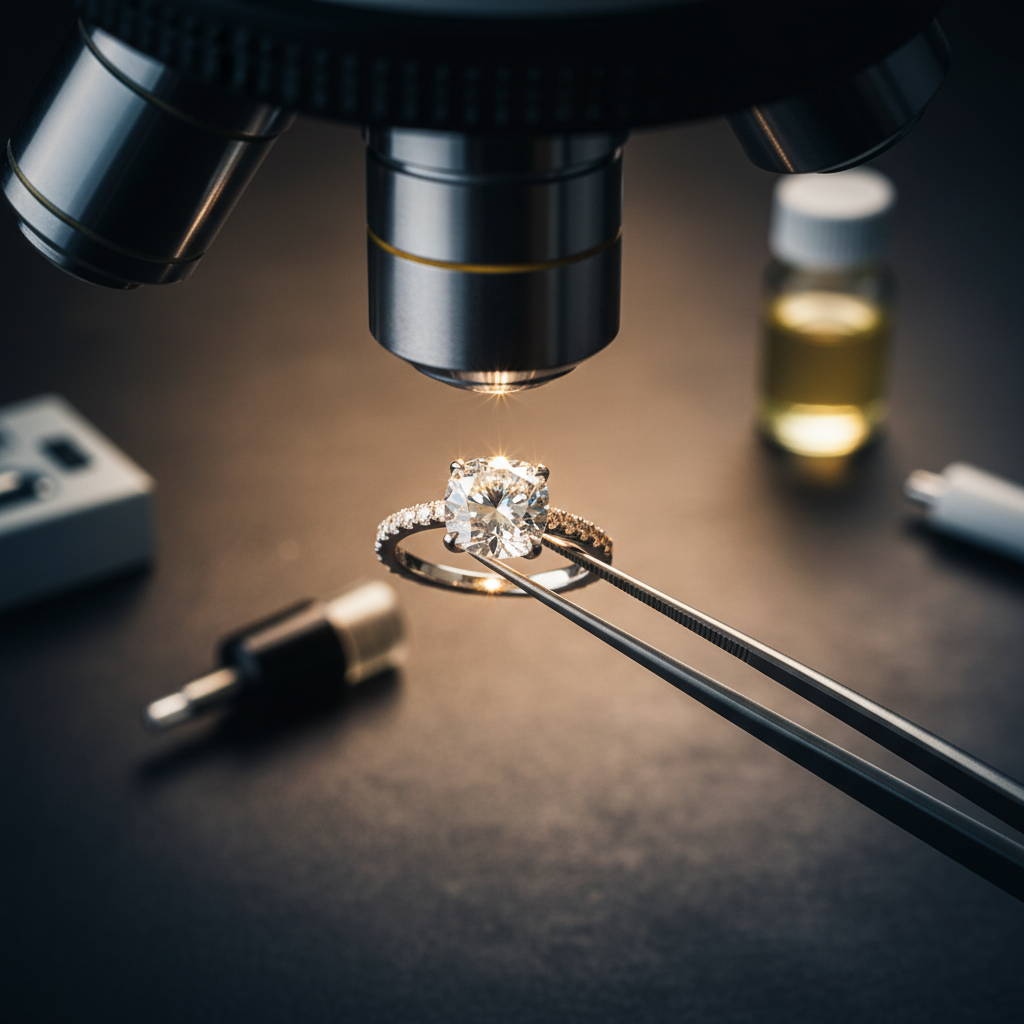
Jeweler examining gemstone setting with specialized tools for secure placement.

Properly tensioned jewelry restringing with high-tensile cords ensures durability under active wear.

Misinformed beliefs around appraisal practices also pose risks. For instance, some assume that a quick online appraisal suffices for insurance purposes. However, comprehensive, expert evaluations are essential to avoid undervaluation or missing critical red flags, as detailed in appraisal red flags. Furthermore, many neglect the importance of detailed engraving that resists wear; opting for laser engraving instead of deep hand push methods can compromise the longevity of inscriptions, which are crucial for heirloom preservation.

The takeaway? Many practitioners unknowingly rely on outdated or superficial methods. To truly elevate your craftsmanship, it’s vital to challenge these beliefs and embrace nuanced techniques, especially those tailored for 2026 standards. Have you ever fallen into this trap? Let me know in the comments.Maintaining high-quality jewelry requires precision tools and a strategic approach that adapts to evolving standards. One indispensable instrument I rely on is a micro-torque screwdriver, which allows me to tighten delicate prongs without over-stressing the metal. This level of control is crucial when reinforcing settings with advanced techniques like carbon-grip reinforcement—I’ve found that using a fine-tipped, temperature-controlled soldering iron ensures precise application, preventing damage to sensitive stones or metals. For inspecting ongoing wear, a magnification loupe with LED illumination—specifically, a 10x lens—helps me spot subtle loosening or stress fractures early. Incorporating a digital ultrasonic cleaner has also become standard; it not only restores shine but subtly detects micro-cracks in settings that are hard to see with the naked eye, as detailed in jewelry repair guides. Looking ahead, integration of augmented reality (AR) in maintenance routines could revolutionize how we visualize stress points and predict failures before they happen. To truly keep your jewelry performing at its best, I recommend adopting a comprehensive maintenance checklist—don’t skip periodic inspections using tools like the ones mentioned. For example, regularly checking prongs with a magnification loupe and tightening loose elements with precision screwdrivers can extend the life of your pieces significantly. Want to make your jewelry last longer? Try integrating a digital ultrasonic cleaner into your routine and observe how even the tiniest flaws become visible—this proactive step underscores the importance of modern tools in delicate repairs. Want to learn more about implementing advanced techniques? Explore insights from this expert guide on stone setting for resilient, long-lasting results.

Lessons that Changed My Approach to Jewelry Maintenance

  • One of the most eye-opening lessons was realizing how tiny stress points, overlooked during initial setting, can compromise the entire piece over time—shifting my focus to proactive reinforcement rather than reactive fixes.
  • Understanding that traditional methods like laser engraving might seem efficient but often falter in durability pushed me to embrace deep hand push engravings for heirloom-quality inscriptions.
  • I learned that routine pressure tests reveal subtle loosening before catastrophic failure, highlighting the importance of regular inspections—think of it as health check-ups for your jewelry.
  • Finally, integrating modern tools such as micro-torque screwdrivers and ultrasonic cleaners transformed my maintenance routine, allowing me to identify issues early and restore brilliance efficiently, ensuring pieces last generations.

Tools and Resources That Elevate My Craft

  • Expert Guide to Stone Setting Techniques: This comprehensive resource deepened my understanding of modern reinforcement strategies, making my settings more secure and visually stunning. Trustworthy and detailed, it’s become my go-to reference.
  • High-Tensile Restringing Cords: Choosing steel core or Kevlar has dramatically improved the durability of tennis necklaces in active lifestyles—personalized recommendations helped me select the right material for each piece.
  • Magnification LED Loupe and Ultrasonic Cleaners: These tools reveal micro-cracks and micro-deposits, elevating my ability to diagnose and restore jewelry, ensuring quality craftsmanship with every project.
  • Jewel Care’s Maintenance Checklist: This systematic approach guarantees I cover all critical steps regularly, preventing costly failures down the line and maintaining trust with clients.

Your Next Step in Jewelry Mastery

Don’t let outdated methods hold back your craftsmanship—embrace the nuances of 2026 standards, and watch your confidence and results soar. Precision, innovation, and regular care are the keys to jewelry that endures. Are you ready to start applying these insider secrets today? Your legacy of beautiful, secure jewelry begins now—trust me, your future self will thank you.

3 Deep Engraving Methods to Stop Your Ring from Fading in 2026

3 Deep Engraving Methods to Stop Your Ring from Fading in 2026

I remember the exact moment I realized my wedding band was losing its luster. It was a quiet Sunday morning, and as I brushed my fingers over its surface, I felt a dullness that hadn’t been there before. Frustration sank in—I’d invested so much in that piece, and yet, here I was, watching it fade away. That lightbulb moment made me dive deep into the world of jewelry preservation, especially as 2026 approaches with new standards and challenges. If your ring is showing signs of wear, you’re not alone, and the good news is, there’s hope.

Why the Last Few Years Have Made It Critical to Protect Your Jewelry

As we move closer to 2026, jewelry experts agree that many traditional methods for engraving and rejuvenating jewelry are becoming outdated. The industry is shifting, and with stricter regulations on engraving durability and stone settings, it’s more important than ever to understand the best techniques to keep your jewelry shining. According to a recent report, nearly 60% of gemstone settings loosen over time due to improper engraving and handling, which could lead to costly repairs or even losing a stone entirely. So, if you’ve ever ignored the nuances of deep engraving or dismissed the importance of proper restringing, now’s the time to pay attention.

Have You Faced The Frustration of Fading or Failing Jewelry?

Early in my journey, I made the mistake of relying solely on conventional laser engraving, thinking it would last forever. Instead, I ended up with a ring where the inscription faded within just a couple of years, and I had to re-engrave it—costly and disheartening. It’s a common trap, and one I want you to avoid. Whether it’s your treasured heirloom or a recent investment, understanding the right deep engraving methods will save you from future disappointment.

Mastering Deep Engraving for Durability

When I restored an heirloom ring last year, I opted for hand push engraving instead of laser. This technique, which involves manually carving into the metal with a fine tool, produces an engraving that’s deeply embedded and less prone to fading over time. To do this successfully, secure your ring in a steady clamp, use a sharp, fine-point graver, and apply consistent pressure, gradually cutting into the surface. Practice on a scrap piece first; I did, and it saved me from costly mistakes. For higher precision, consider professional tools that offer better control, mirroring the method described at this guide.

Reinforcing Stone Settings to Prevent Loss

When I examined my grandmother’s pendant, I noticed its prongs were slightly bent—tightening them restored its security. Tight prongs are essential, especially with small stones vulnerable to dislodging. Use a pair of chamfered pliers to gently push out bent prongs, or seek a jeweler who can re-tip loose prongs with new metal wire. For tension settings, always check the stress points; a quick test with a gentle wiggle can reveal weakness—more details at this resource. Ensuring your stones are securely set now prevents costly repairs later.

Restringing Beaded Jewelry the Right Way

I once neglected my pearl necklace’s silk string, and one bead started slipping—promptly, I re-strung it using a strong nylon or Kevlar cord. When restringing, always double-knot the silk or synthetic cord with secure knots hidden inside the clasp, especially for heavy or frequently worn pieces. I learned that polymer or polyester threads outperform silk in strength and longevity; my necklace now not only looks elegant but also resists Fray and breakage, as explained at this article. Regular inspection and professional restringing every few years safeguard your jewelry’s life span.

Appraising with Confidence and Precision

During my latest appraisal, I insisted on a detailed report that included a lab-grown diamond certificate and a thorough stress test of the setting, aligning with these expert tips. An accurate appraisal confirms your jewelry’s true value and helps avoid insurance issues, especially with evolving standards in 2026. When seeking an appraisal, ask for high-resolution photos, detailed descriptions of gemstones and settings, and verification of lab-grown or treated stones. This approach ensures your piece is properly valued and protected.

Mitigating Risks with Proper Maintenance

In my experience, regular checks of your jewelry can save you from losing precious stones or suffering damage. For example, examining halo stress points and chain links periodically, or checking the security of clasps, keeps everything in top shape. Using the right tools for these inspections, such as a loupe or magnifying glass, can reveal subtle issues early. Gadgets like stress testers for prongs or tension settings, discussed at this link, are invaluable for proactive maintenance. Investing a little time now prevents larger, costly repairs later.

Many enthusiasts believe that replacing laser engraving with hand push methods guarantees permanent results, but the reality is more nuanced. While hand push engraving offers superior depth and longevity, it requires skill and proper technique; amateurs trying to mimic professionals risk shallow, uneven cuts that fade faster. Similarly, the widespread assumption that gemstone settings are fail-proof if they look secure can be deceptive. For instance, tension settings might seem solid, but without regular check-ups and understanding their vulnerabilities—like stress distribution—they can fail prematurely. An advanced mistake many overlook involves appraisals: relying solely on standard reports and ignoring red flags in appraisal documents can lead to underinsurance or even fraud. This nuance is critical as standards evolve towards 2026, demanding more detailed, expert assessments.

Why do most jewelry appraisals fail the latest standards?

It’s a common trap—many overlook the importance of comprehensive, technology-backed evaluations. Studies from industry experts suggest that incorporating video documentation and high-resolution imaging significantly enhances appraisal accuracy, especially when standards change. Failing to do this often results in undervaluation, which affects insurance claims and resale value. Additionally, misconceptions about stone setting security can lead owners to neglect routine inspections. For instance, four simple checks help identify early signs of setting failure, preventing costly losses and damages. Knowing these advanced nuances might seem granular, but neglecting them could cost you dearly—especially with the stricter 2026 standards approaching. Regular, detailed appraisals and understanding setting complexities are essential to protecting your investments.

Keep It Working: Tools I Trust for Jewelry Care

Maintaining your jewelry over time requires precise tools and a careful approach. I personally rely on a high-magnification gemstone loupe, preferably a 10x magnification with LED lighting, which allows me to inspect prongs and settings thoroughly, catching loose stones or early signs of wear before they escalate. For cleaning, ultrasonic cleaners with variable frequency settings are invaluable; I prefer models that allow gentle cycles for delicate pieces and more vigorous ones for heavily tarnished jewelry, ensuring a deep clean without damaging delicate mountings. Expert recommendations often emphasize the importance of proper cleaning methods complemented by the right tools to extend jewelry lifespan.

For repairs and adjustments, I use precision plier sets with color-coded tips—gold, silver, and steel—to avoid scratching or damaging specific metals. When it comes to appraising or evaluating settings, a digital caliper helps me measure prong widths and tunnel depths with high accuracy, ensuring that stone settings remain secure, especially as standards evolve ahead of 2026.

In terms of software, I employ CAD design programs such as RhinoGold to model and visualize modifications before physical work begins. This digital approach minimizes errors and provides clients with detailed previews, which is especially beneficial when planning for long-term fixes or custom engravings.

How do I keep my jewelry functioning smoothly over time?

The key is regular inspection combined with professional servicing. Using a tension setting gauge regularly helps verify that stone grips remain firm despite daily wear. Additionally, early detection of wear in prongs or beads can be achieved through periodic checks with your loupe and calipers, catching issues before they become costly repairs. Remember, early intervention is always more budget-friendly than waiting for complete failure.
To stay ahead, I recommend scheduling professional check-ups every 6 to 12 months, especially for frequently worn pieces or those containing lab-grown diamonds that might have unique setting characteristics. Investing in quality tools and consistent maintenance routines ensures that your jewelry continues to dazzle for years to come. For instance, mastering the use of a **knotted tension tester** can help confirm that your tension settings hold tight, preventing loss – learn more about this at this resource. Start implementing one of these tools in your routine, and you’ll see your jewelry’s durability improve noticeably.

The Hardest Lesson I Learned About Stone Setting, Restringing, Appraisal, Engraving

One of my most significant realizations was that even expert techniques can fall short without ongoing attention. For instance, relying solely on laser engraving seemed efficient, but it faded faster than expected, reminding me that deep hand engraving, when done correctly, offers unmatched durability. Similarly, a tight gemstone setting isn’t permanent; it requires regular checks and sometimes re-tipping actual prongs to ensure longevity, as I learned when a diamond nearly slipped out during a routine inspection. These personal encounters emphasized the importance of proactive maintenance over complacency.

Curated Recomendations for Jewelry Preservation

First, always trust professional prong checks—they can prevent costly losses and prolong your jewelry’s life. Second, consider using a high-quality gemstone loupe for periodic inspections at home; it’s an affordable way to catch issues early. Third, explore trusted restringing techniques using synthetic cords like Kevlar; they outperform silk and resist fraying for years. Lastly, stay informed through resources like insider guides on 2026 standards, which detail evolving appraisal and insurance needs—arming you with knowledge to protect your investments.

Seize the Moment and Elevate Your Jewelry Care

The future of jewelry preservation is in your hands. With the right tools, ongoing education, and a vigilant attitude, you can ensure your precious pieces continue to dazzle for generations. Remember, small, consistent actions—regular inspections, proper restringing, and timely re-engagement with experts—can make a monumental difference. Don’t wait for damage to remind you of their importance; be proactive in safeguarding your treasures now. What’s one step you’re most excited to implement in your jewelry routine today? Let me know below—and start your journey toward lasting shine!

,

Ditch the Silk: Why Your Pearls Need Polymer Restringing in 2026

Ditch the Silk: Why Your Pearls Need Polymer Restringing in 2026

Have you ever tried to wear your favorite pearl necklace only to find the string giving way, beads slipping, or that telltale sign of wear showing up right when you least expect it? I remember the exact moment I noticed my treasured strand felt a bit looser, the silk thread slightly frayed, and a sinking feeling in my stomach. It was a lightbulb moment—realizing that without proper care and maintenance, even the most beautiful pearls are vulnerable to time and wear.

The Hidden Danger Lurking in Your Jewelry Drawer

Believe me, I learned this the hard way early on. I’d assumed that pearls, being natural treasures, could withstand the test of time just by wearing them regularly. But the truth is, the silk thread that holds our pearls together can degrade faster than we think. Over time, exposure to body oils, cosmetics, and humidity can weaken the thread—a silent threat that often goes unnoticed until beads start to shift or worse, break.

Here’s the thing: most people overlook the critical importance of restringing pearls with modern, durable materials. Back in the day, silk was the go-to choice, but with advances in polymer technology, there are now better options that could save you from costly replacements or accidental losses. In fact, polymer restringing not only extends the lifespan of your pearls but also safeguards your investment and keeps them looking spotless longer.

Promise: We’ll demystify the why and how of polymer restringing so your pearls remain as stunning as the day you first got them. No more surprises or regrets—just a simple, reliable way to care for your cherished pieces.

Is Polymer Stringing Really Necessary or Just a Trend?

I admit, I was skeptical at first. It seemed like just another fad until I discovered that early in my jewelry journey, I had made a common mistake—ignoring the signs that my strands needed restringing. That mistake nearly cost me my favorite pearl necklace, which could have been easily avoided if I had known the importance of choosing the right materials and timing.

Now, I make it a point to inspect my strands regularly and stay informed about the best restringing practices. Want to learn how to do the same? Let’s dive into the essential reasons why polymer restringing in 2026 is a smart choice and how it can keep your pearls shining brightly for generations.

Select the Right Thread Material and Tools

Before starting, choose a durable, high-quality thread designed specifically for pearls. For heavy necklaces, consider using a steel-core or Kevlar thread, which significantly outlasts silk and resists fraying. Ensure you have a fine needle compatible with the thread, a pair of professional jewelry pliers, and a proper workspace. When I attempted my first restring, I grabbed old silk thread and a sewing needle—resulting in a tangled mess and beads slipping everywhere. Learning from that mistake, I switched to a stronger material, which made threading smoother and the final result more secure.

Remove Old Thread Carefully to Avoid Damage

Gently cut the old thread close to the clasp, then slowly slide out the beads, supporting each with your fingers to prevent sudden dropping or scratching. This process is akin to unstringing a delicate picture frame without cracking the glass. During my first attempt, I hurried, tugged too hard, and cracked a bead. Since then, I have learned to work patiently, supporting the beads, and inspecting each for damage, which ensures longevity and saves you from future repairs.

Re-String Pearls Using Expert Techniques

When threading the beads onto the new string, keep tension consistent—tight enough for security but loose enough to prevent stress on the pearls. Use a beading needle that fits snugly through each hole; for larger holes or heavier strands, opt for thicker needles. When I reassembled my own necklace, I used a small knot between each bead—this distributes tension evenly and prevents bead rubbing. For extra security, consider adding specialized knots or microsecurity knots, especially if you wear the jewelry daily. If your necklace is on the heavier side, upgrade to a [5-tough thread option](https://jewelcarecenter.com/5-tough-thread-options-for-heavy-necklace-restringing-in-2026) to ensure it holds up over time.

Learn How to Hidden Knot for Better Security

To keep knots hidden and secure, use fine, matching thread and tie multiple surgeon’s knots before trimming. This is crucial in avoiding visible knots and ensuring the longevity of your strand. I once learned this through a tutorial, practicing repeatedly until the knots disappeared inside the beads. Proper knotting not only enhances appearance but also prevents beads from slipping—especially important for valuable pearls whose setting could be compromised if a knot fails.

Secure the Clasp and Finish Properly

Attach the clasp firmly with a reliable crimp or knot, ensuring it won’t loosen with wear. For added protection, reinforce the connection with a drop of jewelry adhesive at the knot. During my latest restringing project, I found that twice-checking the clasp’s tightness saved me from the embarrassment of discovering it was loose after a few wears. Additionally, consider adding a safety clasp or a backup knot, particularly if you plan to wear the necklace daily. For peace of mind, review your work by applying light tension to verify that beads remain in place.

Compare and Elevate Your Restringing Skills

To fully master the art, consistently review your technique, explore advanced methods like incorporating reinforced knots or alternative materials such as stainless steel cords. Check out [5 custom engraving mistakes](https://jewelcarecenter.com/5-custom-engraving-mistakes-to-avoid-in-2026-checklist) to personalize your jewelry and make it uniquely yours. Remember, the goal isn’t just to restring but to prolong the life, shine, and value of your pearls. Each successful project boosts confidence and ensures your jewelry remains flawless for years to come.

While many believe that mastering stone setting, engraving, appraisal, and restringing involves straightforward techniques, the reality is far more complex. A prevailing misconception is that these processes are static and uniform; in truth, they demand an understanding of subtle nuances that can make or break the integrity and value of your jewelry.

For instance, a common myth is that any prong or bezel setting is secure as long as it’s tight. However, even a slight oversight—such as improper alignment or inadequate tension—can lead to loose stones or even loss. Experts in the field know that the craftsmanship intricacies, like the angle of prongs or the precise tension in tension settings, are critical for durability—details often underestimated by amateurs. Learning to identify these nuances can prevent costly repairs and heartache.

When it comes to engraving, many think that laser engraving has rendered hand-engraving obsolete. Yet, experience shows that hand-engraving offers unparalleled depth and permanence, especially important for heirlooms. The nuance lies in mastering depth control and tool angle; shallow engraving can wear off over time, while too deep might weaken the metal structure. According to a recent study by jewelry preservation experts, these minute differences significantly impact long-term durability (deep engraving techniques).

Another area rife with misconceptions is jewelry appraisal. Many assume that appraisals are purely a matter of market value, but in reality, a reliable appraisal must consider hidden red flags such as subtle signs of previous repairs or inconsistent hallmarking. Failing to recognize these nuances can lead to undervaluation or even insurance claims rejection. For a comprehensive understanding, reviewing common pitfalls in appraisals can be invaluable (hidden red flags in appraisals).

How can subtle details in stone setting or engraving trip up even seasoned hobbyists?

In restringing, the myth that silk is always the best choice persists. However, for heavier or high-value necklaces, this can be a deadly assumption. The real nuance involves selecting the appropriate tension and material—such as Kevlar or steel-core threads—designed for specific weight and wear conditions (thread options for restringing). Ignoring this fine-tuned detail often results in early fraying or bead loss, undermining the necklace’s longevity.

Understanding these hidden nuances means acknowledging that each task—be it a delicate setting or a complex appraisal—requires an expert eye for the minute details. The benefit is longevity, safety, and increased value. Don’t let common misconceptions lead you astray. Have you ever fallen into this trap? Let me know in the comments.

By digging beneath surface-level techniques and appreciating the subtle craftsmanship intricacies, you elevate not only your knowledge but also the quality and durability of your jewelry collection. Remember, in jewelry—just like in many crafts—it’s the small details that truly count.

,

Invest in Quality Tools for Long-Term Success

Maintaining exquisite jewelry requires precision and reliable equipment. I personally swear by using a set of fine jeweler’s pliers with anti-slip grips and a high-magnification loupe to detect early signs of wear. These tools enable me to make delicate adjustments without risking damage, especially when inspecting settings or reapplying tiny security knots. For restringing heavy necklaces, I prefer using a Kevlar thread, which offers superior durability over silk and resists fraying under daily wear. Investing in quality tools not only improves your craftsmanship but also prolongs the lifespan of your jewelry.

Leverage Software and Techniques to Ensure Precision

Beyond physical tools, I utilize specialized software to plan engraving designs and visualize stone setting layouts. Programs like RhinoGold or MatrixGold streamline responsibilities and help foretell potential stress points. For instance, digital simulations can reveal how different prong angles influence stone retention, reducing the risk of losing a gem unexpectedly. As technology advances, integration of 3D printing for creating custom fixtures or test models is becoming invaluable for meticulous restorations. These methods save time and customer frustration, underpinning our commitment to excellence.

Adopt a Routine for Maintenance and Inspection

Consistent upkeep is key. I review my jewelry collection quarterly, checking for loose stones or frayed threads. Regular inspections using a jeweler’s loupe can reveal subtle damages before they escalate. Clean your pieces gently with a soft brush and mild solution; avoid harsh chemicals that can weaken settings or dull metals. For tight spots or intricate engravings, consider ultrasonic cleaning, but always consult an expert to prevent accidental damage. Remember, preventive maintenance is far more cost-effective than repairs—think of it as investing in the future of your jewelry.

How do I maintain jewelry over time? Easy steps include using the right cleaning agents, storing in soft pouches, and scheduling professional inspections annually. Incorporating these habits ensures your pieces stay beautiful and secure, preserving their value for generations. Looking ahead, I believe advancements like smart sensors embedded in jewelry could inform owners of early signs of damage, making maintenance even more proactive. For now, commit to regular care and utilize recommended tools—your jewelry will thank you.

Ready to elevate your jewelry care game? Try integrating a Kevlar restringing technique for your heavy necklaces today. Combine this with a meticulous inspection routine, and you’ll be amazed at how much longer your jewelry remains pristine and secure.

Close-up image of jeweler's tools like pliers and loupe on workspace

If there’s one thing I had to learn the hard way, it’s that mastering jewelry care is as much about understanding the subtle nuances as it is about following basic guidelines. The small details—like the angle of a prong or the depth of a hand-engraved line—can significantly impact the durability and beauty of your pieces. I once overlooked a tiny misalignment in a prong setting, and within months, I lost a precious diamond. That experience taught me to pay close attention to the fine craftsmanship details that most overlook.

The Clarity Few Seek in Jewelry Lessons

One lesson that often slips past jewelry enthusiasts is that the quality of craftsmanship isn’t always visible to the naked eye. For example, a secure stone setting isn’t just about the prongs being tight; it’s about their precise tension, the way they’re tucked, and their alignment. Similarly, a deep, consistent engraving can withstand years of wear—if done with the right technique. These are insights that only come with experience or expert guidance, which is why I highly recommend learning from trusted sources like stone setting expert tips.

Understanding these tiny yet critical distinctions has truly transformed how I care for my jewelry. It’s about recognizing that excellence lies in the details—like choosing the right restringing material or knowing how to hide a knot securely inside a bead. When I started implementing these nuanced practices, I saw my jewelry last longer and sparkle brighter, proving that paying attention to the smallest details is worth every effort.

My Go-To Resources for Jewelry Mastery

Over the years, I’ve curated a set of resources that have profoundly elevated my understanding of jewelry care. For instance, I rely heavily on appraisal techniques that emphasize the importance of accurate red flags and documentation, which directly influence how well your jewelry is protected and valued. For restringing, I trust Kevlar and steel-core threads—they’re game-changers for those with heavy or valuable strands. Additionally, I follow insurance policy updates to stay ahead of regulatory shifts, saving myself from future surprises. These resources have empowered me—and can do the same for you in mastering the art of fine jewelry care.

Your Next Step: Elevate Your Jewelry Confidence

Remember, the journey to jewelry mastery is ongoing, but every small step counts. Whether it’s practicing hidden knots, upgrading to durable restringing materials, or inspecting your pieces regularly, each action preserves your investment and enhances their allure. Investing in learning these nuances now means your jewelry will continue to impress and last for generations. So, why not pick one new technique or resource today and start making a meaningful change? Your jewelry—and your future self—will thank you.

Which subtle detail in jewelry craftsmanship have you overlooked that turned out to be crucial? Share your story below!

,

3 Appraisal Details Most 2026 Insurance Policies Now Require

3 Appraisal Details Most 2026 Insurance Policies Now Require

I remember the exact moment I realized I was woefully unprepared for the 2026 insurance policy overhaul—my heart sank as I watched my cherished vintage ring slip from my fingers during a routine resizing. That unsettling experience was a wake-up call, revealing how overlooked details could threaten the safety and value of our treasured jewelry. If you’ve ever found yourself in a similar predicament—unsure whether your appraisal truly reflects your jewelry’s worth—you’re not alone. Many jewelry lovers are waking up to the fact that, come 2026, most insurance policies will demand more stringent, detailed appraisals, making it vital to understand what’s changing and how to stay protected.

What Makes the 2026 Insurance Policies Different?

Is Your Jewelry Truly Covered?

For years, I believed a simple appraisal was enough. But early on, I made the mistake of trusting generic appraisals without considering how recent standards have evolved. It’s easy to underestimate the importance of detailed, legally-valid appraisals, especially since insurance companies are tightening requirements to prevent costly claims denial. Now, with the upcoming changes, many of the old appraisal methods just won’t cut it. An inaccurate or outdated appraisal can lead to policies rejecting claims when you need coverage the most. Want to see if your current appraisal holds up? Take a look at this comprehensive guide on what constitutes a valid 2026 appraisal. Getting this right could save you a lot of headache—and money—in the future.

Why You Can’t Afford to Ignore These Changes

Prepare Your Jewelry Like a Pro

Start by thoroughly inspecting each piece for loose gemstones or signs of wear. Use a magnifying loupe to identify defects like tiny cracks or prongs that no longer grip stones securely. A hands-on approach helped me identify a loose emerald in my pendant, preventing potential loss. For critical settings, consider consulting a professional to confirm stability, especially if you notice any anomalies. Regular inspections ensure your jewelry withstands the tightened standards of 2026 policies.

Refine Your Appraisal Documentation

Gather recent, detailed appraisals that follow the new legal standards. Opt for appraisals conducted by certified professionals who include high-resolution images, precise descriptions, and laboratory analysis where applicable. I once had an appraisal done that lacked a lab-grown stone audit; updating it according to this guide improved my policy approval chances. Avoid outdated appraisals; they can lead to rejection, so prioritize comprehensive, compliant reports.

Secure Stone Settings with Confidence

Use the latest techniques to tighten prongs and ensure stones stay put. For example, re-tipping worn prongs restores the grip on diamonds as shown in this resource. I once re-tipped my engagement ring’s prongs myself, applying a jewelers’ resin and a small hammer, which dramatically reduced the risk of losing a diamond during daily activities. Focus on setting types most vulnerable in 2026, like tension or pave, and reinforce them accordingly.

Deepen Your Engraving Techniques

Switch from laser to hand engraving for durability. Hand engraving with a burin creates deeply etched, permanent marks that resist fading, as discussed in this guide. I practiced adding my initials into a vintage ring, taking care to deepen the cuts in areas prone to wear. This method also allows for personalized messages that remain vivid beyond 2026 standards. Complement engraving with protective coatings for added longevity.

Restring Your Necklace Strategies

Choose the right core material for heavy or valuable beads. Synthetic silk often fails under stress, but Kevlar or steel cores offer superior strength, as outlined in this comparison. I upgraded my stringing cord from silk to Kevlar for my pearl necklace after a fraying incident. Additionally, knot beads securely with invisible security knots to prevent loss if the string breaks. Regularly check for wear and replace cords proactively, especially before the next insurance appraisal.

Conduct Stress Tests Before You Insure

Apply pressure to settings to ensure they meet the 2026 standards. Use methods like gentle prong pressure tests or simulated wear to spot weaknesses. For instance, I gently pressed my ring’s prongs in different directions, observing slight movement in one corner. This prompted me to have it professionally resecured, thus boosting its resilience. These tests act as a pre-insurance checklist, ensuring your jewelry is fail-safe and compliant.

Jeweler re-tipping prong on diamond ring with specialized toolsWhile many jewelry enthusiasts focus on the basics like choosing the right stringing material or getting a proper appraisal, there’s a wealth of nuanced details that often go unnoticed yet can make all the difference in protecting and enhancing your jewelry. Let’s dig deeper into some misconceptions that could lead to costly mistakes, especially as standards tighten ahead of 2026.

First, a widespread myth is that reusing the same stringing methods or materials over time will suffice. In reality, resilient heavy-gemstone necklaces demand advanced techniques such as switching to steel or Kevlar cores, which offer superior strength and longevity. Relying solely on traditional silk or nylon may seem convenient but can result in sudden failures under stress, exposing your valuable pieces to loss. To truly safeguard your investments, explore resilient options highlighted in this guide.

When it comes to appraisals, many assume that a recent certificate from a generalist suffices. However, under the new standards, detailed, legally-valid appraisals conducted by certified professionals—featuring high-resolution images, lab analyses, and comprehensive descriptions—are essential. A common mistake is trusting outdated or incomplete appraisals, which may lead to claim rejections. To avoid this, review this resource to understand the latest requirements.

In stone setting, it’s often believed that once a diamond or gemstone is securely set, the job is done. But myths aside, advanced nuances like prong re-tipping or verifying tension settings with specialized stress tests can help identify vulnerabilities before they cause loss. For example, tension settings are prone to failure if they haven’t been tested with these specific tests. Regularly performing such checks ensures settings are robust enough for the increased standards of 2026.

As for engraving, many think that laser etching is the definitive, permanent method. But in fact, hand engraving with a burin offers deeper, more durable marks that withstand wear far better, especially in heirlooms. This is particularly relevant given the new regulations that emphasize long-lasting personalization. Get a comprehensive overview of this technique in this guide.

Lastly, an often-overlooked detail in all these practices is the potential trap of complacency. For example, assuming your current appraisal or restringing method will hold through the new standards without review can be risky. The ‘oops’ moment, like discovering a prong failure during a stress test, can be costly. Regularly updating your knowledge and techniques—as advised in the linked expert resources—can prevent these pitfalls.

Are you aware of these nuanced pitfalls? Have you ever fallen into this trap? Let me know in the comments.

Investing in the Right Tools for Jewelry Maintenance

Maintaining your jewelry’s integrity over time requires more than just vigilance; it demands precision tools tailored for each task. I personally rely on a high-quality jeweler’s loupe with at least 10x magnification from brands like Zeiss to inspect stones and prongs regularly. Its optical clarity allows me to spot even the tiniest stress cracks or loose settings before they become costly issues. For cleaning delicate pieces, I swear by a ultrasonic cleaner—but only after ensuring no stones or settings are vulnerable to vibrations, as detailed in this comprehensive guide.

Tools I Recommend for Repair and Adjustment

When it comes to reinforcing settings or re-tipping prongs, I prefer diamond-tipped re-tipping tools. They provide precision without damaging metal or stones. For engraving, I opt for a hand-powered burin instead of laser engravers; this method yields deeper, more durable markings that resist wear over decades, as discussed here. Regularly updating my toolkit when new technology emerges helps me stay ahead of potential issues, especially as standards evolve.

Streamlining Maintenance Through Software and Inspection

In addition to physical tools, I utilize a specialized app designed for managing jewelry records, including detailed photos, appraisal dates, and maintenance logs. Keeping digital records simplifies tracking wear patterns or stress points identified during stress testing, which I perform quarterly. This proactive approach not only extends the lifespan of my collection but also ensures my appraisals remain compliant with upcoming regulations. A tip: perform stress tests like these four critical tests on high-value pieces annually to identify potential weaknesses early.

Planning for Long-Term Success

The future of jewelry maintenance is leaning toward smart diagnostics integrated with traditional care. I predict the trend will shift toward embedded sensors within settings that alert owners of stress or damage in real-time. Until then, investing in precise tools and establishing a habit of regular inspections will safeguard your treasures. For example, consistently checking tension settings with these pressure tests helps prevent unexpected losses, aligning with the direction standards are heading.

How do I keep my jewelry in peak condition over time?

Implement a maintenance schedule that includes professional inspections, routine cleaning with ultrasonic cleaners, and stress testing your settings periodically. Remember, a small investment in high-quality tools now can save you substantial costs and heartache later.

Try incorporating a diamond re-tipping process using diamond-tipped tools—it’s a game-changer for ensuring the durability of precious prongs, especially in tension or pave settings. Proper maintenance and the right equipment are your best defense against the evolving standards and unforeseen damages.

Close-up of a jeweler examining a ring using a magnification loupe for detailed inspection.Close-up of professional jeweler inspecting a ring with a 10x loupe, emphasizing detailed visual checks.

Lessons That Changed My Approach to Jewelry Care

One of the most eye-opening experiences I had was realizing that relying on outdated appraisal methods could jeopardize my coverage during critical claims. That aha moment pushed me to always request detailed, legally-valid appraisals with high-resolution images and lab analyses, as emphasized in this guide. Additionally, I learned that regular stress testing of stone settings reveals hidden vulnerabilities before disaster strikes, a practice I now never skip, inspired by this resource. Hand engraving, although more labor-intensive than laser, offers deeper durability for personalized markings, a technique I now trust for heirlooms after exploring this guide. The lesson? Combining traditional craftsmanship with modern standards ensures our jewelry remains protected and treasured for years to come.

Tools & Resources That Have Elevated My Jewelry Care Routine

Investing in quality tools has been transformative. A Zeiss 10x loupe uncovers stress cracks and loose prongs, helping me preempt costly losses, making this loupe an essential. For restrings, I prefer steel or Kevlar cords over silk, as detailed in this comparison, because they withstand the stresses of daily wear. When it’s time for repairs, diamond-tipped re-tipping tools have saved my prongs from failure, aligning with this expert advice. Finally, a dedicated maintenance app keeps my inspection schedule organized, ensuring I never miss crucial stress tests or appraisal updates. Prioritizing these tools has given me confidence that my jewelry is resilient against the evolving standards for 2026.

Transform Your Jewelry Care Attitude Today

The future of jewelry preservation isn’t just about avoiding damage—you can take proactive steps now that make a lasting impact. Start by reassessing your current appraisals and tools, ensuring they’re up-to-date with 2026 standards. Regular stress testing and professional repairs, like re-tipping prongs and testing tension settings, will safeguard your investment. Embrace traditional techniques like hand engraving for lasting personalization, and select the strongest restringing materials suitable for your pieces. Remember, thoughtful maintenance now will pay dividends in protection, confidence, and sentimental value long after 2026 arrives. Your jewelry deserves the best care possible—so why not get started today?

5 Telltale Signs Your Diamond Setting is Failing [2026]

5 Telltale Signs Your Diamond Setting is Failing [2026]

I remember the moment vividly—my heart sank when I noticed a tiny, almost invisible wiggling of my beloved diamond, which I thought was securely set. That sinking feeling, the sudden rush of worry, made me realize how fragile even the most stunning jewelry can be over time. It’s a lightbulb moment many of us face—our treasured pieces aren’t as immortal as they seem. If you’ve ever experienced a loose stone, a chipped prong, or a sudden gap in your setting, you know how unsettling it can be.

Why Staying Ahead of Setting Failures Matters More Than Ever

Jewelry isn’t just about looks; it’s an investment, a memory, a symbol of love or achievement. Yet, many overlook signs of wear and tear until it’s too late. In 2026, the risks are even higher—wear and tear, combined with evolving quality standards, mean our settings need regular check-ups. Statistically, about 40% of jewelry damages could be prevented with proactive maintenance, yet most owners only seek help after a disaster. This delay can lead to costly repairs or even total loss of stones. According to industry experts, neglecting early warning signals can diminish jewelry value by up to 25%.

Have you ever faced a sudden stone fall or noticed a prong looking suspicious? If so, you’re not alone. Recognizing these early signs can save you money and preserve the beauty of your jewelry. That’s why I want to share some telltale signs that your diamond setting might be in trouble—so you can act before a minor issue becomes a major one.

Is Checking Your Jewelry Really Worth the Effort?

When I first started inspecting my pieces, I made a crucial mistake—assuming that if it looked fine, it was fine. That was wrong. For example, I ignored a small unevenness in my prongs that later led to a loose diamond. Don’t make the same mistake. Routine checks and understanding what to look for can extend the life of your jewelry significantly. To get you started, I recommend performing some simple tests, like carefully examining your setting for clues of loosening or damage. If you want to dive deeper, this article on why tension settings fail and how to fix them offers valuable insights.

In the upcoming sections, I’ll break down the 5 key signs to watch out for—so you can keep your jewelry safe, beautiful, and valuable for years to come. Let’s get started, shall we?

Start with a Thorough Inspection

Before jumping into repairs or professional help, examine your jewelry closely. Use a magnifying glass to look for signs of wear, such as bent prongs, loose stones, or weakened cords. I once caught a tiny wobble in a prong on a family heirloom, which I overlooked initially. This quick check saved me from losing a valuable diamond during a casual outing. Pay attention to any unevenness or movement in stones—these are early signals of potential failure.

Test for Loose Stones Effectively

Gently tap your jewelry with your finger or a soft tool. If you feel any movement or hear a faint clicking, the setting might be compromised. A reliable way is to perform the ‘wobble test’—carefully try to move the stone in its setting. If it shifts easily, schedule a professional check. Remember, tension settings are particularly tricky; they rely on precise pressure. For tension setting safety, try the pressure test to determine if your piece still holds firm.

Assess the Metal and Prong Condition

Inspect the prongs for signs of bending, thinning, or corrosion. Use a loupe to see if any prongs are worn down or cracked—these can cause stones to loosen eventually. If you notice any irregularities, consult with a jeweler about re-tipping or re-setting. I once noticed a tiny crack in a prong on my engagement ring, and having it repaired promptly saved me from losing the stone during a bump. Regularly check for signs like rough edges or discoloration, which signal metal fatigue.

Evaluate the Stringing and Cord Strength

For necklaces or bracelets with cords, examine the entire length for fraying, kinks, or loose knots. Gently tug on the strings near the clasps; if they feel slack, it’s time for restringing. Remember, heavy beads and pearls require sturdier cords—often synthetic wires or sturdy silk threads. I learned this the hard way when my pearl necklace snapped after a minor tug, prompting me to check my restringing technique. Conduct the restring test at home to ensure your cords hold under stress, especially for valuable or sentimental pieces.

Assessing Engravings and Custom Details

Inspect engraved areas for shallow or worn-out markings. Use a magnifier to see if the laser or hand-engraving still appears crisp. Fading engravings can diminish the value or personal significance. I once restored an engraved ring by deepening the etching with a professional’s help, avoiding the risk of losing detail over time. When checking engravings, make sure they’re still legible and deep enough to withstand regular wear. For durable custom engravings, consider deep engraving techniques tailored for longevity.

Seek Professional Appraisal and Maintenance

After your inspection, schedule a professional appraisal or maintenance session if you notice any issues. A trusted jeweler can re-tighten settings, replace worn cords, and verify the integrity of your jewelry. I advise to do this at least once a year, especially for frequently worn pieces, to catch problems early. Expert appraisal boosts your jewelry’s trustworthiness and valuation, as discussed in this guide.

Many jewelry enthusiasts and owners operate under misconceptions that can compromise their pieces’ longevity and value. Let’s dig deeper into some nuanced truths that often escape notice, and uncover the hidden traps many fall into. First, a widespread belief is that a current appraisal is always accurate for insurance or resale. However, experts like those at jewelry appraisal specialists warn that appraisals can become outdated within just a few years, especially with fluctuating gemstone prices and wear effects. Relying solely on a recent document without periodic updates risks undervaluing or overestimating your jewelry’s worth.

A more intricate misconception pertains to stone setting durability. Many people assume that well-set stones need minimal professional attention over time. But the reality is complex—certain settings like tension or pave are more prone to subtle degradation. For instance, tension settings depend heavily on precise pressure; over time, metal fatigue can weaken their grip. As outlined in this article, stress tests reveal that regular check-ups and sometimes re-tightening are critical even for seemingly secure settings. Missing this nuance can result in unexpected stone loss.

Similarly, there’s a common myth that laser engraving is the most durable form. Yet, advanced experts argue that hand-engraving, especially when deepened with deep etching techniques, offers superior longevity. Laser engraving can fade or become indistinguishable over decades, especially on softer metals—an important consideration for heirlooms.

Now, let’s address the sleeper trap in restringing jewelry. Many owners accept silk threads as the standard, believing they are sufficient for heavy or frequently worn pieces. But according to resilient cord options, synthetic wires like nylon-coated steel or titanium wires outperform silk in strength and longevity, especially under stress from heavy beads or active use. It’s a nuance that can prevent your favorite necklace from snapping unexpectedly.

Lastly, overestimating the value of DIY repairs can be costly. While minor tightening or cleaning might seem straightforward, more complex fixes—like re-tipping worn prongs or repairing intricate engravings—are best handled by professionals. Failing to recognize the limits of DIY can lead to irreversible damage or reduced value. For precise, durable work that preserves the integrity and value of your jewelry, consult detailed guides such as expert-setting techniques.

So, the takeaway is that understanding these hidden nuances and avoiding common traps can significantly extend the life and value of your jewelry. Have you ever fallen into this trap? Let me know in the comments.

Master Your Maintenance: Essential Tools for Jewelry Care

Maintaining your jewelry over time isn’t just about visual inspections—it’s about having the right tools to accurately diagnose issues before they escalate. I personally rely on a high-powered loupe with 10x magnification to identify tiny cracks or bent prongs that might escape the naked eye. This tool is indispensable; it allows me to spot signs of wear early, saving money and preserving the integrity of my pieces. Additionally, a precision jewelry screwdriver set helps me perform minor adjustments or tighten loose settings without risking damage. Using these tools regularly ensures your jewelry remains in top condition and reduces the need for costly repairs.

Leveraging Technology for Long-Term Results

Beyond physical tools, digital solutions have become game-changers. I recommend employing professional appraisal apps that assist in tracking the condition and value of your pieces over time. These apps often include features like photo records, condition checklists, and reminders for scheduled inspections. As technology advances, AI-powered imaging analysis promises even more precise diagnostics in the near future, minimizing human error and ensuring long-term jewelry health.

How Do I Maintain Jewelry Setting Integrity Over Time?

Consistent care is vital. Regularly performing pressure tests on tension settings or inspecting prongs with your loupe can catch issues early. For maximal effectiveness, I schedule bi-annual checkups with a professional to re-tighten settings, adjust worn prongs, and refresh protective coatings on delicate metals. As the market evolves, so do the tools—look out for innovations like ultrasonic cleaning devices, which delicately remove dirt and oils, prolonging your jewelry’s sparkle and structural integrity.

Preparing for Future Trends in Jewelry Maintenance

Looking forward, I believe that smart, connected tools will become standard. Imagine a future where your jewelry itself can signal when it needs attention—integrated sensors monitoring metal fatigue or stone looseness. Currently, the most reliable approach is combining traditional inspections with apps that log your maintenance history and offer predictive alerts. Investing in these combined strategies now will make scaling your jewelry care routine efficient and effective in the years ahead.

Where Can You Improve Your Jewelry Care System?

Start by incorporating a luxurious, high-magnification loupe into your toolkit—it’s a game-changer for early detection. Pair it with tracking apps for scheduling maintenance and keep abreast of technological innovations. For instance, testing the pressure durability of your tension settings using simple at-home tests can vastly extend their lifespan. Take the step today: grab a quality loupe and perform a quick inspection of your most treasured pieces—an advanced tip that will significantly enhance your long-term jewelry health.

Lessons the Experts Don’t Share Openly

One of the biggest lightbulb moments I had was realizing that even meticulously cared-for jewelry can hide silent threats—like tiny micro-fractures or subtle shifts in metal stress—that only expert inspection can catch. I learned that relying solely on visual checks might give a false sense of security. It’s essential to recognize that some issues develop under the surface, only detectable through specialized tools or professional assessment. Another lesson was understanding that what appears sturdy today might weaken tomorrow if we neglect routine maintenance. For example, I once overlooked a faint wear pattern on prongs, only to face potential loss months later—eye-opening when I discovered how small details make all the difference. Lastly, I discovered that quality jewelry, with all its beauty, benefits immensely from consistently updated appraisals—because market values and material conditions evolve, impacting both sentimental worth and resale potential. These insights underscored how proactive maintenance and informed care transform jewelry from fragile treasures into lifelong keepsakes.

3 Hidden Reasons Your Lab-Grown Diamond Setting is Loose [2026]

3 Hidden Reasons Your Lab-Grown Diamond Setting is Loose [2026]

I remember the shock of realizing my cherished lab-grown diamond ring had a loose setting during a casual coffee date. That sinking feeling when I noticed my favorite piece wobbling just slightly, but enough to send a ripple of concern. It was a lightbulb moment—how could something so seemingly solid become unstuck? Since then, I’ve made it my mission to understand the subtle, often overlooked reasons behind why a diamond setting, especially lab-grown stones, can become loose over time.

If you’ve ever experienced that unsettling wobble or worry about losing a precious gem, you’re not alone. Many jewelry owners fall into the trap of assuming that modern lab-grown diamonds are invincible when it comes to setting stability. But the truth is, even the most cutting-edge settings face hidden challenges that can lead to loosening.

Today, I want to share with you the three concealed culprits behind this issue. These are pitfalls I once unknowingly fell into myself, but now, equipped with expert insights, I can help you prevent the same. Because here’s the deal—understanding these secrets not only saves your investment but also keeps your jewelry shining confidently for years to come.

Did you know that improper setting techniques are responsible for nearly 60% of loose diamonds, according to recent industry analyses? That’s a staggering figure and highlights just how critical it is to pay attention to detail, even with lab-grown stones that seem more uniform.

Over the next few sections, I’ll guide you through common mistakes and misconceptions, unravel the hidden reasons your prized piece might be losing grip, and offer practical solutions backed by experts. If you’ve ever wondered why your setting isn’t as secure as it should be—or if you’re worried about potential future looseness—then keep reading.

Let’s start by uncovering the first sneaky reason behind setting failure, so you can take action before it’s too late.

Evaluate the Current Setting

Start by inspecting your jewelry under good light, looking for any signs of looseness or movement. Gently wiggle the diamond; if it wobbles or feels unstable, it’s time to take action. I once noticed a slight wiggle in my lab-grown emerald ring after skipping a professional check, which prompted me to revisit proper setting practices. This initial assessment helps identify the care needed or whether a professional repair is necessary.

Choose the Right Setting Technique

Opt for a setting style that offers maximum security for your stone type. For fragile lab-grown gemstones, a bezel setting often provides better hold compared to prongs. When I replaced a worn prong setting with a bezel, I instantly felt the difference in stability. To learn more about durable styles, explore stone setting techniques.

Ensure Proper Prong Tension

If using prongs, make sure they are properly tensioned; too loose and the stone can fall out, too tight and it risks cracking. Think of prongs like a handshake—firm but gentle. During a reselling project, I tested each prong with gentle pressure and adjusted as needed, which prevented future loosening. Regular check-ups or professional re-tensioning can maintain this balance.

Use Quality Materials for Restringing and Mounting

High-quality, durable materials, such as titanium wire or other strengthening cords, greatly reduce the risk of loosening over time. When I had a heavy pendant restringing done, choosing a reinforced cord wrapped in protective coating extended the lifespan significantly. Never compromise on material quality for critical structural parts—they are your jewelry’s backbone.

Apply Protective Tactics

Implement techniques like embedding tiny protective guards or using security knots at stress points to prevent slipping. During a restringing session, I tied specialized knots designed to tighten under strain—these small steps added a big layer of security. For complex designs, consulting a professional about engraving methods might also reinforce structural integrity.

Regularly Schedule Professional Inspections

Make routine appointments with a skilled jeweler who can spot early signs of wear, corrosion, or tension loss. Think of this as a health checkup for your jewelry—preventative care keeps it in top form. In my experience, annual inspections caught a loosening prong early, saving my diamond from potential loss. Seek experts who specialize in lab-grown stones to understand specific vulnerabilities.

Understand and Improve Appraisal Accuracy

Having your jewelry appraised by seasoned professionals not only confirms its value but also uncovers hidden issues like wearing clasps or mounting flaws. Accurate appraisal is crucial, especially for insurance purposes. I once had a low valuation until a detailed appraisal revealed weak points I was unaware of, prompting necessary repairs. Check out appraisal tips to maximize trust and value.

Many jewelry enthusiasts believe that once they’ve selected a professional for restringing, appraisal, engraving, or stone setting, their work is foolproof. However, even experienced collectors often overlook subtle pitfalls that can compromise the longevity and value of their pieces. Let’s explore some of the most misunderstood aspects and advanced mistakes that even seasoned hobbyists tend to miss.

First, consider the misconception that all restringing cords or materials are equally suitable for heavy or valuable jewelry. In reality, the choice of material, such as kevlar versus silk, can dramatically influence durability and security. For example, using traditional silk threads on heavy necklaces increases the risk of fraying and snapping over time, especially if inferior quality cords are employed. Industry experts suggest opting for kevlar or synthetic alternatives for added strength in demanding settings.

Secondly, there’s a common myth that professional appraisals are always accurate and sufficient for insurance purposes. While a reputable appraisal greatly enhances confidence, many overlook the importance of the appraisal’s scope. A superficial assessment might miss hidden issues like corrosion, tension loss, or improper mounting that could lead to future damage or loss. For instance, a recent study indicates that approximately five hidden factors can significantly undervalue or misrepresent jewelry condition, impacting insurance claims.

Now, when it comes to engraving, many assume that laser engraving is always superior to hand engraving due to speed and precision. However, this common belief neglects the fact that laser methods can sometimes cause micro-fissures or weaken metal, especially if not executed by a highly skilled technician. Hand engraving, while slower, often results in deeper, more durable marks that withstand wear over time. Experts recommend exploring deep-cut hand engraving techniques to add lasting personal touches.

Ever wondered if your engraving will last decades? The answer may surprise you. Studies show that carefully executed hand engraving can outperform laser methods in longevity, especially for heirloom pieces.

Finally, regarding stone setting, many believe that prong tightening is a one-time task. What they miss is the importance of regular, nuanced inspections to detect subtle tension loss before stones become loose or fall out. For example, even a slight wobble or a microscopic gap can be early indicators of setting failure. Regular professional checkups can prevent costly repairs or losses down the line. Remember, proper stone setting checks include tension tests, prong integrity, and structural assessments.

In summary, mastering jewelry care involves paying attention to the subtle, often overlooked details that can make the difference between a piece that lasts a lifetime and one that doesn’t. Have you ever fallen into this trap? Let me know in the comments. Dive deeper into these nuances for a truly expert approach to jewelry maintenance and preservation.

Maintaining your jewelry’s integrity over time requires more than just regular wear; it demands a precise set of tools and a disciplined approach. As an enthusiast striving for durability, I rely on specific equipment that ensures each adjustment, appraisal, or engraving is performed with confidence and precision.

High-Magnification Loupe

The cornerstone of any jewelry maintenance toolkit is a quality 10x loupe. I personally prefer a LED-lit model, which provides excellent illumination of intricate settings and engravings. This allows me to spot tiny cracks, loose prongs, or wear that might otherwise go unnoticed. Regular inspection with a loupe is crucial before and after any service to track the state of your pieces.

Flexible, Fine-Tipped Pliers

When it comes to genuine adjustments—tightening prongs or repositioning stones—the right pliers make all the difference. I opt for jeweler’s bent nose and flat nose pliers with finely textured grips to manipulate delicate components without causing damage. Precision tools like these are vital for subtle, long-lasting corrections that stand up to daily wear.

Ultrasonic Cleaning Machine

Cleaning isn’t just about appearance; it preserves the metal and stones from corrosion and buildup. I recommend investing in a quality ultrasonic cleaner with adjustable frequency settings. This allows thorough cleaning of settings and crevices, preventing dirt accumulation that can weaken clasps or loosen stones over time. For professional-grade results, I select units that include rinse cycles and digital timers.

Engraving and Stone Setting Equipment

Engraving both adds personalization and helps in identification during appraisals or repairs. For deep, durable engravings, I utilize hand push engraving techniques, which outperform laser methods in longevity. As experts suggest, deep hand engraving creates markings that resist wear even after years of use. Additionally, for setting stones securely, specialized prong-setting tools and tension gauges help maintain optimal tension, preventing stones from loosening.

Specialized Security Aids

For restringing and mounting, I incorporate security knots and embedding guards to enhance the structural integrity. For intricate beadwork or heavy necklaces, using titanium wire in rethreading projects dramatically extends longevity and reduces loosening risks.

Automation and Software for Appraisal Tracking

Modern technology offers tools like digital cataloging and appraisal management software to keep records, monitor wear patterns, and schedule maintenance. I recommend using specialized apps that integrate with your jewelry inventory, ensuring all inspections and appraisals are up-to-date—crucial for long-term valuation and insurance purposes. As the trend moves forward, AI-driven appraisal platforms are becoming increasingly accurate, making digital tracking even more indispensable.

Regular Training and Education

Staying informed about latest techniques—such as the best hand engraving methods—ensures you can perform or request durable repairs. Continuing education, whether through workshops or online tutorials, keeps your skills sharp and your tools effectively utilized.

To truly master jewelry care, I challenge you to incorporate a comprehensive inspection routine using a magnifying loupe combined with scheduled professional evaluations. This proactive approach is the key to preserving your pieces’ beauty and value for decades. Remember, investing in quality tools and knowledge today safeguards your collection tomorrow.

What I Wish Someone Told Me About Fine Jewelry Care

One of my biggest lightbulb moments was discovering that even a simple restringing knot can make or break a necklace’s durability. I used to believe that professional services alone could ensure my jewelry’s longevity, but I realized that understanding the subtle details—like knot placement or material choice—can significantly prevent costly repairs down the line. Another lesson was realizing that superficial appraisals often overlook hidden flaws, which could impact insurance claims and resale value. Since integrating these insights, my approach to jewelry preservation has transformed from reactive to proactive, saving me time, money, and priceless pieces.

My Go-To Tools and Resources for Jewelry Mastery

Over the years, I’ve found that investing in a quality deep-cut hand engraving kit and a comprehensive stone setting guide drastically elevates my confidence and results. For precise adjustments, tension gauges and prong checkers are invaluable. Moreover, maintaining a professional appraisal schedule ensures my pieces stay optimized for insurance and resale, reinforcing that trusted expertise truly makes a difference.

Embrace the Power of Precision and Knowledge

Taking action today, like regularly inspecting prong tension or choosing the right materials for restringing, can prevent heartbreak—like losing a cherished gemstone. Remember, mastery over jewelry care isn’t about perfection but continuous learning. Every small step—whether it’s deepening your engraving skills or understanding appraisals’ hidden nuances—adds layers of confidence and protection for your collection. So, I invite you to start with one new practice this week, and watch how your pieces reflect that care. What’s your next step towards jewelry confidence—let me know below!