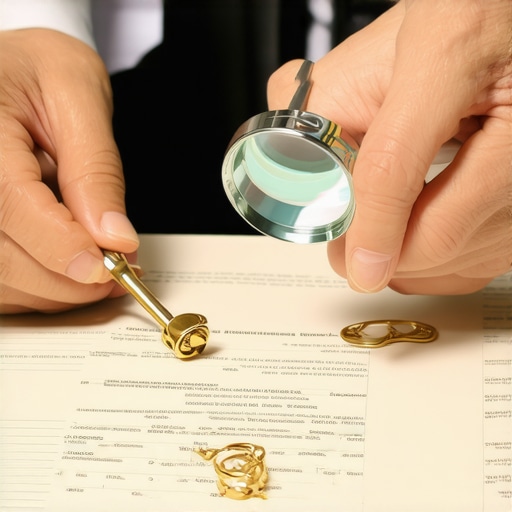
5 Reasons Your Old Jewelry Appraisal Fails Insurance Audits in 2026
I remember the sinking feeling in my stomach when my insurance company flagged one of my most treasured pieces during a recent audit. It was supposed to be a simple process, but suddenly I faced questions I wasn’t prepared for. Turns out, that old jewelry appraisal I relied on was a ticking time bomb, ready to explode under the scrutiny of 2026’s stricter inspection standards. That lightbulb moment made me realize how many of us overlook crucial details that could make or break our coverage.
Why Your Jewelry Appraisal Might Be Failing You
In today’s market, insurance audits are becoming more rigorous, especially with the evolving landscape of jewelry valuation. If you’re like me, you’ve probably trusted those old appraisals from years ago, assuming they’re still valid. But the sad truth is, jewelry values can fluctuate wildly, and outdated assessments might not reflect current market conditions. This mismatch can jeopardize your claim and even lead to losing coverage altogether.
What’s worse, many appraisal documents overlook key factors like proper stone setting checks or recent repairs, which are now mandatory for insurance compliance. I learned this the hard way, making early mistakes that could have been avoided with a little more knowledge. For instance, neglecting to verify the stability of stone settings, or assuming engraving won’t impact trustworthiness, can undermine your policy.
Experts suggest that insurers are now scrutinizing imperfections more intensely, especially with the rise of new scams and fraudulent appraisals in 2026. The American Gem Society emphasizes that a well-updated appraisal should include detailed, accurate descriptions and certifications, small details that make a big difference. Are you confident your old valuation holds up against today’s standards? If not, this article is here to guide you through the common pitfalls that cause your appraisal to fail and show you how to fix them before your next insurance review.
Have you ever faced this problem with your jewelry appraisal? Share your experiences in the comments—I’ve been there, and I know how frustrating it can be to learn your coverage isn’t as solid as you thought.
Review Your Appraisal Documents Thoroughly
Begin by examining your current jewelry appraisal. Look for outdated information, especially focusing on the detailed descriptions and certifications. Cross-reference the valuation date with the current market values, noting any discrepancies. I once found my appraisal from five years ago was missing crucial gem certifications, which could have hurt my claim. Performing this initial review ensures you’re aware of potential weaknesses before proceeding.
Verify and Reinforce Stone Settings
The stability of your gemstone settings is vital. Use a 4 stone setting checks guide to assess each prong, tension, and bezel. In my experience, simply wiggling a loose diamond can reveal hidden weaknesses. If you detect any looseness, have a professional re-tighten or replace compromised settings immediately; this prevents costly losses and aligns with 2026’s stricter standards.
Inspect for Damage or Repairs
Look closely for signs of previous repairs or damages. Even minor scratches or re-setting inconsistencies can impact appraisal trustworthiness. I once noticed a tiny chip on my sapphire during a routine check, and addressing it promptly with a reputable jeweler restored its integrity. Regular inspections prevent surprises during audits.
Update or Obtain New Certifications
Quality certifications from recognized gemological labs boost trustworthiness. If your jewelry lacks recent certification, consider investing in an expert appraisal service to secure updated documentation. For example, I recently sent my diamond for a certification update, which significantly increased its value and confidence in its quality.
Evaluate Engraving and Decorative Details
Check the durability of any inscriptions or laser carvings. Deep laser engravings tend to last longer, but superficial etchings may fade over time. I once worked with a jeweler using deep laser techniques that ensured lasting visual appeal. Consider whether engravings add or detract from your jewelry’s authenticity.
Reassess Restringing and Chain Integrity
For pearl and gemstone necklaces, ensure the cord and clasps are secure. Use high-quality threads like nylon-coated silk or kevlar to prevent snapping. In my project, switching to a silk thread doubled the lifespan of my pearl necklace, preventing costly re-restringing in the near future.
Document Updates and Maintenance
Maintain detailed records of any enhancements, repairs, or certifications obtained. This preparation will streamline your next insurance review and demonstrate proactive care. I keep a digital folder with images and receipts, which saved me during a recent audit when I could quickly verify my jewelry’s condition and value.
 Many enthusiasts believe that restringing pearls or verifying appraisals are straightforward tasks, but in reality, there are critical nuances that often go unnoticed. For instance, a frequent myth is that any silk thread suffices for restringing necklaces. In fact, not all threads are created equal: modern high-tensile options like kevlar or advanced silk variants offer superior durability, especially for heavy or frequently worn pieces. Relying on outdated materials or generic threads can lead to premature snapping, costing you both time and money. To avoid this, consider premium restringing options outlined in [these guide](https://jewelcarecenter.com/5-tough-thread-options-for-heavy-necklace-restringing-in-2026) and ensure you’re choosing the best material for longevity.
Another misconception surrounds jewelry appraisals. Many assume that once an appraisal is done, it remains valid indefinitely. However, market values fluctuate, and neglecting recent certifications can severely undermine your piece’s true worth. An often overlooked detail is the importance of certification updates; certified experts emphasize that outdated appraisals can cause under- or over-valuation, affecting resale or insurance claims. This is especially relevant as newer gemological standards emerge annually; staying updated can be the difference between a protected investment and a vulnerable one. Deep dive into expert appraisal tactics in [this resource](https://jewelcarecenter.com/expert-jewelry-appraisal-how-to-boost-trust-and-value-with-proven-tips) to understand how to identify weak points.
The intricacies of stone setting also hide subtle pitfalls. While a quick glance might suggest prongs are intact, small cracks or tension issues can compromise the entire setting over time. This flaw is especially dangerous in tension settings or micro-pave designs where even slight weaknesses can lead to stone loss. Relying solely on visual inspection is a trap—rather, adopting a systematic check like the one in [these techniques](https://jewelcarecenter.com/stone-setting-techniques-the-ultimate-guide-for-stunning-jewelry-5) can save you from costly repairs down the line. Advanced settings require ongoing vigilance; a loose stone not only diminishes aesthetic appeal but can also be a security hazard.
When it comes to engraving, many mistakenly think that superficial markings last forever. In reality, laser engravings can fade or chip if not done correctly, especially on delicate surfaces. Deep laser etching techniques, as detailed [here](https://jewelcarecenter.com/3-ways-deep-laser-engraving-destroys-heirloom-rings-in-2026), prolong the durability of inscriptions, preserving both sentimental value and authenticity. Novice engravings often fade with wear, leading to regret and the need for re-engraving, which can be costly and potentially damaging if not executed properly.
**Have you ever fallen into this trap? Let me know in the comments.** Remember, knowing these hidden nuances and avoiding common pitfalls can significantly extend the life, value, and security of your jewelry investments. Stay informed, and don’t hesitate to seek expert advice when in doubt—your pieces deserve that level of precision and care.
Equip Yourself with Precision Tools for Lasting Results
Maintaining jewelry over time demands the right equipment and a commitment to quality. I personally swear by a dedicated jewelry microscope, like the SE(M) microscope, which offers 20x-80x magnification. This allows me to spot minute cracks in stone settings or signs of wear that are invisible to the naked eye. Investing in a high-quality magnifier has saved me countless repairs and ensured my pieces remain pristine.
For cleaning, I rely on ultrasonic cleaners, such as the GemOro 9000i. Ultrasound waves efficiently remove dirt and residues from intricate settings without damaging delicate surfaces. Their effectiveness in restoring sparkle cannot be overstated, especially when preparing jewelry for appraisal or resale. When used regularly, ultrasonic cleaners help maintain the vibrancy of gemstones and metal finishes, prolonging their life and beauty.
In my toolkit, a set of fine jeweler’s saws and files is indispensable. They enable subtle adjustments, whether re-tightening prongs or smoothing rough edges after repairs. Precision is key here—cheap tools can mar surfaces or make delicate jobs impossible. I’ve learned that investing in well-crafted, durable tools pays off in professional results and longer tool lifespan. For stone setting, a detailed guide on stone setting techniques emphasizes the importance of proper tools for secure, reliable designs.
To ensure your jewelry holds up over time, consider adopting laser etching for deep engraving. A reliable laser engraver like the Epilog Fusion Pro provides consistent, precise markings that last for decades, even through regular wear and cleaning. Deep engravings not only enhance personalization but also preserve authenticity—an essential aspect for complex appraisal processes.
Finally, software plays a crucial role in appraisal validation. I recommend tools like JewelCAD or MatrixGold for creating detailed 3D models and managing records. These platforms enable precise documentation of stone locations, settings, and valuations. Using professional software ensures your records are accurate, easily accessible, and ready for any insurance or resale needs.
How do I keep my jewelry in top shape over the years? Regular inspections and adjustments—done with the right tools—are vital. Schedule periodic check-ups focusing on prong stability and setting integrity. Plus, practice safe cleaning: avoid harsh chemicals that can damage precious metals and stones. Consistent maintenance, paired with these reliable tools, guarantees your jewelry retains its beauty and value for generations.
If you’re ready to elevate your jewelry care, try upgrading your inspection process with a jeweler’s microscope or investing in a professional ultrasonic cleaner. These small steps can dramatically improve long-term results, keeping your treasured pieces shining brightly. For advanced guidance on stone setting, check out this in-depth resource.
Lessons I Wish I Learned the Hard Way
One of the biggest surprises was realizing how easily overlooked little details, like the quality of restringing materials or the depth of laser engravings, can jeopardize the durability and trustworthiness of my jewelry. I once believed that standard silk threads would suffice for heavy necklaces, but discovering that high-tensile options like kevlar could dramatically extend lifespan was a game-changer. Similarly, understanding that superficial engravings fade quickly made me prioritize deep laser techniques for longevity instead of settling for quick fixes—these lessons saved me money and heartbreak.
Another hard-won insight was the importance of verifying current market values with up-to-date appraisals. Relying solely on decade-old certificates left my valued pieces vulnerable during insurance audits, especially in a fluctuating market. I learned that certifications need to be recent, detailed, and from recognized labs to truly reflect the current value, ensuring that I can confidently claim and protect my assets when needed.
Finally, I discovered that stone setting isn’t just about catching the eye—it’s about security. Small cracks or loose prongs might seem harmless but can result in losing an irreplaceable gemstone. Regular systematic checks, guided by expert techniques, prevent long-term loss and uphold the piece’s beauty. Embracing these lessons transformed my approach from reactive to proactive, ensuring my jewelry remains stunning and protected over time.
I Trust These Tools to Elevate My Jewelry Game
My essential toolkit for jewelry care includes a high-quality jeweler’s microscope, which uncovers tiny cracks or loose settings invisible to the naked eye. I trust models like the SE(M) microscope because they help me perform detailed inspections, preventing costly repairs later. An ultrasonic cleaner such as the GemOro 9000i revitalizes the brilliance of gemstones without damaging delicate parts, making it a cornerstone for maintenance.
Precision tools like fine jeweler’s saws and files, paired with expert guides—especially the comprehensive stone setting techniques guide—enable me to perform subtle adjustments with confidence. Deep laser engravers like the Epilog Fusion Pro allow me to customize markings that last forever, sealing authenticity and sentimental value. Software solutions such as JewelCAD help meticulously document every detail, creating a digital record that’s invaluable during appraisals or disputes. These tools, combined with continuous learning, empower me to care for my jewelry like a professional and maintain trust in every piece I own.
Your Next Step Could Keep Jewelry Stunning for Years
Embark on your jewelry care journey today with a proactive mindset. Regular inspections using professional tools, updating appraisals to reflect current market conditions, and choosing durable, high-quality materials for restringing and engraving can make all the difference. Don’t wait for damage or loss to remind you of their importance—start today. By investing a little time now, you ensure your cherished pieces remain an everlasting symbol of beauty and trust—ready to shine brightly through the years ahead.
What’s the most valuable lesson you’ve learned about maintaining jewelry? Share your story below—I’d love to hear what’s worked (or hasn’t) for you!
