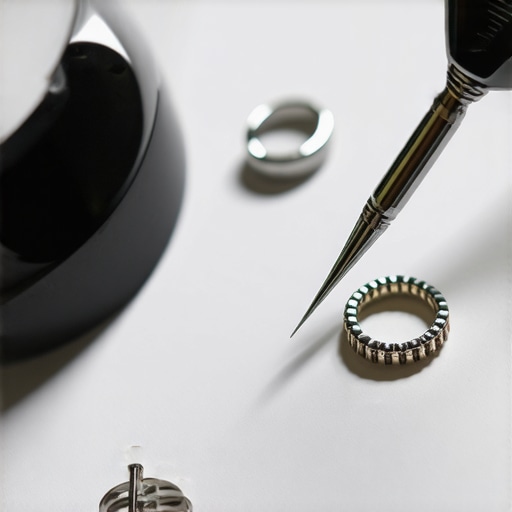
Expert Restringing & Engraving Strategies to Elevate Jewelry Results
Have you ever held a piece of jewelry in your hands, only to feel that sinking disappointment when a delicate chain breaks or an engraved message fades over time? I remember the moment I realized that even the most beautiful jewelry isn’t truly valuable until it’s expertly cared for and restored. That lightbulb moment changed everything for me. It’s not just about owning stunning pieces — it’s about maintaining and enhancing their beauty through the right techniques.
Why Mastering Restringing & Engraving Matters More Than Ever
In today’s fast-paced world, jewelry isn’t just ornamentation — it’s an expression of personality, a family heirloom, or a symbol of a milestone. But with frequent wear, even the most treasured items can suffer from wear and tear. Restringing and engraving aren’t just repair tasks; they’re art forms that can transform ordinary jewelry into extraordinary keepsakes. When done correctly, these techniques boost not only the appearance but also the trustworthiness of the jewelry, making it last for generations.
Earlier in my journey, I made a critical mistake — I underestimated the importance of precision in resourcing effective strategies. That oversight often led to damage or subpar results. Over time, I learned that mastering the nuances of stone setting, engraving, and restringing techniques
Prepare Your Workspace and Gather Tools
Start by setting up a clean, well-lit workspace with all necessary tools within reach. You will need jewelry pliers, a magnifying glass, a jeweler’s saw, engraving tools, a bead reamer, and replacement materials like cords or metal strips. I once attempted to restring a delicate pearl necklace without proper pliers, which resulted in a scratched pearl—always use the right tools to avoid damage.
Restringing: Rebuilding the Foundation
Select the Correct Materials
Choose a high-quality, durable cord or wire that matches the original or enhances the jewelry’s appearance. For instance, when I restringed a vintage charm bracelet, I opted for a silk thread to preserve its classic elegance. Make sure the thickness and strength are suitable for the weight of the jewelry.
Remove the Old String and Prepare the Clasp
Carefully cut and remove the old string using jewelry pliers, ensuring not to damage the beads or charms. Clean the clasp and attachment points thoroughly. I learned this the hard way when leftover adhesive from the old string caused the new string to slip; thorough cleaning is essential.
Thread the New Cord or Wire
Use a needle if necessary to thread the cord through tiny gaps. Ensure the string is pulled tight but not overstressed. When restringing a beaded necklace, I used a bead reamer to smooth the holes, which prevented fraying and ensured smooth movement.
Engraving: Personalizing Your Jewelry
Design Your Engraving
Sketch your design or message on paper first. For example, I once engraved a special date on a ring, which added sentimental value. Use a fine-tipped engraving tool and steady hands; practice on a scrap piece if needed.
Secure the Jewelry Piece
Clamp the jewelry in a vice or hold it firmly with jeweler’s pliers. Keep the engraving area steady to avoid slips. I once tried freehand engraving on a thin bracelet, which resulted in uneven lines—using a clamp stabilized my hand and improved accuracy.
Engrave with Precision
Engage the tool gently to carve the design, maintaining consistent pressure. Regularly check your progress. I recommend practicing on a spare piece to develop control before working on the actual jewelry.
Final Touches and Quality Check
Inspect the jewelry for any sharp edges or loose beads. Polish the surface gently with a soft cloth. I once forgot to remove a tiny burr from engraving, which could cause skin irritation—always check thoroughly.
By following these detailed steps, you ensure each repair or personalization enhances your jewelry’s beauty and longevity. Mastery of these techniques transforms simple repairs into artful craftsmanship, elevating your jewelry care skills and results.
While many enthusiasts and even seasoned jewelers understand the basics of resourcing effective strategies and engraving techniques, there are nuanced pitfalls that can compromise the integrity and beauty of your jewelry. Let’s dig deeper into what most people get wrong, especially when they believe they are doing everything right.
Myth: All Stringing Materials Are Equally Durable
Contrary to popular belief, not all cords or wires are created equal. Many assume that a simple nylon or silk thread will suffice for all jewelry pieces. However, each material has specific strengths and weaknesses. For example, silk is elegant but less resistant to moisture and fraying over time, which can lead to unexpected breakage. Using the right material for the specific jewelry ensures longevity. Skimping on quality or choosing the wrong material can cause premature failures, especially in high-stress pieces like long necklaces or charm bracelets.
Common Mistake: Overlooking the Importance of Proper Tension
Many people focus on the aesthetic aspect of restringing but neglect the critical detail of tension. Too tight, and the string or wire can cause stress on beads and fragile components; too loose, and the piece loses its shape and trustworthiness. Mastering tension control is an advanced skill that requires practice and precise tools. An excessively tight restringing can even crack or deform the beads or stones, which is an advanced mistake that often goes unnoticed until it’s too late.
Question: How can I ensure my tension is just right during restringing?
Using a calibrated tensioning device or practicing with scrap materials can significantly improve your control. Always test your tension on a small section before completing the entire piece. Remember, consistency in tension is what builds trust in the jewelry’s durability and appearance.
Another overlooked nuance is the quality of the tools used for engraving. Cheap or worn-out engraving tools can cause uneven lines or deep scratches that damage the jewelry’s surface and reduce its trustworthiness. Regularly inspecting and maintaining your tools is an advanced step that many neglect, leading to subpar results or even damage.
Furthermore, many underestimate the importance of practice and skill development. Engraving is an art that improves with time, patience, and proper technique. Rushing through a design can cause slips and uneven lines, compromising both beauty and trust. Dedicated practice, coupled with a solid understanding of the mechanics, elevates your craftsmanship to the expert level.
Finally, it’s crucial to recognize that every detail matters. From cleaning your workspace thoroughly to choosing the right tools, each step influences the final quality. Advanced mistakes often stem from neglecting these subtleties, which can be easily overlooked by beginners but have long-term consequences.
Have you ever fallen into this trap? Let me know in the comments. Remember, mastering these nuances not only enhances your skill but also ensures your jewelry remains a trusted symbol for years to come.
Keeping your jewelry in top condition requires more than just the right techniques; it also depends heavily on the tools you use and your maintenance routine. Investing in high-quality equipment not only improves your repair results but also extends the lifespan of your jewelry. Let’s explore some specific tools I personally rely on and how to maintain them for optimal performance.
My Recommended Tools for Jewelry Maintenance and Repair
One of the most versatile and essential tools I use is the Bead Reamer. Unlike generic alternatives, my preferred bead reamer features a precision-balanced handle and a variety of tips, allowing me to smooth out bead holes without damaging delicate surfaces. This tool is invaluable when restringing or cleaning tight spots, ensuring your jewelry remains pristine over time.
Another critical piece is the Jeweler’s Pliers Set. I always opt for a set that includes flat-nose, round-nose, and chain-nose pliers made from high-grade stainless steel. These provide the durability and control needed for delicate adjustments, such as bending wire or opening jump rings. Regularly inspecting and cleaning my pliers prevents corrosion and maintains their accuracy.
For engraving, I choose the Diamond Tip Engraving Pen. Unlike cheaper carbide tools, my diamond-tipped pen offers superior precision and longevity. Properly maintaining this tool involves cleaning it after each use with a soft brush and occasionally lubricating the moving parts, which keeps the tip sharp and prevents unnecessary wear.
Furthermore, I rely on a Calibrated Tensioning Device for restringing projects. This device helps me control the tension precisely, avoiding overstretching or slack. It’s an investment that pays off by ensuring consistent tension, which is crucial for the jewelry’s durability and appearance. Regular calibration checks keep it accurate, especially when working with fine threads or wires.
Long-Term Maintenance Tips for Your Tools
To ensure your tools remain effective over time, clean them after each use with a soft cloth and store them in a dedicated toolbox. Applying a light oil, such as WD-40, periodically to moving parts can prevent rust, especially if you work in humid environments. Sharpen your engraving tips with a diamond file every few months to maintain precision and avoid surface damage.
As trends evolve, I predict the integration of digital tools, like electronic tension meters and laser engravers, will become standard practice. These innovations improve accuracy and efficiency, allowing for more sophisticated designs and longer-lasting repairs.
Question: How do I maintain my jewelry repair tools over time?
Adopt a routine of cleaning, lubricating, and sharpening your tools regularly. For example, after restringing or engraving sessions, wipe tools with a lint-free cloth, apply a few drops of oil to hinges and moving parts, and store them in a dry, organized manner. This proactive approach keeps your tools performing at their best and ensures your jewelry repairs remain professional and durable.
Finally, always stay updated with the latest tool innovations and best practices by following industry experts and resources like this comprehensive guide. Investing in quality tools and proper maintenance not only enhances your craftsmanship but also builds trust with your clients and loved ones, ensuring your jewelry projects stand the test of time.
The Hardest Lesson I Learned About Jewelry Repair
One of the most profound lessons I encountered was realizing that not all restringing materials are created equal. Early on, I believed that a simple nylon or silk thread would serve all my jewelry needs, but I soon discovered that each piece demands a tailored approach. For example, vintage pieces often require silk for its elegance, but it’s less resistant to moisture, which can compromise long-term durability. This insight pushed me to research and select high-quality materials, understanding that quality directly influences trustworthiness and longevity.
3 Myths About Engraving That Held Me Back
Another deep insight was the myth that engraving is an easy skill anyone can master overnight. I learned that precision and patience are essential, and rushing often leads to uneven lines or surface damage. Practicing on scrap pieces before working on valuable jewelry was a game-changer. It taught me that mastering the nuances of engraving tools and maintaining steady hands is a journey, not a quick fix. This realization elevated my craftsmanship and boosted the trust I could instill in my work.
The Secret Most Experts Won’t Tell You About Tension Control
Perhaps the most overlooked aspect I uncovered was the importance of proper tension during restringing. I used to focus solely on aesthetics, neglecting how tension affects the integrity of the jewelry. Using a calibrated tensioning device transformed my process, helping me achieve consistent, durable results. This lesson underscored that technical control is just as vital as artistic skill, and investing in the right tools can make all the difference.
Curated Arsenal for Jewelry Repair Success
Over the years, I’ve come to rely on specific tools that have become indispensable. My bead reamer helps me smooth bead holes without damage, while my high-grade jeweler’s pliers set provides control for delicate adjustments. For engraving, my diamond-tipped engraving pen offers precision, especially when maintained properly. These tools, combined with ongoing practice, are the backbone of my craftsmanship.
Embrace the Journey: Your Turn to Shine
Remember, jewelry repair and personalization are art forms that require patience, practice, and the right mindset. Every small skill mastered adds to your confidence, transforming simple repairs into meaningful creations. No matter your current skill level, the key is to start—learn from mistakes, seek quality tools, and enjoy the process of elevating your jewelry care. Your jewelry is a reflection of your dedication and artistry—make it last and shine brighter every day.
What’s the biggest challenge you’ve faced in jewelry restringing or engraving? Share your story in the comments below and let’s grow together!

This post really resonated with me, especially the emphasis on the importance of quality tools and techniques in preserving jewelry. I’ve found that even small details, like using the right tension during restringing, make a huge difference in the longevity of pieces, particularly when working with delicate beads or vintage items. One thing I learned the hard way was how improper cleaning or pruning corners on tools can lead to uneven engravings or damage. Regularly maintaining your equipment isn’t just a professional tip—it’s essential for producing consistent, high-quality results. I’m curious, has anyone experimented with this digital tensioning device I read about recently? I wonder how much it could improve my workflow compared to manual control. Also, what’s your go-to method for testing the tension before restringing the entire piece? I’d love to hear tips from seasoned jewelers on mastering this nuanced skill! Keeping tools in top shape and practicing patience are definitely keys for anyone serious about elevating their jewelry craftsmanship.
This post really highlights the delicate balance needed in jewelry repair—accuracy in restringing and engraving can truly make or break a piece. I’ve often underestimated the importance of tension control myself, especially when restringing long necklaces; it can be surprisingly tricky to keep consistent tension without specialized tools. I began using a simple tension guide that clips onto the thread, which significantly improved my results. Also, I found that practicing on inexpensive beads before working on cherished pieces helps build confidence.
An interesting point you made about maintaining tools resonated with me — I always aim to clean and inspect my pliers and engraving tools regularly, but I never considered lubricating them like I do with my sewing or woodworking tools. This extra step has noticeably extended their lifespan.
What do others do to develop a steady hand for engraving? Do you have any exercises or tips that helped you improve this skill? I believe that consistent practice combined with proper tool maintenance is the secret to elevating craftsmanship and ensuring jewelry lasts for generations.
This article hits close to home for me. I’ve learned that the key to long-lasting jewelry isn’t just about expensive materials but also the meticulous care and skilled techniques involved. I particularly agree with the importance of tension control during restringing; even slight inconsistencies can cause future problems down the line. I started using a simple tension gauge, and it’s made a noticeable difference in the durability of my repairs. Moreover, maintaining my tools regularly, especially my engraving pen and pliers, has helped me avoid damage and achieve cleaner results. I’m curious: have any of you experimented with digital tensioning devices or other advanced tools? Do they genuinely improve your workflow and consistency? Lastly, I’d love to hear your tips for testing and ensuring proper tension before fully restringing a piece. This small step can prevent so many headaches later. Practicing patience and regular maintenance truly seem to be the backbone of more professional, trustworthy jewelry repairs.
This post really hit home for me. I’ve recently started paying more attention to the tiny details in my repair work, especially tension control during restringing, and it’s made a noticeable difference. I used to rely on eyeballing the tension, but I found that even slight inconsistencies could lead to issues down the line, like beads cracking or the piece losing its shape. After investing in a calibrated tensioning device, my workflow became much more precise, and the results are much more durable. Regular maintenance of my tools, especially the engraving pen and pliers, also plays a huge role in quality. For anyone looking to improve their craftsmanship, I recommend practicing on scrap materials to get a feel for tension and steadying your hand during engraving. Does anyone use digital tension meters? How effective have they found them in day-to-day repairs? I’d love to hear more about different tools and techniques that help maintain consistency and prevent common mistakes.
I really appreciated this in-depth exploration of the fine details in jewelry repair. One thing that stood out for me is how crucial consistent tension is, especially when working with delicate beads or fragile metals. I’ve found that using a small, calibrated tension tool makes a world of difference in producing uniform results, but I also wonder—what are your thoughts on integrating digital tension meters into regular workflow? Do they truly provide a noticeable edge over manual methods? Personally, I’ve experimented with both, and while digital tools are more precise, I think mastering manual control through practice is just as important. I’d love to hear if others have tried incorporating such tech and how it impacted their craftsmanship. It’s clear that the foundation of good jewelry repair combines the right tools, consistent technique, and patience, and I’m eager to learn if others have insights or tips on sharpening these skills further.