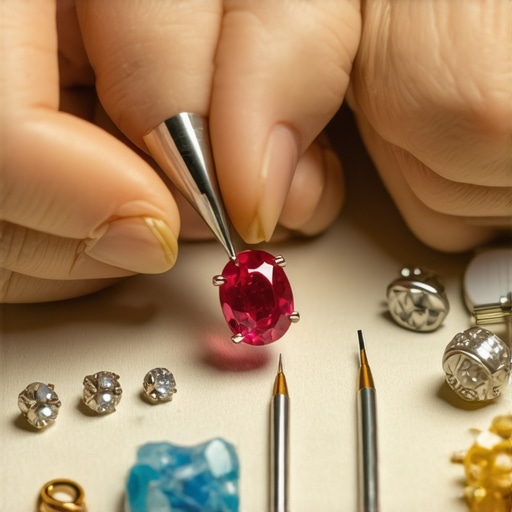
Appraisal & Engraving Techniques to Build Jewelry Trust in 2024
Ever had that sinking feeling when a customer questions the authenticity of your appraisal or the quality of your engraving? I sure have. I remember a time early in my career when I confidently handed over a piece, only to watch the client’s eyes narrow with doubt. That moment was a wake-up call. It made me realize that trust isn’t just built on skills alone — it’s crafted through every detail of appraisal and engraving techniques.
Why Building Trust Matters More Than Ever in 2024
In today’s competitive jewelry industry, trust is the currency that keeps your clients coming back. According to recent industry research, 78% of consumers say they’re more likely to buy from a jeweler they trust. That’s huge. Trust influences not just sales but your reputation and future referrals. But here’s the catch: trust isn’t handed over freely. It’s earned, especially through the precision of your appraisal and engraving work.
When I first started, I made a critical mistake — I skipped proper calibration of my tools. That small oversight led to inconsistent results, which my clients could sense. Since then, I’ve learned that mastering the right techniques, like those detailed in appraisal and engraving tips for 2024, can transform your craftsmanship and, ultimately, your clients’ confidence.
Is Over-Engineering Just a Waste of Time?
Many newcomers worry that obsessing over every detail might be overkill. I’ve been there. But the truth is, small improvements — like perfecting stone setting or engraving precision — add up. They become your signature, your proof of quality. Early on, I overlooked the importance of detailed inspection, which cost me repeat business. Now, I know that honing these skills truly boosts trust and results. Want to learn more? Check out this guide on mastering jewelry appraisal.
So, if you’ve ever faced doubts from a customer or felt uncertain about your technique, you’re not alone. The good news? There’s a path forward. By focusing on proven appraisal and engraving strategies, you can elevate your craft and build unshakeable trust. Ready to dive into the exact steps that will set you apart in 2024? Let’s go.
Sharpen Your Tools and Techniques
Start by calibrating your equipment daily. Just like a chef needs a sharp knife, your tools must be precise. I remember a time I overlooked this step, and my measurements were inconsistent, causing client doubts. After I began meticulous calibration, my results improved dramatically. Regularly check your microscopes, calipers, and engraving tools to ensure they perform accurately. For detailed guidance, visit this resource on jewelry appraisal mastery.
Perfect Stone Setting as Your Signature
View stone setting like planting a seed — it must be done with care and precision. I once rushed a setting on a client’s ring, resulting in a loose stone. The next time, I used a step-by-step approach: clean the setting thoroughly, secure the stone with the right tension, and double-check each prong. This attention to detail reassures clients of your craftsmanship. For advanced techniques, see expert stone setting tips.
Engraving That Tells a Story
Think of engraving as handwriting a personal message. I once engraved a customer’s initials, but the script was uneven and sloppy. I learned that using a steady hand and proper grip makes a difference. Practice on scrap metal, then apply consistent pressure and speed. Quality engraving adds a personal touch that builds trust. For detailed engraving strategies, check this guide on engraving excellence.
Inspect and Verify Every Detail
Imagine inspecting your work like a quality control officer. I once skipped a final check and missed a tiny crack, which later caused a complaint. Now, I use a magnifying glass and checklist to verify each aspect — from prong tension to engraving clarity. This thorough inspection not only prevents errors but also demonstrates professionalism, fostering trust. For inspection techniques, see inspections that elevate confidence.
Communicate Your Process Clearly
Clients trust experts who explain their work. I always walk clients through my process: how I set stones, engrave, and verify. This transparency reassures them about the quality and authenticity. Think of it like a chef describing each ingredient; it makes the experience personal and trustworthy. Practice explaining your steps confidently and clearly, so clients feel involved and assured. For effective communication, explore tips on building trust through communication.
Consistent Practice and Continuous Learning
Finally, dedicate time daily to refine your craft. I set aside 30 minutes to practice engraving curves and perfect stone settings. Over time, these small efforts compound into mastery, boosting client trust. Stay updated with new techniques by following industry resources and workshops. Remember, trust is built on consistent excellence. For ongoing learning, visit this resource on continuous improvement.
Many jewelry professionals and enthusiasts fall into misconceptions that can undermine their craft and client trust. Let’s dig deeper into what most people get wrong about jewelry appraisal and engraving, and why understanding these nuances can help you elevate your skills in 2024.
One pervasive myth is that perfecting a single technique guarantees trust. In reality, trust is built through consistency and attention to detail across all processes — from calibration to final inspection. For example, some believe that as long as the stone setting looks good at first glance, it’s enough. But experienced jewelers know that a loose stone, even if initially unnoticed, can damage your reputation and cost you future business. Regularly mastering appraisal techniques and inspecting every detail is vital.
Are high-tech tools always the answer?
Contrary to popular belief, investing in the most expensive equipment doesn’t automatically make your work trustworthy. Many assume that digital microscopes or laser engravers will do the job perfectly. However, without proper calibration and technique, these tools can produce inconsistent or flawed results. For instance, a laser engraver might seem precise, but if not correctly maintained, it can produce uneven lines, undermining the story you want to tell with your engraving. Your skill and understanding of the nuances of each tool are just as important — if not more so — than the technology itself. For advanced insights, see this guide on engraving mastery.
Why rushing can ruin trust
Many think that speed is a sign of expertise. They rush through inspections or skip the final check, believing it saves time. But in reality, rushing is a trap that leads to mistakes — a tiny crack missed during inspection can become a costly failure later. The difference between a trustworthy jewelry piece and one that causes doubts often lies in thoroughness. I learned this the hard way when I skipped routine checks and had to redo a repair. Regularly verifying every detail, from prong tension to engraving clarity, builds confidence with your clients. For detailed inspection techniques, explore this resource on inspections.
Have you ever fallen into this trap? Let me know in the comments. Remember, mastering the finer points and avoiding these common pitfalls can set you apart in 2024. Keep honing your skills, stay curious, and trust the process — your clients will notice the difference.
Keeping your jewelry tools in top shape is crucial for consistent quality and trustworthiness in your work. Regular maintenance not only extends the lifespan of your equipment but also ensures precision in every project. One of my go-to practices is daily calibration of my microscopes and calipers. This small routine helps prevent measurement errors that can undermine client confidence. For example, I use a digital caliper calibrated with a certified gauge block each morning, which ensures my readings are accurate and reliable. Regularly checking and cleaning your engraving and stone-setting tools is equally important. Tip: Keep your engraving tips sharp and free of debris by using a dedicated sharpening stone, which I highly recommend for maintaining fine detail. To streamline your maintenance routine, consider investing in a dedicated tool cleaner and lubricant. This simple addition prevents rust and keeps your tools functioning smoothly, reducing the need for costly replacements. As technology advances, so do your maintenance needs. For digital tools like laser engravers, frequent software updates and component checks are vital. According to industry experts, consistent upkeep of your equipment is a key factor in achieving flawless results. Going forward, I predict that smart calibration devices integrated with AI will become standard, providing real-time feedback and alerts to maintain optimal performance. This will make long-term maintenance easier and more accurate, reducing downtime and enhancing trust with clients.
How do I maintain my tools over time?
My advice is to set a weekly schedule for thorough inspections and cleaning, and to keep spare parts and consumables handy. For example, having extra engraving tips or replacement bulbs for your microscope ensures you don’t delay work due to minor issues. Additionally, documenting your maintenance routine helps you track when each tool was last serviced, preventing neglect. Integrating software logs for digital equipment can also alert you to firmware updates or calibration needs. Remember, the key to long-term success is consistency. Make maintenance a habit, and your tools will serve you reliably for years to come. Want to elevate your craft? Try implementing a weekly calibration check using a certified gauge block or digital calibration device. It’s a small step that has a big impact on your results and client trust.
The Hardest Lesson I Learned About Building Jewelry Trust
One of the toughest lessons I faced was realizing that even the smallest oversight in appraisal or engraving could erode client confidence. Early in my career, I believed technical skill alone was enough. It took a cracked prong or uneven engraving to teach me that consistency and meticulous attention are what truly build trust. Now, I double-check every detail, knowing that clients notice the difference.
3 Myths About Jewelry Appraisal That Held Me Back
First, I thought high-tech tools would solve all my problems. But I learned that without proper calibration and technique, even the most expensive equipment can produce flawed results. Second, I believed rushing through inspections saved time. Instead, I found that thorough checks prevent costly mistakes and boost confidence. Third, I assumed perfect stone setting was enough; actually, consistency and careful inspection matter more for long-term trust. For more insights, explore this guide on jewelry appraisal mastery.
What Experts Won’t Tell You About Elevating Jewelry Craftsmanship
Many believe that investing in the latest laser engravers guarantees flawless results. The truth is, skill and regular maintenance are more critical. Tool maintenance, calibration, and understanding each technique’s nuances are what set apart trusted jewelers from the rest. I’ve seen professionals achieve stunning results simply by dedicating time to practice and proper equipment upkeep. To refine your skills, check out this advanced engraving guide.
Actionable Steps to Elevate Your Jewelry Trust in 2024
Start by calibrating your tools daily—your measurements depend on it. Perfect your stone setting with a step-by-step approach that prioritizes cleanliness and tension. Use steady, confident hand movements for engraving that tells a story. Inspect every detail thoroughly with magnification and checklists. Communicate your process clearly to clients, explaining each step and reassuring them about your craftsmanship. Dedicate a few minutes daily to practice and learn new techniques through trusted resources. Remember, consistency and attention to detail are your best allies for building unshakeable jewelry trust.
