Restringing & Engraving Expert Tips for Jewelry Trust | 2024
Ever had a piece of jewelry slip out of your hands and land with a sickening thud on the floor? Or felt that sinking feeling when a cherished necklace suddenly breaks, leaving you frustrated and unsure where to turn? I’ve been there, too. Those moments of uncertainty can make even the most seasoned jewelry enthusiasts question their skills. But here’s the truth: with the right knowledge and tools, you can turn these mishaps into opportunities for stunning results and renewed trust in your jewelry.
Why Trust Matters More Than Ever in Jewelry Repairs
In 2024, the importance of trust in jewelry repairs and custom work is skyrocketing. Customers want assurance that their precious pieces are in expert hands — not just to look beautiful but to last. A tiny mistake, like overlooking the right setting technique or rushing through a restringing, can diminish that trust and even damage the piece beyond repair. That’s why mastering key skills like stone setting and restringing is crucial for anyone serious about elevating their craft.
Early in my journey, I made a classic mistake—rushing through a restringing job without properly securing the clasp. The result? A customer’s necklace came apart after just a few wears. That experience taught me a vital lesson: attention to detail and understanding the nuances of each repair build lasting trust and confidence. If you’ve ever faced a similar stumble, you’re not alone. But the good news is, these mistakes are stepping stones that lead to mastery.
Is Jewelry Repair and Engraving Really Worth the Effort?
Absolutely. Think about it—each repair or engraving is a chance to demonstrate your expertise and care. When you get it right, clients return, confident in your skills. When you cut corners, trust erodes. That’s why investing time in honing techniques like engraving and stone setting tips for 2024 can make all the difference. According to industry expert reports, proper craftsmanship boosts customer confidence and increases referrals—a true win-win.
So, if you’ve ever been frustrated by a failed repair or worried that your skills aren’t enough, I invite you to stick around. We’ll explore practical, proven strategies that will help you turn every piece into a shining testament of trust and quality. Ready to elevate your jewelry game? Let’s dive into the essentials that will transform your approach and results.
Secure Every Knot and Stitch
Start by selecting the right stringing material—be it silk, nylon, or beading wire—based on the jewelry piece and its use. When I restringed a delicate pearl necklace, I initially chose a cheap nylon thread, but it snapped after a week. Switching to a high-quality silk thread and double-knotting each link with a dab of jewelry cement transformed the durability. Always ensure the knots are tight, uniform, and hidden beneath the beads or settings. Practice makes perfect—so take a scrap piece and master your knot technique before working on valuable pieces.
Use the Correct Tools for a Tight Fit
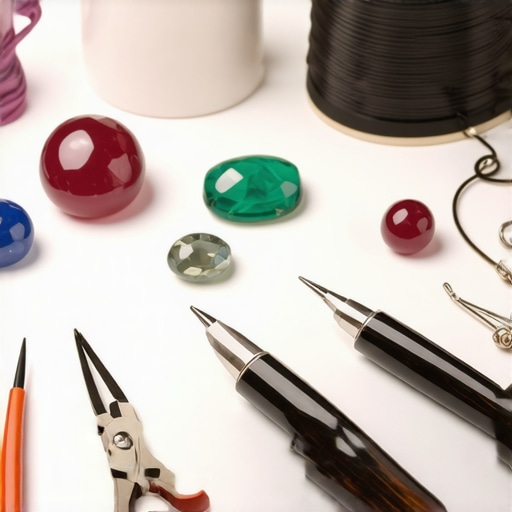
Invest in a good beading needle, pliers, and magnification tools. I once struggled to get a tiny clasp onto a thin wire, causing frustration and a scratched finish. Using a fine needle to thread through small holes and pliers to gently crimp or secure components makes all the difference. Remember, a secure clasp relies on consistent tension and proper crimping—akin to tightening a bolt on a bike. For specific techniques, check out restringing and stone setting techniques.
Precision in Engraving Boosts Confidence
When engraving, precision begins with a steady hand and proper setup. Clamp the piece securely in a jeweler’s vice, and use a fine bur or engraving pen. I once engraved a custom message on a ring, but initial attempts looked uneven. By adjusting the depth and angle of the tool, and practicing on a scrap, I achieved a crisp, professional look. Always work in a well-lit environment and take your time—rushing results in mistakes. For expert guidance, explore engraving tips for 2024.
Master the Art of Consistent Depth
Depth control is crucial for engraved text or designs. Use a depth gauge or set your engraving tool to a specific depth. I once over-engraved a piece, causing the metal to weaken, which led to a breakage. Practicing on scrap metal helps you gauge the right depth, so your engravings are both attractive and durable. Remember, consistent depth enhances the overall trustworthiness of your custom work, aligning with expert engraving techniques.
Double Check Every Detail
Before finalizing a repair or engraving, review every knot, setting, and line. Use a jeweler’s loupe to inspect for weak points or uneven work. I once missed a loose knot, which almost caused a customer’s necklace to unravel. A second inspection caught the flaw, allowing me to reinforce it. This step might seem simple, but it’s where trust is cemented. Precision and thoroughness are your best allies in building confidence with clients.
Many jewelry enthusiasts and even seasoned professionals fall into misconceptions about jewelry repair that can lead to costly mistakes. Let’s dig deeper into some of the most widespread myths that might be sabotaging your efforts and how to avoid them.
Believing All That Glitters Is Easy to Fix
One common misconception is thinking that any jewelry piece can be repaired with basic tools or simple techniques. In reality, intricate designs, delicate settings, or vintage pieces require advanced skills and specialized equipment. Overlooking this can cause further damage or devalue the item. For example, attempting to re-set a gemstone without proper knowledge can result in loose stones or cracks. Investing in advanced techniques like expert stone setting and engraving is crucial for high-quality repairs.
Myth: You Can Skip the Inspection Step
Many underestimate the importance of thorough inspection before and after a repair. This is a trap—skipping this step can lead to overlooked weak points, loose settings, or imperfect finishes that compromise the piece’s durability. A simple review with a jeweler’s loupe can catch issues early, preventing customer complaints and boosting trust. Remember, even small details such as knots or clasps can make a significant difference in overall reliability. For guidance, see expert inspection techniques.
What Advanced Repair Can Teach You About Nuance
An often-overlooked aspect is the importance of understanding the material composition and construction of each piece. For instance, repairs on platinum require different handling than gold or silver. Knowing how to adjust your approach based on the metal’s properties is key. Additionally, mastering mastering stone setting and restringing techniques allows you to resolve issues that beginners might consider impossible. This nuanced understanding prevents common mistakes like over-tightening or damaging delicate settings, fostering greater confidence and trust in your work.
Have you ever fallen into this trap? Let me know in the comments.
Keeping your jewelry repair tools in top condition is crucial for achieving professional results and maintaining trust with your clients. Over time, even the best equipment can become dull or misaligned, leading to subpar craftsmanship and potential damage to delicate pieces. Investing in proper maintenance routines and knowing which tools to rely on can extend their lifespan and ensure your work remains precise and reliable.
How do I maintain my jewelry repair tools over time?
Regular cleaning is the foundation of tool maintenance. For metal tools like pliers, cutters, and files, wipe them down with a soft cloth after each use to remove debris and oils. Periodically, use a gentle solvent or specialized cleaning solution to remove any residue that could affect their performance. For example, I recommend using a jewelry-specific cleaner to keep fine tools like engraving pens and burs in pristine condition. Additionally, lubricate moving parts with a light machine oil to prevent rust and ensure smooth operation. Proper storage, such as keeping tools in a padded case or dedicated drawer, prevents accidental damage and corrosion.
Sharpening is another key aspect—dull tools compromise precision and can cause damage to delicate settings. Use a fine sharpening stone or a dedicated grinder designed for jewelry tools to maintain sharp edges. For instance, I routinely sharpen my prying and cutting tools using a diamond grit sharpening stone, which provides consistent, clean edges essential for fine work.
Advanced tip: Invest in a UV sterilizer for your workspace
With hygiene being more important than ever, a UV sterilizer can help keep your tools and workspace free of bacteria and contaminants, especially when working with multiple clients or vintage pieces. These sterilizers are quick, effective, and preserve the integrity of your tools. As the trend toward health-conscious craftsmanship grows, incorporating sterilization routines can boost your professionalism and client confidence.
Looking ahead, the integration of smart tools with digital calibration and maintenance reminders will likely become standard. Imagine a plier that signals when it needs sharpening or cleaning—saving you time and ensuring optimum performance. Staying updated with such innovations will help you keep your tools working seamlessly for years to come.
Why is consistent tool maintenance vital for long-term success?
Consistent maintenance not only prolongs the life of your tools but also ensures that your craftsmanship remains consistent. Precision and reliability are the cornerstones of trust, especially when performing intricate repairs like stone setting or engraving. When your tools are in peak condition, you can confidently take on challenging projects, knowing that the quality will meet your standards and build your reputation.
So, why not pick one tool today—perhaps your engraving pen or pliers—and dedicate a few minutes to proper cleaning and sharpening? This small step can significantly impact your results and client satisfaction, turning everyday maintenance into a powerful practice for professional excellence.
The Hardest Lesson I Learned About Jewelry Craftsmanship
Early in my career, I underestimated the importance of thorough inspection after each repair. One time, I missed a loose knot that almost caused a necklace to unravel, teaching me that even small details can make or break customer trust. Now, I always double-check every stitch and setting, knowing that meticulousness is the backbone of reliable jewelry craftsmanship.
3 Myths About Jewelry Repair That Held Me Back
One common misconception was believing all jewelry could be fixed with basic tools. But vintage or intricate pieces demand specialized skills and equipment. Investing in advanced techniques like expert stone setting and engraving has transformed my results and confidence, preventing costly mistakes and enhancing trust.
The Unexpected Power of Material Knowledge
Understanding the unique properties of materials—like platinum versus gold—has been a game-changer. Approaching each repair with this nuanced knowledge helps avoid over-tightening or damaging delicate settings. Mastering stone setting and restringing techniques tailored to each metal has significantly elevated my craftsmanship and client trust.
Curated Gems for Every Jewelry Enthusiast
My essential toolkit includes high-quality pliers, a jeweler’s loupe, and a fine engraving pen. These tools ensure precision and durability. I also trust books like “The Ultimate Guide to Jewelry Appraisal and Stone Setting” for their comprehensive insights. Lastly, staying updated with industry blogs helps me learn about new techniques and tools, keeping my skills sharp and trustworthy.
Your Turn to Shine Brightly in Jewelry Repairs
Every repair or engraving is an opportunity to showcase your expertise and build lasting trust. With dedication and the right knowledge, you can turn every challenge into a testament of quality. So, are you ready to elevate your jewelry repair game in 2024 and beyond? Remember, mastery begins with practice and confidence—your clients will feel it too.
Have you ever struggled with a specific repair step? Let me know below, and let’s grow together in our jewelry craft journey!
,

This post really resonated with me, especially the part about the importance of thorough inspection before and after repairs. I once missed a small crack in a vintage ring because I was in a rush, and it ended up cracking further after a few wears. That experience really reinforced the value of patience and detailed checks. I also agree with the emphasis on proper tool maintenance—dull or misaligned tools can seriously compromise work quality and trust. I’ve started investing time in regular cleaning and sharpening of my tools, and it’s made a noticeable difference.
One question I have is, at what point do you decide to upgrade or replace your tools? Do you have a routine or signs you look for to know it’s time for a new set? Would love to hear how others manage their toolkit to maintain high standards and consistency in their work! It’s all about building that confidence and trust with clients, right? Great insights here, and I look forward to implementing some of these tips.
This post hits so many key points I’ve learned through my own experience. I once tried to fix a delicate vintage bracelet without proper tools or thorough inspection, and sadly, I ended up causing more damage. It’s a reminder that patience and the right techniques are essential, especially with complex pieces. I also found that investing in quality tools and maintaining them diligently makes a huge difference—I now dedicate a few minutes each week to cleaning and sharpening my pliers and engraving tools. Has anyone experimented with different storage solutions or sterilization methods for their tools? I’ve been considering a UV sterilizer to keep everything pristine and free of contaminants, especially since I work with vintage jewelry which can carry bacteria. I’d love to hear what others do to keep their toolkit in top shape and how that impacts their work quality and client trust. It’s incredible how small habits, like double-checking every detail or maintaining tools, build that professional integrity we strive for.
Reading this post really made me reflect on how often I underestimate the importance of a thorough inspection after completing a repair. A few months ago, I worked on a vintage gold chain with a delicate clasp. I was confident in my work but didn’t double-check everything under magnification. A week later, the clasp failed during a client’s wear, causing some embarrassment and a loss of trust. Since then, I’ve adopted a habit of inspecting every detail meticulously before handing over the piece, and it has significantly improved my client relations.
The emphasis on tool maintenance really resonated with me as well. I’ve found that dull pliers and neglected sharpening can cause more damage than good, especially on fine settings. I’m curious, what’s everyone’s routine for when to replace or upgrade tools? Do you have particular signs you look for? It’s an ongoing challenge to keep everything in top shape, but I believe it reflects directly in the quality of work and the confidence clients develop in us. Would love to hear more strategies from others trying to maintain high standards.