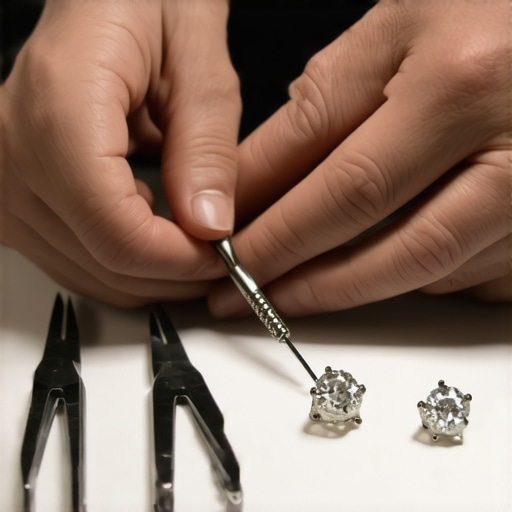
Engraving & Restringing Tips to Build Jewelry Trust in 2024
Ever had that sinking feeling when a customer picks up a freshly repaired necklace, only to find the clasp loose or the engraving smudged? I know I have. There was a time when I thought I could wing it, trusting my instincts instead of solid techniques. That mistake cost me trust—and a few clients. It wasn’t until I realized that the details—like perfect engraving or secure restringing—are what truly build confidence in jewelry repair. And let’s be honest, in 2024, trust is everything. Customers want to feel secure that their treasured pieces will last, not just look good in the moment.
Why Building Jewelry Trust Should Be Your Top Priority
In the world of jewelry repair and custom work, trust isn’t a bonus—it’s the foundation. When a customer hands over their beloved necklace or ring, they’re putting more than just their valuables in your hands; they’re trusting your skill, integrity, and attention to detail. If you mess up, even once, reputation damage can be swift and lasting. That’s why mastering techniques like engraving and restringing isn’t just about aesthetics; it’s about creating a reliable experience that makes customers come back and recommend you.
Have you ever faced a situation where a repair failed, and trust was broken?
If you’re nodding yes, you’re not alone. Early in my career, I made a crucial mistake: I rushed through restringing a delicate pearl necklace without checking the knot security thoroughly. The result? A necklace that looked beautiful but fell apart after just a few wears. That experience taught me the importance of meticulous work and understanding the nuances of jewelry repair. For more insights into building confidence through expert techniques, check out this comprehensive guide.
Today, I’ll share practical steps that can help you elevate your skills—from engraving to restringing—so you can foster trust and keep your clients happy and loyal. Ready to turn mistakes into mastery? Let’s dive into the core techniques that make a difference.
Secure Every Knot and Seam
Start with restringing by meticulously checking the knot security in each pearl or bead. I remember a time I rushed a restringing job, only to see the necklace fall apart during a customer visit. After that, I adopted a step-by-step knotting process, ensuring each knot is tight and secure before moving to the next. Using high-quality silk or nylon thread and a precision knotting tool can make a significant difference, boosting your reliability and customer confidence. For detailed methods, explore this guide.
Precision in Engraving
When engraving, consistency and depth are key. I once attempted an intricate design on a ring and initially went too fast, resulting in uneven lines. I learned to apply steady, even pressure and to use the right engraving tools for different materials. Practice on scrap pieces first to perfect your technique. Remember, a clean, precise engraving speaks volumes about your professionalism, fostering trust. For advanced tips, check this resource.
Upgrade Your Tools for Better Results
Invest in quality tools tailored for each task. For restringing, a good knotting needle and high-quality thread reduce mistakes. For engraving, a precision rotary tool with variable speed helps achieve finer details. I once upgraded my tools, and the improvement was noticeable—fewer errors, faster work, and happier clients. Better tools not only improve your craftsmanship but also demonstrate your commitment to quality, which deepens customer trust. Learn more about top tools at this page.
Consistent Quality Checks
Always double-check your work before delivering. In a past project, I noticed a tiny flaw in my engraving after I thought I was done. Taking the extra five minutes to review and correct small mistakes saved me from future complaints. Implement a checklist for every repair or customization, covering security, aesthetics, and durability. This habit ensures your work meets high standards, reinforcing trust with every piece. For more detailed inspection techniques, see this article.
Document Your Process for Transparency
Share your process with clients through photos or explanations. I once showed a customer a series of images of their jewelry being repaired, from initial assessment to finishing touches. This transparency built confidence, as they saw the care and skill involved. Consider keeping records of your work and sharing progress updates—this openness helps clients appreciate your expertise and fosters loyalty. For strategies on building trust with documentation, visit this resource.
Many jewelry repair professionals and enthusiasts fall prey to misconceptions that can undermine their craftsmanship and erode customer trust. Let’s dig deeper into some of the most pervasive myths and uncover the subtle nuances that can make or break your results.
Why the Popularity of DIY Repair Can Be Misleading
Everyone loves a quick fix, and the internet is full of DIY tutorials promising instant success. However, these often overlook the complexities involved in high-quality jewelry repair. For example, attempting to re-engrave or restring jewelry without proper tools and experience can lead to irreversible damage. Skilled artisans know that patience, precision, and the right equipment are essential—something that cannot be substituted by shortcuts. For advanced techniques that help you refine your skills and avoid common pitfalls, explore this comprehensive guide.
The Trap of Overconfidence in Material Compatibility
A frequent mistake is assuming that all materials react the same way during repair. For instance, many believe that standard soldering techniques work equally well on gold, platinum, and silver. In reality, each metal has unique properties requiring specific heat controls and alloy considerations. Overlooking these nuances can cause discoloration, weak joints, or even breakage. Knowing the subtle differences and adjusting your approach accordingly is vital for durable, trustworthy results. Want to deepen your understanding? Check out this resource.
How can I ensure my engraving is both precise and durable over time?
This question highlights an advanced concern many overlook. It’s not just about making the design look good in the moment; durability depends on applying consistent pressure, selecting the proper engraving tools, and understanding material hardness. Practicing on scrap pieces and gradually increasing complexity can help refine your technique. Moreover, using the right depth and avoiding superficial engraving prevents wear and tear. For expert tips on elevating your engraving quality, visit this page.
Beware of the Hidden Costs of Using Low-Quality Tools
While it might be tempting to save money upfront, cheap tools often lead to mistakes, rework, and compromised safety. For example, a cheap knotting needle might bend or break during restringing, risking damage to the delicate beads or pearls. Investing in high-quality, specialized tools pays off by improving precision, reducing errors, and building customer confidence. Remember, craftsmanship and trust are built on the foundation of reliable equipment. Learn more about essential tools at this page.
Common Mistakes in Quality Checks That Hurt Your Reputation
Skipping thorough inspections can lead to overlooked flaws, such as tiny scratches or loose settings, which damage your reputation. Always develop a checklist that includes security, aesthetics, and durability. Take the time to review each piece meticulously before handing it over. This extra step demonstrates your commitment to quality and reassures clients of your professionalism. For more detailed inspection strategies, see this article.
Understanding and addressing these hidden nuances will help you elevate your craft, avoid costly mistakes, and foster lasting trust with your clients. Have you ever fallen into this trap? Let me know in the comments.
Keeping your jewelry repair tools in top shape is crucial for delivering consistent, high-quality results that foster trust with your clients. Investing in the right equipment and maintaining it properly extends the lifespan of your tools, reduces errors, and ultimately enhances your craftsmanship. Let’s explore some of the essential tools I recommend and how to keep them working seamlessly over time.
Choose Precision-Driven Tools for Reliable Results
The backbone of any jewelry repair workshop is precision tools designed specifically for delicate work. For example, I swear by my Jewelers’ Micromotor, equipped with variable speed control. This allows me to adjust the power precisely when engraving or polishing, preventing accidental damage. Similarly, my Kumihimo Bead Needle ensures secure restringing, especially with fragile beads, reducing the risk of breakage during work. Using high-quality, dedicated tools minimizes mistakes and boosts your confidence in every piece you deliver.
Regularly Service and Calibrate Your Equipment
Tools like rotary engravers and ultrasonic cleaners require routine maintenance to stay effective. I schedule weekly cleaning for my engraver tips and regularly check calibration settings. For my polishing machines, I replace worn belts and brushes every few months to maintain consistency. Calibration ensures that engravings remain sharp and depth-accurate, and that cleaning is thorough—both essential for building long-term trust with clients. For detailed maintenance procedures, refer to this authoritative guide.
Preserve Your Tools with Proper Storage
Proper storage prevents damage and contamination. I keep my tools in a dedicated, organized toolbox with individual compartments. Small parts like burs, drill bits, and polishing pads are stored in labeled containers. Using silica gel packs in the toolbox prevents rust, especially in humid environments. Regularly inspecting your storage setup helps catch potential issues early, maintaining tool integrity and ensuring your work remains flawless over the long haul.
Stay Ahead with Software and Digital Resources
Technological tools complement physical equipment by streamlining your workflow. I rely on 3D design software like Rhino to plan intricate engravings and settings before executing them in metal. This reduces errors and accelerates the process, allowing me to focus more on craftsmanship. Additionally, digital records of repairs and client preferences help build trust through transparency and consistency. As technology advances, integrating new software solutions will continue to elevate your craftsmanship and client confidence.
Predicting the Future of Jewelry Repair Tools
Looking ahead, I believe automation and AI-driven diagnostics will revolutionize jewelry repair. Imagine tools that can self-calibrate or diagnose faults remotely, ensuring peak performance with minimal downtime. Staying updated on these innovations will be vital for forward-thinking jewelers aiming to scale their operations while maintaining trust. To start, try upgrading your existing equipment with smart calibration features or investing in software that offers real-time diagnostics.
How do I maintain my tools over time?
Consistency is key. Establish a regular maintenance schedule that includes cleaning, calibration, and proper storage. Keep detailed logs of your tool upkeep to identify patterns and anticipate replacements before issues arise. Also, seek out manufacturer guidelines and specialized tutorials—many brands provide excellent resources to ensure optimal tool performance. Remember, well-maintained tools are the foundation of trustworthy, high-quality jewelry repairs that keep clients coming back.
By prioritizing maintenance and investing in precise, reliable tools, you set your workshop apart. Don’t wait for tools to break down—proactively care for them, and you’ll enjoy smoother workflows and superior results for years to come. Ready to upgrade your toolkit? Start with one essential maintenance tip today and see the difference it makes in your craftsmanship.
The Hardest Lesson I Learned About Jewelry Repair
One of my most valuable lessons came from a seemingly simple restringing job that went wrong. I learned that rushing through the process and neglecting knot security can quickly erode customer trust. It taught me to slow down, double-check every knot, and use quality threads for durability—small changes that made a big difference.
3 Myths About Jewelry Repair That Held Me Back
I used to believe that all metals react the same way during soldering, which isn’t true. Understanding the unique properties of gold, platinum, and silver has helped me avoid discoloration and weak joints. Dispelling this myth allowed me to tailor my techniques, resulting in stronger, more trustworthy repairs.
What Experts Won’t Tell You About Building Jewelry Confidence
Many professionals underestimate the power of transparency. Sharing photos of the repair process or detailed records with clients fosters trust far beyond just delivering a finished piece. This openness shows your dedication to quality and builds long-term loyalty.
Curated Recommendations for Jewelry Repair Excellence
My Essential Toolkit for Jewelry Repair includes a precision rotary engraver like the Jewelers’ Micromotor, which offers control and accuracy—crucial for engraving and polishing delicate pieces. I trust this guide for maintaining and calibrating my tools, ensuring consistent results. For sharpening my skills, I recommend books such as “Mastering Jewelry Repairs,” which provides in-depth techniques that elevate craftsmanship. Lastly, staying updated with the latest software like Rhino for design planning keeps my work precise and professional, ultimately boosting client confidence.
Your Turn to Shine in Jewelry Repair
Building trust through expert techniques, quality tools, and transparency isn’t just a good idea—it’s essential. Each repair is an opportunity to showcase your skill and integrity. Remember, the more you refine your craft and communicate openly, the stronger your reputation becomes. Are you ready to implement these strategies and elevate your jewelry repair game? Share your thoughts or questions below!
,

I completely agree with the emphasis on meticulous work and the importance of building trust through quality techniques. Early in my career, I also underestimated the power of detailed inspections and transparent communication. Once I started sharing process photos and doing thorough quality checks before handing over work, I saw a noticeable boost in client confidence and repeat business. Still, I often wonder—what’s the most effective way you’ve found to keep clients engaged during the repair process? Do you incorporate any specific tools or methods beyond photos to enhance transparency? I’d love to hear from other jewelers about how they’re building that trust throughout their workflow. It’s fascinating how small practices, like proper knot security in restringing or detailed documentation, can have such a big impact on reputation and client satisfaction. I believe that the more we can make the repair journey visible and reassuring, the stronger our relationships with clients will become.
This post really hits home, especially the part about securing knots during restringing. I used to rush through these steps, thinking quick work would impress clients, but I learned the hard way that trust is built on reliability, not speed. Now, I always double-check the security of every knot and prefer using silk thread for its durability and aesthetic appeal, which clients really appreciate. When it comes to engraving, I’ve found that maintaining consistent depth and using a sharp, fine-point bur makes a huge difference in both the appearance and longevity of the engraving. It’s interesting how much subtlety and patience can impact the overall trustworthiness of our repairs. I’d love to hear—what’s everyone’s favorite tool or technique for making engraving both precise and durable? Do you have any tips for troubleshooting common issues that arise during the engraving process? Sharing these nuances can really help elevate our craft and reinforce customer confidence.
I really appreciate the emphasis on detailed techniques like precise knotting and the importance of quality tools. I remember a time when I skipped some quality checks on a simple restringing job, and it resulted in a customer complaint. That experience taught me that investing time in mastering small details pays off in trust and long-term relationships. Lately, I’ve been experimenting with different knotting techniques to ensure maximum security without sacrificing the look of the jewelry. A question I’ve been pondering: what are some of your go-to methods for checking the security of restringing knots during the final inspection? Also, I find that keeping a record of repair steps really helps in quality control. Would love to hear what practices others use to streamline quality checks and ensure flawless results every time.