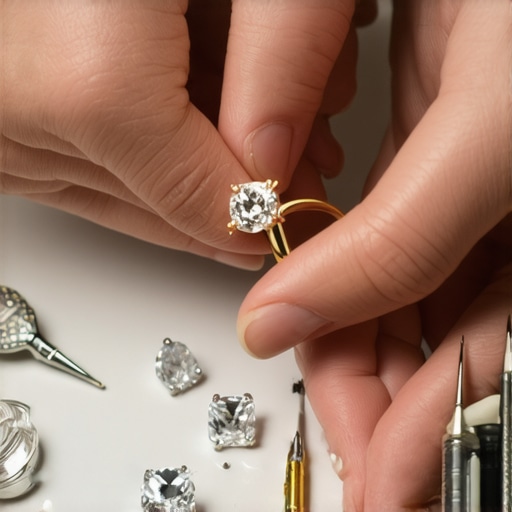
Restringing & Stone Setting Techniques to Elevate Jewelry Confidence in 2024
Have you ever held a beloved piece of jewelry, only to feel that sinking feeling when a stone wobbles or a chain looks more worn than treasured? I remember the frustration all too well—spending hours trying to fix something, only to realize I was missing a crucial technique. That lightbulb moment when I finally understood the importance of proper restringing and stone setting transformed my approach and confidence. Now, I want to share that journey with you because mastering these skills in 2024 isn’t just about repairs; it’s about elevating your entire jewelry game.
Why Restringing and Stone Setting Are Game-Changers in 2024
In the world of jewelry, appearance isn’t everything—trust is. Whether you’re a professional jeweler or a passionate hobbyist, knowing how to properly restring and set stones can make the difference between a piece that looks good and one that radiates confidence. I’ve seen too many folks rush through repairs, only to end up with loose stones or fragile chains. The truth is, these seemingly small skills are the foundation of lasting beauty and trustworthiness in your work.
Did you know that poor restringing or incorrect stone setting can actually damage the piece further, costing you more time and money down the line? According to industry experts, a significant number of jewelry complaints stem from improper techniques—something I painfully learned early on when I overlooked the importance of secure, precise settings. That mistake taught me that investing in proper skills is worth every minute and dollar. If you want to avoid costly errors and boost your confidence, I’ll guide you through the essential techniques that will elevate your jewelry craftsmanship in 2024.
Is Restringing & Stone Setting Really Worth the Hype?
Honestly, I used to think these were basic skills that didn’t require much attention. Boy, was I wrong. The truth is, mastering these techniques can dramatically improve the durability and appearance of your jewelry. It’s not about just fixing a chain or setting a stone; it’s about creating trust and satisfaction—both for your clients and yourself. For a deeper dive into how these skills can revolutionize your work, check out this article on building confidence through restringing and engraving mastery.
So, if you’ve faced the frustration of loose stones or delicate chains that break too soon, know that you’re not alone. And more importantly, there’s a solution. Next, I’ll walk you through the key techniques that will make your jewelry stronger, more beautiful, and more trustworthy. Ready to transform your skills? Let’s get started!
Secure Your Jewelry with Precision Restringing
Start by choosing the right stringing material. I recommend using a high-quality nylon or silk thread—these offer durability and flexibility. When I restringed a vintage pearl necklace, I initially used a cheap thread, which led to fraying after a few wears. Switching to a premium silk thread not only extended the necklace’s life but made the knots more secure. Always measure your string twice and cut slightly longer than needed to ensure a comfortable, snug fit. Use a bead reamer to smooth out the holes if they’re rough, preventing thread damage and ensuring a smooth restringing process. Thread the beads carefully, avoiding tangles, and secure each knot with a small drop of jewelry glue for added security. This method significantly enhances the piece’s durability and gives your work a professional touch. For more detailed restringing strategies, check out this guide on expert restringing tips.
Perfect the Art of Stone Setting
Choosing the appropriate setting style is key—bezel, prong, or channel—and each requires different tools and techniques. I once attempted a prong setting on a sapphire without proper pliers, which led to loose stones. I quickly learned that precision pliers, a hammer, and a steady hand are essential. For a secure prong setting, gently straighten the prongs, then press them down evenly using a bezel or prong pusher to hold the stone firmly. Use a loupe to examine the setting from multiple angles, ensuring the stone is centered and tightly secured. When setting smaller stones, like accent diamonds, a channel setting can be more durable. Carefully measure the width of the channel to fit the stones snugly and use a burnisher to smooth out rough edges, preventing any snagging or loosening. I once set a row of tiny diamonds in a bracelet and found that a small, consistent pressure with a burnisher kept the stones aligned perfectly—boosting the overall trustworthiness of the piece. For more advanced setting techniques, explore this article on setting secrets.
Maintain Consistency and Confidence
Practice makes perfect. Always test your work by gently tugging on the stones or beads to assess stability. I remember a time I was rushing a setting, and after a few days, a stone wobbled loose. That experience taught me the importance of patience and double-checking every detail. Use a UV glue or a setting adhesive for extra security when needed, especially on fragile or high-value pieces. Document your steps with photos—this helps you spot issues early and build trust with clients or yourself. Remember, mastery in restringing and stone setting doesn’t happen overnight—it’s about consistent effort and attention to detail. For comprehensive techniques that elevate your craftsmanship, review this resource on elevating jewelry trust.
Many jewelry enthusiasts and even seasoned professionals fall prey to misconceptions that can undermine the quality and durability of their repairs. Let’s dig deeper into some of the most persistent myths and clarify what might be holding you back from mastering these essential skills in 2024.
Why More Experience Doesn’t Always Mean Better Results
It’s a common belief that practicing more will automatically make you an expert. While practice is vital, there’s a nuanced difference between repetitive action and deliberate learning. Many overlook the importance of understanding the specific techniques and materials involved. For example, choosing the wrong threading material or setting style can lead to premature failures. Instead, focus on studying the subtleties of each method, such as the right tension for restringing or the optimal prong thickness for different stones. To refine your skills, consider exploring this guide on building confidence with expert restringing techniques.
Is It Better to Use Cheap Materials for Faster Repairs?
Here’s a trap: opting for inexpensive strings or adhesives to save time and money. The myth is that cheaper materials are just as effective, but the reality is quite different. Low-quality threads fray easily, and weak adhesives can fail under minimal stress, risking the loss of stones or the breakage of chains. Investing in high-quality materials not only enhances durability but also boosts your credibility with clients. For advanced tips on selecting the right materials, check out this resource on expert restringing and appraisal materials.
Overestimating the Ease of Stone Setting
Many believe that setting stones is just about pressing prongs or gluing them in place. However, this oversimplification ignores the intricate nuances that determine a secure, lasting setting. The misconception is that any setting style works for every stone—bezel, prong, channel—without considering the stone’s cut, size, or the metal’s properties. For example, setting small accent stones in a channel requires precise measurement and smoothing to prevent loosening. Advanced jewelers know that proper prong shaping and even pressure distribution are crucial, especially with softer stones like opals or pearls. To master these subtleties, consult this article on setting secrets for enhanced results.
What’s the Hidden Danger in Neglecting Regular Maintenance?
One often overlooked aspect is the importance of periodic inspection and maintenance. Many believe a repair is a one-and-done task, but jewelry naturally faces wear and tear. Failing to check for loose stones or weakened threads can lead to unexpected failures, costing more time and money later. Regularly examining your work and re-tightening prongs or restringing worn threads can significantly extend the lifespan of your pieces. This proactive approach not only preserves the integrity of your work but also builds trust with your clients. For comprehensive maintenance strategies, explore this guide on jewelry appraisal and trust building.
By debunking these myths and understanding the nuanced details, you can elevate your craftsmanship and ensure durable, beautiful jewelry repairs. Remember, mastery lies in attention to detail and continual learning. Have you ever fallen into this trap? Let me know in the comments!
In the world of jewelry repair and maintenance, having the right tools is just as crucial as mastering the techniques. Over the years, I’ve refined my toolkit to include equipment that guarantees precision, durability, and efficiency. Investing in quality tools not only speeds up your workflow but also elevates the trustworthiness of your work, which is essential for building long-term client relationships. Today, I’ll share some of my favorite tools, why I rely on them, and how they can help you keep your jewelry pieces in top condition over time.
Why Precision Pliers Are Non-Negotiable
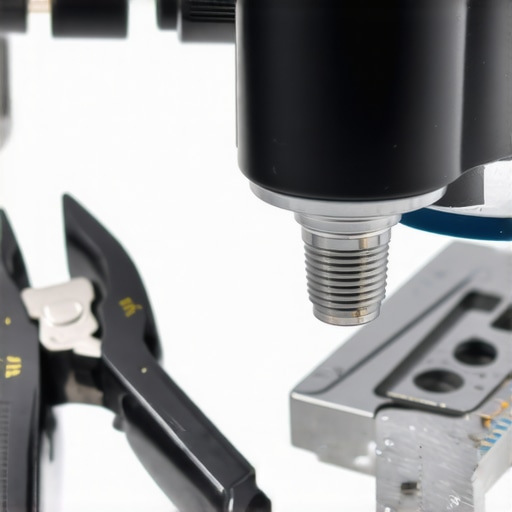
When it comes to stone setting, delicate prongs, or adjusting clasps, precision pliers are your best friends. I prefer using the Bead-Nose Pliers for their fine tips, which allow for detailed manipulation without damaging the metal or stones. The reason I choose high-quality versions from brands like Xuron or Lindstrom is that they maintain their shape and sharpness even after extensive use. Cheap pliers tend to wear out quickly, leading to slips or uneven prongs—an absolute no-go for lasting jewelry trust. Regular maintenance of your pliers, such as cleaning and oiling, ensures they stay in peak condition for years to come.
Why a Good Microscope Matters
Inspecting your work under magnification is non-negotiable. I personally use a LED-lit stereo microscope with at least 20x magnification. This setup gives me a clear view of the tiny prongs, thread tension, or adhesive integrity. The LED lighting prevents shadows and provides true color accuracy, which is crucial when matching metals or stones. Investing in a quality microscope has saved me from costly mistakes, like overlooked loose stones or uneven settings, that could compromise trust over time.
How Do I Maintain These Tools Over Time?
Regular maintenance is key. Clean your pliers with a soft cloth after each use, and occasionally oil the joints to prevent rust. For microscopes, keep the lenses clean with appropriate lens wipes and store them in a dust-free environment. Using proper maintenance techniques ensures your tools remain precise and reliable for years. Additionally, periodically calibrating your equipment or replacing worn parts keeps your craftsmanship consistent and trustworthy.
Predicting the Future of Jewelry Maintenance Tools
Looking ahead, I believe automation and digital tools will play a bigger role. 3D scanning and printing, combined with AI-driven design software, could revolutionize how we approach repairs, making precision more accessible. However, the fundamental need for high-quality hand tools will remain—especially for delicate, nuanced work that machines can’t replicate. Staying updated with the latest innovations and maintaining your essential tools will be vital for staying ahead in 2024 and beyond.
Try incorporating a high-quality, adjustable magnification microscope into your toolkit today. It’s a game-changer that will help you spot issues early and execute flawless repairs, building trust and confidence with every piece. For more advanced insights on maintaining your tools and techniques, explore this resource on effective maintenance strategies.
Imagine holding a cherished necklace or ring, only to realize a stone has loosened or the chain is fraying. Those moments can be frustrating, but they also signal an opportunity to elevate your jewelry craftsmanship. In 2024, refining your skills in restringing and stone setting isn’t just about fixing; it’s about creating pieces that last, impress, and build trust. Let me share some insights from my personal journey and how you can transform your approach to jewelry repairs this year.
What I Learned from My Toughest Jewelry Fixes
- Patience is Key: Rushing through restringing or setting can lead to loose stones or broken chains. Taking the time to measure, choose quality materials, and double-check your work makes all the difference.
- Details Matter: Small adjustments—like smoothing bead holes or evenly pressing prongs—can dramatically improve durability. Overlooking these nuances often results in rework or lost trust.
- Materials Are Your Foundation: Using high-quality thread, adhesives, and tools might cost a bit more upfront, but it ensures longevity and confidence in your repairs.
- Regular Maintenance Preserves Trust: Periodic inspections and re-tightening can prevent costly failures, keeping your pieces in top shape and your clients satisfied.
The Tools I Can’t Live Without in 2024
- Precision Pliers: Brands like Lindstrom give me control and reliability when adjusting prongs or clasps. Investing in good pliers saves time and preserves your work’s integrity.
- LED-Lit Microscope: A stereo microscope with at least 20x magnification reveals tiny flaws and ensures secure settings. Proper lighting and magnification are game-changers for trustworthiness.
- High-Quality Thread and Adhesives: Opt for durable silk or nylon threads and trusted glues. They form the backbone of lasting repairs and confident craftsmanship.
- Calibration and Maintenance Tools: Keep your tools in top shape with regular cleaning, oiling, and calibration. This consistency builds your reputation for precision.
Keep Your Skills Sharp and Your Reputation Strong
In the rapidly evolving world of jewelry repair, staying updated with the best techniques and tools is essential. I believe that embracing quality, patience, and continuous learning can turn even a simple repair into a masterpiece of trust. Are you ready to elevate your jewelry repair game in 2024? Start by assessing your current toolkit and techniques—then take deliberate steps to improve every detail.
Your Turn to Shine
Have you ever faced a challenging repair that taught you a vital lesson? Share your story below and let’s inspire each other to craft jewelry that’s as trustworthy as it is beautiful. Remember, mastery in restringing and stone setting is within your reach, and the results will speak for themselves.
