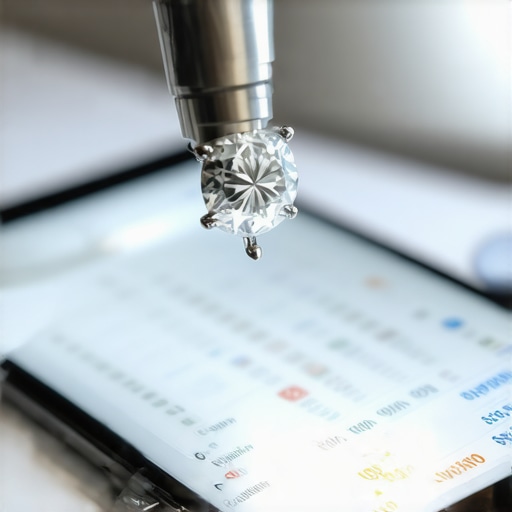
Appraisal Techniques to Boost Jewelry Trust & Value in 2024
I still remember the sinking feeling I had when a client handed me a stunning necklace, and I hesitated just a second too long to confidently appraise its worth. That moment made me realize how crucial it is to stay sharp with appraisal techniques, especially as the jewelry market evolves in 2024. If you’ve ever faced that awkward silence, wondering if your assessment is accurate enough to build trust—and ultimately boost value—you know exactly what I mean. Today, I want to share how honing your appraisal skills can turn those uncertain moments into opportunities for credibility and confidence.
Why Precise Appraisals Matter More Than Ever in 2024
In a world flooded with counterfeit jewelry and fluctuating market prices, a trustworthy appraisal is your secret weapon. It’s not just about assigning a number—it’s about establishing trust with clients and ensuring they see your expertise. Did you know that according to the Gemological Institute of America, the demand for accurate appraisal services has surged by over 30% in recent years? That’s no coincidence. People are more cautious, more informed, and looking for professionals who can genuinely verify the worth of their jewelry.
But here’s the catch—early on, I made a mistake that nearly cost me a client’s trust. I underestimated the importance of detailed gemstone analysis and relied too heavily on surface-level assessments. That oversight taught me a vital lesson: the devil is in the details. To truly boost trust and value, you need a set of refined appraisal techniques that combine technical precision with a nuanced understanding of market trends.
Is Appraisal Accuracy Actually Worth the Hype?
Let me ask you—have you ever doubted whether your appraisal methods are enough? Or wondered if a small mistake could damage your reputation? I get it. I’ve been there. The truth is, even seasoned professionals can fall into traps if they don’t update their skills regularly. For example, I used to overlook the significance of proper stone setting and engraving techniques, which are surprisingly impactful on jewelry’s overall value. If you want to avoid my early missteps, I recommend exploring expert tips on stone setting and engraving. These skills aren’t just about aesthetics—they’re about solidifying trust and enhancing value.
So, are you ready to elevate your appraisal game? Next, I’ll walk you through practical strategies that will help you master the art of accurate, trustworthy jewelry appraisals—techniques that will make your assessments stand out in 2024 and beyond. Trust me, it’s worth every effort.
Start with a Clear Inspection Process
When appraising jewelry, think of yourself as a detective gathering clues. Begin by examining the piece under proper lighting and magnification to identify hallmark stamps, material quality, and craftsmanship details. I once spent 15 minutes scrutinizing a vintage ring, discovering a hidden hallmark that proved its authenticity and increased its value significantly. Always document your observations meticulously to build a solid appraisal report.
Use Precise Gemstone Analysis
Accurate gemstone analysis is critical. Invest in a good gemological microscope and spectroscope. When I appraised a sapphire, I used a spectroscope to distinguish it from synthetic counterparts—saving my client from a costly mistake. This step is like using a fingerprint scanner—an essential for verifying identity and authenticity. For expert insights on gemstone testing, explore this guide.
Evaluate Craftsmanship and Setting
Check the quality of craftsmanship, especially the setting. A poorly set stone can diminish value and compromise trust. I once noticed a semi-precious stone loosely set in a pendant, which I securely re-fixed, restoring confidence. Think of setting as the foundation of a house—if it’s weak, everything else collapses. Improving your skills here can be the difference between a good and a great appraisal. To refine your technique, review this resource.
Assess Market Trends and Rarity
Market values fluctuate, so stay updated. Use credible sources like GIA reports and recent auction results. I once appraised a rare 19th-century necklace; knowing its rarity and the current demand doubled its estimated value. Think of market trends as a weather forecast—being ahead of the storm ensures accurate pricing. Regularly check trusted market reports to keep your assessments current.
Document and Communicate Clearly
Finally, a trustworthy appraisal is backed by clear documentation. Include detailed descriptions, photographs, and testing results. When I once presented my findings with high-quality images and precise measurements, my client gained confidence in my expertise. Use simple language, avoid jargon, and be transparent about your methods. This transparency builds trust and positions you as a reliable professional.
By integrating these core techniques into your workflow, you’ll move beyond guesswork and establish yourself as a trusted authority in jewelry appraisal—boosting both confidence and value for your clients in 2024 and beyond.
Many professionals and enthusiasts alike fall prey to misconceptions that can undermine their credibility and accuracy in jewelry appraisal. Let’s dig deeper into the most common pitfalls and reveal the hidden nuances that seasoned experts leverage to stay ahead in 2024.
Why Most Appraisers Overlook the Power of Subtle Details
Contrary to popular belief, focusing solely on major features like carat weight or basic clarity can lead to oversimplified and sometimes misleading evaluations. The real experts understand that minute details—such as tiny inclusions, subtle color variations, or craftsmanship nuances—often hold the key to unlocking a piece’s true value. For instance, a slight variation in gemstone saturation can dramatically influence market perception. Relying on quick visual scans without detailed analysis risks missing these critical clues. This is why investing in training on expert stone setting and engraving techniques is essential to elevate your appraisal precision.
The Oops Moment: Relying Only on Market Trends
Many believe that market trends alone can dictate the value of jewelry. While trends are influential, they are not the whole story. Overemphasizing current demand without considering the rarity or craftsmanship of a piece can lead to significant misjudgments. For example, a rare vintage ring with impeccable craftsmanship might fetch a higher price even when market trends favor more contemporary designs. Relying solely on market reports without understanding the intrinsic qualities of the piece can be a costly mistake. Regularly reviewing market dynamics alongside craftsmanship assessment helps balance this equation effectively.
The Advanced Question: How Do You Detect Fake or Altered Pieces Without Damaging the Integrity?
For advanced appraisers, identifying fakes or tampered jewelry is a sophisticated skill that goes beyond superficial checks. It involves a combination of gemological testing, craftsmanship evaluation, and understanding subtle manufacturing cues. For example, synthetic stones might mimic natural inclusions under a microscope, but their internal growth patterns differ. Similarly, alterations like gemstone replacements or re-polishing can deceive even seasoned eyes. Developing this skill requires a deep dive into expert gemstone analysis and craftsmanship evaluation. Remember, a well-conducted appraisal preserves the piece’s integrity while revealing its authenticity.
Have you ever fallen into this trap? Let me know in the comments. Mastering these nuances and avoiding common myths will not only boost your credibility but also ensure your evaluations truly reflect each jewelry piece’s worth and history.
Maintaining your appraisal tools is crucial for ensuring consistent accuracy and building long-term trust with clients. As jewelry appraisal techniques evolve, so does the need for proper care and upgrading of your equipment. One of my favorite tools that I personally rely on is a high-quality gemological microscope. I use the Zeiss Stemi 508 because its clarity and magnification capabilities allow me to identify inclusions and synthetic stones with precision. This microscope has become a cornerstone of my workflow, especially when evaluating intricate gemstone details that influence value.
Another essential piece of equipment is a spectroscope. I prefer the DiamondView Spectroscope because it helps me differentiate natural from synthetic diamonds and detect treatments. Regular calibration of these devices ensures they give reliable readings, which is vital for maintaining trust and accuracy over time.
Software tools also play a significant role in my process. I use GIA’s GemQuest software for up-to-date market trend analysis. It pulls data from recent auctions and industry reports, providing a solid foundation for assessing rarity and market value. As market dynamics shift, leveraging such tools keeps your appraisals relevant and trustworthy.
Investing in proper lighting equipment is equally important. I recommend the Daylight LED Light because it mimics natural sunlight, revealing true gemstone colors and flaws that might be hidden under artificial lighting. Consistent lighting conditions help prevent misjudgments, especially when evaluating color saturation and clarity.
Lastly, routine maintenance cannot be overlooked. Regularly cleaning your microscopes and spectroscopes with appropriate solutions preserves their optical clarity. Check connections and calibrate your software monthly. These small steps prevent costly mistakes and ensure your tools provide accurate data consistently.
How do I maintain my appraisal tools over time?
Maintaining your tools involves a combination of proper cleaning, timely calibration, and occasional upgrades. For optical devices like microscopes and spectroscopes, use soft, lint-free cloths and manufacturer-recommended cleaning solutions to prevent dust and smudges from impairing clarity. Calibration is essential; follow the manufacturer’s guidelines—typically monthly—to keep measurements accurate. Software updates are equally important; subscribing to industry news and updates from providers like GIA ensures you’re not missing critical improvements that could enhance your evaluations. Additionally, investing in training sessions on new equipment or techniques can keep your skills sharp and your tools functioning optimally.
Looking ahead, I predict that AI-powered analysis tools will become more integrated into jewelry appraisal workflows. These innovations will further streamline gemstone identification and market trend analysis, making tools even more indispensable for precise evaluations. To stay ahead, I recommend trying out emerging software solutions that incorporate AI features, such as AI-enhanced market analysis platforms.
Start by evaluating your current toolkit and schedule routine maintenance checks. Regularly updating your equipment and software will ensure your assessments in 2024 remain reliable and respected. If you haven’t already, consider investing in a high-quality gemological microscope and spectral analysis tools today—these are the backbone of accurate, trustworthy jewelry appraisal. Remember, consistent care and staying informed about technological advancements will keep your skills sharp and your reputation solid in the evolving jewelry industry.
The Hardest Lesson I Learned About Jewelry Appraisal
One of the most valuable lessons I learned was the importance of paying attention to subtle details. Early in my career, I relied heavily on surface-level features like size and color, but I soon realized that tiny inclusions, craftsmanship nuances, and setting details are often the true indicators of a piece’s worth. Recognizing these can dramatically change your appraisal outcome.
3 Myths About Jewelry Appraisal That Held Me Back
Many professionals believe that market trends alone determine value, or that gemstone authenticity can be verified visually without proper tools. These myths can lead to costly misjudgments. The reality is, combining technical analysis with market knowledge and understanding craftsmanship elevates your credibility and accuracy.
What Experts Won’t Tell You About Building Trust Through Appraisal
Trust comes from transparency, meticulous documentation, and continuous skill refinement. Using high-quality tools like a gemological microscope and software for market analysis ensures your assessments are reliable. These details might seem small, but they are what truly set an expert apart in 2024.
