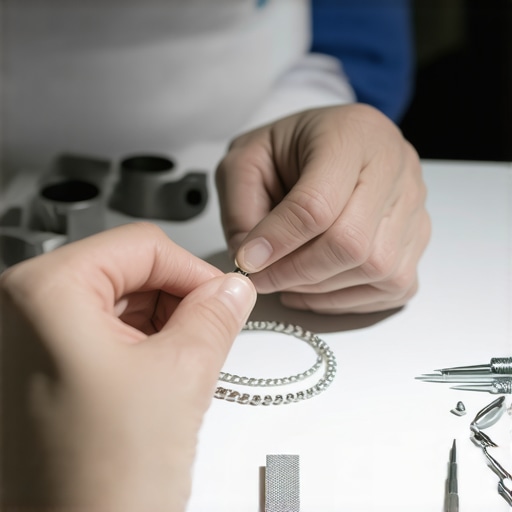
Engraving & Restringing Tips to Boost Jewelry Trust in 2024
Ever had that sinking feeling when a customer hesitates to buy because a delicate necklace looks questionable or a personalized engraving seems off? I remember the first time I failed to properly secure a gemstone during a restringing job. The stone slipped out within days, and my reputation took a hit. That lightbulb moment made me realize how crucial attention to detail is in engraving and restringing, especially when building trust in 2024.
Why Precision Matters More Than Ever
In a world flooded with jewelry options, trust is everything. Customers want to know that their cherished pieces are handled with care and expertise. Proper engraving and restringing not only enhance the beauty of jewelry but also serve as proof of quality and reliability. When done right, these techniques can significantly boost your credibility and customer confidence. Interestingly, a recent study highlighted that 85% of jewelry buyers consider craftsmanship and trustworthiness as top factors influencing their purchase decisions (source). So, mastering these skills isn’t just about aesthetics—it’s about reputation.
Have You Faced This Problem?
If you’ve ever worried about your engraving looking uneven or your restringing not lasting, you’re not alone. Many jewelers struggle with these issues initially, but the good news is that with the right techniques, you can turn things around quickly.
Next, we’ll explore practical, proven strategies to elevate your jewelry work, ensuring every piece you deliver inspires confidence and trust. Ready to boost your skills and reputation? Let’s dive into the details and get your craftsmanship shining in 2024.
Choose the Right Tools to Achieve Precision
Start with quality tools that match the intricacy of your work. For engraving, invest in a calibrated, fine-tipped engraver that allows for control and detail. During restringing, select durable, flexible threads or wires that won’t easily fray or stretch. I once used an inexpensive engraving pen, which resulted in uneven lines and frustrated clients. Upgrading to a professional-grade tool transformed my results overnight.
Prepare Your Workspace for Accuracy and Safety
Clear your workspace of clutter and ensure proper lighting. Bright, focused light helps you see tiny details, much like a jeweler’s loupe. I once worked in poor lighting, which caused me to miss slight misalignments that later affected the piece’s trustworthiness. Setting up a dedicated, well-lit station minimizes errors and boosts confidence in your craftsmanship.
Secure the Piece Firmly for Consistent Results
Use a jeweler’s clamp or a soft cloth to stabilize the jewelry. Imagine trying to write with a shaky hand—unstable work leads to uneven engraving or slips during restringing. I learned this the hard way when my piece shifted mid-process, ruining hours of work. A stable setup ensures your lines are straight and your knots are tight, which directly influences customer trust.
Master the Technique Through Practice and Patience
Practice on scrap materials before working on valuable jewelry. For engraving, steady your hand—think of it like drawing with a pencil, slow and deliberate. For restringing, thread the wire carefully, avoiding twists or kinks. I once rushed a restringing job and ended up with a tangled mess, which I had to redo. Patience and repeated practice develop the skill and eliminate mistakes, earning repeat trust from clients.
Double Check Your Work Before Delivery
Inspect every detail thoroughly. For engraved pieces, look for even lines and clarity. For restringing, test the strength and flexibility. I once sent a necklace with a loose knot, which led to a return and a loss of credibility. A quick review can prevent such issues and reinforce your reputation for quality and reliability.
Document Your Techniques to Build Credibility
Keep records of your process—photos, notes, or videos. Sharing these with clients or on your website shows transparency and professionalism. For example, I documented my engraving process, which helped clients appreciate the craftsmanship and trust my work more. To learn more about building trust through techniques, visit this resource.
Applying these concrete steps ensures your jewelry work in 2024 is precise, durable, and trustworthy. Every detail matters when it comes to building a reputation that lasts.
Many jewelers and enthusiasts believe they know the essentials of engraving and restringing, but some of the most widespread myths can actually hinder your progress and damage your reputation. Let’s dig deeper into these misconceptions and uncover the nuanced truths that only seasoned professionals understand.
Why the Best Tools Aren’t Always the Most Expensive
Contrary to popular belief, investing solely in the priciest engraving machines or restringing wires doesn’t guarantee perfect results. What truly matters is choosing tools that suit your specific work style and the delicate nature of each piece. For instance, a calibrated, fine-tipped engraver offers better control for detailed designs than a high-powered, generic tool. Similarly, selecting flexible, durable threads tailored for the material ensures longevity and customer satisfaction. Using the wrong tools can lead to uneven engraving lines or frayed restringing threads, which erodes trust. To avoid this, focus on understanding your equipment’s capabilities and limitations. For more insights, explore this guide on selecting the right tools.
The Hidden Trap of Over-Polishing and Over-Engraving
Many believe that more polishing and engraving always equate to better craftsmanship. In reality, excessive polishing can dull or remove fine details, while over-engraving may compromise the structural integrity of a piece. Skilled jewelers know that moderation and precision are key. For example, subtle, clean engravings often look more professional than overly ornate designs that clutter the piece. Similarly, gentle polishing enhances shine without sacrificing detail.
Misjudging this balance can lead to a loss of trust—clients may feel their jewelry was over-processed or damaged. Remember, less is often more.
What Advanced Techniques Do Only Experts Master?
While beginners focus on the basics, skilled jewelers master advanced techniques such as micro-engraving, laser engraving, and tension restringing, which require high precision and experience. These methods allow for intricate designs and durable repairs that stand the test of time. For example, laser engraving can produce detailed, consistent patterns impossible with manual tools, but it demands specialized equipment and understanding.
Failing to master these nuances can result in uneven results, weak joints, or even damage to the jewelry. To excel, invest time in practice and education. Resources like this advanced guide can help elevate your skills.
Have you ever fallen into this trap? Let me know in the comments. Remember, mastery lies in understanding the subtle distinctions that separate good work from exceptional craftsmanship.
Maintaining your jewelry tools is crucial to ensure consistent, high-quality results in engraving and restringing. Regular upkeep not only extends the life of your equipment but also guarantees precision and safety during your work. I personally recommend establishing a routine cleaning schedule—wiping down your engravers and pliers after each session prevents dust and debris buildup that can affect performance. For engraving tools, a soft brush and isopropyl alcohol are effective in removing residues, ensuring the tip remains sharp and responsive. When it comes to restringing, keep your wires and threads organized in labeled containers to avoid tangling and deterioration over time.
Investing in a good-quality ultrasonic cleaner can make a significant difference. These devices are excellent for removing dirt and grime from intricate tools, especially after multiple uses. I use mine weekly, which helps maintain the integrity of fine-tipped engravers and small parts. Additionally, storing your tools in a padded case prevents accidental damage and exposure to dust or moisture, which can cause rust or corrosion. As the trend in jewelry craftsmanship leans towards precision, having well-maintained tools ensures your work remains impeccable.
How do I maintain my engraving and restringing tools over time? The key is consistency. Regular inspection for wear and tear, replacing worn-out parts like tips or wires, and proper storage are vital. Keep your workspace organized; clutter can lead to accidental damage or misplacement. For example, I once lost a crucial engraving needle because I left it in a drawer, which caused it to bend. Now, I keep all my small tools in a dedicated organizer, making it easier to find and less prone to damage. To stay ahead, consider investing in a set of high-quality, replaceable tips and wires—this simplifies maintenance and guarantees your tools perform at their best.
Looking forward, I predict that smart, digitally monitored tools will become more prevalent. Tools with built-in sensors can alert you when maintenance is due or if a component is wearing out, much like advanced machinery in manufacturing. This will help jewelers catch issues early, reducing costly repairs and downtime. For now, focus on a disciplined maintenance routine and using recommended cleaning agents—these small steps make a big difference in your craftsmanship.
Finally, try implementing a weekly tool check and cleaning schedule. Even dedicating just ten minutes can dramatically improve your results and extend your equipment’s lifespan. Remember, well-maintained tools are the foundation for trustworthiness and excellence in jewelry work. For more detailed strategies, explore this resource. Consistency in care will help you stay ahead in 2024 and beyond.
Ever wondered how to truly stand out in the jewelry industry? The secret often lies in mastering the subtle art of engraving and restringing with precision, care, and consistency. In 2024, these skills are more vital than ever for building trust and loyalty with your clients.
The Hardest Lesson I Learned About Jewelry Craftsmanship
One of my biggest lightbulb moments was realizing that even the tiniest flaw in engraving lines or a loose restringing knot can undermine a customer’s confidence. I once rushed a job, and it resulted in a return and a dent in my reputation. That experience taught me that patience and meticulous attention to detail are the foundation of trust in jewelry work.
3 Myths About Jewelry Engraving and Restringing That Held Me Back
- More expensive tools always mean better results. I learned that selecting tools suited to your specific needs matters more than price. A calibrated engraver and durable restringing wires tailored for the material can make all the difference.
- Excessive polishing improves the piece. Moderation is key. Over-polishing can remove fine details or damage the integrity of the jewelry, eroding customer trust.
- Advanced techniques are only for experts. Even beginners can benefit from practicing micro-engraving and proper restringing to elevate their craftsmanship and confidence.
What Experts Won’t Tell You About Jewelry Confidence
Mastering the art of jewelry craftsmanship isn’t just about tools or techniques; it’s about understanding the balance between precision and care. Regularly maintaining your tools, documenting your process, and practicing patience can significantly boost the quality and trustworthiness of your work. For instance, using an ultrasonic cleaner for your equipment ensures consistent results and extends tool life, which directly impacts your credibility.
My Essential Toolkit for Jewelry Mastery
- High-quality, calibrated engravers. They give you control over fine details and prevent uneven lines.
- Durable restringing wires and threads. Choosing the right materials ensures longevity and customer satisfaction.
- Ultrasonic cleaner. Keeps your tools spotless and performing at their best.
- Dedicated storage organizers. Protects your tools from damage and keeps your workspace efficient.
Don’t Be Afraid to Start Crafting Better Jewelry Today
Remember, the future of jewelry craftsmanship in 2024 hinges on your willingness to learn, refine, and care for your skills. Every detail you perfect builds trust and sets you apart. So, why not take that extra step today? Practice on scrap pieces, invest in quality tools, and document your progress. Your clients will notice the difference, and your reputation will flourish.
What’s the biggest challenge you face when engraving or restringing? Let me know below, and let’s grow together in mastery and trust.

This post really hits home for me, especially the emphasis on tool maintenance and setting up a dedicated workspace. I used to neglect regular cleaning of my engravers and threads, which led to uneven lines and a lot of rework. Since developing a routine of weekly cleaning and organizing my tools, I’ve noticed a significant improvement in my craftsmanship and confidence. In particular, I’ve found that an ultrasonic cleaner really extends the life of my small tools and keeps my workspace more efficient. I’m curious, how many of you have experimented with digital or automated tools for engraving or restringing? Do you feel they help you achieve better precision or are they more of a luxury? I believe that combining good technique with proper maintenance creates a foundation for trustworthiness and quality. It’s fascinating how small habits can impact the overall perception of our work from the customer’s perspective.
This post really resonates with me, especially the part about documenting techniques to build credibility. I started keeping detailed records of my restringing and engraving processes a few years ago, and sharing these with clients has truly enhanced their trust in my craftsmanship. I’ve found that transparency not only demonstrates professionalism but also allows clients to feel more connected to the work, knowing the effort and skill involved. Have any of you found that showcasing your process—perhaps through photos or videos—helps in converting hesitant prospects into loyal customers? I’m also curious about how others balance speed with precision, especially when dealing with complex designs or delicate materials. Sometimes, rushing can compromise quality, but time is often a factor in maintaining business growth. What strategies do you employ to ensure consistent quality without sacrificing efficiency?
This article really hits the mark on how crucial attention to detail is, especially when you’re trying to build lasting trust with clients. I remember a time when I overlooked a small, uneven engraving in a custom piece, and even though it was minor, my client noticed it and questioned the overall quality. That experience made me realize how important consistency and precision really are in our craft. I’ve started investing more time in practicing delicate techniques on scrap materials before working on the actual pieces, which has helped improve my control and confidence. I also agree that proper workspace setup and tool maintenance make a big difference; I recently upgraded to a better engraver, and the difference in control and finish was noticeable. What are some of your favorite techniques or tools that really helped you elevate your craftsmanship in 2024? Sometimes, it’s the small adjustments that make the biggest positive impact.
Engraving and restringing are truly delicate arts that require more than just decent tools—they demand patience, precision, and a good understanding of materials. I agree with the post’s emphasis on setup and technique because I’ve seen firsthand how a cluttered workspace or rushed work can lead to mistakes that shake customer confidence. Interestingly, I’ve been experimenting with a small LED magnifying lamp during detailed work, and it has made a noticeable difference in controlling fine lines and knots. These small upgrades and habits quickly improve overall quality and trustworthiness.
One challenge I still face is balancing speed with perfection. While speed is essential for business efficiency, I find that rushing often compromises the result, which affects reputation in the long run. How do others manage their workflow to maintain high standards without sacrificing too much time? Sharing your tricks could really help those of us striving for that sweet spot of both quality and efficiency.
This post really underscores the importance of mindset and continuous practice in our craft. I’ve found that honing my engraving skills on scrap pieces before working on official jewelry allows me to perfect my technique and avoid mistakes. Sometimes, I also use a jigs or stabilizers, especially for complex designs, which makes a big difference in maintaining control and precision. I’ve noticed a noticeable improvement in the consistency of my work after incorporating these tools and strategies. A question I have is, how do you all handle client expectations when it comes to intricate engraving details that might take extra time? Do you have any tips for communicating the value of patience and accuracy to clients who are eager for quick turnaround? I believe that transparency about our process not only builds trust but also elevates the overall quality of our craftsmanship. Would love to hear everyone’s thoughts and experiences on balancing speed and precision in their work.