Engraving & Restringing Tips to Elevate Jewelry Trust in 2024
Ever had that sinking feeling when a customer hands over a piece of jewelry for restoration, and you realize your skills might not quite inspire the trust you hoped for? I remember my early days in the craft—trying to perfect engraving and restringing, only to stumble over tiny details that made my work look amateurish. That lightbulb moment hit hard: if I want clients to trust my work, I need to master more than just the basics. I need to understand how expert techniques can elevate the perceived value and reliability of jewelry repair and customization.
Why Elevating Your Engraving & Restringing Skills Matters More Than Ever
In 2024, jewelry isn’t just about aesthetics; it’s about confidence. Customers want assurance that their cherished pieces are in capable hands. A small slip-up—like an uneven engraving or a weak stringing—can shake that trust faster than you can say “reputation.” Recent studies show that trust in jewelry services directly correlates with perceived quality and longevity of the work. If your techniques aren’t up to par, clients might hesitate to return or recommend your services. That’s why honing your skills with expert guidance is crucial now more than ever. Want to learn how to make your work stand out? Check out these proven tips.
Is It Really Worth the Effort to Improve Your Craft?
Early in my career, I made the mistake of rushing through a restringing job. The stringing was uneven, and the clasp looked flimsy. The client’s disappointment was a blow to my confidence. But what I learned was invaluable: mastering detailed techniques isn’t just about aesthetics; it’s about building trust. If you’re skeptical, I get it. Improving your skills takes time and effort. But trust me, the payoff is worth it. When you focus on quality, your reputation grows, and so do your referrals. For a deeper dive into strategic improvements, see these strategies.
Getting your engraving and restringing techniques right is essential for establishing lasting trust with your clients. Here’s how to make your work stand out and prove that you’re a reliable craftsman.
Refine Your Tools and Workspace
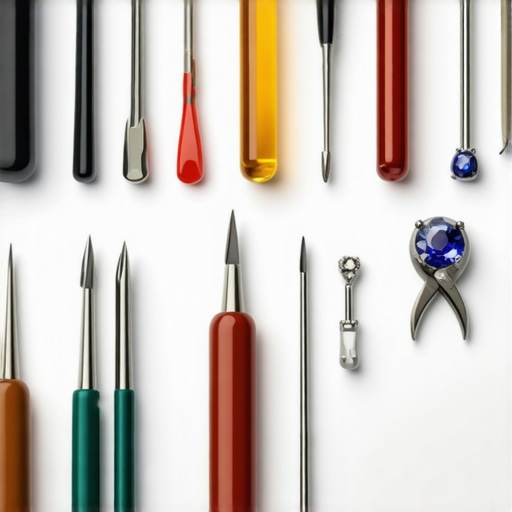
Start by investing in high-quality tools. Sharp engraving needles and precise stringing equipment are non-negotiable. Think of your tools as the paintbrushes of a painter—without sharp, well-maintained tools, your work will lack finesse. I remember a time when I used dull needles, which resulted in uneven engravings. After upgrading my tools, my lines became cleaner and more confident, instantly boosting client trust.
Maintain Your Equipment Regularly
Clean and calibrate your tools daily. Dull or dirty tools compromise quality. Regular maintenance is like tuning a car; it ensures smooth operation and longevity. This simple step prevents many common mistakes and saves time in the long run.
Master Precise Technique
Perfecting your technique is about control and consistency. For engraving, practice steady hand movements and consistent pressure. For restringing, focus on even tension and secure knots. Think of engraving as drawing with a fine pen—your hand must be steady, and your strokes deliberate. I once practiced on scrap pieces, gradually increasing complexity. The more deliberate my practice, the more confident I became in delivering flawless results.
Use Guides and Templates
For complex designs, use templates. These act like blueprints, reducing errors and ensuring uniformity. When I started incorporating templates, my pieces looked more professional, which elevated the perceived value of my work. Check out these expert techniques for detailed guidance.
Implement Quality Checks
Always inspect your work thoroughly. Use a magnifier to spot imperfections. Think of this as a quality control step—like a chef tasting their dish before serving. I remember a necklace I thought was perfect until I noticed a tiny scratch under magnification. Correcting it immediately saved my reputation and reinforced my client’s trust.
Solicit Feedback and Adjust
Ask trusted colleagues or clients for feedback. Be open to critique and ready to adjust your methods. Continuous improvement is key; it’s like tuning a musical instrument to stay in harmony. Over time, consistent refinement of your skills will make your work more reliable and trustworthy.
Stay Educated and Inspired
Attend workshops, watch tutorials, and read industry updates. The jewelry world evolves, and staying current ensures your techniques remain top-tier. Remember, mastering these skills is an ongoing process—think of it as sharpening your sword for every battle. For comprehensive strategies, explore these strategies.
Many jewelry professionals and hobbyists alike fall prey to misconceptions that can hinder their craft’s quality and reputation. Let’s dig deeper into what most people get wrong about refining their skills in engraving, restringing, and other jewelry repairs, and how to sidestep these pitfalls for better results.
First, a widespread myth is that using cheaper tools is a way to save money. In reality, this often leads to inconsistent work and potential damage to delicate pieces. Expert jewelers invest in high-quality, precision tools because they offer better control and durability, which translate into cleaner engravings and more secure restringing. For example, a dull engraving needle can cause uneven lines and scratches, undermining your craftsmanship and client trust. Always prioritize quality over cost—your reputation depends on it. To learn more about choosing the right tools, check out these strategies.
Another common misconception is that mastering a single technique is enough. Many assume that once they get the hang of restringing or engraving, they’ve nailed it. But in truth, advanced techniques involve nuanced control, understanding material behavior, and subtle adjustments. For instance, the difference between a good and a great engraver often lies in their ability to maintain consistent pressure and hand steadiness—skills honed through deliberate practice and expert guidance. Rushing through learning stages can result in sloppy work and lost trust. Want to elevate your craft? Dive into these advanced techniques.
Why do so many still believe in quick fixes?
Many believe that a quick polish or a superficial repair can mask underlying issues, but this approach is dangerous. Superficial fixes may temporarily satisfy clients but often lead to long-term damage, such as weakening settings or unseen flaws that can cause pieces to fail later. Instead, focus on thorough inspections, precise technique, and quality control—key steps that experts swear by for lasting results. For example, inspecting every detail with magnification can reveal tiny imperfections before they become major problems. This proactive approach builds trust and demonstrates professionalism. For in-depth inspection strategies, explore these tips.
Finally, a critical nuance often overlooked is the importance of understanding material interactions. Not all stones, metals, or settings respond the same way to tools or techniques. For instance, certain gemstones are sensitive to heat or pressure, requiring specialized handling. Misjudging these nuances can lead to accidental damage or subpar results. As expert jewelers emphasize, continuous education and staying updated on industry advancements are essential. For example, mastering stone setting and appraisal secrets can greatly boost client confidence, as detailed in these resources.
Have you ever fallen into this trap? Let me know in the comments, and remember: mastering the finer nuances of jewelry repair is what separates good from great.
Maintaining your tools and workspace is crucial for consistent, high-quality jewelry repairs. Over time, even the best equipment can lose precision if not properly cared for. I personally swear by regular maintenance routines that keep my tools in top shape, ensuring every engraving and restringing job meets the highest standards. This not only prolongs the lifespan of your equipment but also ensures your work remains reliable and trustworthy.
One of my most recommended investments is a high-quality diamond-tipped engraving pen. Unlike standard steel needles, diamond tips are incredibly durable and retain their sharpness longer, making fine details easier to achieve without the frustration of dull tools. I routinely replace the tips after about six months of heavy use, depending on the workload, to maintain precision. For cleaning, I use a specialized jewelry tool cleaner that removes debris and prevents corrosion, keeping the tools performing like new.
In my workshop, I also rely heavily on a precision magnifier, such as a 10x head loupe, for inspecting details during and after repairs. Regularly inspecting with a quality magnifier helps catch imperfections early. Remember, a small scratch or uneven line can undermine your client’s trust if left unnoticed. To stay ahead, I keep my magnifier calibrated and clean, so it provides a clear view every time.
Alongside physical tools, software plays a role in modern jewelry repair, especially when dealing with complex designs or customizations. I recommend using CAD (Computer-Aided Design) software like RhinoGold or MatrixGold. These tools allow you to visualize intricate designs before working on the actual piece, reducing errors and saving time. As technology advances, integrating digital design tools will become even more essential for scaling your services and delivering precise results.
How do I maintain my tools over time? Regular cleaning is key. After each session, I wipe down my engraving needles and restringing tools with a soft cloth and a bit of isopropyl alcohol. For more extensive maintenance, I schedule a weekly check-up to sharpen or replace worn parts, ensuring consistent performance. This proactive approach prevents costly mistakes and keeps my workflow smooth.
Looking ahead, I believe that automation and smart tools are poised to revolutionize jewelry repair. Future innovations might include robotic assistance for precise engraving or tension calibration. Staying current with these trends and investing in your equipment’s maintenance will ensure you stay competitive and deliver trustworthy results that clients will appreciate and recommend.
Start by trying out a diamond-tipped engraving pen or scheduling regular maintenance for your existing tools. Small investments in care and quality can significantly boost your craftsmanship and customer trust. Remember, a well-maintained workspace is the foundation of stellar jewelry repairs and customizations.
The Hardest Lesson I Learned About Jewelry Craftsmanship
One of the most valuable lessons I learned was that precision in engraving and restringing isn’t just about appearance—it’s about trust. Early on, rushing through a job led to mistakes that cost me clients’ confidence. I realized that investing time in mastering expert techniques transformed my reputation and increased repeat business. The difference between good and exceptional work is often hidden in the details that only careful practice reveals.
3 Myths About Jewelry Repair That Held Me Back
Many believe that cheap tools can suffice or that mastering a single technique makes you an expert. I used to think that way until I experienced the frustration of uneven engravings and weak restringing. Upgrading my tools and embracing continuous learning proved essential. The industry is evolving, and so should your skills—relying on quick fixes or outdated methods will only diminish your trustworthiness.
What Experts Won’t Tell You About Building Jewelry Confidence
Most professionals don’t emphasize the importance of ongoing education and meticulous inspection. I’ve learned that regular maintenance of tools, using guides, and inspecting every detail with magnification are game changers. These habits ensure consistent quality and reinforce client trust. Remember, the small details you perfect today lay the foundation for long-term success tomorrow.
Curated Gems for Your Craft
- Diamond-tipped engraving pens: Incredibly durable, they help you achieve fine, confident lines. I swear by mine for precision work.
- RhinoGold and MatrixGold CAD software: These tools let you visualize intricate designs, reducing errors and saving time. Digital mastery is becoming a must-have skill.
- Jewelry tool cleaners: Regular cleaning and calibration keep your equipment performing at peak condition, directly impacting your work quality.
- High-quality magnifiers: A 10x loupe is invaluable for inspecting details and catching imperfections early. It’s a habit every craftsman should adopt.
Your Turn to Shine
Building trust through expert engraving and restringing isn’t just a skill—it’s a commitment to excellence. Every detail you refine adds value and confidence to your craftsmanship. Keep practicing, stay curious, and never underestimate the power of quality tools and continuous learning. The future of jewelry repair depends on your mastery of the nuances that make your work stand out.
What’s the biggest challenge you face when trying to improve your jewelry repair skills? Let me know below!
