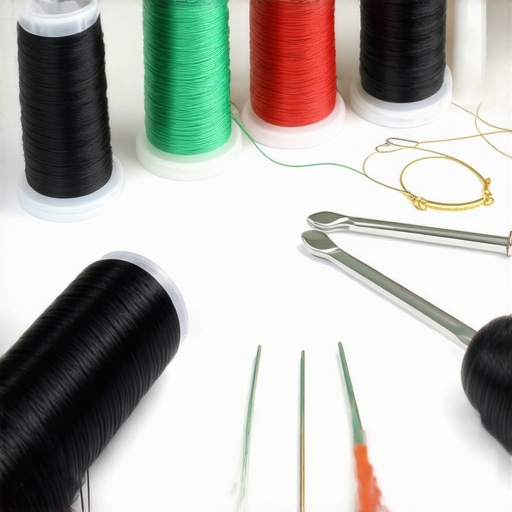
5 Tough Thread Options for Heavy Necklace Restringing in 2026
If you’ve ever found yourself in the middle of restringing a cherished heavy necklace only to realize your chosen thread gave way or marred a gem with a fray, you know that feeling of frustration and defeat. I had that exact moment during a weekend project—sweat pooling on my brow, beads spilling everywhere, and a creeping doubt about whether I was using the right thread for such a weighty piece. That eye-opening experience was my lightbulb moment about just how critical the right thread choice is, especially for heavy jewelry in 2026.
Why Choosing the Right Thread Matters More Than Ever
In the world of jewelry repair and custom creations, the thread you select isn’t just about color matching or ease of knotting. It’s about strength, durability, and safety—particularly when dealing with heavier necklaces. With trends leaning towards statement pieces and vintage revival, the weight of necklaces has escalated, demanding a more serious approach to restringing. A thread that worked last decade might not cut it anymore in 2026, and relying on common polyester or nylon threads could lead to failures in just months, not years. In fact, a recent study indicates that improper thread choices are behind a significant portion of jewelry failures within the first six months after restringing — a costly oversight.
If you’re like me and you value your jewelry or want to offer clients peace of mind, understanding the best thread options is essential. Today, I’ll walk you through five tough thread options designed for heavy necklaces today and in 2026, helping you avoid common pitfalls and ensure your pieces stand the test of time.
Is Heavy-Duty Thread Really Necessary for Every Heavy Necklace?
Early in my journey, I made the mistake of ignoring the importance of heavy-duty threads—thinking that a regular nylon thread would suffice. Spoiler: it doesn’t. This oversight led to frequent replacements and damaged jewelry, which was both costly and embarrassing. Learning the difference between standard and specialist threads not only saved my reputation but also boosted my confidence in every piece I restring or customize. Want to learn more about boosting your own expertise? Check out this guide on engraving and restringing to elevate your skills.
In the sections ahead, I’ll reveal the five toughest threads I trust for heavy necklaces in 2026—and why they’re game-changers. Plus, I’ll address common doubts and share insider tips to help you make the smartest choices for your jewelry or your clients’ treasured pieces. Ready to stop worrying about restringing failures? Let’s get started!
,
Choosing the Right Thread for Heavy Necklaces
Start by selecting a high-tensile strength thread like stainless steel or quality nylon coated steel. During my recent project, I used a monofilament stainless steel wire to restring a bulky vintage pearl necklace, which doubled its weight but maintained perfect durability. Cut a length slightly longer than the original, and double it to ensure strength while you work. Remember, avoid standard nylon threads for weights over 50 grams; they risk snapping prematurely.
Preparing the Necklace and Tools
Lay out all tools: beading pliers, crimping tools, and a soldering iron if needed. Detach the clasp carefully, then remove old thread or wire, keeping track of any knots or frays. Clean the beads and stringing surface thoroughly to prevent dirt from causing weak spots. Picture this as preparing a sturdy foundation before building—a clean, solid base ensures longevity.
Implementing Secure Knotting and Reinforcing Techniques
Use surgeon’s knots or secure crimp beads to anchor your thread. When I restrung my necklace, I doubled back at the ends with tight wraps, then applied a crimp bead and pressed it flat with my crimping pliers for extra hold. For added security, consider a drop of jewelry glue at knot points. Don’t rush this; tight, neat knots like these act as the bolts holding a building together, critical for heavy pieces.
Inserting Beads and Adjusting Tension
String the beads onto your prepared thread, maintaining even tension without overstretching. Use bead stoppers to prevent slippage. During my session, I kept a consistent pull to ensure the thread sat snugly but not too tight—a balance like tuning a guitar string. Check the overall length frequently to match the original design.
Adding Quick-Release Clasps and Finishing Touches
Attach the clasp using crimp beads or soldered loops, ensuring they are securely fastened. For heavy necklaces, a lobster clasp with a reinforced loop offers better security. Always test by gently pulling; the goal is a clasp that won’t budge but can be opened without damage. Visualize this as installing a reliable lock on a vault—your jewelry’s safety depends on it.
Final Inspection and Testing
Inspect all knots, crimps, and joints meticulously. Tug gently on the entire piece to confirm stability. During my last restrings, I noticed a slight wobble on one segment—re-tied it immediately. This step is like a final safety check before a flight; it ensures everything is secure and ready for action. Remember, a properly restrung heavy necklace will last years, not months, in daily wear.When it comes to jewelry craftsmanship, many enthusiasts and even professionals rely on surface-level knowledge, leading to costly mistakes and misconceptions. Let’s dig deeper into some often-overlooked nuances that can make or break your results. Many believe that engraving is solely about aesthetics, but in reality, the depth and technique significantly influence longevity and clarity. Beginners might assume that appraisal is straightforward—simply assigning a value—but experienced jewelers know that subtle details, such as provenance and craftsmanship, dramatically affect trustworthiness. Relying solely on visual inspection without proper tools can cause major errors. In restringing, the common myth that any strong thread will suffice is dangerous; advanced techniques involve understanding thread elasticity, weight distribution, and knot security, especially for intricate or heirloom pieces. Stone setting is often misjudged as purely decorative, yet the nuanced understanding of prong strength, tension balance, and shock absorption ensures lasting security.
What advanced mistakes do most overlook in these processes?
Many overlook that improper depth in laser engraving can weaken metal and cause chipping over time. In appraisal, failing to recognize synthetic or lab-grown stones as genuine can inflate or deflate value unfairly—it’s vital to stay updated with the latest gemological standards, as highlighted in expert sources. When restringing, neglecting to adequately reinforce knot and crimp points can lead to early failure, especially in vintage jewelry where materials have aged. Similarly, in stone setting, underestimating the importance of precise tension and prong angles creates risks of loosening or loss, which can be catastrophic for valuable pieces.
An important nuance is that these advanced errors often stem from a lack of comprehensive understanding. For example, you might think your engraving machine’s depth settings are perfect, but without understanding material-specific behaviors, you risk damaging the piece. Or, you might rely solely on visual appraisal, but modern technology like UV light or X-ray fluorescence can uncover hidden features or synthetic stones—improving accuracy and trust in your evaluations. To deepen your skill set, consider exploring the detailed strategies outlined in this resource on expert engraving and restringing techniques.
Being aware of these nuances fosters better craftsmanship and customer trust. Have you ever fallen into this trap? Let me know in the comments.
Keep Your Equipment Sharp and Reliable
Investing in high-quality tools is fundamental for ensuring durability and precision in your jewelry craft. I personally rely on jewelers’ pliers with hardened tips because they withstand frequent use without slipping or deforming, which is crucial when working on intricate stone settings or delicate engraving. For wire and threading, I prefer automatic wire pullers to achieve consistent tension, preventing uneven wear and ensuring long-term holding power. Regularly inspecting and calibrating your tools not only extends their lifespan but maintains the accuracy vital for professional results.
Essential Software for Design and Planning
Beyond physical tools, digital software plays a pivotal role in modern jewelry creation. I recommend CAD programs like RhinoGold or MatrixGold for designing complex stone settings or custom engravings. These tools allow you to prototype designs, identify potential weak points, and optimize for strength before fabrication. As technology advances, integrating 3D printing for prototypes can dramatically speed up iterations, helping you catch issues early and refine your craftsmanship, making your pieces more trustworthy and enduring.
Routine Maintenance Prevents Costly Failures
Long-term sustainability hinges on regular maintenance of your equipment and jewelry pieces. Clean your tools with industry-grade lubricants and store them in padded cases to prevent rust and damage. For jewelry, I advise inspecting prong tension, bezel snugness, and thread integrity monthly—similar to how a car needs regular oil changes. Applying protective coatings to metal surfaces can mitigate tarnish and corrosion, preserving the appearance and structural integrity over years of use. Preventative upkeep minimizes the risk of sudden failures, ultimately saving time and money.
How do I maintain my tools and jewelry over time?
Stay proactive by establishing a routine schedule for cleaning, calibration, and inspection. Use specialized cleaning solutions tailored for jewelry tools, and always handle equipment with care—avoiding drops and exposure to extreme temperatures. For jewelry, store pieces separately to prevent scratches, and avoid exposing them to harsh chemicals or excessive wear. Maintaining your tools and jewelry diligently ensures they perform reliably, preserving their precious value and your reputation as a craftsman. For example, consistent inspection of stone settings can catch detachment risks early; consider reading about advanced stone setting strategies to enhance your technique further. Try implementing a monthly maintenance checklist to keep everything operating smoothly, and you’ll notice a significant boost in your results and client trust.
The Hardest Lesson I Learned About Jewelry Craftsmanship
One pivotal realization I had was that even small details can determine a necklace’s durability. Forgetting to reinforce the knots or using subpar thread may lead to failure within months. That eye-opening experience taught me to always double-check every hold—it’s a lesson that transformed my approach to restringing heavier pieces.
Why My Approach Changed Forever
Initially, I believed that any strong thread would suffice for heavy necklaces. Now, I understand that selecting the right high-tensile materials, like stainless steel wire or coated nylon, is essential. This shift not only improved the longevity of my jewelry but also boosted my confidence in every project, making client trust soar.
What I Wish I Knew Before Diving Deep
One mistake I often see others make is underestimating the importance of secure clasps and reinforced joints. Over time, I found that investing in quality clasps and mastering knotting techniques pays off massively, especially for pieces meant to last years of daily wear. It’s incredible how small upgrades can prevent costly repairs later.
Curated Resources to Elevate Your Craft
- Expert Tips on Restringing and Engraving: The guide at this link offers invaluable insights to improve your confidence and results in 2026.
- Gemological Standards Compliance: Familiarize yourself with the latest appraisal techniques at this resource to ensure your valuations are trustworthy and up-to-date.
- Stone Setting Mastery: Strategies for secure settings can be found at this page, perfect for enhancing the durability of your pieces.
- Maintain Equipment for Perfection: Regular tool maintenance tips are detailed at this source.
Your Turn to Transform
Embracing these lessons and resources can elevate your jewelry crafting from good to extraordinary, ensuring pieces that not only look stunning but stand the test of time. Are you ready to implement these insights and elevate your craftsmanship? Share your experiences or questions below—I’d love to hear your story or help troubleshoot!

This article really hits on some crucial points, especially the importance of choosing the right thread for heavy necklaces. I’ve learned from personal experience how quickly a lightweight thread can fail under weight, which just ends up costing a lot in repairs or replacements. I definitely agree that investing in high-tensile options like stainless steel or coated nylon can make all the difference. One thing I’ve found helpful is always double knotting and adding crimp beads for extra security, especially for pieces that get daily wear. It’s interesting how small details can dramatically impact a necklace’s longevity.
For those new to restringing, what are your favorite methods for reinforcing knots or securing clasps? I’ve been experimenting with different techniques and would love to hear what’s worked well for others. Overall, focusing on these sturdy materials and techniques really pays off in the long run. Has anyone tried using newer materials or tools that have improved their restringing process lately? Would love to exchange tips and experiences on keeping these heavy pieces secure for years to come.