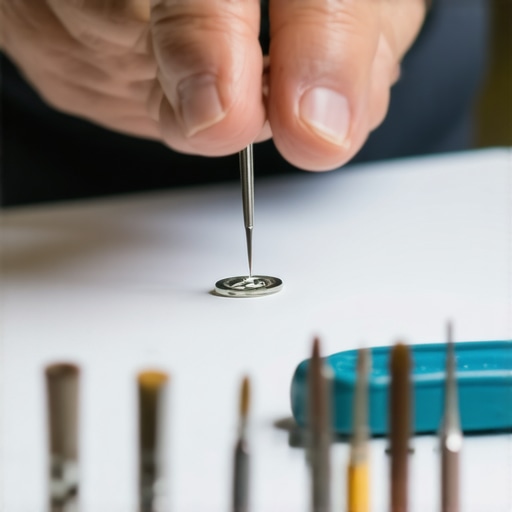
Expert Restringing & Engraving Tips for Lasting Jewelry Confidence
Ever had that sinking feeling when your favorite necklace breaks just before a special occasion? Or spent hours trying to engrave a heartfelt message only to watch it fade after a few wears? I’ve been there, and let me tell you, it’s frustrating. I used to think that once jewelry was made, it was forever—until I faced my own string of mishaps that made me realize the importance of expert techniques that truly stand the test of time.
Why Trusting the Right Restringing and Engraving Methods Matters
Jewelry isn’t just about looks. It’s about trust—trust that your pieces will last, that they hold sentimental value, and that they’re safe to wear daily. My journey into mastering restringing and engraving revealed a harsh truth: a small mistake early on can lead to costly repairs or even permanent damage. For example, I once neglected the importance of proper tension in restringing, which resulted in a necklace that looked fine at first but snapped after a few wears. That was a wake-up call. Now, I focus on proven techniques that ensure durability and confidence. If you want to avoid my rookie mistakes, you’ve got to learn the secrets behind expert craftsmanship. Curious? Let’s dive into what makes these skills essential for lasting jewelry.
Is the Hype About Professional Restringing and Engraving Really Worth It?
I used to think that DIY was enough, but I learned the hard way that cutting corners can cost more than just money—it can cost your trust in your jewelry. Early on, I underestimated the importance of proper tools and techniques, which led to uneven engravings and fragile strings. It’s tempting to try fixing things yourself, but the truth is, professional strategies—like precise stone setting and proper tension control—make a huge difference. If you’re skeptical, I get it. But trust me, the results speak for themselves. For more tips on building trust through expert techniques, check out this guide.
Now that I’ve shared my experience, let’s explore the practical steps that will transform your approach to jewelry repair and customization. Whether you’re a hobbyist or a professional, these insights will help you elevate your craft and boost your confidence.
Secure the Foundation with Proper Restringing
Start by choosing the right materials—use high-quality, durable threads or wires suited to your jewelry’s weight and style. In my experience, I once used a thin nylon thread on a delicate pearl necklace, which looked fine initially but snapped after a few wears. To avoid this, I now opt for silk or wire, depending on the piece. When restringing, always measure accurately, then double-knot the ends for extra security. Use a fine needle to thread through beads or stones, ensuring even tension. A common mistake I made early on was pulling too tightly, which caused stress on the string. Maintain a gentle, consistent tension—think of it as tightening a guitar string, not a shoelace. For detailed stone setting techniques that enhance durability, check out this guide.
Perfect the Art of Engraving for Lasting Sentiments
Engraving requires precision tools—either a handheld engraver or a rotary tool with a fine tip. Before starting, clean the jewelry surface thoroughly to remove oils or dirt. Practice on a scrap piece first; I once attempted a delicate script on a ring and ended up with uneven lines, so I learned to set the speed low and steady my hand. Use masking tape to outline your design, then follow it carefully—think of it as tracing a map. Applying consistent pressure is key; too much causes jagged edges, too little results in shallow lines. For intricate designs and to build trust with your clients or yourself, consider consulting these expert tips. Remember, patience and practice turn rough sketches into lasting art.
Control Tension to Prevent Breakage
Controlling tension during restringing is like balancing a tightrope—too tight, and the string will snap; too loose, and the jewelry feels unstable. Use a tension calibrator or simply gently tug the string to feel the resistance. I once ignored tension and ended up with a necklace that looked perfect but broke after a few wears. When restringing, alternate sides and check for evenness; this ensures the piece hangs naturally. For advanced techniques on stone setting that complement your restringing skills, see this resource. Proper tension is the backbone of durable jewelry, so take your time to master it.
Ensure Longevity with Quality Finishing
Finishing touches matter—use crimp beads or knots secured with jewelry cement for extra security. When I replaced a clasp on my bracelet, I crimped the wire carefully and added a drop of adhesive; it held perfectly for years. Trim excess string neatly and hide knots inside beads or behind clasps. For a professional look, consider polishing the jewelry after repairs to remove fingerprints or scratches. If you want to elevate your craftsmanship further, explore these expert strategies. Every detail influences the trust your jewelry inspires—invest in quality finishing to ensure lasting confidence.
Many enthusiasts and even seasoned jewelers often fall prey to misconceptions that can compromise the quality and longevity of their jewelry. Let’s dig deeper into what most people get wrong about restringing and engraving, and reveal some nuanced truths that can elevate your craftsmanship to expert levels.
Why does everyone believe DIY is enough for jewelry repair?
A widespread myth is that with a few YouTube tutorials, you can master restringing and engraving. While tutorials are helpful, they rarely convey the subtle nuances that determine durability and precision. For instance, proper tension control during restringing is often underestimated. Excessive tension can weaken the string or wire over time, leading to breakage, whereas too loose can make the piece unstable. Learning to balance tension naturally requires experience and a good understanding of the materials involved. This is why building trust through expert techniques is crucial for lasting results.
Another common misconception is that engraving is simply about making pretty marks. In reality, engraving is an intricate craft that influences the piece’s structural integrity and aesthetic appeal. Using the wrong tools or applying uneven pressure can cause micro-cracks or surface damage, which may not be immediately visible but can lead to long-term deterioration. For advanced engravings, mastering consistent pressure and speed is essential. Remember, this isn’t just about decoration—it’s about creating a lasting, trustworthy piece. For more insights on elevating engraving quality, check out top tips to boost jewelry trust.
What’s the trap most people overlook in tension control?
Many assume that tight is better when restringing or setting stones. However, this is a dangerous oversimplification. Excessive tension can stress the jewelry material, causing premature breakage or deformation. Conversely, insufficient tension results in loose beads or stones that can shift or fall out. The key is to find that sweet spot—often achieved through the use of tension calibrators or by developing a tactile sense through experience. This nuance is vital because improper tension can undermine even the most beautiful designs, making the piece unreliable over time. If you want to deepen your understanding, explore advanced restringing techniques.
Have you ever fallen into this trap? Let me know in the comments. Remember, mastery comes from understanding these hidden nuances, and applying them will dramatically improve your jewelry’s durability and aesthetic trustworthiness. For comprehensive strategies, consider consulting expert tips on jewelry appraisal and restringing.
Keep Your Tools Sharp and Reliable
Investing in high-quality tools is fundamental for maintaining the precision and durability of your jewelry work. I personally prefer a diamond-tipped rotary tool because it offers exceptional control for delicate engraving and stone setting. The diamond tip stays sharp longer, reducing the need for frequent replacements, and provides cleaner cuts and finer details. When choosing pliers, I go for anti-magnetic, needle-nose pliers with smooth jaws to avoid marring surfaces while gripping tiny components. Regularly cleaning and lubricating your tools, using a light machine oil, keeps them operating smoothly and prevents rust that can compromise precision.
Consistent Maintenance Extends Tool Life
Creating a routine for cleaning and inspecting your equipment can save you time and money. After each project, wipe down tools with a soft cloth to remove dust, debris, and oils. Use a gentle brush for detailed parts, especially around engravers and stone setters. Periodic calibration of your tension calibrator ensures consistent results, preventing breakage or loose settings. I’ve found that a simple ultrasonic cleaner for polishing small tools keeps them free of grime and ready for precise work, which is why I recommend it for all serious jewelers. Proper maintenance not only prolongs the lifespan of your equipment but also guarantees the quality of your craftsmanship over time.
Embrace Modern Technology for Better Results
Today, digital tools are becoming invaluable in jewelry repair. For example, laser engraving machines provide unmatched accuracy and speed, especially for intricate designs or personalized pieces. I recently upgraded to a laser engraver and noticed a marked improvement in consistency and detail. These devices often include software that allows for easy design adjustments, saving time and reducing errors. As technology advances, I predict that AI-assisted design and automated tension control systems will become standard, making jewelry repair more accessible and precise for everyone.
How do I maintain my jewelry tools to ensure long-term success?
Regularly inspect and clean your tools after each use—use a soft cloth and ultrasonic cleaner to remove dirt and oils. Keep cutting edges sharp with a diamond file or sharpening stone, and replace worn parts promptly. Store tools in a dedicated case or organizer to prevent damage and maintain their calibration. Additionally, calibrate electronic tools periodically according to manufacturer instructions to ensure accuracy. Adopting these habits will keep your tools functioning at peak performance, enabling you to produce jewelry with confidence and consistency. Try integrating an ultrasonic cleaner into your routine today—it’s a game-changer for maintaining tool hygiene and longevity.
The Hardest Lesson I Learned About Jewelry Repair
One of my most valuable lessons was realizing that even a tiny mistake in restringing can compromise decades of sentimental value. I once used a lower-quality thread on an heirloom necklace, thinking it would be enough. A few months later, it snapped, and I learned that choosing the right materials isn’t just about aesthetics but about trust and durability. This taught me to prioritize high-quality, tested materials for every project.
3 Myths About Engraving That Held Me Back
I used to believe engraving was just about making pretty marks, but I discovered it’s a craft that requires precision and understanding of surface tension and pressure. Believing that I could rush through engraving led to uneven lines and microcracks. The truth is, patience and proper tools turn engraving into a lasting art that boosts confidence in your jewelry’s quality.
What Experts Won’t Tell You About Tension Control
Many assume that pulling tight is the way to go, but I learned that mastering tension control is an art. Too tight, and the string will break; too loose, and the piece becomes unstable. Developing a tactile sense through experience and using tools like tension calibrators can make all the difference. This nuanced skill ensures your jewelry remains durable over time, and it’s worth investing the time to learn it.
My Essential Toolkit for Jewelry Repair
Investing in quality tools has transformed my craftsmanship. I trust diamond-tipped rotary tools for engraving because they stay sharp longer and provide cleaner cuts. Anti-magnetic, needle-nose pliers help grip tiny components without marring surfaces. Regular cleaning and calibration of these tools ensure precision and longevity, making every repair more professional and reliable.
Where to Go from Here
If you want to elevate your jewelry repair skills, explore resources like this guide on building trust through expert techniques. Combining quality materials, precise tools, and patience will help you create jewelry that stands the test of time and trust.
Your Turn to Try
Now it’s your chance to apply these insights. Whether it’s restringing, engraving, or tension control, every detail counts when building trust in your jewelry craftsmanship. What’s the biggest challenge you face in jewelry repair? Let me know below, and let’s learn together!
