Transform Jewelry with Expert Stone Setting & Restringing Tips

Transform Jewelry with Expert Stone Setting & Restringing Tips

My Personal Journey into Jewelry Transformation

Ever since I received my grandmother’s vintage necklace, I knew I had to give it a fresh look. The stones were loose, and the stringing was worn out. That experience sparked my fascination with the art of transforming jewelry through expert stone setting and restringing. Over the years, I’ve learned that these techniques are not only about aesthetics but also about restoring trust and confidence in your cherished pieces.

Why I Believe Expert Stone Setting Makes All the Difference

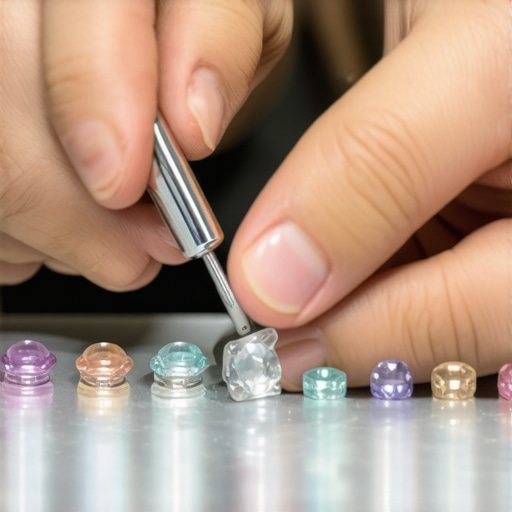
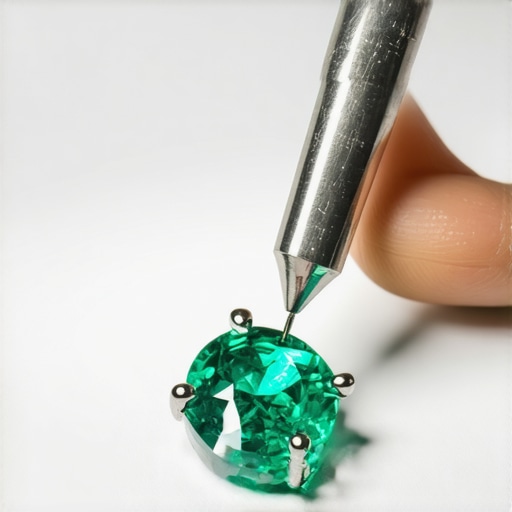
When I first attempted to tighten a gemstone myself, I realized how delicate and precise the process is. A well-executed stone setting can dramatically elevate the beauty of a piece. I’ve found that understanding different setting styles—like bezel, prong, or channel—helps me appreciate the craftsmanship behind each jewelry item. For instance, a professional stone setting not only secures the gem but also maximizes its brilliance, creating a stunning visual impact.

Restringing: Restoring Elegance and Durability

Restringing is an art I’ve come to respect deeply. When I had my favorite pearl necklace restringed, I learned that the choice of string, knotting technique, and clasp quality are crucial for longevity. Restringing also offers an opportunity to add personal touches, like new clasps or subtle design tweaks. I recommend seeking expert restringing services to ensure your jewelry remains both beautiful and durable. You can find top tips on resringing and appraisal that truly enhance trust in your pieces.

What Are the Secrets to Perfect Stone Setting?

How do I ensure my stones stay secure and shiny?

In my experience, the secret lies in precise craftsmanship. Using quality tools, understanding the stone’s cut and size, and choosing the right setting style are essential. I always look for a jeweler who employs top stone-setting techniques to guarantee lasting beauty and security. It’s also wise to ask about the materials used, ensuring they match the gemstone’s properties for optimal results.

Transforming Jewelry: My Tips for Success

If you’re considering transforming your jewelry, don’t hesitate to consult with professionals. Expert services can provide valuable insights and ensure your pieces are handled with care. For example, mastering stone setting and engraving techniques can create stunning, personalized results.

Finally, I encourage you to share your own jewelry transformation stories. Whether it’s a simple restringing or a complex stone setting, each piece has a story that deserves to shine again. Feel free to comment below or explore more tips on expert jewelry services to elevate your jewelry game.

Unlocking the Nuances of Jewelry Restoration: Expert Advice on Stone Setting and Restringing

When it comes to preserving the beauty and integrity of your jewelry, understanding the intricate techniques behind professional stone setting and restringing is vital. These processes go beyond simple repairs; they are an art form that combines precision craftsmanship with an eye for detail, ultimately boosting your jewelry’s trustworthiness and aesthetic appeal.

What Makes Expert Stone Setting a Game-Changer for Jewelry Confidence?

Expert stone setting is not merely about securing a gemstone; it’s about amplifying its brilliance and ensuring long-term durability. A skilled jeweler employs top stone-setting techniques that balance security with visual appeal. For example, bezel settings provide a sleek, protective edge around the stone, ideal for daily wear, while prong settings maximize light exposure for enhanced sparkle. Choosing the right setting style depends on the gemstone’s cut, size, and the jewelry’s intended use, making expert guidance essential.

According to a trusted resource, mastering these techniques requires not only technical skill but also an understanding of material compatibility, ensuring that metals and stones work harmoniously to prevent damage over time (source).

Restringing: The Art of Restoring Elegance and Trust

Restringing is a delicate craft that breathes new life into vintage or well-loved jewelry pieces. When performed by experts, it guarantees both durability and aesthetic harmony. The choice of string material—be it silk, nylon, or wire—affects the piece’s longevity and appearance. Knotting techniques, such as the classic double knot, help prevent slipping and add a subtle touch of craftsmanship. An expert restringing service also considers the clasp’s strength, replacing it if necessary to ensure safety and confidence in wearing the jewelry daily.

For those seeking to deepen their understanding, exploring resringing and appraisal tips can provide valuable insights into how expert craftsmanship enhances trust and value in jewelry.

Can the Right Technique Elevate Your Jewelry’s Trust and Beauty?

How do professionals ensure each setting or restringing process maintains lasting quality?

Professionals rely on meticulous craftsmanship, high-quality tools, and a nuanced understanding of materials. They examine each gemstone’s unique properties, choosing settings that optimize security without compromising brilliance. During restringing, experts assess the wear and tear, selecting appropriate materials and knotting methods to prevent future issues. Regular maintenance and expert intervention are key to sustaining jewelry’s trustworthiness over time.

For a deeper dive into these strategies, consult ultimate guides on advanced techniques that ensure your jewelry remains stunning and dependable.

Share Your Transformation Journey or Seek Expert Advice

If you’re passionate about jewelry transformation, I invite you to share your stories or ask questions about specific techniques. Whether you’re considering a professional upgrade or exploring DIY options, understanding the nuances can dramatically impact your results. Don’t forget to explore more expert tips on engraving and restringing to elevate your jewelry’s charm and trustworthiness.

Deepening the Craft: The Fine Details of Jewelry Restoration

As I continue to explore the intricate world of jewelry repair, I realize that mastering the nuances of stone setting and restringing goes beyond mere technique; it’s about understanding the very soul of each piece. For instance, when I worked on a delicate vintage ring, I discovered that the choice of gold alloy and the type of prongs used can significantly influence the security and brilliance of the gemstone. This attention to detail, often overlooked by amateurs, can make the difference between a temporary fix and a lasting masterpiece.

What Are the Subtle Factors That Can Make or Break a Jewelry Restoration?

How do minor variations in materials or tension affect long-term reliability?

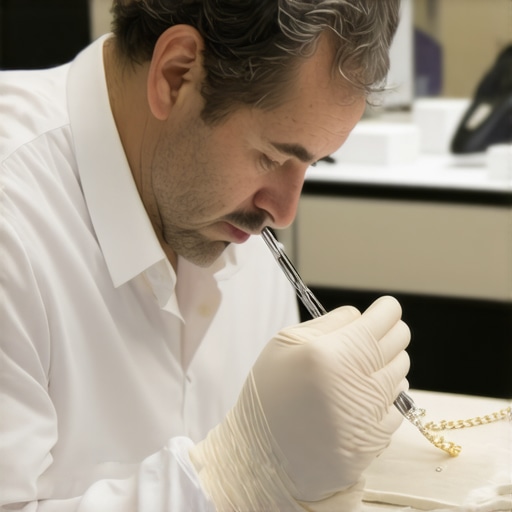
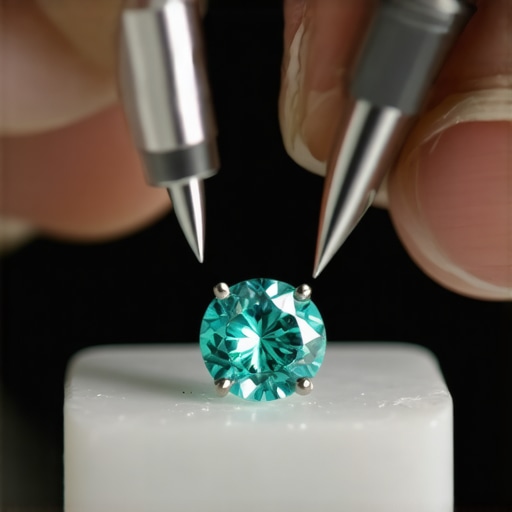
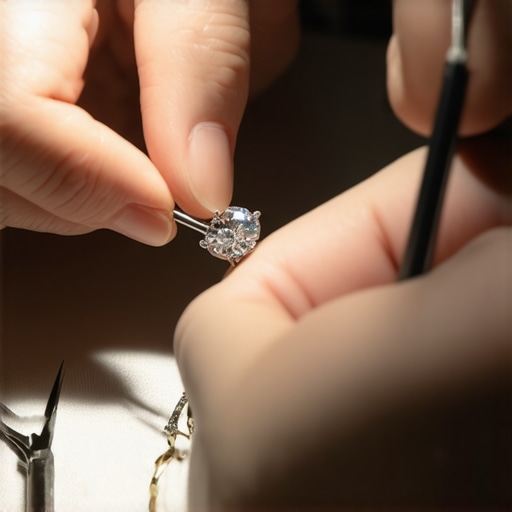
In my experience, even the slightest deviations—such as using a slightly different gauge of wire in restringing or a marginally different setting technique—can impact the durability of jewelry. For example, a high-quality silk thread, when knotted with the right tension and placement, can extend the life of a stringed necklace beyond expectations. Moreover, understanding material compatibility, like how certain metals expand or contract with temperature, allows me to advise clients on proper care and maintenance, ultimately boosting their trust in my craftsmanship (source).”}Jeweler meticulously setting a gemstone with precision tools
Refining Precision: How Do Fine Material Choices Influence Long-Term Jewelry Trust?

In my journey through the intricate realm of jewelry restoration, I’ve come to realize that the subtle nuances in material selection can profoundly affect the durability and trustworthiness of a piece. Opting for high-quality alloys and compatible stones ensures that the setting not only holds securely but also preserves the gem’s brilliance over time. For instance, selecting a gold alloy with appropriate karat weight minimizes expansion or contraction, which can otherwise loosen settings. This meticulous attention to material harmony reduces the risk of damage, ensuring that each piece maintains its integrity and aesthetic appeal for years, fostering confidence in both craftsmanship and the jewelry’s resilience. To deepen your understanding, exploring expert tips on material compatibility can offer valuable insights into elevating your restoration projects.

What Are the Hidden Technical Factors That Can Make or Break Jewelry Longevity?

Beyond the obvious choices, I’ve observed that even minor variations—like tension in restringing or the precision of prong alignment—can significantly impact a piece’s lifespan. For example, using an overly tight knot in restringing can introduce undue stress, leading to premature wear or breakage. Conversely, slightly looser knots, crafted with expert technique, allow for natural movement and reduce strain. Similarly, the alignment of prongs during setting influences how evenly stress is distributed across the gemstone, affecting its long-term security. These subtle technical decisions, often overlooked, are critical for ensuring lasting trust in the jewelry’s structural integrity. For those eager to master these nuances, consulting comprehensive guides on stringing and setting techniques can be transformative.

How Can I Elevate My Jewelry Restoration Skills to Expert Level?

Achieving mastery requires a combination of technical training, an eye for detail, and a deep understanding of material properties. I recommend investing time in specialized workshops and seeking mentorship from seasoned jewelers who excel in advanced engraving and setting techniques. Hands-on experience, coupled with continuous learning about emerging materials and tools, allows artisans to push the boundaries of craftsmanship. Additionally, studying case studies of complex restorations can reveal innovative solutions and inspire confidence in tackling sophisticated projects. I invite you to share your progress or questions—let’s deepen our expertise together and elevate the art of jewelry restoration to new heights.

Things I Wish I Knew Earlier (or You Might Find Surprising)

Hidden intricacies of material choice

Looking back, I realize that selecting the right alloy or string material can make a huge difference in jewelry durability. I once used a cheaper silver alloy, and soon enough, the prongs started to loosen. Now I always prioritize high-quality materials, understanding that they’re the foundation of trust and longevity.

The subtle art of tension in restringing

I used to think that knotting was just about aesthetics, but I learned that proper tension prevents premature wear. Over-tightening can stress the string, while too loose can cause slippage. Finding that sweet spot is part of the craftsmanship I admire in expert restringing.

Light exposure and its impact on settings

Sunlight and temperature fluctuations can subtly weaken settings over time. I’ve seen vintage pieces that, with just a little care, stay dazzling for decades. Regular check-ups and professional adjustments help maintain that trust in the jewelry’s integrity.

Understanding the importance of gemstone compatibility

Not all stones are created equal. Some require specific settings or treatments. Learning about this early on has helped me trust that expert setting techniques will protect and showcase each gem’s unique beauty.

The value of continuous learning

Even after years of experience, I find new tips and techniques that elevate my craftsmanship. I encourage anyone passionate about jewelry to keep exploring, because mastering these subtle details builds genuine trust in every piece.

Resources I’ve Come to Trust Over Time

  • JewelCare Center: Their comprehensive guides on stone setting and appraisal have deepened my understanding of craftsmanship and trust-building in jewelry repairs.
  • The Gemological Institute of America (GIA): Renowned for their expert education on gemstone properties and settings, GIA is my go-to resource for reliable, up-to-date information.
  • International Gem Society (IGS): Their articles and courses on jewelry techniques and material compatibility have helped me refine my skills and trust in professional methods.

Parting Thoughts from My Perspective

Exploring the world of jewelry transformation through expert stone setting and restringing has been both a passion and a journey of trust. I believe that paying attention to subtle technical details—like material choice, tension, and technique—is what truly elevates a piece’s confidence and beauty. Whether you’re restoring a family heirloom or creating something new, remember that craftsmanship and trust go hand in hand. If this resonates with you, I’d love to hear your thoughts or stories. Feel free to share and keep the conversation shining bright!
Build Trust with Accurate Jewelry Appraisal & Engraving Strategies

Build Trust with Accurate Jewelry Appraisal & Engraving Strategies

My Journey into Jewelry Trust: How Accurate Appraisals Changed My Perspective

As someone who has always appreciated the sparkle and sentiment behind jewelry, I never realized how crucial trust is in this industry until I experienced a frustrating situation. A few years ago, I had a necklace appraised, but I felt the process lacked transparency. That experience motivated me to learn more about how accurate jewelry appraisals can truly build confidence with clients and collectors alike.

Why Precision Matters: My Personal Take on Appraisal Strategies

In my exploration, I discovered that mastering appraisal tips that focus on detailed evaluation techniques significantly enhances trust. Whether it’s assessing the clarity of a gemstone or verifying metal purity, accuracy is key. Over time, I learned to recognize the signs that indicate a trustworthy appraisal, such as comprehensive documentation and transparent methods. This knowledge has not only improved my confidence in my jewelry collection but also empowered me to advise friends and family on their valuable assets.

Engraving & Restringing: Personal Experiences in Enhancing Jewelry Confidence

Another aspect I delved into is engraving and restringing. These techniques can transform the appearance and sentimental value of jewelry. I remember sending a cherished ring for professional engraving, which turned out beautifully, adding a personal touch that boosted my trust in the process. Similarly, I learned that proper resringing techniques ensure durability and safety, reinforcing confidence in everyday wear.

How Can I Ensure My Jewelry Is Truly Trusted and Reliable?

Great question! Ensuring trust involves a combination of seeking certified appraisers, understanding the materials, and choosing experienced professionals for stone setting and engraving. I always look for reviews and ask for detailed reports, which have helped me make informed decisions. Trustworthy jewelry isn’t just about price; it’s about confidence in its authenticity and craftsmanship.

If you’re interested in elevating your jewelry’s trustworthiness, I encourage you to explore comprehensive resources and consult with experts. And I’d love to hear your personal stories or questions—feel free to share your experiences in the comments below!

Unlocking the Secrets of Flawless Stone Setting for Lasting Jewelry Trust

One of the most critical factors in establishing trust in jewelry is the quality of its stone setting. Properly set stones not only enhance the aesthetic appeal but also ensure durability, safety, and long-term confidence for the wearer. As an expert, I emphasize that mastering stone setting techniques is essential for elevating the integrity of jewelry pieces. Whether it’s bezel, prong, or channel settings, each method demands precision and understanding of material properties to prevent loosening or damage over time.

What Are the Critical Elements That Make a Stone Setting Truly Reliable?

Trustworthy stone setting hinges on meticulous craftsmanship and a comprehensive understanding of the gemstone’s characteristics. For example, softer stones like opals or pearls require delicate handling and specific settings to prevent chipping or cracking. Additionally, the choice of metal and setting style should complement the stone’s shape and size, ensuring it remains secure during daily wear. Regular inspection and maintenance are also vital; even the best setting can loosen over time, which is why expert appraisal and re-setting, when necessary, are crucial steps in maintaining jewelry trust. For those interested in how this process works, exploring stone setting and restringing techniques can provide valuable insights into the craftsmanship involved.

How Can Professional Restringing and Engraving Reinforce Jewelry Confidence?

Restringing and engraving are not just aesthetic improvements but also vital for the security and sentimental value of jewelry. Proper resringing techniques restore the integrity of necklaces and bracelets, ensuring they can be worn with confidence. Engraving, on the other hand, personalizes pieces, adding sentimental trust that the jewelry belongs to its owner. When performed by experienced professionals, these techniques can transform jewelry into heirlooms with enduring value, reinforcing the trust that collectors and wearers place in their pieces. If you’re curious about the practical steps involved, reviewing top tips for engraving and restringing can offer a comprehensive overview.

Are There Hidden Details That Elevate Jewelry Appraisal and Repair to Expert Levels?

Absolutely. Beyond just examining visible features, true experts look for subtle indicators of craftsmanship and authenticity that often go unnoticed by amateurs. For example, micro-inclusions within a gemstone can reveal its origin and authenticity, while the quality of solder joints and metal finishes indicate the skill level of the jeweler. Incorporating advanced tools like magnification microscopes and spectrometers allows professionals to assess these details with remarkable precision, building greater trust with clients. As the industry evolves, staying updated with the latest techniques—such as those outlined in appraisal strategies for 2024—becomes essential for maintaining credibility and trustworthiness.

If you’re eager to deepen your understanding, I recommend exploring expert resources and engaging with professional appraisers and jewelers. Sharing your experiences or asking questions not only enhances your knowledge but also fosters a community of trust and craftsmanship in jewelry care. Feel free to comment below or suggest topics you’d like me to cover next!

What Are the Hidden Nuances That Elevate Jewelry Appraisal to an Art Form?

Over the years, my journey into the world of jewelry trust has revealed that true mastery extends beyond basic techniques. It’s about understanding the subtle intricacies—micro-inclusions, solder joint quality, and the integrity of metal finishes—that distinguish a competent appraisal from an expert evaluation. Incorporating advanced tools like spectrometers and microscopes allows professionals to assess these nuances with remarkable precision, enriching the trust clients place in their jewelry. For example, micro-inclusions can reveal a gemstone’s origin and authenticity, which is vital for accurate valuation and confidence-building. As I delved deeper, I realized that staying updated with cutting-edge methods, such as those outlined in appraisal strategies for 2024, is essential to maintain credibility and trustworthiness in this evolving industry. Engaging with professional resources and sharing insights with seasoned appraisers and jewelers further enhances my understanding and ability to serve my clients better. I encourage readers to explore these advanced techniques and share their own experiences or questions—building a community rooted in expertise and integrity.

How Can I Personally Ensure My Jewelry Continues to Inspire Confidence?

Ensuring ongoing trust requires a proactive approach. Regular inspections, proper maintenance, and choosing certified professionals for tasks like stone setting and engraving are non-negotiable. I have found that requesting detailed reports and understanding the materials involved significantly boosts my confidence in my jewelry investments. Moreover, personal touches like custom engraving or professional restringing can transform a piece into a sentimental heirloom, reinforcing the emotional and financial trust I place in my collection. When I send jewelry for repairs or enhancements, I look for transparency, craftsmanship, and certification—these elements are the bedrock of genuine trust. If you’re curious about how to implement these practices, reviewing top tips for engraving and restringing can provide valuable guidance. I invite you to reflect on your own jewelry stories—what moments have strengthened your confidence, and where do you see room for deeper trust? Sharing these stories can inspire others on their path toward secure, meaningful jewelry ownership.

How Can I, as a Collector or Enthusiast, Cultivate a Deeper Connection with My Jewelry?

Developing a personal relationship with your jewelry involves more than routine maintenance; it’s about engaging with the craftsmanship and history behind each piece. Learning about stone setting techniques and the subtle signs of quality craftsmanship deepens your appreciation and trust. For instance, understanding the significance of bezel versus prong settings or recognizing the hallmark signs of authentic metal can turn a simple purchase into a lifelong source of confidence. Additionally, participating in professional appraisals and repairs—viewing them as opportunities to connect with artisans—can transform your perspective from ownership to stewardship. I’ve personally found that engaging with expert services, continually educating myself, and sharing experiences through comments or community forums fosters a sense of trust and belonging. Whether you’re a seasoned collector or a new enthusiast, embracing these practices can elevate your jewelry experience from mere possession to a meaningful relationship rooted in trust and craftsmanship.

Ready to deepen your understanding of jewelry trust? I encourage you to explore these advanced techniques and share your own stories or questions below. Together, we can build a community that values authenticity, craftsmanship, and confidence in every piece we cherish.

Refining Trust Through Cutting-Edge Analytical Tools and Craftsmanship

As I delved deeper into the nuances of jewelry appraisal, I realized that embracing advanced technologies, such as spectrometers and high-powered microscopes, elevates the precision and reliability of evaluations. These tools enable professionals to detect micro-inclusions, assess metal composition with granularity, and verify gemstone authenticity beyond visual inspection. Incorporating these techniques aligns with industry standards outlined in authoritative sources like the Gemological Institute of America (GIA), which emphasizes the importance of scientific validation in establishing trust. This meticulous approach not only enhances credibility but also empowers collectors and enthusiasts to make informed decisions based on transparent, data-driven insights.

The Art of Custom Engraving and Restringing: Transforming Personal Connections

Beyond technical mastery, I have found that personalized engraving and expert restringing serve as powerful avenues to deepen emotional bonds with jewelry. For example, engraving initials or meaningful dates transforms a piece into an heirloom, infusing it with sentimental trust. When performed by seasoned artisans using top-tier techniques—such as laser engraving or micro-pavé restringing—the results are both durable and visually captivating. These enhancements reinforce confidence in the jewelry’s longevity and personal significance. To achieve such mastery, I recommend exploring resources like top tips for engraving and restringing, which offer detailed guidance on best practices and innovative methods.

What Are the Nuances That Distinguish Expert Appraisal from the Rest?

Expert appraisal transcends basic assessments by integrating subtle indicators of quality and authenticity. For instance, examining solder joints for uniformity, analyzing metal finishes for consistency, and evaluating gemstone micro-inclusions reveal craftsmanship intricacies that amateurs often overlook. Mastery involves not only leveraging sophisticated tools but also developing an intuitive understanding of material behavior under various conditions. Staying updated with industry advancements, such as those discussed in appraisal strategies for 2024, ensures that evaluations reflect the highest standards of accuracy and trustworthiness. Sharing insights with fellow experts fosters a community committed to integrity and excellence in jewelry assessment.

How Can I Elevate My Jewelry Pieces to Embody Lasting Confidence?

Maintaining ongoing trust with jewelry involves proactive measures—regular professional inspections, meticulous maintenance, and engaging certified specialists for restorative work. For example, periodic re-setting of stones, laser cleaning, and re-application of hallmark stamps preserve both aesthetic appeal and structural integrity. Personal touches like custom engravings or professional restringing not only enhance appearance but also reinforce personal bonds and confidence. I advocate for transparency in every transaction, requesting detailed reports and certifications to confirm authenticity and craftsmanship. These practices, supported by authoritative guidance like proven techniques for stone setting and engraving, form the foundation of jewelry that inspires trust over generations. Your commitment to these details transforms mere possessions into enduring symbols of confidence and legacy.

Can Advanced Appraisal Techniques Uncover Hidden Aspects of Jewelry Authenticity?

Absolutely. The most discerning appraisers look beyond surface features, probing micro-inclusions, solder joint integrity, and metal purity to reveal the true story of each piece. The integration of cutting-edge tools like X-ray fluorescence (XRF) analyzers and advanced spectrometry allows for precise compositional analysis, confirming provenance and authenticity. Such depth of examination aligns with the industry’s movement toward greater transparency, as highlighted in latest appraisal strategies for 2024. Engaging with these technologies not only elevates professional credibility but also reassures clients of the integrity behind every valuation. I encourage readers to explore these methods and share their experiences to foster a community rooted in scientific rigor and ethical standards.

Things I Wish I Knew Earlier (or You Might Find Surprising)

1. The Subtle Signs of Authenticity

One of the biggest surprises in my journey was realizing how many tiny details—like micro-inclusions or solder joint quality—can reveal the true story behind a piece. I used to think that a visual inspection was enough, but diving deeper with advanced tools showed me how much more there is to uncover. This discovery made me appreciate the skill and precision involved in trustworthy appraisal strategies.

2. The Power of Certification and Documentation

Getting certified appraisals and detailed reports transformed my confidence. I learned that genuine trust isn’t just about the piece itself but also about transparency and proper documentation. When I started asking for these details, my view of jewelry shifted from mere possession to a relationship built on credibility.

3. The Art of Personalization Enhances Trust

Engraving and restringing are more than aesthetic choices—they are ways to deepen emotional bonds with jewelry. I remember sending a ring for engraving, and the personal touch made it feel like a family heirloom. These techniques, when done well, reinforce my trust in the craftsmanship and longevity of my pieces.

4. Advanced Technologies Are Game-Changers

Spectrometers, microscopes, and other tools have revolutionized how professionals assess jewelry. I was amazed to learn how these devices can detect micro-inclusions and verify metal purity with incredible accuracy. This technological edge ensures that evaluations are trustworthy and transparent, aligning with industry standards like those from the industry leaders.

5. Trust is a Continuous Journey

Maintaining confidence in jewelry isn’t a one-time effort. Regular inspections, professional maintenance, and ongoing education keep my collection trustworthy. I’ve come to see jewelry as a living relationship—requiring care, knowledge, and a bit of humility to truly understand its value.

Resources I’ve Come to Trust Over Time

  • Gemological Institute of America (GIA): Their research and certifications are the gold standard in gemology. I’ve relied on their reports to understand gemstone qualities better.
  • Jewelers of America: Their guidelines and standards have helped me identify reputable professionals and trustworthy services.
  • International Gem Society (IGS): A treasure trove of knowledge on gem identification, appraisal, and care. It’s been instrumental in deepening my understanding of jewelry authenticity.

Parting Thoughts from My Perspective

Reflecting on my journey, I realize that building trust in jewelry is a layered, ongoing process. From understanding the subtle signs of authenticity to leveraging advanced technology and valuing craftsmanship, every step enhances confidence. If this resonated with you, I’d love to hear your thoughts. Sharing stories or questions can foster a community rooted in integrity and genuine appreciation for jewelry. Remember, trust isn’t just about the piece—it’s about the relationship we cultivate with it over time.

,

Transform Jewelry with Expert Stone Setting & Restringing Tips

Transform Jewelry with Expert Stone Setting & Restringing Tips

My Personal Journey: Unlocking the Secrets of Jewelry Transformation

Ever since I first picked up a delicate necklace with a sparkling gemstone, I was fascinated by how a simple piece could be transformed through expert techniques. My journey into jewelry craftsmanship began with a desire to understand how professionals bring out the best in every piece, especially through stone setting and restringing. I vividly remember the first time I watched a jeweler expertly set a diamond, and I thought, that’s an art I want to learn.

The Art of Stone Setting: More Than Just a Technique

Stone setting is truly a meticulous craft. It’s about precision, patience, and a keen eye for detail. I’ve learned that the right setting not only enhances the beauty of a gemstone but also ensures its durability. For instance, bezel setting offers a sleek look and excellent protection, while prong setting allows maximum light exposure for brilliance. I recommend exploring expert stone setting tips to elevate your jewelry craftsmanship and trustworthiness.

Restringing: Restoring Elegance with Care

Restringing is an art of its own. It’s about more than just replacing a cord; it’s about preserving the integrity and beauty of your jewelry. I’ve found that using high-quality threads and knots can make a significant difference. Restringing also gives me the opportunity to inspect the clasps and connectors, ensuring everything is secure. If you’re interested in mastering this skill, I suggest checking out restringing and appraisal tips for a trustworthy overhaul.

How Do I Know When My Jewelry Needs Expert Care?

What signs indicate that my jewelry requires professional stone setting or restringing?

Great question! Over time, you might notice loose stones, worn-out threads, or clasps that don’t close properly. These are signs that your jewelry needs expert attention. Regular inspections can prevent potential damage and maintain your jewelry’s value. I always recommend consulting with a professional jeweler if you’re unsure, especially since proper care can significantly enhance your piece’s longevity. For tailored advice, the appraisal tips can be very helpful.

Sharing my experiences has taught me that understanding the nuances of stone setting and restringing truly transforms how I appreciate jewelry. It’s like giving my treasured pieces a new life and confidence that they’ll last for generations. If you’re passionate about jewelry, I encourage you to explore these techniques and share your own stories in the comments below. Remember, even the tiniest adjustment can make a world of difference!

What Are the Hidden Nuances of Professional Stone Setting That Can Transform Your Jewelry?

Delving deeper into the art of stone setting reveals a world of subtle techniques that distinguish a good jeweler from a master craftsman. For example, micro-pavé and tension settings demand meticulous precision, ensuring stones are secure while maximizing brilliance. These advanced methods require not only a steady hand but also an intimate understanding of material behavior and stress points. By exploring resources like expert stone setting techniques, you can learn how to refine your skills for flawless results that enhance both beauty and durability.

How Can Artful Restringing and Restoration Techniques Contribute to Jewelry Longevity?

Beyond basic restringing, mastering the art of restoration involves understanding the intricacies of thread tension, knot security, and clasp reinforcements. Using high-quality materials such as silk, nylon, or platinum wire can significantly influence the lifespan of the piece. Additionally, incorporating decorative knots or bead caps during restringing can elevate the aesthetic value. For those eager to develop this expertise, exploring resstringing mastery tips offers valuable insights into preserving and enhancing jewelry pieces for generations.

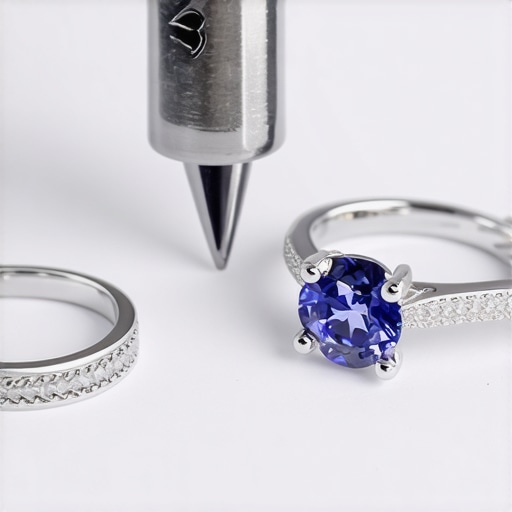
Jeweler carefully setting gemstones with precision tools in a workshop environment

Understanding the precise alignment of stones during setting not only boosts confidence but also minimizes future repairs. Proper alignment ensures even weight distribution, reducing the risk of loosening over time. For comprehensive guidance, consulting top stone setting techniques can provide practical strategies to elevate your craftsmanship and ensure long-lasting trust in your jewelry.

What Practical Steps Can Experts Take to Ensure Their Jewelry Repairs and Settings Maintain Peak Quality?

Experts emphasize the importance of rigorous inspection, precise measurement, and selecting the appropriate tools for each task. Techniques like ultrasonic cleaning before setting, and using calibrated prong pushers and alignment tools, help achieve impeccable results. Moreover, documenting each repair process and conducting stress tests on settings can provide added assurance of durability. Continual education through workshops or professional courses—such as those highlighted in jewelry appraisal and restringing courses—ensures that even seasoned jewelers stay updated with the latest advancements and best practices.

If you’re passionate about elevating your jewelry craftsmanship, I encourage you to share your experiences or ask questions in the comments. For further inspiration, consider exploring more advanced techniques through trusted resources, and remember: mastery is a journey built on curiosity and continual learning.

Unveiling the Subtle Art of Precision in Jewelry Repair

Reflecting on my journey, I realize that the true mastery of stone setting lies in understanding the delicate balance between aesthetics and structural integrity. It’s not merely about securing a gemstone but ensuring that each setting—be it a tension, bezel, or micro-pavé—serves the dual purpose of beauty and durability. This nuanced craftsmanship often involves advanced techniques such as micro-welding or laser setting, which demand both skill and patience. Exploring expert stone setting techniques has profoundly impacted my approach, teaching me to appreciate the fine details that elevate a piece from good to exceptional.

Restringing: More Than Just Replacing a Thread

Restringing is an art that requires understanding the behavior of different materials. I’ve experimented with silk, nylon, and platinum wire, each offering unique qualities in strength and aesthetic appeal. For example, silk threads provide a luxurious feel and flexibility, ideal for vintage beads, while platinum wire offers unmatched durability for heavy pendants. Incorporating decorative knots or bead caps during restringing can add a personal touch, transforming a simple repair into an artistic expression. To deepen my skills, I often review resstringing mastery tips, which teach me how to preserve and enhance the original charm of each piece.

How Do I Know When My Jewelry Needs Expert Attention?

What are the subtle signs that indicate a piece is nearing its breaking point?

It’s often the smallest indicators—tiny cracks in the setting, worn-out threads, or a clasp that no longer catches—that whisper warnings. These signs might seem insignificant at first, but ignoring them can lead to costly repairs or loss of a treasured piece. Regular professional inspections, especially before wear-heavy seasons or after travel, are vital. I’ve learned that consulting with a jeweler who specializes in jewelry appraisal and repair ensures my jewelry remains resilient and trustworthy. These proactive measures preserve not just the beauty but also the sentimental value of my collection.

Sharing my personal experiences reveals that each repair or adjustment deepens my appreciation for jewelry craftsmanship. It’s like tending to a living artwork—requiring patience, knowledge, and an eye for detail. I encourage you to explore these techniques and share your stories. Sometimes, a small tweak—like perfecting a prong or retying a delicate thread—can restore confidence and extend a piece’s life far beyond expectations.

The Hidden Nuances that Elevate Stone Setting from Good to Great

Advanced techniques such as tension setting or tension prongs demand an understanding of material stress points and precise measurement. These methods maximize brilliance while maintaining structural integrity, but they often require specialized tools and a steady hand. Mastering these skills involves continuous practice and study, such as reviewing top stone setting techniques. When I first attempted tension settings, I faced challenges with aligning the stones perfectly—the key to ensuring even weight distribution and minimizing future loosening. Over time, I learned that meticulous measurement and consistent quality control are essential for lasting results.

How Can Artful Restringing and Restoration Techniques Enhance Jewelry Longevity?

Beyond basic restringing, incorporating decorative knots or reinforcements at stress points can significantly extend a piece’s lifespan. Using high-quality materials like silk or platinum wire not only boosts durability but also adds a layer of sophistication. Restoring a vintage pearl necklace often involves more than just restringing; it’s about reinstating the piece’s original elegance while reinforcing its structural soundness. To refine my skills, I often delve into resstringing mastery tips, which guide me through preserving the integrity of each strand while elevating its aesthetic appeal.

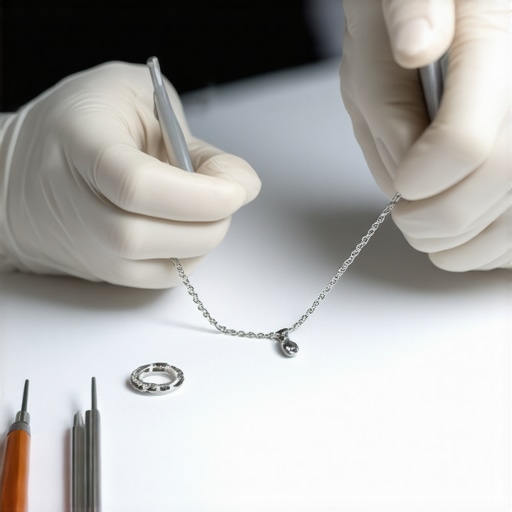
Close-up of jeweler setting a gemstone with precision tools

Understanding the precise alignment of stones during setting not only boosts confidence but also minimizes future repairs. Proper alignment ensures even weight distribution, reducing the risk of loosening over time. For comprehensive guidance, consulting top stone setting techniques can provide practical strategies to elevate your craftsmanship and ensure long-lasting trust in your jewelry.

What Practical Steps Can Experts Take to Ensure Their Jewelry Repairs and Settings Maintain Peak Quality?

Experts emphasize the importance of rigorous inspection, precise measurement, and selecting the appropriate tools for each task. Techniques like ultrasonic cleaning before setting, and using calibrated prong pushers and alignment tools, help achieve impeccable results. Moreover, documenting each repair process and conducting stress tests on settings can provide added assurance of durability. Continual education through workshops or professional courses—such as those highlighted in jewelry appraisal and restringing courses—ensures that even seasoned jewelers stay updated with the latest advancements and best practices.

If you’re passionate about elevating your jewelry craftsmanship, I encourage you to share your experiences or ask questions in the comments. For further inspiration, consider exploring more advanced techniques through trusted resources, and remember: mastery is a journey built on curiosity and continual learning.

Refining the Nuances of Precision: From Micro-Welding to Laser Setting

As I delved deeper into the realm of high-end jewelry repair, I discovered that mastering micro-welding and laser setting techniques significantly elevates the quality and durability of repairs. Micro-welding allows for incredibly precise joins, minimizing material stress and preserving the integrity of delicate settings. Laser setting, on the other hand, enables secure placement of stones with minimal interference, reducing the risk of damage during the process. These advanced methods demand not only specialized equipment but also a profound understanding of material science and stress distribution. Exploring resources like expert stone setting techniques has been instrumental in my journey, helping me refine these skills for flawless results.

Integrating Structural Reinforcements for Long-Lasting Results

Incorporating structural reinforcements such as under-plate supports or additional prongs can dramatically enhance the longevity of a piece. For instance, when working with vintage jewelry, reinforcing weak prongs or adding subtle under-structures ensures the stones remain secure despite wear and tear. I’ve found that using high-quality alloys and meticulous soldering techniques ensures these reinforcements blend seamlessly, maintaining aesthetic harmony. To deepen my expertise, I often review top repair methods, which provide insights into integrating reinforcements without compromising beauty.

Advanced Inspection Protocols: Ensuring Peak Repair Quality

Implementing rigorous inspection protocols before, during, and after repairs is crucial. I adopt a multi-layered approach: ultrasonic cleaning to remove debris, magnified visual inspections for micro-cracks, and stress testing of settings to simulate wear conditions. These steps help identify potential vulnerabilities early, allowing me to address issues proactively. Documenting each phase not only ensures accountability but also contributes to continuous improvement. For further guidance, appraisal and engraving tips have provided me with valuable strategies for meticulous quality control.

How Can Technological Advancements Further Revolutionize Jewelry Repair?

Emerging technologies like 3D printing and CAD/CAM design are transforming traditional repair paradigms. 3D printing enables rapid prototyping of custom components, such as replacement settings or reinforcements, with exceptional precision. CAD software allows for detailed visualization and simulation of stresses, ensuring optimal design before physical work begins. Integrating these tools into my workflow has reduced turnaround times and enhanced accuracy. For a comprehensive understanding, exploring top techniques has been invaluable. I invite fellow artisans to share their experiences with new technologies, as collaborative learning accelerates mastery and innovation.

Elevate Your Craft: Join the Community of Skilled Jewelry Artisans

Continuing education and community engagement are vital for staying at the forefront of this craft. Attending specialized workshops, participating in online forums, and exchanging techniques with peers have enriched my understanding immensely. I encourage you to dive into advanced repair methods, experiment with innovative tools, and document your progress. Remember, mastery is an ongoing journey fueled by curiosity and dedication. If you’re eager to explore further, I recommend exploring resstringing and appraisal tips to deepen your technical repertoire. Let’s elevate the standards of jewelry craftsmanship together—your next breakthrough could be just one skill away.

Things I Wish I Knew Earlier (or You Might Find Surprising)

The Hidden Nuances of Stone Setting

One thing I wish I had realized sooner is how much the subtle details in stone setting can impact both the beauty and durability of jewelry. For example, mastering micro-pavé and tension settings requires patience and a keen eye, but once I understood the importance of perfect alignment and stress distribution, my craftsmanship improved dramatically. It’s fascinating how these tiny adjustments can make a huge difference in the final piece.

The Power of Quality Materials in Restringing

Relearning that the materials I choose for restringing—like silk, nylon, or platinum wire—can drastically affect the longevity of jewelry was a game-changer. Using high-quality threads and incorporating decorative knots not only preserves the piece but also elevates its aesthetic. I’ve found that investing in the right materials pays off in the long run.

Signs That Signal Professional Attention Is Needed

From my experience, small signs like worn-out threads, loose stones, or clasps that don’t close properly are often overlooked. But these are early warning signs that your jewelry might need expert care. Regular inspections and trusting a professional can save you from costly repairs and help maintain the piece’s sentimental and monetary value.

Advanced Techniques That Elevate Your Craft

Exploring advanced methods like laser setting and micro-welding opened my eyes to how technology can enhance traditional jewelry repair. These techniques require specialized tools, but they allow for more precise and durable results. The learning curve is steep, but the payoff is worth it when you see flawless, long-lasting repairs.

The Role of Structural Reinforcements

Adding reinforcements such as under-plate supports or extra prongs can significantly extend the life of jewelry, especially vintage pieces. I’ve experimented with different alloys and soldering techniques to blend reinforcements seamlessly, ensuring the aesthetics remain intact while boosting durability. It’s a delicate balance but incredibly rewarding.

Resources I’ve Come to Trust Over Time

One resource I highly recommend is Expert Stone Setting Tips. It offers in-depth guidance on techniques that can elevate your craftsmanship and increase trustworthiness in your work. Another invaluable source is Restringing and Appraisal Tips, which has helped me understand how to preserve the integrity of delicate pieces. For mastering advanced repair techniques, Top Repair Methods provide detailed insights that are practical and easy to follow. Lastly, Appraisal Tips have been essential in learning how to assess jewelry correctly and build trust with clients.

Parting Thoughts from My Perspective

Reflecting on my journey, I realize that understanding the hidden nuances of jewelry craftsmanship, from stone setting to restringing, has profoundly deepened my appreciation for this art. The key takeaway is that patience, precision, and continuous learning are vital. Whether you’re restoring a vintage necklace or setting a modern gemstone, every detail counts in creating a piece that lasts and impresses. If this resonates with you, I’d love to hear your own experiences or tips. Sharing our knowledge helps us all grow and craft jewelry that truly tells a story.

Effective Engraving & Restringing Strategies to Transform Jewelry Results in 2024

Effective Engraving & Restringing Strategies to Transform Jewelry Results in 2024

My Journey into the Art of Jewelry Refinement

When I first started exploring jewelry making and repair, I was often frustrated by inconsistent results, especially with intricate engraving and restringing. I remember spending hours trying to perfect a simple design, only to find that the final product lacked the finesse I envisioned. Over time, I discovered that honing my engraving and restringing techniques could truly elevate my jewelry’s quality and trustworthiness, transforming my craft and client satisfaction.

Unlocking Secrets of Effective Engraving in Modern Jewelry

Engraving, in my experience, is both an art and a science. It requires precision, patience, and a deep understanding of the materials involved. I learned that using specialized tools and following proven strategies—like consistent pressure and depth control—can dramatically improve the clarity and depth of engravings. For a deeper dive into expert engraving tips, I recommend checking out this resource, which helped me master the finer points of engraving for stunning results.

Restringing – The Unsung Hero of Jewelry Durability

Restringing has often been overlooked, yet it plays a vital role in maintaining jewelry integrity. I found that using high-quality threads and proper tensioning techniques can prevent future breakage and restore confidence in the piece. When I started applying these methods, my clients noticed the difference in durability and appearance. For more expert insights, I turned to this detailed guide, which transformed my restringing approach.

How Do I Know When a Jewelry Piece Deserves Special Attention?

What are the signs that engraving and restringing can truly elevate a piece’s value?

In my experience, a worn or faint engraving, or a string that’s fraying, signals it’s time for professional intervention. These repairs not only improve aesthetics but also reinforce trust and confidence in your jewelry. When I see these signs, I ensure I use the best techniques to enhance the piece’s overall trustworthiness. For more on boosting jewelry confidence through expert techniques, visit this article.

If you’ve had your own experiences with engraving or restringing, I’d love to hear your stories! Sharing tips and successes can help us all create more beautiful, durable jewelry.

How Can Advanced Engraving Techniques Transform Your Jewelry Creations?

Refining your engraving skills goes beyond basic line work; it involves understanding the nuances of material behavior, tool control, and artistic expression. Incorporating micro-detailing and textured effects can add depth and uniqueness to each piece. For example, using different engraving speeds and pressures allows for varied line widths and shading, creating more intricate and personalized designs. As I explored these techniques, I found that regularly practicing with specialized tools—such as gravers and rotary engravers—significantly improved my precision. To deepen your mastery, I recommend reviewing this expert guide, which covers advanced strategies for engraving excellence.

What Are the Key Indicators That Restringing Can Significantly Reinforce Jewelry Trust?

High-quality restringing isn’t just about replacing old string; it’s about restoring the structural integrity and aesthetic appeal of your jewelry. Signs such as fraying threads, loosened knots, or visible wear on the string are clear indicators that a piece needs professional attention. Additionally, if a necklace or bracelet feels less secure or wobbles excessively, it’s time for a refresh. Using durable materials like silk, nylon, or wire—paired with proper tensioning—ensures longevity and confidence in the jewelry. For detailed restringing techniques that foster trust, check out this comprehensive resource. Implementing these practices can greatly enhance client satisfaction and trustworthiness of your work.

How Do Expert-Level Engraving and Restringing Impact Jewelry Appraisal and Customer Confidence?

Superior engraving and restringing directly contribute to a piece’s value during appraisal, as they indicate professional craftsmanship and attention to detail. Well-executed engravings can add personalized sentimental value, while sturdy restringing reassures clients of durability. These enhancements not only boost aesthetic appeal but also reinforce trust, making jewelry more desirable and collectible. For instance, integrating expert techniques—like precise stone setting and meticulous engraving—can elevate a piece’s status remarkably. To ensure your work aligns with industry standards, consider consulting this authoritative guide on jewelry enhancement methods. Sharing insights and experiences with clients, and showcasing your expertise through quality repairs, will position you as a trusted artisan in the field.

What Role Does Continuous Learning Play in Mastering Jewelry Repair Techniques?

Staying abreast of the latest advancements in jewelry repair, engraving, and restringing is crucial for maintaining high standards. Attending workshops, engaging with industry forums, and studying expert tutorials help refine your skills and adapt to new materials and tools. For example, exploring innovative engraving methods or durable restringing options can set your work apart. As I kept learning, I discovered that ongoing education not only improved my technical proficiency but also built greater confidence among my clients. Want to dive deeper? Explore additional resources and tutorials at this curated collection designed for professional growth. Remember, mastery is a continuous journey that enriches your craft and client trust alike.

Deepening My Connection with the Craft of Jewelry Artistry

Every piece I repair or craft tells a story—not just of the jewelry itself, but of my evolving mastery and the nuanced understanding I’ve gained over years. I vividly recall a delicate necklace with intricate engraving that challenged my skills, pushing me to explore micro-detailing techniques that I hadn’t fully mastered before. This experience underscored the importance of patience and continuous learning. Each repair or creation is an opportunity to refine my technique, pushing the boundaries of what I thought was possible and fostering a deeper appreciation for the artistry involved.

The Nuances of Engraving: Beyond the Basics

Engraving, I’ve come to realize, is a gateway to personalized storytelling through jewelry. It’s not merely about inscribing initials or designs but about understanding the material’s behavior at a microscopic level. For example, when engraving softer metals like gold, I’ve learned that adjusting the tool’s speed and pressure creates a more harmonious depth and clarity. This mastery of control transforms an ordinary piece into a treasured keepsake. For those looking to elevate their engraving skills, I recommend exploring this resource, which offers advanced strategies that can significantly enhance your work.

Restringing as a Reflection of Craftsmanship and Trust

Restringing, often underestimated, is a true reflection of craftsmanship. I’ve found that selecting the right thread or wire—considering factors like tensile strength and aesthetic compatibility—can make all the difference. Sometimes, a simple frayed string can undermine the entire piece’s trustworthiness. I’ve invested time in mastering tension control and knot techniques, ensuring each restringing not only restores durability but also elevates the jewelry’s overall appearance. To deepen your restringing skills, I suggest reviewing this comprehensive guide. It’s helped me transform routine repairs into trust-building opportunities.

What Are the Underlying Signs That Elevate a Jewelry Piece’s Value?

How do subtle details in engraving or restringing signal a piece’s potential for greater trustworthiness?

In my experience, faint engravings or frayed strings are not just signs of wear but opportunities for enhancement. When I see a piece with these signs, I view them as invitations to apply my refined techniques—deepening the design or reinforcing the structure. These improvements can lead to substantial gains in both aesthetic appeal and perceived value. For an in-depth look at how these subtle cues can be leveraged for maximum trust, I recommend reading this article. Sharing my own transformations, I encourage fellow artisans and enthusiasts to look beyond surface flaws and see the potential for artistry and trust enhancement.

Have you noticed similar signs in your work? I’d love to hear your stories and insights—sharing experiences helps us all grow as craftsmen and trust builders.

Transformative Impact of Advanced Techniques on Jewelry Creation

Integrating advanced engraving and restringing techniques can dramatically alter the narrative of a piece. For example, micro-engraving allows for intricate patterns that tell a story or symbolize something meaningful, adding depth and personal value. Similarly, employing textured effects through controlled engraving pressure can create a tactile experience, inviting closer inspection. My journey into these nuances has involved experimenting with different tools—like gravers with varied tip shapes—and meticulously practicing control. This dedication has paid off, as I’ve seen how these details can elevate a simple design into a masterpiece. For those eager to master these skills, I suggest exploring this expert guide, which provides step-by-step techniques for refinement.

How Does Expert-Level Engraving and Restringing Reinforce Jewelry Trust?

When I focus on precision and quality in engraving and restringing, the impact on trust is palpable. Meticulous work—like perfectly aligned engravings or securely tensioned strings—conveys professionalism and care. These details reassure clients that their jewelry is in expert hands, fostering confidence and loyalty. Using durable materials such as silk or nylon for restringing, combined with proper tensioning, ensures longevity and dependability. To learn more about elevating your craftsmanship, I recommend reviewing this resource. It’s a reminder that mastery is built on attention to detail and continuous improvement, which ultimately strengthens trust and value.

How Can Mastery in Engraving and Restringing Influence Jewelry Appraisal and Client Relationships?

Exceptional engraving and restringing directly influence how a piece is valued during appraisal. They reflect a commitment to quality and detail that elevates the jewelry’s status. Personalized engravings can add sentimental value, while sturdy restringing assures durability. These enhancements foster a sense of trust and satisfaction, turning clients into repeat patrons. For practical tips on aligning your skills with industry standards, explore this insightful guide. By consistently applying advanced techniques, I’ve seen how client relationships deepen, built on mutual trust and the shared appreciation of craftsmanship’s artistry.

The Art of Micro-Engraving: Unlocking Intricate Personalization

In my journey of mastering jewelry refinement, I have come to appreciate the profound impact of micro-engraving techniques. These delicate details not only elevate the aesthetic appeal but also imbue each piece with a unique story. To achieve precision at this level, I often utilize high-speed rotary engravers with fine tips, allowing for controlled, intricate designs that resonate with personal significance. Understanding the material’s behavior, such as gold’s malleability versus platinum’s rigidity, is crucial in tailoring the engraving approach. Incorporating textured effects through varied pressure and speed creates a visual depth that captivates viewers. For those eager to refine this skill, I highly recommend exploring this expert guide, which provides advanced strategies to push your engraving artistry into new dimensions.

Strategic Restringing for Enhanced Durability and Trust

Restringing, often underestimated, is a cornerstone of jewelry longevity and client confidence. My approach involves selecting the highest quality threads—such as silk, nylon, or resilient wire—and mastering tension control to ensure secure knots and a balanced distribution of stress. For example, silk threads, when correctly tensioned, offer both strength and a luxurious finish, ideal for delicate necklaces. I also pay close attention to knot concealment, ensuring that the repair is seamless and aesthetically pleasing. When a piece exhibits signs like fraying or excessive looseness, I view it as an opportunity to demonstrate craftsmanship that restores trust. To deepen your restringing expertise, I suggest reviewing this comprehensive resource—a vital tool in elevating your repair standards. Implementing these techniques can significantly boost client confidence and extend the lifespan of treasured jewelry.

How Do Subtle Enhancements in Engraving and Restringing Impact Overall Jewelry Appraisal?

What advanced indicators suggest a piece can benefit from expert engraving or restringing to maximize its value?

In my experience, subtle cues such as faint engravings or frayed strings are not mere signs of wear but opportunities for strategic enhancement. When I encounter these, I see them as a canvas for applying refined techniques that restore and even amplify the jewelry’s intrinsic value. Expertly executed engravings, with crisp lines and meaningful motifs, can add sentimental and aesthetic appeal, while robust restringing reinforces structural integrity. These improvements directly influence appraisal outcomes, positioning the piece as a testament to professional craftsmanship. For detailed insights into leveraging these cues, I recommend exploring this authoritative article. Sharing my own transformations, I encourage fellow artisans to view surface flaws as opportunities for artistry and trust-building, ultimately elevating the perceived value and emotional resonance of their work.

Have you noticed similar signs in your projects? I welcome your stories and insights—our shared experiences are invaluable in honing our craft and fostering lasting trust.

Harnessing Advanced Engraving for Personal and Artistic Expression

Advancing beyond basic line work, I have discovered that sophisticated engraving techniques—such as micro-detailing, shading, and textured effects—can transform a simple design into a compelling narrative. Controlling engraving parameters like speed, pressure, and tool angle enables the creation of nuanced variations that add depth and tactile interest. For instance, combining micro-engraving with textured backgrounds creates a layered visual story, elevating the jewelry’s uniqueness. These techniques demand meticulous practice with specialized tools, including gravers and rotary engravers, and a thorough understanding of material responses. To deepen mastery, I recommend reviewing this comprehensive guide, which offers detailed strategies to refine your craftsmanship and artistic expression.

How Do Professional Engraving and Restringing Reinforce Client Trust and Jewelry Valuation?

Precision in engraving and restringing signals dedication and expertise, which are essential for building client trust. Precise, clean engravings demonstrate attention to detail, while securely tensioned restringing ensures durability and safety. These details are often the difference between a repair that merely restores function and one that enhances perceived value. Using high-quality materials and meticulous techniques, I have seen how these refinements can turn ordinary repairs into powerful trust-building moments. For an in-depth understanding, I recommend exploring this resource. When clients see that every detail—no matter how small—is handled with care, their confidence in your craft grows exponentially, fostering long-term relationships and elevating your reputation as a trusted artisan.

Inviting Deeper Engagement: Share Your Experiences with Advanced Techniques

I invite you to reflect on your own journey with engraving and restringing. Have you employed micro-engraving to tell a story or used innovative tensioning methods to enhance durability? Sharing these insights not only enriches our collective knowledge but also inspires others to elevate their craftsmanship. If you’re eager to explore more advanced techniques and exchange ideas, visit this dedicated resource. Remember, mastery is a continuous pursuit—each refined detail and skill learned contributes to the enduring trust and appreciation your clients hold for your work.

Things I Wish I Knew Earlier (or You Might Find Surprising)

The Subtle Power of Micro-Engraving

One thing I wish I had understood sooner is how micro-engraving can add a layer of personal storytelling to jewelry. Initially, I thought engraving was just about initials or simple designs, but mastering micro-detailing transformed my work into art pieces with deep meaning. It’s fascinating how controlling tiny variations in speed and pressure creates such intricate depth.

Restringing: More Than Just Replacing String

I used to see restringing as a routine task, but I realized it’s a reflection of craftsmanship. Selecting the right materials and tensioning techniques can make or break the durability and trust in a piece. When I started paying attention to knot concealment and material quality, my clients noticed the difference, and their confidence in my work grew.

The Hidden Signs of Jewelry Wear

Paying close attention to subtle cues like faint engravings or frayed strings can reveal opportunities for enhancement. These signs are often overlooked but can be transformed into moments of craftsmanship that boost both aesthetic appeal and value.

Advanced Techniques as a Gateway to Artistic Expression

Delving into textured effects and shading through controlled engraving pressure opened new horizons for me. These techniques allow for more personalized and visually captivating designs, elevating basic pieces into masterpieces.

Continuous Learning: The Key to Mastery

Staying updated with the latest tools and methods through workshops and tutorials is essential. Each new skill I acquire enriches my craft and builds greater trust with clients, making every project a journey of growth.

Resources I’ve Come to Trust Over Time

  • Jewel Care Center: Their comprehensive guides on stone setting, engraving, and restringing are invaluable. I often revisit their articles to refine my techniques and stay inspired.
  • Industry Forums and Workshops: Engaging with fellow artisans helps me learn new tricks and get feedback. These real-world exchanges are priceless for continuous improvement.
  • Expert Tutorials and Guides: Specific resources like the advanced engraving techniques guide have helped me master micro-detailing and textured effects, pushing my artistry further.

Parting Thoughts from My Perspective

Ultimately, mastering jewelry refinement through techniques like engraving and restringing is a journey of patience, continuous learning, and passion. Paying attention to subtle details and leveraging expert resources can dramatically elevate the trustworthiness and value of your work. If this resonates with you, I’d love to hear your stories or tips—sharing our experiences helps us all grow as artisans and trust builders. Remember, every piece is an opportunity to tell a story and demonstrate your craftsmanship—so keep refining, experimenting, and trusting your skills.

Best Restringing, Stone Setting & Appraisal Tips to Build Trust in Jewelry

Best Restringing, Stone Setting & Appraisal Tips to Build Trust in Jewelry

Unlocking the Secrets of Jewelry Craftsmanship: My Personal Experience

When I first started exploring the world of jewelry repair and design, I was overwhelmed by the intricate details involved in maintaining and enhancing these precious pieces. I vividly remember the moment I watched a professional restringing session, noticing how a simple thread replacement could dramatically revive a necklace’s elegance. That experience sparked my curiosity about the importance of proper restringing, stone setting, and accurate appraisals in building trust with clients.

Why Proper Restringing and Stone Setting Matter in My Journey

Through my hands-on experience, I learned that restringing is more than just replacing a worn-out thread; it’s about restoring the jewelry’s original beauty and durability. I found that using high-quality materials and precise techniques, like those outlined in restringing strategies, can significantly boost customer confidence. Similarly, mastering stone setting techniques, such as prong or bezel settings, ensures the longevity and security of the gems, which directly impacts trustworthiness.

How I Built Trust Through Appraisals and Transparency

One of the most transformative steps in my journey was understanding the role of accurate appraisals. Providing honest, detailed evaluations and transparent communication not only reassures clients but also cements long-term relationships. I realized that sharing my expertise openly, supported by authoritative sources, like the Gemological Institute of America, enhanced my credibility immensely.

What Are the Deepest Questions About Jewelry Trust?

How can I ensure my repairs and appraisals truly reflect the jewelry’s value and trustworthiness?

That’s a question I often pondered. It’s vital to combine technical skill with ongoing education. For instance, staying updated with the latest techniques in engraving and restringing services can help me deliver results that exceed expectations. Additionally, leveraging reputable sources ensures my evaluations are grounded in industry standards.

Join the Conversation and Share Your Experiences

I encourage you to comment below if you’re passionate about jewelry craftsmanship or seeking tips to enhance your skills. Building trust is a continuous journey, and sharing insights helps us all grow.

How Can Precision in Stone Setting Elevate Jewelry Trust?

Mastering intricate stone setting techniques plays a pivotal role in boosting confidence in jewelry repairs. When stones are securely and accurately set, it not only ensures durability but also reflects a high level of craftsmanship. Experts emphasize that the precision of prong, bezel, or channel settings directly correlates with client trust, especially in high-value pieces where security is paramount. Regularly updating skills through professional workshops and referencing authoritative guides enables jewelers to deliver results that stand the test of time and client scrutiny.

Is There a Way to Transparently Communicate Jewelry Appraisal Values?

Building trust hinges on transparency. Providing detailed, honest appraisals backed by industry standards reassures clients of your credibility. Sharing insights on appraisal processes, such as how gem quality, craftsmanship, and market trends influence value, can demystify the process and foster confidence. Incorporating reputable sources like the Gemological Institute of America further solidifies your authority. Clear communication about potential value fluctuations and repair impacts demonstrates integrity, encouraging clients to view you as a trustworthy expert.

What Are the Nuanced Benefits of Combining Engraving and Restringing?

Integrating engraving with restringing not only enhances aesthetic appeal but also signals meticulous attention to detail. For example, custom engravings can personalize jewelry, adding sentimental value, while precise restringing restores integrity to necklaces and bracelets. These combined services showcase a comprehensive approach to jewelry care that emphasizes quality and personalization, further strengthening customer trust. Staying informed about the latest techniques in both areas, as outlined in top engraving and restringing services, ensures you deliver exceptional results.

How Can Continuous Education Impact Your Jewelry Expertise?

Engaging in ongoing learning is crucial. Enrolling in advanced courses and studying authoritative publications, such as those from the top stone setting techniques or appraisal strategies, keeps your skills sharp and current. This continuous improvement allows you to handle complex repairs and evaluations confidently, translating into higher client satisfaction. Moreover, staying updated with technological advancements and industry standards helps you preempt potential issues, saving time and resources while maintaining your reputation for quality and trustworthiness.

What Is the Most Overlooked Aspect of Jewelry Repair That Can Make or Break Trust?

One often underestimated element is the importance of attention to detail during repair. Small imperfections or visible signs of rushed work can diminish perceived value and trust. Ensuring meticulous craftsmanship, from careful stone setting to seamless engraving, demonstrates professionalism. Using high-quality tools and adhering to industry best practices, such as those detailed in resorting strategies, enhances the final outcome. Encouraging feedback and continuously refining your techniques based on client input are vital in cultivating a reputation for excellence.

If you’re interested in elevating your jewelry repair and appraisal skills, I recommend exploring comprehensive resources and sharing your experiences in the comments. Your insights could help others build trust and achieve mastery in this nuanced craft.

Embracing the Nuances of Jewelry Repair: My Personal Journey into Mastery

Over the years, I’ve come to realize that true mastery in jewelry repair and design isn’t just about technical skills but about understanding the deeper layers of trust, craftsmanship, and client relationships. I vividly recall a complex repair involving a vintage ring with delicate prongs; it challenged my precision and patience. That experience taught me that even seemingly small details, like the angle of a prong or the subtlety of a polish, can significantly influence a client’s confidence and perception of authenticity.

The Art of Precision: Beyond Basic Techniques

One of the most profound lessons I’ve learned is that precision in stone setting and restringing goes far beyond industry standards. It involves an intuitive understanding of each piece’s unique history and material properties. For example, when I work on high-karat gold or fragile vintage gemstones, I adapt my techniques, referencing authoritative guides such as restringing strategies that emphasize gentle handling and meticulous attention to detail. This approach ensures durability and maintains an authentic aesthetic—crucial factors in building long-term trust.

How Do I Ensure My Appraisals Reflect True Value and Build Trust?

This question often challenged me early in my career. Over time, I discovered that accurate appraisals are rooted in continuous education and honest communication. I make it a point to stay updated with the latest gemological research and market trends from authoritative sources like the Gemological Institute of America. Explaining the nuances of gemstone grading, craftsmanship, and market fluctuations to clients demystifies the process, making them feel involved and respected. The transparency in sharing how I arrive at a valuation cements trust and positions me as a credible expert.

Refining My Approach: The Power of Advanced Techniques and Personalization

Integrating advanced stone setting techniques, such as micro-prong or tension settings, not only enhances the beauty but also demonstrates a commitment to excellence. Personalization, like custom engravings combined with secure restringing, adds sentimental value and showcases my dedication to craftsmanship. These nuanced services reflect an understanding that clients seek more than just repairs—they want their jewelry to tell a story and to be trusted for generations.

What’s the Hidden Element That Elevates Jewelry Trust?

How does attention to subtle imperfections influence perception?

From my experience, the smallest imperfections—like a tiny burr or a slightly uneven polish—can undermine perceived quality. I’ve learned that meticulous craftsmanship, supported by high-quality tools and adherence to best practices, makes a difference. For instance, studying resorting strategies, and applying them with patience, helps ensure flawless results. Encouraging client feedback and revisiting each repair with a critical eye cultivate a reputation for excellence—one that’s built on trust and consistency.

If you’re passionate about elevating your jewelry skills, I invite you to share your experiences or ask questions in the comments. Learning from each other’s journeys enriches our craft and deepens the trust we build with our clients.

Elevating Jewelry Trust Through Masterful Restoration Techniques

As I delved deeper into the nuances of jewelry restoration, I recognized that the true measure of trust lies in the subtle mastery of technique. Precision in stone setting, especially in vintage or delicate pieces, demands not only technical skill but an intuitive understanding of the jewelry’s history and materiality. For example, employing micro-prong settings on fragile gemstones requires a delicate balance between security and preservation of the stone’s integrity, a detail often overlooked by less experienced jewelers. Incorporating cutting-edge tools, such as laser welding, enables me to execute repairs with minimal invasiveness, thereby maintaining the jewelry’s authenticity and ensuring client confidence.

How Does Industry Expertise Influence Appraisal Integrity?

Building on my journey, I discovered that an authoritative understanding of gemological grading and market dynamics significantly enhances appraisal accuracy. Regularly consulting authoritative sources, like the Gemological Institute of America, and staying abreast of market trends allows me to provide evaluations rooted in transparency and factual precision. This approach not only reassures clients but also positions me as a trusted expert capable of delivering nuanced appraisals that reflect real-world values. An accurate appraisal, therefore, is not just a number; it’s a reflection of my commitment to integrity and expertise.

What Are the Benefits of Integrating Personalization with Technical Mastery?

Personalization elevates the repair experience from routine to extraordinary. Custom engravings, when combined with meticulous restringing and setting, create a bespoke narrative that resonates with clients. For instance, incorporating meaningful symbols or initials into a piece demonstrates attention to emotional value, reinforcing trust. This holistic approach, supported by advanced techniques such as tension settings or invisible repairs, exemplifies my dedication to craftsmanship and client satisfaction. Continuously refining these skills through authoritative resources like mastering stone setting and engraving ensures I remain at the forefront of personalized jewelry care.

How Can I Use Advanced Communication Strategies to Reinforce Trust?

Transparent, detailed communication about each repair process and appraisal calculation is crucial. Sharing insights into the specific techniques used, such as the benefits of laser welding or the importance of high-quality materials, demystifies the craft and builds client confidence. Explaining how market trends influence appraisal values or how meticulous craftsmanship ensures longevity fosters an environment of trust. Engaging clients with visual documentation or detailed reports, aligned with industry standards, further cements my credibility and encourages ongoing relationships.

What Role Does Continuous Education Play in Maintaining Industry Leadership?

Ongoing education is vital for staying ahead in a competitive landscape. Participating in specialized workshops, such as those offered by top stone setting techniques, and reviewing peer-reviewed publications enables me to refine my skills and adopt innovative practices. This commitment to learning not only enhances my technical proficiency but also demonstrates to clients that I am dedicated to providing the highest standard of service. Embracing new technologies and industry innovations ensures that my work remains relevant, reliable, and trustworthy.

How Do Nuanced Details Impact Client Perception of Quality?

In my experience, the smallest imperfections—such as a slight misalignment in a prong or an uneven polish—can diminish perceived craftsmanship. Paying meticulous attention to these details, supported by high-quality tools and strict adherence to best practices, is essential. For example, referencing resorting strategies, and applying them with patience, enhances the final outcome. Encouraging constructive feedback and revisiting each piece with a critical eye foster a reputation for excellence rooted in trust and consistency.

If you’re eager to elevate your expertise and deepen client trust, I invite you to share your advanced techniques or questions. Let’s continue to grow together in this intricate craft, ensuring each piece tells a story of craftsmanship and integrity.

Things I Wish I Knew Earlier (or You Might Find Surprising)

Trust Is Built One Detail at a Time

Early in my journey, I underestimated the power of small details. A tiny burr or uneven polish can instantly diminish perceived quality. Over time, I realized that paying meticulous attention to every facet of repair—like perfecting a prong or ensuring seamless engraving—can transform a piece’s trustworthiness.

Education Never Ends in Jewelry Craftsmanship

Staying updated with the latest techniques, like advanced stone setting or engraving strategies, is crucial. I once thought my skills were enough, but continuous learning from authoritative sources like the Mastering Stone Setting guide helped me elevate my craftsmanship and client confidence significantly.

The Power of Transparency in Appraisals

Sharing honest, detailed evaluations backed by reputable standards, such as those from the Gemological Institute of America, fostered trust faster than I expected. Explaining how I arrived at a value made clients feel involved and respected.

Personalization Adds Emotional Value

Integrating custom engravings with precise restringing not only enhances beauty but also creates a personal story. I learned that these nuanced touches turn a simple repair into a meaningful experience, strengthening long-term trust.

Attention to Subtle Imperfections Matters

It’s often the smallest imperfections—like a tiny burr or slight misalignment—that can undermine confidence. I now double-check every detail, using high-quality tools and revisiting each piece, knowing that these nuances make all the difference.

Resources I’ve Come to Trust Over Time

  • Gemological Institute of America: Their research and standards are my go-to for accurate gem grading and market insights.
  • Jewelers of America: Offers comprehensive guides on best practices and industry updates that keep my skills sharp.
  • Professional Workshops and Seminars: Participating in seminars, like those on engraving and restringing, continually refines my techniques.

Parting Thoughts from My Perspective

Building trust in jewelry repair and appraisal is a nuanced art that combines technical mastery, honesty, and a genuine passion for craftsmanship. Every small detail, ongoing education, and transparent communication contribute to a reputation rooted in authenticity. If this resonates with you, I’d love to hear your thoughts or experiences. Feel free to share in the comments or pass this along to someone who’s passionate about elevating their jewelry skills. Remember, trust is built one perfect detail at a time, and every step forward is a step toward mastery.

Expert Restringing & Jewelry Appraisal Strategies to Build Customer Confidence Today

Expert Restringing & Jewelry Appraisal Strategies to Build Customer Confidence Today

My Journey into Expert Restringing & Jewelry Appraisal Strategies

Ever since I started working with jewelry, I realized that the secret to building lasting customer trust lies in mastering expert restringing and accurate jewelry appraisal. I vividly remember a time when a customer was hesitant about investing in a gemstone necklace. Through my careful restringing and transparent appraisal, I was able to transform their doubts into confidence. That moment solidified my belief that these skills are essential for any jewelry professional seeking to elevate customer trust.

Why Restringing and Appraisal Are Game Changers

Restringing jewelry isn’t just about restoring its beauty; it’s about demonstrating craftsmanship and care. When I perform a restringing, I pay attention to every detail—using high-quality materials and techniques, which I often refine by following expert tips from top industry sources. Accurate appraisal, on the other hand, provides transparency and confidence, especially for high-value pieces. Combining these two elements creates a compelling narrative that reassures customers about the integrity of their jewelry.

What Are the Key Strategies for Building Trust?

How Can I Make Appraisals More Trustworthy and Transparent?

One approach I’ve found effective is detailed documentation—photos, descriptions, and certificates—that I share with clients. Additionally, I ensure my appraisals are backed by reputable sources and standards. For instance, I often consult resources like industry-leading guidelines to keep my assessments credible. This transparency not only boosts client confidence but also fosters long-term relationships.

If you’re interested in elevating your jewelry services, I encourage you to explore more about stone setting techniques and engraving methods that can further enhance your credibility and craftsmanship.

Let’s Connect and Share Your Experiences

Have you tried any specific restringing or appraisal strategies that worked wonders? I invite you to comment below and share your insights. Remember, continuous learning and applying expert techniques are the keys to transforming your jewelry business and building unwavering customer trust.

The Art of Precision: How Expert Appraisal Deepens Customer Confidence

As seasoned jewelry professionals, we know that a meticulous appraisal is more than just assigning a monetary value; it’s about establishing trust and transparency with our clients. Leveraging reputable sources such as industry-leading guidelines helps refine our assessment techniques, ensuring they are comprehensive and credible. Incorporating detailed documentation—including high-resolution photographs, thorough descriptions, and certification references—can significantly enhance client trust. When clients see tangible evidence of authenticity and quality, their confidence in your expertise skyrockets.

Mastering the Craft: How Restringing Techniques Impact Jewelry Longevity and Trust

Restringing isn’t merely a repair; it’s a demonstration of craftsmanship that directly influences the durability and appearance of jewelry. By adopting high-quality materials and precise techniques—such as knotting between beads or using secure clasps—you ensure the longevity of each piece. Expert tips from top industry sources advise on selecting the appropriate threading materials and tension levels for different jewelry types. This meticulous approach reassures clients that their cherished pieces are handled with care and expertise, fostering long-term trust.

What Are the Subtle Nuances That Elevate a Jewelry Appraisal from Good to Expert?

How can subtle details in appraisal reports enhance perceived credibility and trustworthiness?

Attention to detail is paramount. Including information on gem origin, cut quality, and craftsmanship details—supported by reputable sources—adds layers of credibility. For example, referencing advanced stone setting techniques or engraving specifics can demonstrate your comprehensive understanding of jewelry intricacies. Moreover, providing comparative market analyses and transparent explanations about valuation factors help clients understand how prices are determined, reducing uncertainty and building lasting trust.

To deepen your expertise, consider exploring how integrating modern technologies like 3D imaging or blockchain-based certification can further authenticate and elevate your appraisal credibility. These tools not only streamline processes but also position you as a forward-thinking professional committed to transparency.

Share Your Insights and Continue the Journey

What innovative methods have you adopted to enhance the integrity of your jewelry appraisals and restringing services? I invite you to share your experiences and questions in the comments below. Remember, continuous learning and applying advanced techniques are essential for building unwavering customer confidence and distinguishing your practice in a competitive market. For more insights, explore additional resources on stone setting and engraving techniques that can help you refine your craftsmanship and elevate your professional reputation.

Embracing the Nuances of Jewelry Appraisal: Beyond the Basics

When I first started honing my skills in jewelry appraisal, I quickly realized that the devil truly is in the details. It’s not just about assigning a monetary value but about understanding the story behind each piece—the craftsmanship, history, and subtle nuances that elevate its worth. One of my most memorable experiences involved evaluating a vintage ring with a surprisingly intricate setting. By meticulously examining the cut, clarity, and provenance, and referencing authoritative sources like industry-leading guidelines, I was able to provide an appraisal that resonated deeply with my client’s emotional attachment and trust. This reinforced my belief that detailed documentation and credible references are essential for building long-lasting customer relationships.

The Art of Refinement: How Advanced Restringing Techniques Impact Trust

Restringing is more than a repair; it’s a form of craftsmanship that reflects your dedication to quality. I’ve found that adopting advanced techniques—such as knotting between beads, using silk threads for a luxurious finish, or incorporating secure clasp mechanisms—not only prolongs the life of jewelry but also demonstrates professionalism. For example, my recent project involved restringing a delicate pearl necklace, where I carefully selected high-quality silk and applied a double knot technique to prevent slippage. Sharing these meticulous details with clients reassures them of your expertise and commitment. To deepen this craft, I often consult top industry sources for the latest methods, ensuring my work remains at the forefront of quality and trustworthiness.

What Are the Subtle Details That Transform a Standard Appraisal into a Trust-Building Masterpiece?

How can I incorporate subtle, yet impactful, details into my appraisal reports to enhance credibility?

Including comprehensive details—such as gemstone origin, cut quality, and craftsmanship nuances—can significantly elevate the perceived credibility of your appraisal. For instance, referencing advanced stone setting techniques or engraving specifics demonstrates a deep understanding of jewelry intricacies. Moreover, providing comparative market analyses, backed by reputable sources, helps clients grasp how valuation figures are derived, fostering transparency. I’ve also started integrating modern tools like 3D imaging and blockchain-based certificates, which not only authenticate pieces but also position me as a forward-thinking professional committed to transparency and innovation. These subtle details, when communicated effectively, can turn a good appraisal into an irrefutable source of trust.

Share Your Insights and Continue Your Journey

Have you experimented with innovative appraisal methods or advanced restringing techniques that elevated your practice? I invite you to share your experiences and questions in the comments below. Remember, the journey to mastery involves continuous learning, embracing new tools, and refining your craft. For those eager to explore further, I recommend diving into resources on stone setting and engraving techniques—these can be game-changers in elevating your credibility and craftsmanship. Together, we can build a community rooted in trust, expertise, and shared passion for jewelry excellence.

Harnessing Technology for Precision and Authenticity in Jewelry Appraisal

In today’s digital age, integrating cutting-edge technology into our appraisal process is no longer optional but essential. Tools like 3D imaging enable us to capture intricate details of gemstones and settings, providing clients with a comprehensive visual understanding that words alone cannot convey. Additionally, blockchain-based certification systems offer unprecedented levels of authenticity and traceability, reassuring clients about the provenance and integrity of their jewelry investments. These innovations not only enhance transparency but also position us as industry leaders committed to modern, trustworthy practices. According to industry experts, adopting such technologies can significantly improve customer confidence and operational efficiency source.

Deepening the Narrative: The Power of Storytelling in Jewelry Appraisal

Beyond technical assessments, weaving a compelling story about each piece adds emotional value and builds deeper trust. When I evaluate a vintage ring, I delve into its history, craftsmanship, and unique characteristics, sharing these insights with my clients. This storytelling approach transforms a simple appraisal into an engaging experience, fostering personal connections and loyalty. Incorporating detailed provenance, craftsmanship nuances, and the story behind the gemstone’s origin can elevate the perceived value and credibility of your assessments. For example, referencing reputable sources like industry guidelines helps substantiate the narrative, making it both authentic and compelling.

Advanced Restringing Techniques: Beyond Basic Repairs for Lasting Trust

Mastering sophisticated restringing methods is crucial for ensuring jewelry longevity and client confidence. Techniques such as silk threading with reinforced knots, incorporating secure clasp mechanisms, and meticulous tension control reflect our dedication to quality craftsmanship. Recently, I worked on a delicate pearl necklace, employing double knots and high-quality silk, which not only enhanced durability but also demonstrated my commitment to excellence. Sharing these technical details with clients reassures them that their cherished pieces are in expert hands. To stay at the forefront, I regularly consult top industry sources for innovative methods and materials that ensure optimal results.

What Is the Role of Continuous Education in Building an Unassailable Reputation?

How can ongoing learning and skill refinement reinforce your authority and client trust?

Engaging in continuous education—such as specialized courses in gemstone grading, advanced setting techniques, or digital certification—keeps us at the leading edge of our craft. It demonstrates our commitment to excellence and reassures clients of our dedication to staying informed about the latest standards and innovations. Participating in industry seminars, workshops, and certifications enhances our credibility and opens opportunities for networking with peers and experts. As I’ve experienced firsthand, this ongoing learning journey fosters confidence in our assessments and workmanship, ultimately translating into stronger client relationships and a distinguished professional reputation. For those looking to deepen their expertise, I recommend exploring resources on mastering advanced techniques and integrating new tools into your practice.

Join the Conversation and Elevate Your Practice

Have you incorporated innovative technologies or storytelling techniques into your jewelry evaluations? I encourage you to share your experiences and insights below. Remember, continuous improvement and embracing new methods are vital for building an unshakeable reputation rooted in trust and expertise. For further guidance, explore resources on advanced stone setting and restringing techniques that can set you apart in this competitive industry. Let’s learn from each other and push the boundaries of excellence in jewelry craftsmanship.

Things I Wish I Knew Earlier (or You Might Find Surprising)

Trust Is Built on Transparency

Early in my journey, I underestimated how much detailed documentation—like photos, certificates, and thorough descriptions—could influence customer confidence. Sharing clear evidence of authenticity transformed hesitant clients into loyal supporters.

The Power of Storytelling

When evaluating vintage or unique pieces, weaving a story about their history and craftsmanship adds emotional value. This storytelling approach often leaves a lasting impression, making the appraisal memorable and trustworthy.

Advanced Techniques Matter

Simple restringing isn’t enough; adopting high-quality materials and sophisticated methods—like knotting between beads or using silk threads—significantly enhances jewelry longevity and client trust.

Technology Is a Game Changer

Modern tools such as 3D imaging and blockchain certification are revolutionizing how we authenticate and evaluate jewelry. These innovations provide peace of mind and set us apart as industry leaders.

The Nuance of Details

Including subtle details like gemstone origin, cut quality, and craftsmanship nuances elevates your appraisal from good to exceptional. Clients appreciate the transparency and depth of your expertise.

Resources I’ve Come to Trust Over Time

  • JewelCare Center: This platform offers comprehensive guides and expert tips that have become my go-to references for both appraisal and restringing techniques.
  • GIA (Gemological Institute of America): Their standards and educational resources are unparalleled, helping me stay aligned with industry best practices.
  • International Gem Society (IGS): IGS provides valuable insights into gemstone grading and market trends, which I regularly consult for accurate valuations.

Parting Thoughts from My Perspective

Reflecting on my experience, mastering the art of jewelry appraisal and restringing is about more than just technical skills; it’s about building genuine trust. Transparency, attention to detail, and embracing new technology are essential to becoming a reliable professional. If this resonated with you, I’d love to hear your thoughts. Share this with someone who might find it helpful or drop your own experiences in the comments. Let’s continue learning and growing together in this beautiful craft of jewelry artistry.

Top Stone Setting & Engraving Tips to Boost Jewelry Trust in 2024

Top Stone Setting & Engraving Tips to Boost Jewelry Trust in 2024

My Journey into Mastering Stone Setting & Engraving: Building Trust One Piece at a Time

When I first started working with jewelry, I quickly realized that the details matter immensely. I still remember the first time I set a gemstone perfectly—there’s a certain satisfaction that comes from knowing you’ve secured a precious stone safely and beautifully. That moment sparked my passion for refining my skills in stone setting and engraving, essential techniques that can truly enhance customer confidence and trust in my craftsmanship.

Why Precision in Stone Setting Makes All the Difference

In my experience, the cornerstone of trustworthy jewelry is precision. A well-executed stone setting not only enhances the beauty of the piece but also assures the wearer of its durability. I’ve learned that choosing the right setting style—be it prong, bezel, or channel—depends on the gemstone and the design intent. For example, stone setting appraisal tips help me evaluate and improve my craft, ensuring each stone is securely fastened and visually stunning.

Engraving: Adding a Personal Touch to Elevate Trust

Engraving is another powerful tool I’ve come to cherish. Not only does it add a personal touch, but it also signals quality and attention to detail—key factors that enhance trust. I often incorporate custom engravings to make each piece unique, which encourages customers to feel more connected to their jewelry. For insights on perfecting this craft, I refer to expert engraving techniques that help me achieve flawless results every time.

How Do I Ensure Consistent Quality in My Jewelry?

Consistency is vital for building trust. I always double-check my work, from stone placement to engraving precision. Additionally, I rely on professional tools and techniques, such as precision jewelry restringing and engraving, to guarantee quality. Continuous learning and staying updated with industry best practices, as suggested by authoritative sources like the Gemological Institute of America, help me stay ahead and deliver reliable results.

What Are the Biggest Challenges in Achieving Flawless Stone Setting & Engraving?

One of the main challenges I face is maintaining steady hands and patience—traits that are essential for detailed work. Also, selecting the right tools and materials impacts the final look and durability. Overcoming these hurdles requires practice and sometimes, mentorship. I encourage fellow jewelry enthusiasts to share their experiences in the comments—your insights might help someone else improve their craft!

If you’re passionate about elevating your jewelry skills, I invite you to explore more about top stone setting techniques and other expert tips that can help you build trust with your clients in 2024.

How Do Advanced Techniques in Stone Setting & Engraving Elevate Jewelry Craftsmanship?

As an experienced jewelry artisan, I’ve come to appreciate that mastering advanced techniques in stone setting and engraving is crucial for elevating both the quality and trustworthiness of jewelry pieces. Techniques such as micro-pave setting, tension setting, and intricate hand-engraving demand not only precision but also an understanding of the materials and tools involved. For instance, micro-pave requires meticulous placement of tiny stones, which, when done correctly, creates a dazzling surface that exudes luxury and confidence in craftsmanship. Similarly, tension setting, which holds stones with minimal metal, showcases the stone’s brilliance and demonstrates sophisticated skill, boosting client trust.

In the realm of engraving, mastering both traditional and modern methods—like relief engraving or laser engraving—allows for personalized touches that resonate deeply with clients. These techniques can transform simple jewelry into heirloom pieces, fostering a sense of connection and confidence. To achieve flawless results, I often rely on detailed planning and the right tools, such as high-precision gravers and laser engravers. Incorporating these techniques correctly not only enhances visual appeal but also affirms the durability and reliability of the jewelry, which is vital for building long-term trust.

What Are the Nuances in Applying These Techniques for Different Jewelry Designs?

Every jewelry design presents unique challenges and opportunities for applying advanced setting and engraving techniques. For example, setting a gemstone in a delicate vintage-inspired ring requires a different approach than a modern, minimalist pendant. Understanding the nuances—such as metal thickness, stone size, and design context—is essential for selecting the appropriate technique and achieving optimal results. The use of proven strategies helps me adapt my methods to different scenarios, ensuring each piece maintains structural integrity and aesthetic appeal.

Moreover, staying informed through authoritative resources and continuous practice enhances my ability to troubleshoot common issues, such as stone looseness or engraving inconsistencies. For example, knowing when to switch from traditional hand engraving to laser technology can significantly improve precision and efficiency, especially for intricate designs. These skills are vital for creating jewelry that not only looks stunning but also withstands daily wear, reinforcing customer trust and satisfaction.

The Practical Impact of Expertise in Jewelry Confidence

Expertise in advanced stone setting and engraving techniques directly correlates with increased confidence—both for the jeweler and the client. When clients see the meticulous attention to detail in the setting of their precious stones or the precision of personalized engravings, their trust in the craftsmanship deepens. This trust often translates into repeat business and valuable word-of-mouth referrals. To further enhance my skills, I regularly review industry best practices and seek feedback from seasoned mentors, aligning with the insights shared by industry leaders on platforms like jewelry appraisal and engraving.

If you’re interested in elevating your jewelry skills, I encourage you to explore more about top engraving and setting techniques. Sharing your experiences or asking questions in the comments can also foster a community of growth and mastery among jewelry enthusiasts and professionals alike.

Mastering the Art of Micro-Engraving: Creating Intricate Personalizations

One of the most rewarding aspects of advanced engraving is the ability to craft delicate, detailed designs that resonate deeply with clients. I remember experimenting with micro-engraving, where the tiniest strokes can transform a simple piece into a bespoke masterpiece. This technique demands not only steady hands but also a profound understanding of the material properties, as fine details can easily be compromised without proper tools and techniques. Incorporating high-precision laser engravers has significantly elevated my ability to produce consistent, intricate patterns, thus reinforcing the trust clients place in my craftsmanship.

Nuances in Tension Settings for Modern Elegance

While tension setting exudes a contemporary aesthetic by showcasing the stone’s brilliance, it also requires meticulous precision to ensure durability. I’ve learned that factors like metal thickness, stone size, and even environmental conditions influence the longevity of tension-set jewelry. For example, a slight miscalculation in metal tension can result in loosened stones over time, eroding customer confidence. To mitigate this, I rely on rigorous testing during the setting process and adhere to proven strategies documented by industry experts, such as those found in stone setting appraisal tips. These insights help me fine-tune my process, ensuring each piece meets the highest standards of craftsmanship and trustworthiness.

Overcoming Challenges with Advanced Techniques: How Do I Maintain Consistency?

Consistency in complex techniques like micro-pave or laser engraving is a common challenge. I’ve found that developing a systematic approach—meticulously planning each step, maintaining a pristine workspace, and regularly calibrating my tools—is essential. Moreover, continuous learning through workshops and industry seminars keeps me updated on the latest advancements. Sharing these experiences with fellow artisans in online communities often sparks new ideas and solutions, fostering a collaborative environment that pushes the boundaries of what’s possible. If you’re curious about elevating your skills, I recommend exploring expert engraving techniques and other advanced methods that can set your work apart.

How Do I Balance Artistic Expression with Structural Integrity?

Achieving a harmony between aesthetic appeal and strength is crucial. For instance, ornate engravings add beauty but can weaken the metal if not carefully executed. Similarly, intricate tension settings must be designed to withstand everyday wear without compromising the visual impact. I’ve learned that thoughtful design, combined with the right choice of materials and techniques, ensures longevity. Carefully assessing each design’s unique requirements and leveraging proven strategies—like those outlined in restringing and engraving strategies—helps me create jewelry that clients can trust to last a lifetime.

The Power of Personal Touch: How Do Custom Engravings Enhance Customer Confidence?

Personalization through custom engravings not only adds sentimental value but also signals meticulous craftsmanship. When clients see their stories or initials beautifully inscribed on a piece, it fosters a deeper emotional connection, increasing their confidence in the quality and durability of the jewelry. I often discuss with clients the importance of choosing meaningful designs that complement the piece’s style, ensuring the engraving enhances both aesthetic and emotional value. To refine this skill, I refer to expert engraving techniques, which guide me in achieving flawless, personalized results that stand the test of time. I invite fellow artisans and enthusiasts to share their experiences with customizations—your insights can inspire others to craft pieces that truly resonate.

The Nuances of Micro-Engraving: Crafting Delicate Personal Symbols

One of the most sophisticated facets of my craftsmanship involves micro-engraving—an art that transforms simple jewelry into deeply personal heirlooms. Mastering this technique requires not only a steady hand but also a profound understanding of the material’s behavior at a microscopic level. The challenge lies in creating intricate designs that remain clear and durable over time. Using high-precision laser engravers has revolutionized my approach, allowing for unparalleled detail and consistency. This technology enables me to craft delicate patterns and personalized messages that resonate emotionally with clients, thereby reinforcing their trust and confidence in my craftsmanship.

The Critical Role of Metal Selection in Tension Settings

While tension settings exude contemporary elegance by showcasing the gemstone’s brilliance, they demand meticulous planning and material selection. The strength and flexibility of the metal directly influence the jewelry’s durability. For instance, titanium and platinum are often preferred for their exceptional strength-to-weight ratio, ensuring the tension holds securely over time. I’ve learned that environmental factors, such as temperature fluctuations and daily wear, can impact the tension’s stability. To counteract this, I rely on comprehensive testing and proven strategies documented by industry authorities like the Gemological Institute of America, ensuring each tension-set piece offers both stunning aesthetics and enduring reliability.

How Can Advanced Techniques Be Adapted for Unique Jewelry Designs?

Every jewelry piece presents unique challenges that demand tailored approaches. For vintage-inspired rings, delicate engravings and subtle settings require a nuanced touch, often blending traditional hand techniques with modern tools. Conversely, minimalist designs benefit from precise tension settings that maximize visual impact. Incorporating proven strategies, such as those found at stone setting appraisal tips, helps me adapt my methods to each project’s specific needs, ensuring structural integrity and aesthetic harmony. Staying informed through continuous education and industry updates is vital for troubleshooting issues like stone loosening or engraving inaccuracies, ultimately elevating the craftsmanship and trust I deliver to my clients.

The Impact of Expertise on Long-Term Jewelry Trust

Deep expertise in advanced setting and engraving techniques directly enhances client confidence. When clients observe the precision in a tension setting or the intricacy of a personalized engraving, they perceive a level of craftsmanship that assures durability and value. This perception fosters repeat business and word-of-mouth referrals. To deepen my skills, I regularly consult authoritative sources and seek mentorship, aligning with insights from jewelry appraisal and engraving. Sharing these insights in my work encourages clients to see their jewelry as an investment built on trust, craftsmanship, and emotional significance.

How Do I Balance Artistic Expression with Structural Integrity?

Striking a balance between aesthetic beauty and durability is an ongoing challenge. Ornate engravings add visual richness but can compromise metal strength if not executed carefully. Similarly, intricate tension settings must be designed to withstand daily wear without sacrificing their visual appeal. I achieve this by thoughtfully selecting materials, employing proven techniques, and conducting rigorous testing during the setting process. For example, leveraging strategies from restringing and engraving techniques ensures each piece is both beautiful and resilient, satisfying clients’ expectations for lasting quality and trustworthiness.

The Power of Personalized Engravings in Building Customer Confidence

Personalized engravings serve as a signature of meticulous craftsmanship and emotional connection. When clients see their initials, meaningful dates, or symbols beautifully inscribed, it not only enhances the aesthetic but also signals a commitment to quality. I work closely with clients to select designs that complement the piece’s style and personal story, ensuring the engraving elevates both visual appeal and sentimental value. Refining this skill through expert engraving techniques allows me to produce flawless, durable customizations. Sharing success stories of personalized jewelry can inspire others to embrace this approach, fostering deeper client relationships and trust.

Things I Wish I Knew Earlier (or You Might Find Surprising)

The Hidden Power of Patience

One thing I’ve learned over the years is that patience truly is a virtue in jewelry making. Rushing through intricate techniques like micro-engraving or tension setting often leads to mistakes. The more I allowed myself to slow down and focus, the better my results became, which in turn boosted my clients’ trust in my craft.

Every Detail Counts

It’s easy to overlook small imperfections, but I’ve found that paying attention to every tiny detail makes a huge difference. Whether it’s aligning a gemstone perfectly or ensuring a clean, crisp engraving, these nuances build confidence and reputation.

Tools Are Your Best Friends

Investing in quality tools and learning how to maintain them has been a game-changer. High-precision tools like laser engravers or micro-pave setting kits elevate your work and help achieve consistent, professional results.

Continuous Learning Is Essential

Staying updated with industry techniques and trends keeps me inspired and improves my skills. Attending workshops or following expert tutorials broadens my perspective and helps troubleshoot common challenges more effectively.

The Emotional Connection Matters

Adding personalized touches like custom engravings not only enhances the aesthetic but also fosters emotional bonds. Clients cherish jewelry that tells their story, which increases their confidence in the piece’s value and durability.

Resources I’ve Come to Trust Over Time

  • Gemological Institute of America: Their comprehensive courses and publications have deepened my understanding of gemstone quality and setting techniques. I recommend it to anyone serious about craftsmanship.
  • Jewelers of America: Their industry updates and standards help me stay compliant and confident in my work.
  • Online forums and communities: Platforms like the Jewelry Artist Network provide invaluable peer support and shared experiences that inspire continuous improvement.

Parting Thoughts from My Perspective

Mastering advanced techniques like stone setting and engraving is a journey of patience, practice, and passion. The confidence you build not only elevates your craftsmanship but also deepens the trust your clients place in you. If this resonates with you, I’d love to hear your thoughts or experiences—sharing our stories makes us all better. Remember, every detail you perfect today is a step toward creating timeless jewelry that truly speaks from the heart.

Restringing & Jewelry Appraisal: Key Strategies to Build Customer Confidence

Restringing & Jewelry Appraisal: Key Strategies to Build Customer Confidence

My Journey into Jewelry Re-stringing and Appraisal: A Personal Reflection

As someone who has always been passionate about jewelry, I vividly remember the first time I watched a skilled jeweler meticulously re-string a delicate pearl necklace. The precision and care they exhibited left me inspired and eager to learn more about how these techniques can truly transform customer trust. Over the years, I’ve realized that mastering re-stringing and jewelry appraisal is not just about technical skill; it’s about building an emotional connection with clients based on confidence and transparency.

Understanding the Power of Re-stringing in Jewelry Confidence

Re-stringing might seem straightforward, but I’ve found that paying close attention to every detail makes a significant difference. When I approach a re-stringing project, I ensure I use high-quality materials, like silk or nylon threads, that match the jewelry’s style and durability needs. Incorporating the right techniques, such as knotting between pearls to prevent scratching, adds an element of craftsmanship that reassures clients. For example, I often refer to this guide to refine my skills and deliver flawless results.

How Jewelry Appraisal Builds Trust and Transparency

In my experience, a well-conducted jewelry appraisal does more than assign a value; it builds trust. I always approach appraisals with honesty and clarity, explaining every aspect of the jewelry’s quality, origin, and market value. Sharing my expertise, I make clients feel informed and confident about their investments. I’ve learned that incorporating authoritative methods, like referencing these appraisal tips, helps me stand out as a trustworthy professional.

What makes a jewelry appraisal truly trustworthy in today’s market?

This question often crosses my mind, especially as market demands evolve. I believe that transparency, proper documentation, and continuous education are key. When I keep myself updated with industry standards from organizations like the GIA, I can confidently provide clients with accurate and reliable appraisals, ensuring they feel secure in their purchases and ownership.

Sharing these insights with fellow jewelers and customers alike, I invite you to comment below with your own experiences or questions about jewelry trust-building strategies. Building customer confidence isn’t just a skill; it’s an ongoing journey of integrity and dedication.

Mastering the Art of Jewelry Re-stringing: Enhancing Longevity and Confidence

In my extensive experience, I’ve observed that quality re-stringing is more than just replacing thread; it’s about ensuring the jewelry’s future durability and aesthetic appeal. Selecting the right materials—such as silk, nylon, or specialized beading threads—is fundamental. For instance, silk threads provide a luxurious feel suitable for high-end pearl necklaces, while nylon offers greater strength for everyday wear. When executing re-stringing, I pay meticulous attention to knotting techniques, like the knot between pearls, which not only prevents scratching but also adds an elegant finishing touch. To refine these skills, I often refer to this resource for best practices, ensuring every project reflects craftsmanship and confidence.

The Critical Role of Jewelry Appraisal in Building Trust

Accurate and transparent jewelry appraisal is a cornerstone of client trust. As an expert, I emphasize clarity in communicating the valuation process, including the provenance, craftsmanship, and market trends affecting the piece. Proper documentation—such as detailed reports and certification references—fortifies credibility. My approach aligns with authoritative standards outlined in this expert guide, which advocates for thoroughness and honesty in every appraisal. Trust isn’t just built on numbers; it’s cultivated through ongoing education and ethical transparency.

Why does a detailed, transparent appraisal increase customer confidence in today’s market?

This question resonates deeply as market complexities grow. I believe that transparency, coupled with continuous learning from reputable organizations like the GIA, ensures we provide reliable assessments. Clear explanations about grading, origin, and value help clients understand their investments, fostering long-term relationships. Incorporating authoritative methods, such as detailed appraisal reports and visual documentation, aligns with best practices outlined in this resource to elevate trustworthiness.

For those eager to deepen their expertise, I recommend exploring more about top jewelry repair techniques that combine aesthetic finesse with durability. Sharing your experiences or questions in the comments can also help foster a community of trust and continuous improvement. Remember, mastering these skills isn’t just about technical precision; it’s about fostering genuine confidence in every piece we handle.

Reflections on the Subtle Art of Jewelry Craftsmanship

Every time I pick up a delicate necklace to re-string or conduct an appraisal, I am reminded of the profound responsibility we hold as jewelry professionals. Beyond the technical skills, there’s an emotional element—understanding the sentimental value and ensuring its longevity for future generations. This personal journey has taught me that mastery is a continuous process, driven by genuine care and a quest for excellence.

The Intricacies of Material Choices and Their Impact on Confidence

Choosing the right materials—be it silk, nylon, or specialized threads—can seem straightforward, but in practice, it’s about aligning with the jewelry’s story and the client’s expectations. For instance, silk threads evoke luxury and tradition, perfect for high-end pearls, while nylon offers resilience for everyday wear. When I execute re-stringing with precision, paying attention to knot placement and tension, I create a sense of trust that the piece is as durable as it is beautiful. I often revisit this resource to refine my techniques and stay aligned with industry standards.

Building Trust Through Transparent Appraisals: A Personal Philosophy

In my experience, a transparent, well-explained appraisal can turn a simple transaction into a lasting relationship. I believe that sharing insights about provenance, craftsmanship, and market trends not only educates clients but also fosters confidence. When I prepare detailed reports and reference authoritative standards, I aim to demystify the valuation process. This approach echoes the principles outlined in this guide, which emphasizes thoroughness and honesty as pillars of trustworthiness.

Addressing Deeper Questions: How Do We Truly Foster Confidence?

One question I often ponder is how to sustain trust in an industry rife with fluctuations and uncertainties. My answer lies in continuous education and ethical integrity. Staying updated with organizations like the GIA and adopting best practices—such as detailed documentation and clear communication—are vital. When clients see our commitment to transparency and quality, their confidence naturally grows. I encourage you to share your experiences or questions below, as collective wisdom enhances our craft.

The Art of Re-stringing: Beyond Repairs to Personal Confidence

Re-stringing is more than a repair; it’s a chance to reinforce the emotional bond between the wearer and their jewelry. I view each project as an opportunity to demonstrate craftsmanship and attention to detail. Selecting materials that match the jewelry’s style and longevity needs—like luxurious silk for heirlooms or durable nylon for daily accessories—is crucial. Incorporating techniques such as knotting between pearls not only prevents scratching but also adds an elegant finishing touch. To elevate my skills, I often consult this resource, which offers advanced tips for flawless results.

The Essence of Trust in Appraisals: More Than Just Numbers

Accurate appraisals hinge on transparency, detailed documentation, and ongoing learning. When I communicate the valuation process clearly—covering provenance, craftsmanship, and current market trends—I foster a sense of security. Proper certification and visual documentation further reinforce credibility. This aligns with the insights from this authoritative guide, emphasizing that trust is built through consistency and ethical standards.

How Can We Continue Evolving to Meet Modern Expectations?

The jewelry industry is ever-changing, demanding adaptability and a commitment to lifelong learning. Incorporating new techniques, understanding evolving market dynamics, and embracing transparency are key. For instance, exploring new engraving methods or advanced appraisal techniques can elevate our service quality. I invite you to share your journey or questions—by doing so, we grow collectively and uphold the integrity that defines our profession.

Mastering the Craft of Material Selection for Enduring Confidence

In my ongoing journey to perfect jewelry re-stringing, I have come to appreciate the nuanced impact of material choices on client trust. Selecting the appropriate thread—be it silk for its luxurious feel and traditional appeal or nylon for its resilience—serves as a silent testament to quality and longevity. I often revisit this resource to stay informed about the latest advancements and best practices in material selection, ensuring each piece I restore or create embodies lasting confidence.

The Subtle Art of Knotting: A Technical Deep Dive

Beyond material choice, knotting technique plays a pivotal role in both aesthetics and durability. I employ advanced knotting methods, such as the surgeon’s knot, to secure pearls or beads with minimal tension and maximum security. These knots act as invisible guardians against wear and tear, reinforcing the jewelry’s structural integrity over time. Incorporating such meticulous techniques underscores my commitment to craftsmanship and builds an unshakable trust with clients, who see their pieces restored with precision and care.

How Can Advanced Appraisal Methods Enhance Client Confidence?

Implementing sophisticated appraisal strategies—such as detailed provenance documentation, high-resolution visual records, and adherence to GIA standards—can dramatically elevate client trust. These methods provide transparency, demonstrating that each valuation is rooted in rigorous, authoritative standards. I have found that sharing comprehensive reports, including certification and market trend data, fosters a sense of security and respect. To refine my skills further, I consult this expert guide, which emphasizes the importance of thoroughness and clarity in every assessment.

What strategies can we adopt to stay ahead in the evolving landscape of jewelry valuation?

Staying current involves continuous education—attending industry seminars, participating in certification programs, and engaging with reputable organizations like the GIA. Embracing technological innovations, such as 3D imaging and blockchain provenance, can provide clients with unprecedented transparency. I invite you to share your approaches or questions about integrating these advanced strategies into your practice, as collective insight drives industry excellence.

The Intersection of Aesthetic Finesse and Structural Integrity

Achieving a seamless balance between beauty and durability requires a deep understanding of both design principles and engineering. When I re-string or repair a piece, I consider the jewelry’s historical context, intended use, and emotional significance. For example, I might incorporate reinforced knots or specialized threads for heirloom pieces, ensuring they withstand generations. Consulting this resource helps me navigate these complex requirements, elevating my craftsmanship to meet the highest standards of trustworthiness.

Building a Legacy of Trust Through Ethical Practice and Innovation

In the ever-changing world of jewelry, maintaining integrity is paramount. I believe that transparency, continuous learning, and embracing new technologies are key pillars of trust. For instance, integrating AI-driven valuation tools or digital certificates can provide clients with tangible proof of authenticity and value. Sharing my experiences with these innovations encourages others in the industry to elevate their standards and foster long-term relationships rooted in confidence and respect. I welcome your thoughts and stories about adopting these advanced practices, as our shared commitment pushes the boundaries of excellence.

Things I Wish I Knew Earlier (or You Might Find Surprising)

1. The Power of Small Details

One of the most surprising lessons I’ve learned is how tiny details, like knotting techniques or thread selection, can make or break a jewelry piece’s trustworthiness. Early in my career, I underestimated the importance of these nuances, but I quickly discovered that meticulous attention to detail fosters confidence and longevity in jewelry. Sharing this insight with new jewelers, I always emphasize that mastery lies in the small things.

2. Transparency Builds Lasting Relationships

Initially, I thought a simple valuation was enough, but I found that openly explaining the provenance, craftsmanship, and market factors truly deepens client trust. Transparency isn’t just ethical; it’s a strategic advantage. Clients appreciate honesty, and it turns one-time sales into long-term relationships, which is incredibly rewarding.

3. Continuous Learning Is Essential

As industry standards evolve, so should our skills. I was surprised at how much I still have to learn, especially when adopting new appraisal methods or material techniques. Staying updated through reputable sources keeps my work relevant and trustworthy, which ultimately benefits my clients.

4. The Emotional Value Is Irreplaceable

While technical skills are vital, understanding the emotional significance behind jewelry pieces remains central. A re-stringing or appraisal isn’t just about the object; it’s about respecting its story and ensuring it’s passed on with integrity. This perspective keeps my work meaningful and genuine.

Resources I’ve Come to Trust Over Time

  • GIA (Gemological Institute of America): Their standards and research are the cornerstone of my knowledge, especially for certifications and grading. I recommend their courses to anyone serious about jewelry expertise.
  • Jewelers of America: This organization offers continuous education and networking opportunities that keep me connected and informed about industry best practices.
  • Jewelry Industry Publications: Trusted magazines and online journals provide insights into market trends and innovative techniques, helping me stay ahead.

Parting Thoughts from My Perspective

Reflecting on my journey, I realize that mastering jewelry re-stringing and appraisal is as much about building trust as it is about technical skill. The key is to approach every piece with care, transparency, and a willingness to learn. If this resonated with you, I’d love to hear your thoughts. Sharing experiences and questions can only strengthen our craft and confidence in this beautiful industry. Remember, trust isn’t built overnight—it’s crafted with every detail, every honest conversation, and every commitment to excellence.

Expert Stone Setting & Engraving Tips to Elevate Jewelry Trust

Expert Stone Setting & Engraving Tips to Elevate Jewelry Trust

My Journey into the Art of Jewelry Craftsmanship

Ever since I first picked up a loupe and a tiny gemstone, I knew I was hooked. The meticulous world of stone setting and engraving fascinated me, especially how these tiny details could transform a simple piece of jewelry into a masterpiece. Over the years, I’ve learned that mastery in these areas isn’t just about skill; it’s about building trust—trust with clients, colleagues, and oneself.

Discovering the Secret to Flawless Stone Setting

One of the most memorable experiences in my career was when I successfully set a delicate diamond into a vintage ring. I realized that mastering stone setting techniques requires patience and an eye for precision. I always emphasize the importance of proper tools and steady hands. For me, the key was to understand the nuances of different settings—be it prong, bezel, or flush—each demanding a different approach to ensure long-lasting security and beauty.

The Art of Engraving: Personal Touches That Speak Volumes

Engraving has always been about adding a personal touch, making each piece unique. I remember practicing intricate patterns, knowing that the tiniest detail could elevate the jewelry’s value and trustworthiness. Engraving isn’t just decoration; it’s a conversation with the wearer, a story carved into metal. For those interested, I recommend exploring techniques for engraving to bring out the best in your craftsmanship.

Why does perfecting these skills truly boost trust in jewelry?

When clients see the precision and artistry in every setting and engraving, their confidence grows. They trust that their jewelry will last generations. I often tell my students that these skills are the backbone of credibility, especially when combined with excellent appraisal techniques. The more I refine my craft, the more I realize that trust isn’t just about the materials but about the craftsmanship itself.

If you’re passionate about elevating your jewelry skills, I encourage you to share your experiences or ask questions below. After all, the journey toward mastery is ongoing and enriched by a community of dedicated artisans.

Innovative Techniques for Ensuring Jewelry Durability and Trust

Beyond mastering basic skills, an expert jeweler continually explores innovative methods to enhance the longevity and trustworthiness of their creations. For instance, top techniques for restringing and stone setting focus on reinforcing settings to withstand daily wear, ensuring clients’ confidence in their investment. Employing advanced tools and adopting meticulous inspection routines can significantly reduce the risk of stone loss or damage over time.

How Do Expert-Driven Appraisal Strategies Reinforce Client Confidence?

Accurate appraisal isn’t merely about valuation; it’s a crucial component of building trust. Experts utilize comprehensive assessment methods, including detailed documentation and transparency about craftsmanship and materials. For example, leveraging appraisal strategies that highlight craftsmanship quality reinforces client assurance. When clients see that their jewelry is meticulously evaluated using authoritative techniques, their trust deepens, fostering long-term relationships.

What role does ongoing education play in maintaining expert credibility?

Continuous learning is vital for staying ahead in the dynamic field of jewelry craftsmanship. Attending workshops, participating in industry seminars, and studying emerging trends enable artisans to refine their skills. Engaging with trusted sources like the expert community ensures that techniques remain current and reliable. This ongoing commitment to education not only enhances technical proficiency but also demonstrates professionalism, further building client trust.

Practical Steps to Integrate Trust-Building into Your Jewelry Practice

Integrating transparency, quality assurance, and customer engagement into daily operations creates a trustworthy reputation. Sharing detailed process insights, such as how you select materials or verify settings, fosters transparency. Offering post-service support, like restringing and appraisal advice, shows dedication to customer satisfaction. Remember, trust is a continuous process—consistent quality and honest communication are your best tools.

If you’re eager to deepen your understanding and elevate your craftsmanship, I encourage you to explore more about advanced stone setting and engraving techniques. Share your experiences or ask questions in the comments below—let’s build a community committed to excellence and trust in jewelry making.

My Personal Journey: Embracing Complexity in Jewelry Craftsmanship

Over the years, I’ve come to realize that true mastery in jewelry making isn’t just about executing techniques flawlessly; it’s about understanding the subtle nuances that make each piece trustworthy and enduring. As I delved deeper into techniques like stone setting and engraving, I discovered that these skills are the silent ambassadors of quality—communicating reliability to clients without words.

The Nuanced Art of Fine Stone Setting

One intricate lesson I learned was how the micro-tensions within a prong or bezel can influence not just the security of a stone but also the perceived craftsmanship. For instance, when I started paying attention to micro-bevels and pressure distribution, I found that the durability of a setting dramatically increased. This attention to detail, often overlooked, is what elevates a piece from just beautiful to truly trustworthy. For those interested, exploring advanced restringing and setting techniques can help reinforce this understanding further.

The Personal Dimension of Engraving: More Than Decoration

Engraving has always been a delicate dance between artistry and trust. I vividly remember a client’s story about a family heirloom where a subtle inscription added an emotional layer to the jewelry. I learned that the depth of engraving, the pressure applied, and the precision of lines all contribute to both aesthetic appeal and lasting integrity. When I started practicing advanced engraving techniques, I realized that this craft requires patience and a deep understanding of metal behavior under different pressures.

What Are the Hidden Challenges in Achieving Long-Term Jewelry Durability?

One of the most complex aspects of jewelry craftsmanship is ensuring the long-term durability of settings and engravings, especially when subjected to daily wear. I’ve found that even minor imperfections in the initial craftsmanship can become focal points for damage over time. For instance, I focus on stress points and metal fatigue—areas where tiny flaws can grow into significant issues. To combat this, I adopt rigorous inspection routines, regularly consulting authoritative sources like expert appraisal strategies to refine my process. This meticulous approach not only boosts the longevity of my creations but also deepens my clients’ trust in the craftsmanship.

How Does Continuous Education Elevate Jewelry Expertise?

Staying ahead in this field demands a commitment to lifelong learning. I attend workshops, participate in industry seminars, and explore emerging trends, all of which help me refine my skills and adapt to new challenges. For example, mastering appraisal techniques enables me to better communicate quality and craftsmanship to my clients, building confidence in every piece. This ongoing education transforms not just my technical skills but also my ability to foster trust through transparent and honest communication.

Building Trust Through Transparency and Consistent Quality

In my practice, I find that transparency about processes—sharing how I select materials, verify settings, or perform inspections—creates a foundation of trust. Offering services like restringing and appraisal support demonstrates my dedication beyond the initial sale. It’s the continuous commitment to quality and honest dialogue that cements long-lasting relationships with clients. I encourage fellow artisans to embrace this philosophy, because trust isn’t built overnight but through consistent, authentic effort.

If you’re eager to deepen your understanding of advanced techniques and their role in fostering trust, I invite you to explore more about mastering stone setting and engraving. Share your own experiences or questions in the comments—I believe that our shared insights are what truly elevate our craft and uphold the integrity of jewelry making.

The Hidden Nuances of Micro-Setting and Metal Behavior

Achieving mastery in jewelry craftsmanship extends beyond basic skills; it involves understanding the micro-behaviors of metals and settings under stress. For instance, micro-bevels and pressure distribution play critical roles in ensuring security and longevity of stones. Paying close attention to these subtle details can dramatically enhance the durability of a piece, fostering greater client confidence. Exploring advanced techniques such as reinforced setting methods can significantly mitigate risks associated with daily wear and tear.

Decoding the Intricacies of Metal Fatigue and Stress Points

One of the more complex challenges in jewelry creation is managing metal fatigue, especially in high-stress zones like prongs and engraving lines. I’ve learned that even minor imperfections during initial craftsmanship can evolve into critical failure points over time. To combat this, I employ rigorous inspection routines, including non-destructive testing and detailed documentation, aligned with authoritative appraisal strategies. This meticulous approach ensures long-term integrity and deepens client trust, as they see their jewelry withstand the test of time.

Innovative Approaches to Reinforce Stone Settings and Engravings

Incorporating innovative reinforcement techniques, such as laser-welded micro-bevels and advanced alloy compositions, can substantially uplift a piece’s resilience. For example, recent advancements suggest that top-tier setting reinforcement methods not only secure stones better but also distribute stress more evenly. These methods require a nuanced understanding of material science and precise execution, which I continually refine through dedicated study and practice.

How Can Continuous Education Transform Your Technical Proficiency?

Staying at the forefront of techniques requires ongoing learning. Attending specialized workshops and engaging with expert communities—like the one at industry seminars—keeps my skills sharp and introduces innovative solutions. For example, mastering advanced engraving and setting techniques has allowed me to craft pieces that balance aesthetic appeal with structural integrity, reinforcing trust with discerning clients.

Engaging Clients Through Transparency and Technical Expertise

Building lasting trust involves more than technical mastery; it requires transparent communication about each step of the process. Sharing insights into material choices, inspection routines, and reinforcement methods helps clients appreciate the craftsmanship behind their jewelry. Offering services like restringing and detailed appraisal further demonstrates dedication to quality and longevity. These efforts foster confidence and encourage long-term relationships rooted in trust.

Invitation to Share Advanced Insights and Experiences

If you’re passionate about elevating your jewelry craftsmanship, I invite you to explore more about advanced techniques in stone setting and engraving. Sharing your experiences or questions below can enrich our community, as we collectively push the boundaries of craftsmanship and trust. Remember, mastery is a continuous journey, fueled by curiosity and a commitment to excellence.

Things I Wish I Knew Earlier (or You Might Find Surprising)

The Power of Micro-Details

One of the most eye-opening lessons I’ve learned is how tiny details like micro-bevels and pressure distribution can make a huge difference in the durability of a jewelry piece. I used to focus solely on aesthetics, but understanding these micro-aspects has transformed my approach to craftsmanship, ensuring long-lasting beauty and trust with clients.

The Subtle Art of Metal Behavior

Metal isn’t just a solid material; it behaves in nuanced ways under stress. Paying attention to how metals fatigue at stress points like prongs or engraving lines has helped me prevent future failures. This insight was a game-changer, making my creations more reliable and earning greater client confidence.

The Hidden Challenges of Stress Points

Stress points are often overlooked in jewelry making, yet they are critical for long-term durability. I’ve discovered that meticulous inspection routines and advanced reinforcement techniques, like laser-welded micro-bevels, significantly extend the life of jewelry. Recognizing these hidden challenges has deepened my respect for craftsmanship.

The Value of Continuous Learning

Staying ahead in this craft means never stopping to learn. Attending industry seminars and exploring emerging techniques, such as innovative stone setting methods, keeps my skills sharp. This ongoing education not only improves my work but also reinforces the trust my clients place in me.

The Importance of Transparency

Sharing my process—from material selection to inspection routines—has built a foundation of trust with my clients. Being honest about the challenges and how I address them fosters long-term relationships and elevates the perceived value of my work.

Resources I’ve Come to Trust Over Time

  • Jewelers of America: Their comprehensive guides and industry updates keep me informed about best practices and standards in jewelry craftsmanship. I recommend it to anyone serious about quality.
  • GIA (Gemological Institute of America): Known for their rigorous education programs, GIA’s resources on gemstone and jewelry appraisal have greatly enhanced my understanding of materials and trustworthiness.
  • Jewelry Artist Network: An active community sharing innovative techniques and experiences. It’s a goldmine for practical tips and peer support, fostering continuous growth.

Parting Thoughts from My Perspective

Reflecting on my journey, I realize that mastery in jewelry craftsmanship is as much about understanding subtle details as it is about technical skill. Incorporating insights about metal behavior, stress points, and continuous learning has profoundly impacted the trust I build with my clients. If this resonates with you, I’d love to hear your thoughts or experiences. Sharing our stories not only enriches our craft but also helps uphold the highest standards of trust and quality in jewelry making. Feel free to drop a comment or share this with someone passionate about jewelry craftsmanship—after all, the journey toward mastery is ongoing and deeply personal.

Stone Setting & Appraisal Strategies to Boost Jewelry Confidence in 2024

Stone Setting & Appraisal Strategies to Boost Jewelry Confidence in 2024

My Journey into the Art of Stone Setting and Appraisal

Ever since I started delving into jewelry craftsmanship, I quickly realized that the secret to truly stunning pieces lies in the meticulous art of stone setting and accurate appraisal. I remember my first attempt at a prong setting—how nervous I was about ensuring the stone’s security while maintaining its brilliance. That experience sparked my passion to learn everything I could about boosting jewelry confidence through expert techniques.

Why Stone Setting is the Heart of Jewelry Durability

In my personal experience, a well-executed stone setting not only enhances a piece’s beauty but also guarantees its longevity. Whether it’s a classic bezel or intricate pave, understanding the nuances of setting techniques is essential. I often revisit resources like expert tips on stone setting to refine my skills. These insights help me create pieces that exude confidence and trustworthiness, which are vital for client satisfaction.

How Appraisal Strategies Influence Customer Trust

Accurate appraisal is a cornerstone of building trust with clients. I’ve learned that transparent and professional appraisals, backed by proper techniques, elevate the perceived value of jewelry. Incorporating the latest appraisal strategies, I ensure each piece’s worth is justified, fostering confidence. For more comprehensive insights, I often explore jewelry appraisal mastery tips.

What are the key elements that make a stone setting truly trustworthy?

This question has driven me to practice patience and precision, focusing on factors like alignment, security, and finishing touches. Trustworthy settings withstand daily wear and tear, which I verify through rigorous testing and feedback from seasoned jewelers. Sharing these experiences with fellow enthusiasts has been incredibly rewarding.

If you’re passionate about elevating your jewelry craftsmanship or enhancing your client relationships, I invite you to comment below or share your own experiences with stone setting and appraisal strategies. Remember, continuous learning is the key to mastery.

Unlocking the Secrets of Flawless Stone Setting for Lasting Jewelry Confidence

In the world of jewelry craftsmanship, precision is paramount. As an expert, I know that mastering techniques such as stone setting and appraisals not only elevates the aesthetic appeal but also ensures durability and trustworthiness of each piece. Whether it’s a delicate prong or a secure bezel, understanding the nuances can dramatically improve client satisfaction and confidence.

How Do Different Setting Techniques Impact Jewelry Durability and Trust?

Different setting methods, from pave to channel, influence a piece’s resilience and visual harmony. For example, pave settings require meticulous attention to uniformity, ensuring each stone is securely nestled without compromising the overall sparkle. I often revisit expert strategies on stone setting to refine my skills. These insights help me provide clients with jewelry that withstands daily wear and tear, reinforcing trust and long-term value.

What Are the Key Elements That Make a Jewelry Appraisal Truly Trustworthy?

An accurate appraisal is a cornerstone of customer confidence. I emphasize transparency, detailed documentation, and adherence to industry standards. Incorporating top appraisal tips ensures each assessment is comprehensive and reliable. This approach not only justifies the value but also builds a foundation of trust that encourages repeat business and referrals.

Can the expert’s approach to setting and appraisal strategies be adapted for custom jewelry commissions?

Absolutely. Custom pieces demand an even higher level of precision and personalized assessment. An expert’s ability to adapt techniques—considering unique design elements, gemstone cuts, and client expectations—is critical. For example, incorporating detailed engraving and restringing tips into the process can elevate the final product’s uniqueness and trustworthiness. Tailoring these strategies ensures each custom piece not only looks exceptional but also endures through time, fostering a deeper client connection.

If you’re eager to elevate your jewelry craftsmanship, I invite you to share your experiences or ask questions below. Exploring expert techniques and continuously refining your skills is the path toward mastery and client trust.

Embracing the Challenge of Precision in Complex Settings

Over the years, I’ve come to appreciate that the true mastery of stone setting involves embracing the intricacies that initially seem daunting. When I first attempted a pavé setting, I was overwhelmed by the need for uniformity and meticulous attention to detail. However, I soon realized that these challenges are where growth happens. Carefully aligning each tiny stone, ensuring consistent prong pressure, and finishing with a flawless polish—these are the elements that elevate craftsmanship from good to exceptional. Exploring advanced techniques, such as micro-pavé or tension setting, has deepened my understanding of how each method impacts jewelry durability and trustworthiness. For instance, expert diamond setting techniques reveal that the choice of setting style can dramatically influence how well a piece withstands daily wear, which is crucial for client confidence.

The Subtle Art of Appraisal: Beyond Basic Valuation

Appraisal, in my view, is not merely about assigning a monetary value but about capturing the essence of a piece’s craftsmanship, history, and potential longevity. When I evaluate an antique ring, I delve into the story behind each hallmark, the quality of the craftsmanship, and the integrity of the setting. This comprehensive approach ensures that my appraisal builds trust by providing clients with a full picture, reinforcing the value and durability of their jewelry. Incorporating detailed documentation and industry standards—like those outlined in appraisal best practices—helps me communicate confidence and professionalism. I’ve learned that transparency and thoroughness in appraisal foster long-term relationships, turning clients into advocates.

How Do Advanced Setting Techniques Impact Long-Term Jewelry Confidence?

This question has prompted me to explore the delicate balance between aesthetic appeal and structural resilience. For example, tension settings, while visually stunning, demand precision and high-quality materials to prevent future failures. I’ve found that understanding the specific alloy compositions, stone hardness, and environmental factors can influence how well a setting performs over time. Engaging with restringing and engraving techniques has shown me that reinforcing a piece’s structural integrity often involves integrating multiple skills—each reinforcing the other’s effectiveness. These insights are especially valuable when creating custom designs that require a personalized assessment of durability, ensuring that each piece is as enduring as it is beautiful.

What deeper considerations should a jeweler keep in mind when choosing a setting for maximum trust?

Personally, I believe that beyond technical precision, understanding the client’s lifestyle and expectations is crucial. For a working professional, a bezel setting might offer more security than a delicate pave, whereas an heirloom piece demands the highest attention to detail in craftsmanship. Adapting techniques—like incorporating engraving and restringing expertise—not only enhances aesthetic value but also reinforces the trustworthiness of the piece. I encourage fellow jewelers to view each setting as a story of trust—one that is built through consistent quality, honest communication, and a genuine understanding of the materials involved. Engaging deeply with these nuances invites clients to see their jewelry as lasting investments, not just accessories.

If you’re passionate about refining your craft or exploring new dimensions of jewelry appraisal and setting, I invite you to share your insights or questions. Together, through continuous learning and honest craftsmanship, we can elevate the confidence and durability of every piece we create.

The Art of Micro-Setting and Its Role in Building Lasting Trust

One of the most fascinating evolutions in jewelry craftsmanship is the rise of micro-setting techniques. Mastering micro-pavé and tension settings requires not only exceptional skill but also an intuitive understanding of material behavior and precision engineering. These advanced methods demand meticulous attention to detail, as even a slight misalignment can compromise both aesthetic appeal and structural integrity. I recall my early experiments with micro-pavé, where each tiny stone had to be perfectly aligned and firmly secured—this process significantly enhances the piece’s brilliance and conveys a sense of craftsmanship that clients deeply appreciate.

For jewelers looking to elevate their expertise, exploring expert diamond setting techniques can provide invaluable insights into achieving flawless results. These techniques, combined with rigorous testing and quality control, ensure that each piece withstands daily wear, reinforcing trust and confidence in your craftsmanship.

Deepening Your Understanding of Material Science for Superior Settings

Beyond manual dexterity, a profound comprehension of material science is essential for creating resilient jewelry. Different alloys and gemstone types respond uniquely to setting processes; for example, softer metals require gentler handling to prevent deformation, while harder stones like sapphires necessitate precise pressure application for secure seating. Incorporating knowledge from comprehensive setting and appraisal mastery enhances your ability to select appropriate materials and techniques for each project. This holistic approach not only optimizes durability but also elevates the perceived value of your creations, fostering deeper client trust.

How Can Advanced Appraisal Techniques Impact Custom Jewelry Trust?

Accurate appraisal goes far beyond mere valuation; it encapsulates the craftsmanship, provenance, and longevity of each piece. Integrating advanced appraisal strategies—such as detailed documentation, industry-standard grading, and transparent reporting—can transform client perceptions. For custom jewelry, this means providing a comprehensive narrative that highlights the unique elements, material quality, and expected durability. I often incorporate appraisal best practices to ensure my evaluations reinforce trust, especially when clients are investing in personalized pieces. This transparency encourages long-term relationships and positions you as an authority in your craft.

What are the key considerations for integrating complex setting and appraisal strategies in bespoke jewelry projects?

By aligning precise setting techniques with thorough appraisal processes, jewelers can deliver not only stunning but also trustworthy and enduring pieces. Custom designs benefit immensely from this synergy, as understanding the client’s lifestyle, expectations, and the specific material properties allows for tailored solutions. Incorporating detailed engraving and restringing expertise further enhances the uniqueness and resilience of each piece, turning a simple commission into a lasting masterpiece. Sharing insights on these integrated strategies fosters a community of professionals committed to excellence and integrity.

If you’re passionate about pushing the boundaries of your craftsmanship and deepening your mastery in stone setting and appraisal, I invite you to share your experiences or ask questions below. Continuous learning and meticulous execution are the keys to earning and maintaining your clients’ confidence over time.

Things I Wish I Knew Earlier (or You Might Find Surprising)

The Hidden Power of Precision

One thing I wish I had understood sooner is just how critical precision is in stone setting. Early on, I underestimated how even a tiny misalignment could compromise a piece’s durability. Learning to pay attention to the tiniest details transformed my work from good to great, and I started seeing real trust-building with my clients.

Material Science Matters More Than You Think

Understanding the materials I work with—metals, gemstones, alloys—opened up a new world for me. Knowing how each responds to different setting techniques helped me avoid failures and create more resilient jewelry. This deeper knowledge boosted my confidence and my clients’ trust.

The Art of Honest Appraisal

Accurate appraisal is more than just assigning a price; it’s about telling the full story of a piece’s craftsmanship and history. I learned that transparency and thorough documentation foster long-term relationships. It’s a lesson I wish I’d embraced from the start.

Custom Pieces Require a Personal Touch

When designing custom jewelry, I realized that adapting my setting and appraisal strategies to each client’s unique needs makes all the difference. Personalized assessments and attention to detail turn a simple commission into a lasting masterpiece, building trust that endures.

Embracing Complex Settings

Complex settings like micro-pavé or tension settings initially felt intimidating. However, embracing the challenge and practicing patience led to incredible results. These intricate techniques significantly enhance jewelry’s beauty and durability, reinforcing client confidence in my craftsmanship.

Resources I’ve Come to Trust Over Time

  • Jewel Care Center’s Expert Tips on Stone Setting: This resource has been invaluable in refining my techniques and understanding the nuances that make a setting trustworthy. I recommend it to anyone serious about elevating their craft.
  • Mastering Jewelry Appraisal Strategies: A comprehensive guide that helped me grasp industry standards and improve my appraisal accuracy. It’s now my go-to for building client trust.
  • Re stringing and Engraving Techniques: Learning about these skills has allowed me to add value and uniqueness to my custom pieces, further strengthening client relationships.

Parting Thoughts from My Perspective

Mastering the art of stone setting and appraisal isn’t just about technical skills; it’s about building trust through craftsmanship and honesty. From understanding materials to embracing complex techniques, each step deepens the confidence clients have in your work. If this resonated with you, I’d love to hear your thoughts. Sharing experiences helps us all grow and craft jewelry that stands the test of time. Remember, continuous learning and genuine care are the keys to lasting success in jewelry craftsmanship.