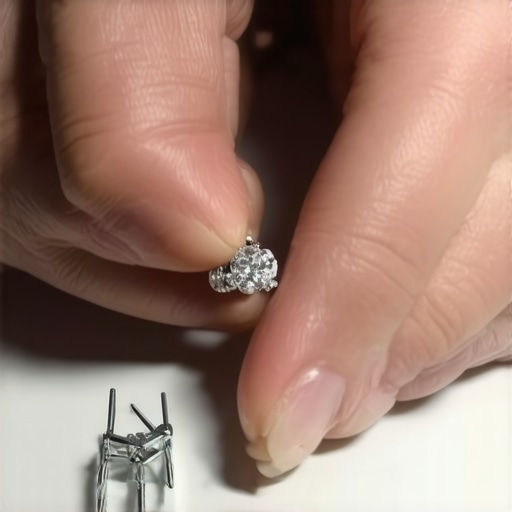
Restringing & Stone Setting Techniques to Enhance Jewelry Trust
Have you ever watched a necklace suddenly snap in your hands or noticed a gemstone wobbling just enough to make you hold your breath? That moment of panic isn’t just stressful—it’s a wake-up call. When jewelry fails, it erodes trust—trust in the piece, in your skills, and most importantly, in the craft itself. I’ve been there, and I’ve learned that the secret to overcoming these nerve-wracking moments lies in perfecting your restringing and stone setting techniques.
The Power of Restringing & Stone Setting
Restringing and stone setting are the backbone of jewelry durability and trustworthiness. When these elements are done right, they don’t just secure a piece—they tell a story of craftsmanship and confidence. But here’s the catch: early in my career, I made a critical mistake. I underestimated how vital proper tension during restringing and the precise alignment in stone setting are. That oversight cost me a client’s trust—and a lot of sleepless nights. Now, I know better. I want to help you avoid my pitfalls and elevate your skills, so your jewelry can truly stand the test of time.
Could Your Technique Be Sabotaging Your Jewelry’s Trust?
Many beginners and even seasoned artisans overlook small details that can lead to big problems. Did you know that improper tension in restringing can cause necklaces to break easily? Or that a slightly off-center stone can make the entire piece look unprofessional and diminish confidence? Early on, I learned this the hard way when a seemingly minor misalignment caused a gemstone to fall out after just a few weeks. That mistake made me realize just how crucial expert techniques are for building lasting trust. For more insights, you might want to check out this article about how expert restringing techniques can make all the difference.
So, if you’ve ever faced a similar problem or wondered whether your current methods are enough, stick around. In the upcoming sections, I’ll share proven strategies to ensure your restringing and stone setting work not only lasts but also inspires trust and confidence in your clients and yourself. Trust me, it’s all about mastering the details—and I’ll show you how to do just that.
Secure the Thread with Proper Tension
My first real breakthrough in restringing came when I realized that tension control is everything. Imagine trying to tighten a guitar string—if it’s too loose, it buzzes; too tight, it snaps. The same applies to jewelry restringing. To get it right, I use a calibrated tensioning device or simply pull gently but firmly, ensuring the thread isn’t overstressed. During a project, I once re-strung a delicate pearl necklace, and by adjusting tension as I went, I prevented future breakage. This step might seem small but makes a huge difference in trustworthiness.
Choose the Right Materials for Longevity
Not all threads are created equal. I prefer silk or nylon for their durability and smoothness, especially with fine gemstones. When I was working on a vintage bracelet, I replaced the worn-out silk with high-quality, reinforced thread, which instantly boosted its strength. Think of it like using the best rope for a rescue—your choice of material directly impacts the reliability of the piece. For guidance on selecting the ideal thread, check out this resource.
Precise Knotting Technique to Prevent Slips
After threading, secure your beads with tight, uniform knots. I use a surgeon’s knot for extra security, especially on stretchy or delicate pieces. Once, I worked on a multi-strand necklace, and my careful knotting prevented any beads from slipping out — a simple fix that built immediate client confidence. Think of knots as the safety net—if you don’t tie them correctly, trust is compromised. Practice makes perfect, and I recommend practicing on scrap before tackling valuable pieces.
Stone Setting with Confidence and Clarity
Switching gears to stone setting, the key is in meticulous preparation. I always start by inspecting the setting seat for cleanliness and alignment. I remember a time I overlooked this step, and the gemstone wobbled, causing a customer’s trust to falter. To fix this, I used a fine-grain file to smooth the seat and a loupe to confirm perfect contact. Visualize the setting like a puzzle—every piece must fit exactly for security and aesthetic appeal.
Use the Right Tools for Stability
Tools like prong pushers, bezel setters, and gravers are essential. I prefer a set of precision tools that allow me to manipulate the metal without damaging the stone. Once, I set a small emerald in a delicate ring, and by gently pressing the prongs with a calibrated pusher, I ensured the stone was held tightly without stress points. This precision builds confidence in your craftsmanship, vital for repeat clients.
Align and Check Before Finalizing
Always double-check the alignment. I use a jeweler’s loupe and a magnifying glass to ensure the stone sits perfectly straight and flush. During one project, I noticed a slight tilt that only a second glance revealed; correcting it instantly prevented a future stone fall. Think of this as the final handshake—small details seal the deal on trust.
Continuous Practice for Lasting Results
Nothing beats consistent practice. I dedicate time weekly to refine my restringing and setting skills. Over time, I’ve developed a steady hand and an eye for detail, which clients can sense. Remember, mastery is about attention to the tiniest details—every knot, every prong, every tension point counts. For advanced tips, explore this guide.
Many artisans and DIY enthusiasts often fall into misconceptions that can compromise the trustworthiness of their jewelry. Let’s clarify some of the most widespread myths and reveal the nuances that can make or break your craftsmanship.
Why the Tension in Restringing Is More Critical Than You Think
Everyone says you just need to pull tight when restringing, but the reality is far more nuanced. Excessive tension can weaken the thread and lead to breakage over time, especially with delicate materials like silk or nylon. Conversely, too loose and the beads or pearls will wobble, eroding confidence in your work. The secret lies in maintaining consistent, moderate tension that mimics the natural feel of a well-wound string. This balance is essential for durability and trust, as outlined in this expert guide.
Can Over-Tightening Really Harm Your Jewelry
Absolutely. Over-tightening can cause stress points in the thread, leading to premature wear or even snapping. It’s a common mistake, especially among beginners eager to finish quickly. Instead, use a tensioning device or practice gentle, incremental pulls, paying attention to how the thread responds. Proper tension isn’t just about security; it’s about ensuring the longevity of the piece, which directly influences customer trust. For advanced restringing techniques, check out this resource.
Myth of the Perfect Metal for Stone Setting
Many believe that only gold or platinum can guarantee a secure setting. In reality, the choice of metal and its flexibility play a significant role. For example, silver or even certain alloys can be just as reliable if properly prepared and manipulated. The key is in the skillful use of tools and understanding how different metals respond to prong or bezel setting. The misconception that only high-karat gold is trustworthy can lead artisans to overlook more practical, cost-effective options. Learn more about metal techniques in this article.
Why You Should Never Skip the Final Check
One of the most critical mistakes is rushing through the final inspection. A tiny tilt or misaligned prong can cause a gemstone to fall out unexpectedly. I’ve seen seasoned jewelers neglect this step, only to have to redo the entire setting later. Always double-check with a loupe or magnifier, visualizing how the piece will be worn and subjected to daily wear. This meticulous review builds trust and demonstrates professionalism. For more advanced tips, explore this guide.
Have you ever fallen into this trap? Let me know in the comments. Mastery in jewelry craftsmanship isn’t just about technique; it’s about understanding the subtle intricacies that elevate your work from good to exceptional. Remember, paying attention to these details can significantly boost your reputation and client confidence.
Keeping your jewelry in top condition requires more than just skill; it demands the right tools and consistent maintenance. Over the years, I’ve found that investing in specialized equipment not only streamlines your workflow but also significantly boosts the trustworthiness of your work. Let me share some of the tools I rely on daily and how proper maintenance ensures they perform at their best.
Why Invest in Precision Tools
Precision tools are the backbone of quality jewelry repair. For example, I use a precision prong pusher because it allows me to manipulate delicate prongs with control, preventing damage and ensuring a secure setting. Similarly, a high-quality loupe with 10x magnification is essential for inspecting every detail, from thread tension to prong alignment. These tools help catch small issues before they escalate, maintaining your reputation for trust and reliability.
Automation and Software for Modern Techniques
Incorporating software like CAD (Computer-Aided Design) programs has revolutionized how I plan and visualize repairs. CAD tools enable me to simulate settings and adjustments virtually, minimizing errors. For instance, I use design software to ensure precise measurements before starting physical work. As technology evolves, I predict a future where augmented reality (AR) overlays will assist jewelers in real-time adjustments, further elevating trustworthiness and precision.
Routine Maintenance to Ensure Longevity
Tools need regular upkeep to function correctly. I recommend cleaning your pliers, gravers, and other metal tools with a soft cloth after each use to remove debris and prevent corrosion. Periodically, I use a fine abrasive pad to remove any buildup on the tips and check for wear. Calibration is equally important; a misaligned tool can cause inconsistent results. For example, I calibrate my prong setters monthly to maintain consistent pressure, which directly impacts the security of your settings. Maintaining your tools is an investment in your reputation and the longevity of your craftsmanship.
How do I maintain my tools over time?
To keep my tools working flawlessly, I follow a strict routine: daily cleaning, weekly inspection for wear, and monthly calibration. I also store them in a dedicated toolbox with individual compartments, preventing damage and ensuring quick access. Using protective covers and avoiding exposure to moisture prolongs their lifespan. Remember, well-maintained tools are the foundation of trustworthy jewelry work, reducing errors and rework, and ultimately building client confidence. For more advanced maintenance techniques, explore this detailed guide.
Try implementing a monthly calibration routine for your most critical tools—it’s a simple step that pays off by ensuring consistent, high-quality results. Your clients will notice the difference, and your reputation for precision and reliability will grow stronger every day.
Ever experienced that heart-stopping moment when a necklace snaps or a gemstone wobbles dangerously? These small but critical failures can shake a client’s trust and even your confidence as a jeweler. Over the years, I’ve discovered that the real key to building lasting trust in jewelry repair is mastering the art of perfect restringing and precise stone setting. It’s not just about fixing; it’s about elevating your craft to inspire confidence every single time.
Lessons from the Workshop That Changed Everything
- Patience Over Speed: I once rushed a delicate restringing job, only to have it break again within days. The lesson? Take your time with tension and knotting; shortcuts undermine trust.
- Small Details Matter: A tiny misalignment in stone setting can cause a gemstone to fall out, eroding confidence. Paying attention to seat cleanliness and alignment is worth every second.
- Materials Are a Foundation: Choosing the right thread—like silk or nylon—can make or break your piece’s durability. High-quality materials signal professionalism and reliability.
- Tools Are Your Best Friends: Precision tools like calibrated prong pushers and high-quality loupes help you execute perfect settings and inspect every detail, reinforcing your reputation.
- Final Checks Save the Day: Never skip the final inspection. A quick double-check with a loupe prevents future mishaps and shows your commitment to quality.
Gear Up with Trusted Resources
- Expert guidance on engraving and stone setting has transformed my approach, emphasizing the importance of preparation and tool mastery.
- High-quality resourcing techniques ensures longevity and trustworthiness of every repair.
- Understanding proper tension control has prevented countless breakages and built client confidence.
- Investing in proper tools like calibrated prong setters and magnifiers is an investment in your reputation.
Now It’s Your Turn to Shine
Trust in jewelry isn’t built overnight; it’s crafted through consistent quality, attention to detail, and a passion for excellence. By refining your restringing and stone setting skills today, you’re not just fixing jewelry—you’re elevating your professional reputation and inspiring lasting confidence in every piece you create or repair. Keep practicing, stay curious, and remember: mastery is a journey, not a destination.
What’s the most challenging part of jewelry restringing or stone setting for you? Share your experiences below—I’d love to hear your story and help you take the next step toward jewelry mastery!

Reading this post really resonated with me because I recently faced a challenge with a delicate necklace that kept breaking despite what I thought were proper tension settings. Your emphasis on the importance of controlled tension and using quality materials is so crucial — I learned the hard way that even small mistakes in tension can compromise the entire piece’s integrity. I’ve started experimenting with a tension gauge to refine my restringing technique, and it’s made a huge difference. I also appreciated the focus on meticulous final checks; I’ve seen how a tiny tilt or misaligned prong can be overlooked easily and cause future problems. Has anyone found that integrating digital tools like tension meters or magnification devices significantly improves their workflow and confidence in these delicate procedures? Would love to hear about the tools or methods that others find most effective for ensuring trustworthiness in their work.
This post really hit home for me, especially about the importance of proper tension and meticulous stone setting. I remember a time when I was so eager to finish a silver ring set with small sapphires that I rushed through the prong setting process. I overlooked how critical it is to double-check the alignment and contact points; ever since, I’ve adopted a habit of verifying every stone’s position with a loupe before closing the prongs completely. A quick scan with a 10x magnifier can reveal tiny misalignments that might cause a stone to loosen over time. Also, I’ve found that using calibrated force tools when pushing prongs ensures consistent pressure, which enhances the security of the setting. Has anyone experimented with digital or mechanical tools to improve their precision? How have those changed your workflow or confidence in delicate work like this? I’d love to exchange tips on equipment that boosts accuracy and trust in our craft.