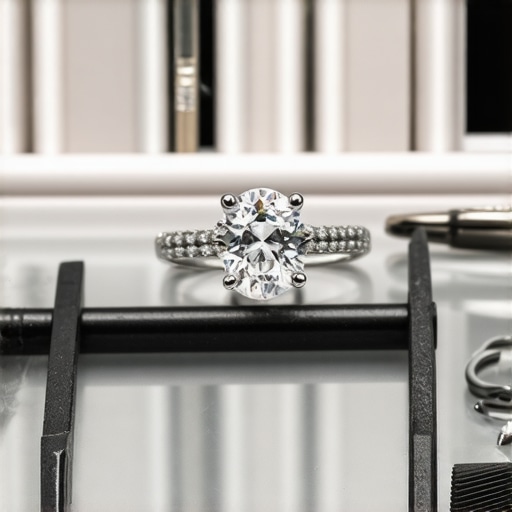
Stone Setting Mastery: Expert Tips for Stunning Jewelry Today
Ever spent hours trying to set a gemstone perfectly only to see it wobble or catch the light the wrong way? I remember my first few attempts—frustrating moments that made me question if I’d ever get it right. One mistake I made early on was rushing the process and not paying enough attention to detail, which led to insecure settings and less-than-stunning jewelry. It was only after a lot of trial, error, and learning from trusted sources—like this expert guide—that I started seeing real improvements.
Why Perfecting Your Technique Matters More Than Ever
In the world of jewelry, the difference between a piece that dares to catch the eye and one that truly dazzles often comes down to the details of the stone setting and appraisal process. Whether you’re a hobbyist or a professional, mastering these skills not only elevates your craft but also boosts your confidence and trust with clients or loved ones. And let’s be honest—nobody wants to give or receive jewelry that looks insecure or poorly crafted. That’s why I’m committed to sharing what I’ve learned, so you don’t have to repeat my early mistakes.
Facing Skepticism: Is Investing Time in Expert Tips Really Worth It?
Believe me, I’ve been there. I once thought I could wing it with basic tools and a bit of intuition. But I quickly learned that rushing through stone setting or neglecting proper appraisal techniques can lead to ruined pieces and lost trust. Early on, I made the mistake of skipping professional guidance, which cost me time and money. Now, I know that investing in expert advice—like the detailed strategies found here—is what makes the difference between good and extraordinary results.
If you’ve ever felt unsure about your skills or wondered if all the effort is worth it, you’re not alone. The truth is, honing your craft with trusted techniques can transform your jewelry from mediocre to mesmerizing. Ready to dive into the practical steps that will elevate your work and restore confidence in your creations? Let’s get started with the fundamentals that will set you apart in the world of jewelry making.
},
Secure Your Stones with Precision
Start by choosing the right setting style for your gemstone—bezel, prong, or channel—based on the piece’s purpose and the stone’s shape. I remember a time I was working on a delicate oval sapphire, and I initially used too thick a bezel, which overshadowed the gem’s brilliance. I learned quickly to file the bezel down smoothly, ensuring it snugly wraps the stone’s girdle. Use a specialized stone setting pliers to gently press the metal around the gem, avoiding too much force that can crack or shift the stone. Practice makes perfect, so don’t rush—consistency is key to a secure setting that lasts decades.
Perfect the Prong Placement
When setting with prongs, space them evenly around the stone—think of a clock face, with each prong at a quarter, half, and three-quarter marks. I once struggled with uneven prongs on a diamond ring, which made the stone look off-center. I used a jeweler’s loupe to check the symmetry and adjusted each prong by gently pushing or filing as needed. This attention to detail ensures the stone is held firmly, reducing wobble and enhancing brilliance. Refer to expert techniques here for in-depth practice tips.
Re-string with Confidence
Re-stringing involves more than just removing and replacing a chain. It’s about restoring strength and ensuring the clasp’s security. I once re-strung a vintage pearl necklace, carefully removing the old silk thread and cleaning each bead with a soft brush. Use a specialized beading needle and silk thread for durability. When tying the knot, make sure it’s tight and hidden within the bead hole—this invisible knot adds to the piece’s elegance and trustworthiness. Practice this repeatedly to perfect your technique, which can transform a worn-out string into a piece that looks brand-new.
Align the Clasp and Finish
After restringing, attach the clasp securely by looping the thread through the jump ring multiple times, then tying a double knot. Use a crimping plier to flatten the knot, preventing any slipping. A neat finish not only looks professional but also ensures longevity. I once skipped this step and had to redo the entire restringing after a few weeks—lesson learned: detail matters.
Assess and Appraise to Confirm Quality
Accurate appraisal is essential for understanding your piece’s value and trustworthiness. Use a professional appraisal technique to evaluate the gemstone’s cut, clarity, color, and carat weight, as well as the metal’s purity. I once tested a gold ring with a touchstone and then confirmed the karat with an acid test—these steps helped me confidently price and insure the piece. Regularly practicing appraisal techniques improves your ability to identify quality and authenticity, building trust with clients and loved ones alike.
Refine Your Engraving Skills
Engraving adds a personal touch and increases perceived value. Start with a steady hand and a well-sharpened bur or graver. I recommend practicing on scrap metal before moving to your actual piece. Use a guidelines from experts to control your pressure and movement, ensuring crisp, clean lines. Proper technique involves maintaining a consistent angle and speed—think of it like writing with a fine pen. Over time, your engravings will become more precise, elevating your craftsmanship and the trust your customers place in your work.
Consistent Practice for Lasting Results
The key to mastering these techniques is deliberate, consistent practice. Keep refining your skills with each project, and don’t shy away from seeking feedback or expert resources. Remember, even small improvements—like perfecting a prong or tying a secure knot—add up to a professional finish that inspires confidence and trust. Use the available resources like this comprehensive guide to keep learning and growing your skill set every day.
Many enthusiasts and even seasoned jewelers often get caught up in misconceptions that can hinder their craft and trustworthiness. Let’s dig deeper into what most people overlook or misunderstand when it comes to advanced techniques in stone setting, restringing, appraisal, and engraving—so you can avoid costly mistakes and elevate your skills.
Why Rushing Can Sabotage Your Precision
One of the most persistent myths is that speed equals efficiency. In reality, rushing through delicate tasks like prong placement or engraving often leads to misaligned stones or uneven lines. For example, setting a gemstone with hurried hands might seem faster initially, but it increases the risk of damaging the gem or creating insecure settings. Expert jewelers emphasize patience and meticulousness—something you can learn from this in-depth guide. Remember, accuracy trumps speed in high-stakes jewelry craftsmanship.
Common Trap: Overlooking Metal Fatigue and Stress
Many practitioners believe that simply pressing or hammering metal into place guarantees a secure setting. However, repeatedly stressing the metal without proper annealing or understanding stress points causes microfractures, weakening the setting over time. This is particularly true in restringing delicate threads or metal components; ignoring the metal’s fatigue can lead to unexpected failures. Advanced jewelers recommend studying material behavior and using appropriate tools and techniques—like those outlined here. Properly managing stress prevents future repairs and maintains the integrity of your work.
Can You Trust Visual Inspection Alone?
While inspecting a piece visually is standard practice, relying solely on your eyes can be misleading. For instance, a seemingly perfect setting might hide micro-shifts or hidden cracks that compromise long-term trust. This is why integrating advanced appraisal techniques, such as using a loupe, microscope, or non-destructive testing methods, is crucial—this approach is advocated by experts in jewelry appraisal. Combining visual checks with scientific assessments ensures your pieces are both beautiful and reliable, building confidence with clients and loved ones alike.
What About Engraving: Are Precision and Style Mutually Exclusive?
Many assume that intricate engraving requires sacrificing precision for artistic flair. But in truth, mastery involves controlling your tools to produce both detailed and consistent lines. Advanced techniques involve maintaining proper angles, consistent pressure, and using high-quality gravers—these are skills honed with deliberate practice, not shortcuts. Studies show that engravings with clean, crisp lines significantly increase perceived value and trustworthiness here. The secret lies in refining your technique over time, rather than relying on raw talent alone.
Have you ever fallen into this trap? Let me know in the comments! Mastering these nuances can mean the difference between a good piece and an heirloom-quality work of art. Remember, patience, understanding material behavior, and integrating scientific techniques are your best allies in elevating your craftsmanship and trustworthiness.
Maintaining your jewelry-making tools and equipment is crucial for ensuring consistent quality and longevity in your craft. Over the years, I’ve found that investing in high-quality tools and knowing how to care for them can significantly impact your results. For instance, a well-maintained restringing needle or a precision engraving bur can make intricate work smoother and more accurate. Regular cleaning and proper storage prevent rust and damage, ensuring your tools are always ready when inspiration strikes.
How do I keep my tools in top shape over time?
First, always clean your tools after each use with a soft brush and, if necessary, a mild solvent. This removes debris that can cause corrosion or dulling. For cutting tools like snips or saw blades, a quick honing with a fine stone restores sharpness. Store your tools in a dedicated toolbox or padded case, avoiding humidity and temperature fluctuations, which can warp or rust metal components. Periodic inspections for wear and tear allow you to replace or sharpen tools before they compromise your work. Additionally, investing in high-quality lubricants helps keep moving parts smooth and prevents rust formation.
My go-to equipment for durability and precision
One tool I rely on daily is the micro torch. It provides adjustable heat, essential for soldering or annealing metals without damaging delicate stones. For measuring and marking, I prefer a digital caliper, which offers accuracy down to thousandths of an inch, crucial for aligning prongs or setting stones symmetrically. When it comes to engraving, I swear by a rotary engraver with variable speed. It gives me control over fine lines and detailed patterns, elevating the craftsmanship of each piece.
What are the future trends in jewelry tools?
Looking ahead, I predict a surge in digital and laser-assisted tools that increase precision and reduce manual effort. 3D printing is already revolutionizing prototyping and custom designs, and I see integration with CAD software becoming more seamless. These advancements will not only streamline workflows but also open new creative possibilities for artisans and professionals alike. Staying updated on these innovations, like exploring latest tools, will keep your craft competitive and inspiring.
Try This Tip: Regularly calibrate your tools
To ensure your tools deliver perfect results every time, set a routine for calibration. For example, check the accuracy of your digital calipers monthly and re-zero your rotary tools before each session. This small step can dramatically improve the consistency of your work and extend the lifespan of your equipment. Remember, precision in your tools translates directly into trustworthiness in your jewelry. Make calibration a habit, and watch your craftsmanship reach new heights.
The Hardest Lesson I Learned About Stone Setting, Restringing, Appraisal, and Engraving
One of the most profound lessons I’ve discovered is that patience and meticulous attention to detail are the true cornerstones of trust in jewelry making. Rushing through a delicate prong setting or neglecting to properly appraise a gemstone can undermine the entire piece’s integrity. I once hurried a prong adjustment, only to realize too late that the stone was loose and almost fell out. That experience taught me that taking the time to double-check every detail, from prong symmetry to metal stress points, makes all the difference in creating jewelry that lasts a lifetime.
3 Myths About Stone Setting, Restringing, Appraisal, and Engraving That Held Me Back
Believing that perfect results come from raw talent, that tools alone can guarantee quality, or that speed is a sign of efficiency are common misconceptions. These myths can cause costly mistakes and erode trust. I learned that mastering each step through deliberate practice and expert guidance, like the insights found here, is what truly elevates craftsmanship. Challenging these myths opened the door to consistent success and confidence in my work.
What Experts Won’t Tell You About Stone Setting, Restringing, Appraisal, and Engraving
Often, the real secret is in the small details—proper tool maintenance, understanding material behavior, and integrating scientific techniques into your workflow. For example, regularly calibrating your tools ensures precision, while respecting metal fatigue prevents future failures. These insights, shared by seasoned jewelers here, can dramatically improve your results and build lasting trust with clients or loved ones.
Curated Recommendations for Jewelry Artisans
My Essential Toolkit for Jewelry Mastery includes a micro torch for precise soldering, a high-quality digital caliper for measurements, a rotary engraver with adjustable speed, and a soft brush for cleaning delicate pieces. These tools have transformed my craftsmanship, giving me confidence in every detail. Trust me, investing in quality tools and maintaining them properly pays dividends in the quality of your jewelry.
Your Turn to Try the Next Step
Now that you know the secrets behind confident jewelry creation, I encourage you to pick one technique—be it setting, restringing, appraising, or engraving—and give it your full attention. Remember, each small improvement builds your skill and trustworthiness. Your journey to jewelry mastery starts with a single, deliberate step. Are you ready to elevate your craft and create pieces that truly dazzle? Share your next challenge below and let’s grow together!

I really relate to the importance of patience in stone setting. When I first started, I was eager to finish projects quickly, but I quickly faced setbacks with insecure settings and uneven prongs. Learning to take my time and use the right tools made a noticeable difference in the durability and appearance of my work. I found that practicing on scrap pieces before working on actual jewelry helps build confidence and precision. Has anyone else found a specific technique or tool that accelerated their learning curve for setting stones securely? I’d love to hear about practical tips that helped others improve their craftsmanship without sacrificing quality.