Stone Setting Techniques: Expert Tips for Stunning Jewelry in 2024
Ever had a client’s stunning gemstone slip out during a repair? Or felt that sinking feeling when a piece you’ve worked on for hours suddenly looks less than perfect because of a tiny, overlooked detail? I’ve been there. Early in my career, I made a rookie mistake that cost me not just time, but trust. That moment was a real eye-opener — it showed me how crucial every tiny detail in stone setting really is. Since then, I’ve dedicated myself to learning and perfecting techniques that ensure every piece I craft or repair radiates confidence and beauty.
Why Stone Setting Skills Are the Heart of Jewelry Craftsmanship
In 2024, the demand for jewelry that dazzles and endures is higher than ever. But what truly makes a piece stand out isn’t just the design — it’s how securely and beautifully the stones are set. A flawless setting not only enhances the gem’s brilliance but also guarantees durability. When you get it right, you’re not just creating jewelry; you’re building trust. That’s why mastering stone setting techniques is a must for anyone serious about elevating their craft. If you’ve ever worried about a gemstone falling out or wondered how to make your work more precise, you’re not alone. Many artisans stumble at the start, but with the right guidance, you can transform your skills and your reputation.
Is Overthinking Your Setting Technique Actually Holding You Back?
Trust me, I used to overthink every tiny detail. I’d stress over choosing the perfect prong or the right tension, and sometimes that hesitation led to mistakes. Early on, I kept thinking, “Is this good enough?” and it often delayed my progress. The truth is, the biggest mistake I made was not trusting my tools or technique. If you’ve ever felt that way, know that the key to better stone setting is confidence — and that confidence comes from practice and learning proven strategies. For deeper insights, I recommend checking out this article on expert tips for lasting confidence in stone setting.
Now, let’s get into the practical steps that will help you avoid common pitfalls and set stones like a pro. Whether you’re a beginner or looking to refine your skills, these techniques will boost your craftsmanship and your clients’ trust.
Secure Every Gem with Precision
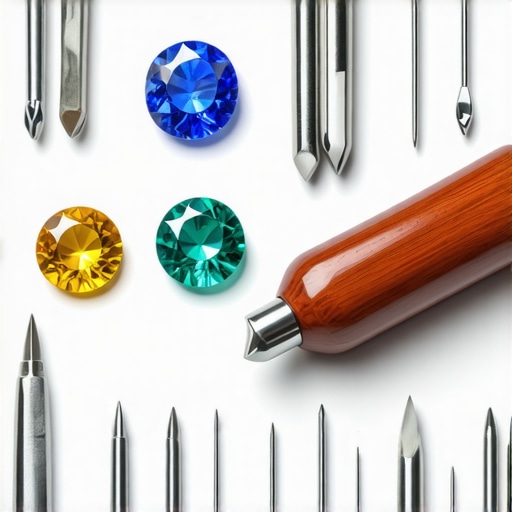
Start with your tools. Use a high-quality prong pusher or bezel roller to gently press down around the stone. In my early days, I once used a too-heavy force on a delicate setting, causing the prong to bend. That taught me to always test the pressure on scrap before working on the actual piece. Consistently check the tension with a loupe or magnifier, ensuring each prong holds the stone securely without risking damage. Practice makes perfect, and trusting your tools is essential for confident setting. For more tips on perfecting your technique, visit this resource.
Align and Stabilize Stones for Flawless Results
When setting smaller stones, use a wax or putty to hold the gem in place. Think of it like a sandbox for your stones—firm enough to prevent movement but easy to adjust. I once struggled with a tiny sapphire that kept shifting, causing misalignment. I fixed this by carefully pressing the stone into a bed of sticky wax, then setting it with a burr or gravers. Always double-check the alignment from multiple angles, ensuring the stone is straight and centered. Precision here creates the sparkle and trust in your craftsmanship. For detailed guidance, check this article.
Refine and Secure with the Right Techniques
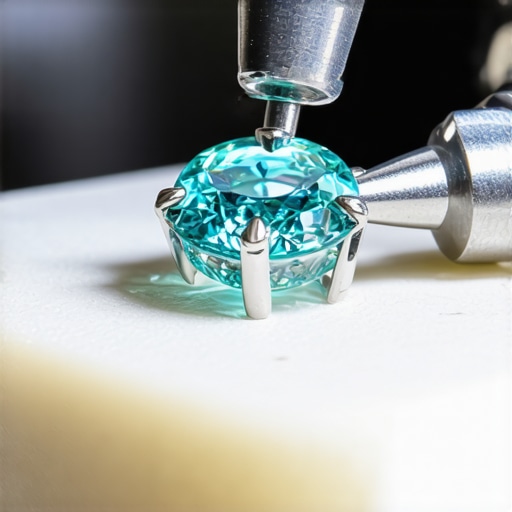
Once the stones are in place, refine the setting by gently pushing the prongs or bezel over the edges of the stone. Use a bezel rocker or prong pusher with controlled pressure—think of it like closing a clam shell softly but firmly. I once over-pressured and cracked a gemstone, so I now focus on small, incremental pushes. When all sides are secure, file the prongs or bezel flush with the stone to prevent snagging. This step is critical; it’s like polishing the final piece of a puzzle—every detail counts for durability and beauty. For advanced methods, explore this guide.
Inspect, Test, and Trust Your Work
Before declaring a job done, inspect the setting under magnification. Gently shake the piece; if the stone wiggles, reinforce the prongs or bezel. Think of it as a safety check—like testing a bridge before opening it to traffic. I once missed a loose stone on a client’s ring, which could have been disastrous. Now, I always perform a final test and give the piece a gentle tap to ensure stability. This last step builds trust and confidence in your craftsmanship, ensuring the jewelry will last. For more insight on quality control, see this resource.
< >
>
Many artisans believe that mastering the basics is enough to excel in jewelry craftsmanship, but in my experience, there are nuanced pitfalls that even experienced jewelers often overlook. For example, a widespread myth is that a perfect prong always guarantees stone security. However, the true skill lies in understanding the subtle tension and the material behavior during setting. Over-tightening a prong, for instance, can cause stress fractures or loosen the stone over time, a mistake I’ve seen many fall into. Instead, focus on controlling the pressure applied with your tools and always verify with magnification or a loupe. For more insights on achieving lasting confidence, check out this resource.
Keeping your jewelry tools in top shape is fundamental to maintaining precision and quality in every piece you create or repair. Over the years, I’ve found that investing in the right equipment and establishing a consistent maintenance routine not only extends the lifespan of your tools but also enhances your craftsmanship. One of my go-to investments is a high-quality ultrasonic cleaner, which I use regularly to remove dirt, oils, and residue from delicate tools like burrs, gravers, and polishing pads. Regular cleaning ensures tools perform accurately and reduces the risk of damage to your workpieces.
Another essential aspect is maintaining your torch, especially if you work with soldering or heat treatments. I prefer a adjustable butane or MAPP gas torch with a fine flame, which offers better control and precision. Regularly inspecting the torch’s nozzle for clogs and replacing worn-out hoses prevents accidents and ensures consistent heat delivery. Additionally, using a heat-resistant mat under your workspace helps protect your tools and surfaces from accidental burns.
Beyond cleaning and inspecting your tools, calibrating your equipment is vital. For example, measuring and adjusting your digital calipers with certified calibration blocks guarantees accurate measurements, which is crucial when setting stones or creating custom fittings. Over time, even the most precise tools can drift out of calibration, so scheduling routine checks helps maintain trust in your measurements.
When it comes to long-term results, investing in professional-grade polishing machines and compounds makes a significant difference. I personally rely on a rotary tumbler with various grit stages for polishing finished jewelry, achieving a mirror-like shine that impresses clients and boosts confidence. Remember that consistent polishing not only enhances aesthetic appeal but also seals the surface, protecting against tarnish and wear.
As your skills grow, scaling your workshop becomes inevitable. Upgrading to larger, more efficient equipment like a bench-mounted ultrasonic cleaner or a professional-grade flex shaft system can streamline your workflow. Modern tools with digital controls and ergonomic designs reduce fatigue and improve precision over long sessions. Keep an eye on trends, as automation and smart equipment are gradually becoming more accessible, promising even greater consistency and efficiency in jewelry making.
How do I maintain my tools over time?
The key is consistency. Set a weekly routine to clean, inspect, and calibrate your equipment. For instance, after each use, clean your polishing burs with a soft brush and store them in airtight containers to prevent oxidation. Regularly check your soldering torch for leaks or blockages, and replace parts as needed. Maintaining a log of your maintenance activities helps track when to replace consumables or schedule professional calibration. Remember, well-maintained tools not only produce better results but also reduce costly repairs and downtime. For comprehensive guidance on upkeeping your tools, visit this resource.
The Hardest Lesson I Learned About Stone Setting
One of the most profound lessons I learned was that even a seemingly perfect prong can be a false sense of security. Over-tightening can cause stress fractures in delicate stones, which might not be immediately visible but can lead to loose settings over time. This taught me to always test my tension and trust my tools, not just my eyes.
3 Myths About Jewelry Tools That Held Me Back
I used to believe that expensive tools automatically guarantee perfect results. But I realized that regular maintenance, calibration, and knowing how to use each tool properly are what truly matter. Investing in quality is important, but caring for your tools is essential for lasting craftsmanship.
What Experts Won’t Tell You About Building Jewelry Confidence
Many seasoned jewelers keep quiet about the importance of final inspections. A final magnified check and gentle shake test can save you from costly mistakes and boost your reputation. Confidence in your work comes from consistent quality control, not just skill with the tools.
Curated Recommendations for Elevating Your Craft
My Essential Toolkit for Stone Setting includes a high-quality prong pusher and bezel roller, trusted because they give me control and precision in delicate settings. The book “Mastering Jewelry Techniques” changed my approach by explaining the physics behind tension and material behavior, which is invaluable. For ongoing learning, I recommend visiting this trusted resource for expert tips that solidify your confidence.
Embrace the Challenge: Your Turn to Shine
Every piece you craft or repair is a step toward mastery. Don’t shy away from the nuances—each one enhances your skill and your clients’ trust. Remember, the real power in jewelry craftsmanship lies in your confidence and continuous learning. So go ahead, pick up that tool and set a stone with newfound assurance. Your future masterpieces await!
What’s the biggest challenge you’ve faced in stone setting, and how did you overcome it? Share your story below!

Reading this post really resonated with me, especially the part about trusting your tools and techniques. Early in my career, I remember over-tightening prongs on a delicate sapphire, which caused tiny stress fractures that weren’t immediately visible. That was a wake-up call for me to be more mindful and gentle in my approach. What I’ve found helpful is practicing on scrap stones first to get a feel for the right amount of pressure, which saves a lot of headaches later. I’m curious—how do other jewelers manage their tension when setting very fragile stones? Does anyone have tips on how to consistently gauge the right force without risking damage? It feels like mastering this aspect of setting really elevates the quality and trustworthiness of the finished piece.