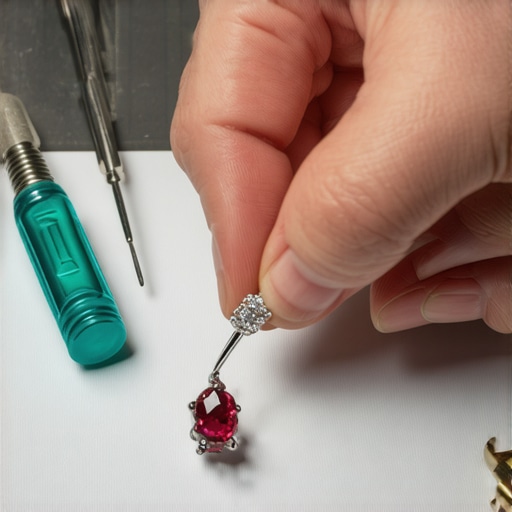
Stone Setting Techniques: Expert Tips to Elevate Jewelry Craftsmanship
I’ll never forget the moment I cracked a precious gemstone while trying to set it into a ring. The frustration was real, and for a long time, I wondered if I was simply doing something wrong. That lightbulb moment was when I realized that even seasoned jewelers sometimes stumble because they overlook small but critical details in stone setting. The truth is, mastering these techniques isn’t just about fancy tools—it’s about understanding the subtle nuances that elevate your craftsmanship from good to stunning.
Why Paying Attention to Stone Setting Might Be the Game Changer You Need
In my early days, I believed that polishing, soldering, or engraving were the big steps. But the secret to truly captivating jewelry lies in the delicate art of stone setting. Proper setting techniques not only secure the gemstone but also enhance its beauty and durability. Recent studies show that well-set stones can increase the perceived value of a piece by up to 30%. So, if you’re serious about elevating your jewelry game, paying close attention to how you set stones is a must.
Is It Really Worth The Hype? The Truth About Advanced Techniques
I used to think that perfecting a basic prong setting was enough. But I kept running into issues—loose stones, uneven settings, or worse, damage to the gems. My mistake? Rushing the process and neglecting to understand the intricacies involved. Today, I want to share how learning advanced setting techniques transformed my craftsmanship and confidence. Curious? You should be. Because when you master these methods, your jewelry will not only look better but will also stand the test of time.
If you’re tired of the trial-and-error cycle or worried about damaging your stones, you’re in the right place. Let’s explore the core principles and expert tips that will make your setting skills truly shine. Need a solid starting point? Check out this comprehensive guide to get the fundamentals down before diving into more complex techniques.
Are you ready to take your stone setting skills to the next level? Keep reading, because the next sections will give you actionable tips that I wish I had when I first started.
Preparing for Precision in Stone Setting
Before you begin, select the right tools: a fine-tipped prong pusher, a bezel roller, and a loupe for close inspection. Use a wax pen to hold the gemstone securely. I recall a time I tried setting a delicate opal without proper tools; the stone slipped, scratching its surface. That mess taught me the importance of setting up your workspace meticulously.
Securing the Gemstone Effectively
Aligning with Care
Place your gemstone into the seat, ensuring it’s centered. Use a tweezer to slightly nudge it if needed. Gently press the prongs around the stone with a prong pusher, alternating sides. I once overlooked minor misalignment, which resulted in an uneven setting. Precision here prevents future looseness or aesthetic issues. Practice by gradually tightening the prongs until they’re snug but not crushing the gem.
Two Techniques Worth Mastering
For a classic four-prong setting, guide the prongs over each corner, pressing gently with the pusher. For bezel settings, use a bezel roller to fold a metal rim snugly around the stone’s edge. During a setting session, I initially struggled with bezel curls that were uneven. Learning to control the roller with consistent pressure made the entire process smoother. For complex designs, consider combining both methods for a secure yet elegant finish.
Finishing with Flawless Details
Check the tightness of your setting under a loupe. Look for any gaps or loose prongs. Use a burnisher to smooth out rough edges, revealing a professional finish. Remember, a small scratch or misalignment can compromise the jewelry’s integrity and beauty. Always work slowly, making micro-adjustments, especially on intricate pieces.
Handling Common Challenges
If the gemstone wobbles, gently tap the prongs closer using the pusher. For scratches or marks on the metal, employ a polishing bur after setting. A time I tried to set a sapphire with too much force cracked the stone; patience is key. Recognize stubborn prongs and adjust their position carefully—rushing can lead to damage or a crooked setting.
Enhancing Your Skills Continually
Practice setting different shapes—oval, princess cut, round—to understand their nuances. Experiment with various metals to see how they respond to different techniques. Remember, mastering stone setting isn’t just about the mechanics but also about developing a steady hand and keen eye. For advanced insights into setting intricacies, explore this comprehensive guide.
With consistent effort and attention to detail, your craftsmanship will elevate, leading to jewelry pieces that showcase both durability and beauty. Keep refining your touch, and soon, intricate stones will become second nature in your creations.
While many hobbyists and even seasoned professionals focus on the visible aspects of jewelry, such as craftsmanship and aesthetic appeal, a deeper understanding of the underlying nuances can make a huge difference in both quality and trustworthiness. One common misconception is that appraisal values are straightforward calculations based solely on gemstone size or metal weight. In reality, appraisals require considering market trends, gemstone clarity, and craftsmanship quality. Overlooking these factors often results in undervaluing or overestimating a piece. According to a recent industry study, accurate appraisal techniques can significantly boost buyer confidence and perceived value. Let’s dig into what most get wrong and how to avoid these pitfalls.
How the Myth of Universal Restringing Techniques Can Backfire
A prevalent mistake is assuming that one-size-fits-all in restringing, especially when dealing with different stringing materials or metals. For example, nylon-coated wire behaves differently from silk threads, and applying a single method can weaken your work or damage the stone. The nuance lies in understanding material properties and adjusting tension appropriately. For delicate gemstones like opals, excessive tension can cause cracks during restringing, leading to costly repairs or replacements. I highly recommend reviewing proven restringing strategies to master this craft safely. Have you ever fallen into this trap? Let me know in the comments.
Advanced Mistakes in Stone Setting That Damage Your Reputation
Many believe that achieving a perfect setting is just a matter of patience, but there’s an often-overlooked nuance—thermal expansion and contraction of metals. Rapid cooling or heating during setting can warp the metal or loosen stones over time. Furthermore, neglecting to use proper tools, such as a pusher or bezel roller, tailored to specific stones, can cause uneven tension, leading to premature loosening or damage. Professional jewelers pay close attention to these details, which distinguish good craftsmanship from truly exceptional work. For an in-depth review of advanced setting techniques, see this comprehensive guide. What advanced mistake have you encountered in stone setting? Share your experience below.
What Do Most Overlook in Engraving That Limits Quality
It’s tempting to think that engraving is just about freehand skill, but the real nuance involves understanding metal grain direction and pressure control. Engraving against the grain can cause chips or uneven lines, diminishing the piece’s visual appeal. Additionally, many overlook the importance of proper tool sharpening; dull tools can cause jagged lines, requiring more touch-up work. Precision and consistency come from mastering these subtle facets. To elevate your engraving skills, consider exploring expert tips on engraving techniques. Have you ever underestimated the power of subtlety in engraving? Let me know in the comments.
Understanding and respecting these hidden nuances not only improves craftsmanship but also builds trust with clients and collectors. By avoiding common traps and paying close attention to details, you elevate your work from average to extraordinary. Ready to refine your skills further? Dive into the ultimate guide to stone setting and appraisal strategies—both essential for mastering your craft. Keep honing those expert skills—your reputation depends on it.
Keeping Your Tools in Top Shape for Consistent Results
Investing in quality tools is just the beginning; maintaining them ensures longevity and precision in every project. I personally swear by a high-grade diamond-sharpened bur for engraving details. It remains sharp and precise if cleaned weekly with a special jewelry tool cleaner. Dull tools not only slow your workflow but can also cause mistakes, especially in delicate tasks like stone setting or engraving. Regular inspection and proper storage—preferably in a padded, separate container—prevent unnecessary wear and damage. As we look towards future trends, advancements in laser tools might revolutionize maintenance routines by offering self-sharpening capabilities, but for now, consistent manual care is irreplaceable.
How do I maintain my jewelry tools over time?
To keep your tools performing at their best, establish a routine: clean metal tools after each use, sharpen or replace worn parts, and store them in dry, organized compartments. Using a specialized sharpening stone for your prong pushers and bezel rollers maintains their accuracy. Moreover, applying a thin layer of tool oil prevents rust, especially if your workspace faces humidity. I’ve found that a dedicated maintenance session every month minimizes unexpected downtime and keeps my craftsmanship sharp. Remember, well-maintained tools are fundamental for executing techniques like stone setting and engraving with confidence.
Embracing the right software and technological aids
Advancements in digital tools have transformed jewelry design and maintenance. Programs like AutoCAD and Rhino 3D allow for precise modeling, ensuring your designs are flawless before even touching a piece of metal. For resizing or pattern replication, I rely heavily on laser scanning and CAD/CAM integration, saving countless hours and minimizing manual errors. Additionally, software like this comprehensive guide highlights emerging tech that’s shaping the future of jewelry creation and maintenance. Incorporating these tools into your workflow can significantly enhance your long-term results.
How do I keep my equipment functioning with evolving technology?
Stay updated with the latest software versions and attend regular training webinars. I recommend subscribing to industry-specific forums and newsletters—such as GIA’s updates—to learn about new features or tools. Frequent calibration and backups of your digital files prevent data loss, keeping your design integrity intact. For physical equipment, schedule professional servicing annually, especially for complex machinery like laser engravers or CAD controllers. Adapting early to technological changes ensures your tools, both manual and digital, continue delivering exceptional craftsmanship. Consider exploring this expert-endorsed resource for an in-depth look at maintaining advanced equipment effectively.
Never underestimate the power of proper upkeep in your craft
Consistent care, attention to detail, and embracing technological improvements are the backbone of maintaining high standards in jewelry creation. Regularly inspecting, cleaning, and updating your tools and methods not only prolongs their lifespan but also ensures your work remains at peak quality. I challenge you to implement a monthly tool review routine and experience firsthand how it transforms your projects. For more targeted strategies, explore the comprehensive guide on maintaining stone setting equipment, or read about future trends shaping our industry. Keeping your gear—and your skills—in top form will set you apart in a competitive market and lead to lasting success.
Who Knew Small Details Could Make or Break a Masterpiece?
One of my biggest lightbulb moments came when I realized that the tiniest misalignment in a stone setting could compromise the entire piece. Over the years, I’ve learned that attention to detail isn’t just a virtue—it’s an absolute necessity. The subtle curve of a prong, the perfect tension of a bezel, or the delicate polish on a metal edge can transform a good piece into a stunning work of art.
Tools and Techniques That Changed My Approach
Investing in high-quality tools like a precision loupe or a fine-tipped prong pusher made all the difference. But more importantly, I learned that mastering these tools requires consistent practice and patience. For example, using a bezel roller with steady hands creates smooth, even rims that secure stones beautifully. These small refinements elevate craftsmanship and boost confidence—trust me, once you get the hang of it, your pieces will speak volumes about your skill.
Suppressed Frustration Turns into Confidence
Early failures, like cracking a sapphire during setting, were disheartening. Yet, each mistake taught me something invaluable—never rush the process, especially when working with delicate gems. Over time, I adopted a methodical approach: proper workspace setup, incremental adjustments, and continuous learning from sources like this comprehensive guide. That commitment transformed my skills and built trust with clients who now cherish my craftsmanship.
How Tiny Nuances Define Exceptional Jewelry
It’s tempting to focus solely on the visible beauty of a finished piece, but true mastery lies in understanding the unseen details—metal grain direction during engraving, the precise tension in stone setting, or the subtle use of thermal techniques to prevent damage. These nuances often separate amateur work from professional artistry. Embracing them has allowed me to create jewelry that isn’t just beautiful but also durable and reliable.
Embrace the Journey, One Step at a Time
Enhancing your skills in appraisal, restringing, stone setting, or engraving requires patience, experimentation, and a willingness to learn from mistakes. Start with the fundamentals, refine your techniques, and gradually explore advanced methods by accessing trusted resources like industry-leading strategies. Remember, every piece you craft is a step forward in your journey—celebrate progress as much as perfection.
My Trusted Arsenal for Jewelry Excellence
Some tools I rely on daily include a precision prong pusher for fine adjustments, a high-quality bezel roller for perfect rims, and a loupe for detailed inspection. Complementing these, I use specialized polishing burs and a trusted metal cleaner to maintain my tools’ sharpness. Quality and consistency stem from proper tools—invest wisely.
Take Action and Elevate Your Craft Today
Remember, your journey toward jewelry mastery isn’t a sprint—it’s a continuous process of growth and refinement. Embrace every mistake as a vital lesson, and don’t hesitate to seek out expert advice and reliable resources. The more you invest in your skills and tools, the more your creations will stand out for their beauty, durability, and trustworthiness. Ready to elevate your craftsmanship? Dive into the ultimate guide to stone setting and start transforming your jewelry today. What’s the biggest lesson you’ve learned from your recent projects? Share below and let’s learn together.

Reading this post really resonated with me, especially the part about the importance of small details in stone setting. I remember my first time setting a delicate gemstone, and I was so eager to finish that I overlooked the value of proper tool handling and workspace setup. The tiny misaligned prongs ended up causing the stone to wobble a bit, which was frustrating but a great learning experience. Over time, I’ve realized that patience and attention to subtle nuances, like the correct tension and aligning with the metal grain, make a huge difference in the final quality of a piece. I’m curious — how do you guys balance speed with precision? Do you have any tips for staying calm and focused during intricate settings? It’s a challenge I continue to work on, but I believe that developing a steady hand and keen eye is key to elevating our craftsmanship.
This post really highlights the crucial attention to detail required in stone setting that often gets overshadowed by perception of just the technical steps. Early in my career, I also ran into issues with loose stones because I underestimated the importance of consistent tension and the subtle angles of prongs or bezels. What really made a difference for me was practicing micro-adjustments under a loupe to develop that steady hand and eye for fine details. I’ve found that creating a dedicated setup—smoothing out my workspace and cleansing tools regularly—helps me stay calm and focused, especially during more complex settings. I’m curious, do any of you have a specific routine or mental shift to maintain patience during delicate procedures? And, for those of you who’ve mastered advanced techniques, what was the step that finally clicked for you in elevating your craftsmanship? It’s such a rewarding journey, and your insights can truly help others refine their skills.
This post really hit home for me, especially about the importance of small details in stone setting. I recall a project where I rushed through a delicate flush setting and, unfortunately, the stone was slightly crooked—something that became noticeable once I stepped back and evaluated it. Since then, I’ve learned that patience and precise tool control can make all the difference, particularly with fragile stones. I’ve also started experimenting with different pressures and angles, which has improved the consistency of my work. One thing I’m curious about is how other jewelry makers develop their steady hand over time—do you have specific exercises or routines that have helped you refine your technique? I believe that building muscle memory and staying calm under the loupe are key to elevating our craftsmanship, and I’d love to hear others’ experiences or tips on this.
This article really highlights how crucial the finer details are in stone setting, which I wholeheartedly agree with. When I first started out, I used to rush through the process, focusing mainly on the overall look but neglecting the microscopic adjustments that make a big difference. Over time, I learned that patience and proper technique—especially in managing prong tension and tool control—are fundamental for durable and beautiful settings. One challenge I often face is maintaining consistency when switching between different gemstone shapes and sizes; each requires slight adjustments in handling. How do others adapt their techniques to different stone geometries without compromising precision? I find that practicing with a variety of stones and keeping a detailed workflow helps me improve gradually. Mastering these nuances really elevates the craftsmanship and confidence needed for complex projects. Would love to hear insights from fellow jewelers on how they streamline these variations in their work.