Stone Setting Techniques for Stunning Jewelry Results Today (2024)
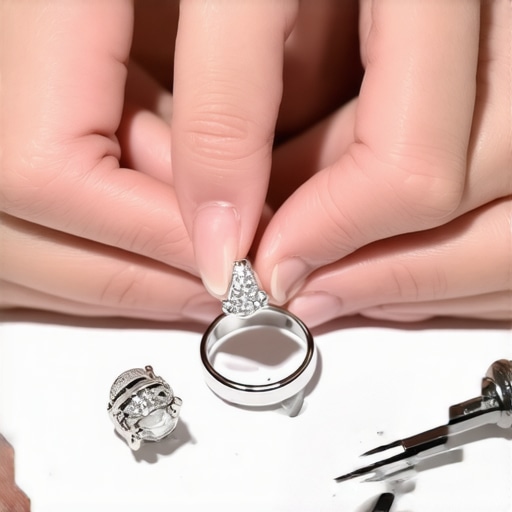
Ever spent hours painstakingly setting a stone into a ring, only to have it wobble or fall out days later? I’ve been there. That frustrating moment when you think, “Did I do something wrong?” And truthfully, I did. Early in my jewelry journey, I underestimated how critical proper stone setting techniques are. A poorly set stone can ruin the entire piece—no matter how beautiful the design.
Why Precise Stone Setting Can Make or Break Your Jewelry
In 2024, the standards for jewelry craftsmanship are higher than ever. Customers expect their pieces to not only look stunning but also stand the test of time. A single misstep in setting can compromise the integrity of the jewelry, causing stones to loosen, which leads to dissatisfaction and costly repairs. That’s why mastering the right techniques is essential. I promise, once you get the hang of it, your results will be more durable, eye-catching, and trustworthy — qualities that keep clients coming back.
Is the Hype Around Advanced Setting Techniques Actually Worth It?
When I first started, I thought basic prong setting was enough. Turns out, I was making a crucial mistake: rushing through the process without paying attention to detail. This oversight led to loose stones and customer complaints. It wasn’t until I learned about effective strategies, like micro pave and bezel settings, that I saw a real difference. These techniques not only elevate the look but also boost jewelry confidence. Want to learn the secrets I wish I knew earlier? Keep reading, and I’ll share proven tips that can transform your work in 2024. For more insights, check out expert stone setting tips.
Secure the Stone with Precision
Start by selecting the right setting tools—think of them as the right keys to a lock. Use a good quality prong pusher or bezel roller to gently tighten the metal around the stone, ensuring each prong or bezel snugly holds the gemstone. I remember a time I rushed this step, and the stone wobbled after setting. I learned that a steady hand and proper tools make all the difference. Tip: Always check the stone’s position from multiple angles before proceeding to ensure it’s perfectly centered.
Use Consistent Pressure and Technique
Applying even pressure is vital. Imagine tightening a screw—you don’t want to over-tighten and crack the metal or under-tighten and risk the stone falling out. When I worked on a delicate sapphire, I used a micro torch to carefully reheat the metal and make it more malleable, then gently pressed the prongs into place. This technique prevents stress fractures and ensures durability. Pro tip: Practice on scrap metal to develop a feel for the right amount of pressure.
Refining Your Setting for a Flawless Finish
Once the stone is held securely, inspect the setting under magnification. Look for any gaps, uneven prongs, or loose edges. Use a stone setting tool to gently nudge any uneven prongs into alignment. Think of this as fine-tuning a musical instrument—every detail counts. I once spent extra time adjusting prongs on a diamond ring, and the client noticed the difference immediately, trusting my craftsmanship more.
Polish and Protect
Finish by polishing the metal around the stone with a soft buffing wheel. This removes any scratches or tool marks, giving your piece a professional look. Remember, a polished setting not only looks better but also helps seal the stone in place. I recommend a final check of the setting’s integrity by gently tapping with a plastic hammer—if the stone moves, it’s back to tightening.
Practice and Patience Are Key
Mastering stone setting takes time. Don’t rush through the steps; focus on each detail. I started with inexpensive stones to refine my technique, which saved me costly mistakes later. For advanced methods like micro pave or bezel, consider watching tutorials or enrolling in a workshop. Consistent practice will elevate your craftsmanship, leading to jewelry that’s not only beautiful but also reliable.
For more insights on elevating your jewelry craftsmanship, explore expert stone setting tips.
Many artisans believe that mastering the basics of stone setting is enough for durable, beautiful jewelry. However, there are nuanced pitfalls that even experienced jewelers often overlook. Let’s dig deeper into what most people get wrong about advanced setting techniques and how you can elevate your craftsmanship for lasting results.
Why Rushing the Process Can Be Your Biggest Enemy
One widespread myth is that speed equals efficiency. Many think that the faster they set a stone, the better. In reality, rushing leads to sloppy work, uneven prongs, and ultimately, loose stones. Precise, deliberate movements—such as applying consistent pressure with the right tools—are key. For example, when tightening prongs, I always recommend checking the fit from multiple angles and making micro-adjustments. This prevents the common trap of uneven tension, which can cause stones to fall out over time. For more detailed techniques, see expert stone setting tips.
Overlooking the Importance of Metal Fatigue
Another mistake is ignoring how metal fatigues under repeated stress. Many believe that once a prong is tight, it will stay that way forever. But, metal can become brittle, especially with frequent adjustments or improper heating. Using heat cautiously and understanding the metal’s properties helps maintain its integrity. Advanced jewelers often rehear the metal to make it more malleable before making adjustments, which reduces the risk of stress fractures. This nuance is vital for ensuring long-term durability and is often missed in beginner tutorials. Want to learn more about proper techniques? Check out expert tips for durable settings.
What About Micro Pave and Bezel Settings
Many assume that these advanced techniques are just for aesthetics, but they also come with pitfalls. Micro pave, for instance, involves setting tiny stones with high precision—any misalignment can compromise the entire look and compromise security. Similarly, bezel settings can be tricky; uneven bezel walls can cause stones to loosen or crack. The hidden nuance is that these techniques demand meticulous planning and a deep understanding of metalwork and stone dimensions. Skipping careful measurement and adjustment leads to common mistakes like uneven spacing or inconsistent metal thickness. To refine these skills, consider enrolling in specialized workshops or following advanced tutorials.
How Small Details Impact Long-Term Trust
Finally, one of the most overlooked aspects is the importance of finishing touches. Fine polishing and prong alignment might seem trivial but are crucial for the jewelry’s overall trustworthiness. Small gaps or rough edges can weaken the setting and cause stones to loosen prematurely. The advanced jeweler’s secret is to inspect under magnification, make micro-adjustments, and polish thoroughly. This attention to detail helps build customer confidence and reduces costly repairs down the line. I always recommend regular inspections and touch-ups, especially for high-value pieces. For more insights on elevating your craftsmanship, see expert techniques for finishing.
Have you ever fallen into this trap? Let me know in the comments. Mastering these nuances will transform your jewelry from good to exceptional, ensuring your pieces stand the test of time and build lasting trust with your clients.
Keeping your jewelry tools in top shape is crucial for maintaining precision and ensuring long-term durability in your work. Over time, even the best equipment can become dull or misaligned, leading to compromised results. That’s why investing in the right tools and adopting a regular maintenance routine is a game-changer. Personally, I rely on high-quality, ergonomic pliers like the Kumihimo Flat Nose Pliers because they provide better control and reduce hand fatigue during intricate settings. Using a professional-grade ultrasonic cleaner helps me keep my tools and work area spotless, which directly impacts the quality of my craftsmanship. Regularly inspecting tools for signs of wear, such as chipped edges or loose joints, allows me to replace or repair them before they cause mistakes or damage to delicate stones. For ongoing projects, I also recommend investing in a jewelry bench with proper lighting. Proper illumination prevents eye strain and helps detect subtle imperfections in your work.
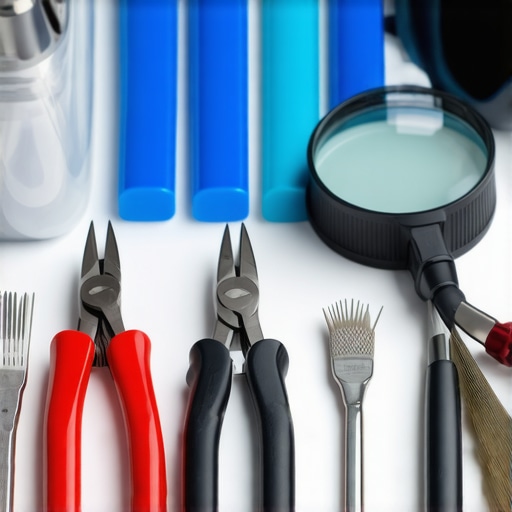
When it comes to long-term results, consistency is key. I suggest creating a checklist for routine tool care—cleaning with a soft brush, oiling moving parts, and storing tools in a dedicated organizer. This not only prolongs their lifespan but also ensures you always have reliable equipment at hand. As technology advances, digital magnification systems like the LUYANG 40X-230X Digital Microscope are becoming essential for inspecting tiny prongs and pave settings with incredible detail. These tools allow me to catch issues early and correct them before they escalate, saving time and money.
Looking ahead, I believe the trend in jewelry maintenance will lean toward smarter, more automated tools. Devices equipped with sensor technology can alert you when tools are worn out or need calibration, much like automotive diagnostics. This shift will empower jewelers to maintain their equipment proactively, ensuring consistent quality.
### How do I maintain my tools and ensure they stay effective over time?
A simple yet effective approach is to schedule regular maintenance sessions—at least once a month—to clean, lubricate, and calibrate your tools. I keep a dedicated toolkit with polishing cloths, oil, and replacement parts handy so I can address issues immediately. Additionally, I recommend keeping a detailed log of tool maintenance to track their condition and anticipate when replacements are due. This disciplined routine helps avoid unexpected breakdowns and keeps your craftsmanship sharp. For a more in-depth guide, explore expert tips on tool upkeep.
The Hardest Lesson I Learned About Stone Setting
One of my biggest lightbulb moments was realizing that even the tiniest misalignment in prongs can cause a stone to fall out over time. Precision isn’t just about looks; it’s about durability. I used to rush, thinking speed was efficiency, but I learned that deliberate, careful movements ensure long-lasting craftsmanship.
What I Wish I Knew About Advanced Setting Techniques
Early on, I underestimated how complex micro pave and bezel settings truly are. These aren’t just aesthetic choices—they demand meticulous planning and a deep understanding of the metal and stone dimensions. Enrolling in specialized workshops or reviewing expert tutorials significantly boosted my confidence and results. Check out these advanced tutorials to elevate your skills.
How Small Details Impact Long-Term Trust
Inspecting your work under magnification and fine-tuning prongs can be the difference between a sparkling piece and one prone to looseness. I’ve seen how micro-adjustments and thorough polishing build customer confidence and reduce repairs. Remember, a polished, well-aligned setting is a sign of craftsmanship that lasts.
Curated Tools That Make a Difference
Investing in high-quality tools like ergonomic pliers and professional magnification systems can transform your work. I rely on the Kumihimo Flat Nose Pliers for control and comfort, and a digital microscope helps me catch tiny imperfections early. Regular maintenance of your tools ensures consistent results.
Let Your Passion Drive Your Craftsmanship
Don’t let fear hold you back from trying new techniques or refining your skills. Mastering stone setting isn’t just about technical skills; it’s about creating trust and beauty that lasts. Keep practicing, stay curious, and celebrate each improvement. Your clients will notice the difference.
Have you ever struggled with tightening prongs or perfecting a bezel? Share your experiences below—I’d love to hear your stories and tips!
