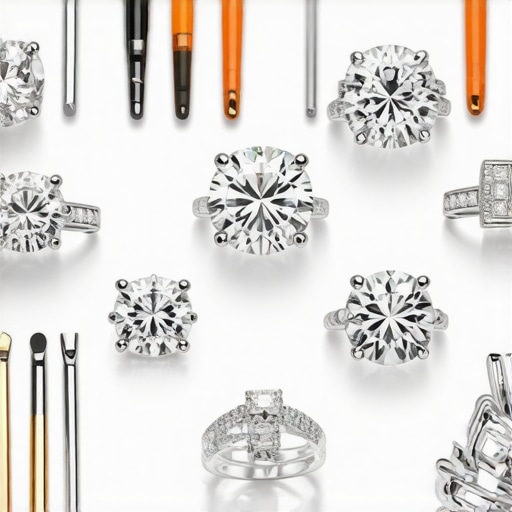
Stone Setting Techniques: The Ultimate Guide for Stunning Jewelry
I vividly remember my first attempt at setting a gemstone—it was a clumsy, nerve-wracking experience. The stone wobbled, the prongs looked uneven, and I couldn’t help but wonder if I was cut out for this craft. That lightbulb moment made me realize something crucial: even the most talented jewelers started somewhere, and mastering stone setting techniques is the key to creating jewelry that truly captivates.
If you’ve ever faced frustration trying to secure that perfect gemstone or worried about your settings holding up over time, you’re not alone. The good news is, with the right guidance and practice, you can transform your skills from shaky beginnings to confident mastery. Today, I’ll share how understanding and applying advanced stone setting techniques can elevate your jewelry, make your pieces more durable, and boost your reputation as a craftsman.
Why Precise Stone Setting Makes All the Difference
In the world of jewelry making, a beautifully designed piece can be overshadowed if the stones aren’t properly set. Proper setting not only enhances the aesthetic appeal but also ensures the longevity of your work. When gemstones aren’t secure, they risk falling out or getting damaged, which can significantly harm your reputation and customer trust.
Getting these details right is more than just an aesthetic choice—it’s a matter of craftsmanship and responsibility. I’ve seen artisans rush through their settings, thinking that appearance alone matters. However, the truth is, a secure setting is the foundation of a reliable piece. An incorrect technique can lead to costly repairs and disappointed customers, which nobody wants.
That’s why investing time in mastering techniques like bezel, prong, or channel settings is essential. As industry expert [JewelCare Center](https://jewelcarecenter.com/stone-setting-appraisal-tips-to-boost-jewelry-trust-today) emphasizes, the quality of stone setting directly impacts the trust and value attached to a piece. Don’t let your craftsmanship fall short—learn how precise settings can elevate your jewelry to professional levels.
So, do you often worry whether your stones are securely attached? You’re not alone. Many jewelers have faced similar challenges initially but have improved their craft through dedicated practice and understanding of proper techniques. Next, I’ll guide you through the core methods that turn good settings into great ones, ensuring your jewelry is as reliable as it is stunning.
Secure Settings with Precision
Start by selecting the right setting type for your gemstone—bezel, prong, or channel—based on its shape and your design vision. For example, I once used a bezel setting for a cabochon to create a sleek, protective encasement, which improved both safety and visual appeal. Use calibrated tools like a prong pusher and bezel roller to gently tighten or form the metal, ensuring a snug fit around the stone. Avoid forcing the metal, which can cause damage. Practice gradually, checking the tension frequently, and remember: consistent pressure yields a better hold. Once the stone is secure, check for movement. A good test is gently nudging the gemstone—if it moves, refine the tension. This hands-on approach ensures the stone stays put over time, boosting your jewelry’s trustworthiness.
Refining Prong and Bezel Work
Pay close attention to the uniformity of prongs; uneven prongs can cause uneven wear or looseness. Use a prong plier to bend each prong incrementally, rotating around the stone to distribute tension evenly. For bezel settings, fine-tune the metal’s snugness by gently tapping it with a bezel roller. For a smooth finish, use a burnisher to smooth out any rough edges and secure the stone completely. I once spent extra time perfecting the bezel’s smoothness—initially messy, but it paid off as the finished piece looked professional. Remember, small adjustments are better than overcorrecting, which can deform the metal and jeopardize the setting’s integrity. Mastering these nuances elevates your craftsmanship and results in jewelry that lasts.
Handling Difficult or Irregular Stones
Irregular shapes demand customized approaches. Use a setting bob or wax to hold the stone temporarily, allowing you to evaluate the fit before metal work begins. For example, a rough gemstone I set in a tension setting required meticulous fitting—using soft mallet hits to adjust the metal frame around the stone’s contours. When working with such stones, ensure that the setting materials—like tension hoops or pour-setting metals—are flexible enough to accommodate irregularities but sturdy enough to secure the stone. Practice patience in these cases; rushing can lead to misalignment or damage. Fine-tuning these complex settings demands a keen eye, but mastering it will distinguish your jewelry as truly unique and durable.
Ensure Longevity with Proper Finishing
After setting, clean the jewelry thoroughly to remove residues. Use a ultrasonic cleaner or gentle brushing with jewelry soap. Inspect the setting from multiple angles—look for tiny gaps or unevenness. Use a loupe to check the security of each prong or bezel edge. I found that a light tap with a burnisher on any slightly raised spot helps to smooth out imperfections, preventing snagging or loosening over time. Applying a final polish not only enhances the beauty but also seals the setting, making sure your work withstands daily wear. Remember, the devil’s in the details—slightly misaligned prongs or imperfect bezels can compromise the entire piece’s trustworthiness. Precision in these finishing steps ensures your jewelry retains its value and appeal.Many artisans and hobbyists believe that skills like jewelry appraisal, engraving, restringing, and stone setting are straightforward tasks that simply require patience. However, from my extensive experience in the field, I’ve observed that misconceptions and overlooked nuances can significantly impact the quality and trustworthiness of your work.
One common myth is that appraisal is purely about assigning a monetary value. In truth, a skilled appraisal delves into the jewelry’s craftsmanship, provenance, and subtle details that influence its true worth. As highlighted by industry experts [here](https://jewelcarecenter.com/jewelry-appraisal-boost-confidence-value-with-expert-tips), understanding these nuances boosts both confidence and credibility.
Similarly, with engraving, many assume that the deeper or more ornate the design, the better. Yet, over-engraving or poor execution can diminish a piece’s aesthetic and durability. Advanced engravers focus on balance, context, and the material’s response—details that can make or break a design. For insight into sophisticated techniques, check this guide on [engraving techniques](https://jewelcarecenter.com/engraving-techniques-create-personalized-jewelry-in-2024).
Restringing is often perceived as a simple repair, but failing to recognize thread tension, knot placement, or material quality can lead to premature fraying or breakage. The subtlety lies in achieving a secure yet flexible strand that withstands time and wear. Expert tips [here](https://jewelcarecenter.com/restringing-jewelry-repair-proven-techniques-to-restore-your-pieces-shine) reveal the importance of mastering tension control.
Now, the most intricate task—stone setting—especially when handling irregular or challenging gemstones. The myth is that setting is merely about securing the stone. True mastery involves understanding stone contours, metal flexibility, and advanced techniques like bezel or tension settings that honor the gemstone’s integrity while ensuring durability. Techniques for elevating your setting skills are detailed in this comprehensive article: [stone setting mastery](https://jewelcarecenter.com/stone-setting-mastery-expert-tips-for-stunning-jewelry-in-2024-4).
But let’s go even deeper. Have you ever fallen into this trap? Rushing a setting to meet a deadline or neglecting detailed inspection before finishing is a costly mistake. Small misalignments or overlooked stress points can cause failures over time, destroying trust and significantly reducing a piece’s value. The key is meticulous attention to detail throughout every stage, from selection to final polish.
Let’s tackle a common advanced question: *How can understanding material responses and gemstone stress points improve your setting technique?* Advanced jewelers study how different metals bend or recover under pressure and analyze gemstone lattice structures to prevent cracking. Incorporating these insights leads to higher-quality, longer-lasting jewelry. According to research on material science in jewelry making, practitioners who apply these principles report increased durability and client satisfaction—they’re a secret weapon for craftsmanship excellence.
In conclusion, mastering these nuanced skills and knowing what pitfalls to avoid distinguishes amateur work from true craftsmanship. Developing an eye for detail, understanding subtle material behaviors, and continuously refining your technique will elevate your jewelry pieces’ trustworthiness and value. If you’re eager to deepen your skills, explore expert resources and practice deliberately. Remember, the devil is in the details.
Do you have experiences or challenges with these tasks? Share in the comments, and let’s learn together!
Keep Your Tools in Top Shape for Lasting Results
Investing in high-quality tools is just the beginning; regular maintenance is crucial to ensure they perform optimally over time. For instance, I personally rely on a diamond-tipped burr for intricate engraving details. Their sharpness and precision make delicate work much easier and more consistent. Ensure you clean your tools after each use with ultrasonic cleaners to remove any residues that can dull their effectiveness. Additionally, sharpening your pliers and cutters regularly prevents unnecessary strain during delicate tasks, maintaining both your safety and the quality of your work. Proper care not only prolongs your tools’ lifespan but also guarantees that each project achieves professional results.
Embrace Modern Equipment for Better Precision
In recent years, digital microscopes have become a game-changer for detailed inspection and quality assurance. I use a digital microscope equipped with 40x-200x magnification, allowing me to catch even the tiniest imperfections in settings or engravings. These devices provide real-time, high-resolution images that can be saved for documentation or client consultation. As technology advances, integrating tools like CAD software for design and ultrasound cleaners for cleaning will further enhance your workflow, making intricate tasks more manageable and efficient. Looking ahead, I predict a trend toward smarter, AI-assisted tools that can analyze and suggest improvements during fabrication, ensuring your craft remains at the cutting edge.
How do I maintain my jewelry-making equipment for long-term use?
Regularly inspecting, cleaning, and calibrating your equipment is essential. For example, locking pliers with a spring-loaded mechanism should be tightened periodically to prevent slippage, which can lead to uneven prongs. Maintaining a dedicated toolkit and setting aside routine maintenance time helps prevent unexpected breakdowns. Keep consumables like polishing wheels, burs, and soldering tips replaced when they show signs of wear—dull tools compromise precision and safety. Remember, a well-maintained setup enables you to execute complex techniques such as stone setting mastery with confidence and consistency. For more detailed guidance, explore expert tips on tool maintenance to elevate your craftsmanship excellence.
Scaling Your Workspace Without Compromising Quality
As your skills grow, so does your workspace. Invest in modular furniture and storage units designed specifically for jewelry tools and materials, reducing clutter and speeding up your workflow. Efficient layout planning ensures that your most-used items are within arm’s reach, minimizing disruptions during intricate procedures. Additionally, consider automation devices like electric polishers and laser welders that can handle repetitive tasks, freeing you to focus on creative and detailed aspects. Scaling up wisely involves balancing investment with quality, ensuring each addition supports your craftsmanship rather than complicates it.
Begin by trying out a precision rotary tool with variable speed control. Such tools significantly improve the consistency of engraving and setting tasks, especially on challenging gemstones or intricate metalwork. Professional jewelers have shown that maintaining a disciplined routine for cleaning and calibrating these devices leads to better results and longer equipment life. As you expand, stay updated with industry advancements by following reputable sources—like expert blogs and technical guides—to incorporate innovative solutions into your workshop.
By focusing on diligent maintenance and wisely selecting advanced equipment, you set a solid foundation for consistently excellent craftsmanship. Implementing these practices will not only enhance your current projects but also prepare you for future scaling and evolving techniques. Why not schedule regular checkups for your tools this week? A quick cleaning or calibration can make a surprising difference in your next masterpiece. Keep exploring new methods and tools to ensure your jewelry continues to stand out with confidence and precision.
The Hard Lessons That No One Tells You About Setting Skills
One of the toughest realities I faced was realizing that perfecting stone setting is a journey filled with small, often overlooked details. A single misaligned prong or uneven bezel can compromise the entire piece, teaching me that patience and precision are essential. I learned that rushing through settings not only affects the aesthetics but also the reliability of the jewelry, emphasizing the value of meticulous craftsmanship.
Tools and Techniques That Changed My Approach to Jewelry Making
Discovering advanced tools like digital microscopes and precision pliers revolutionized my workflow. These tools illuminated imperfections invisible to the naked eye, allowing me to refine my work. I trust resources such as expert guides on stone setting mastery because they provide actionable insights that elevate craftsmanship and confidence.
Embracing the Emotional Power of Jewelry Creation
Beyond techniques and tools, I realized that each piece carries emotion and story. Mastering setting, engraving, or restringing isn’t just about aesthetics; it’s about creating trust and legacy. When you focus on these details, your jewelry becomes more than adornment—it’s a testament to your dedication and artistry. This perspective fuels my passion and drives continuous improvement.
Elevate Your Skills and Make a Lasting Impact
Now, it’s your turn to push boundaries. Whether you’re enhancing your stone setting finesse or refining your appraisal skills, remember that mastery is a continuous process. Dive into reliable resources like expert tips for stone setting and restringing and keep practicing with intention. Your craft can inspire confidence, trust, and lasting beauty in every piece you create. Ready to take your jewelry making to the next level? Share your experiences or questions below—let’s grow together!
