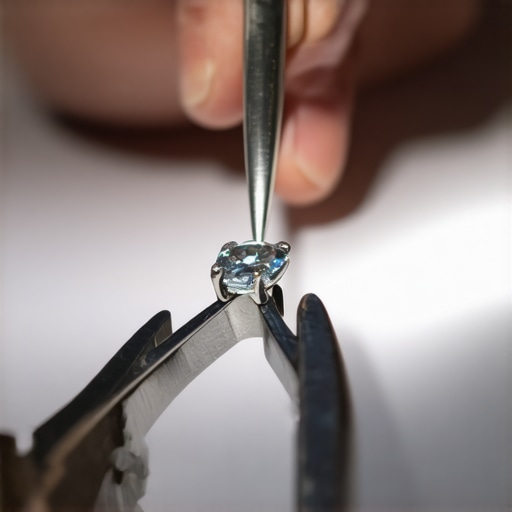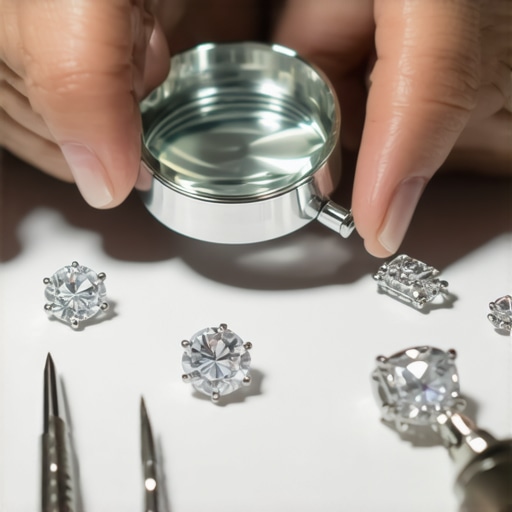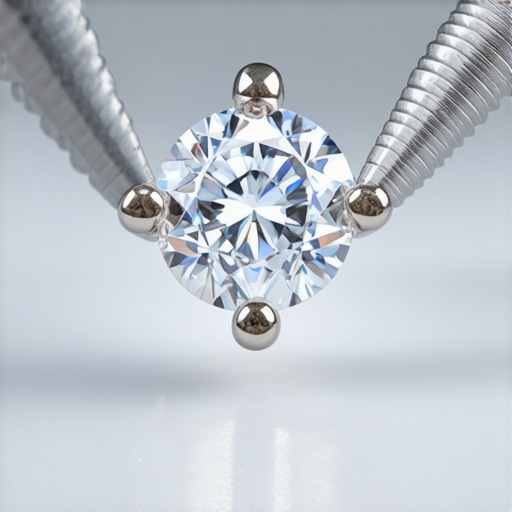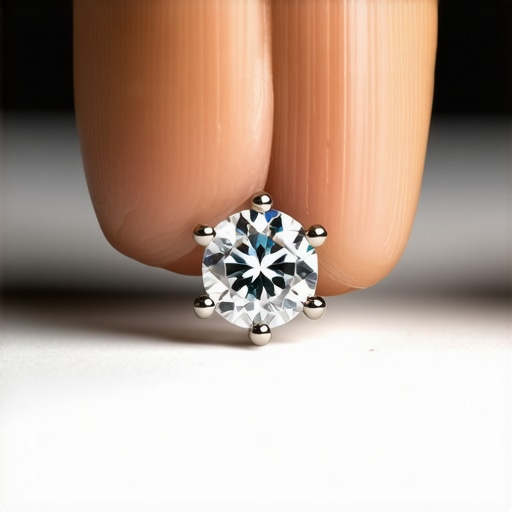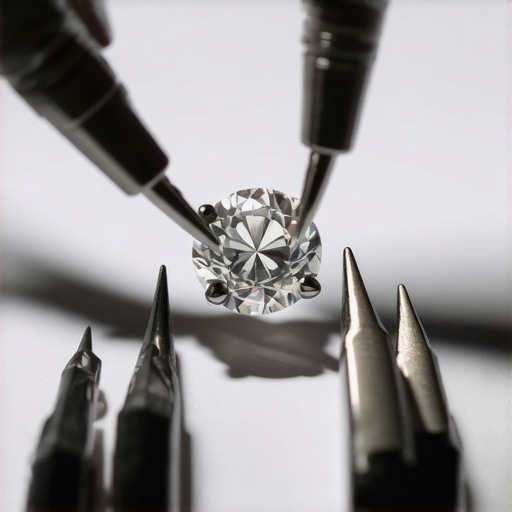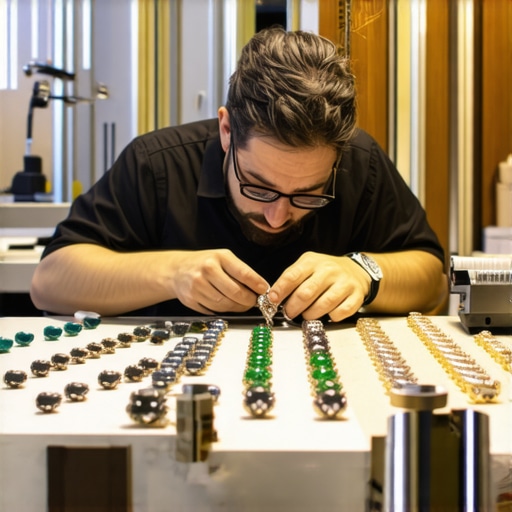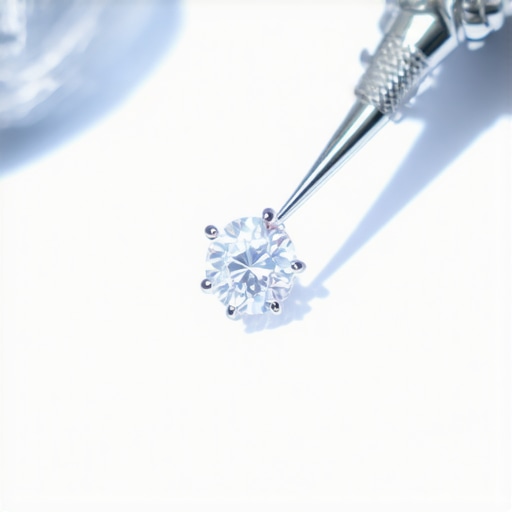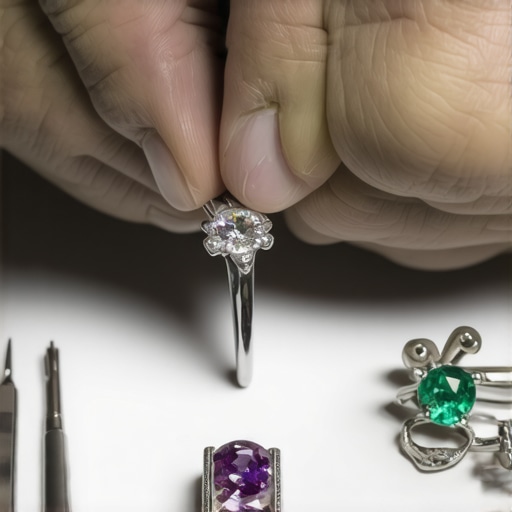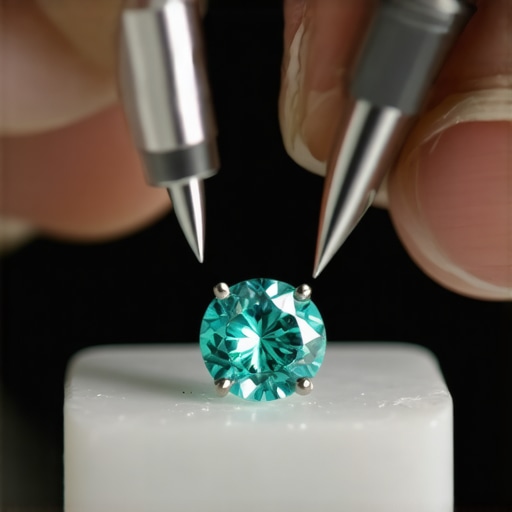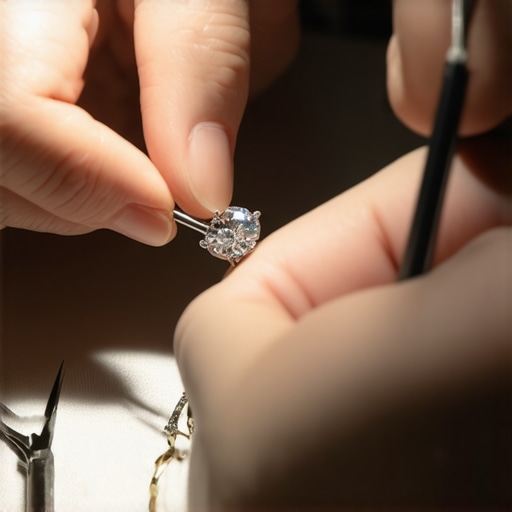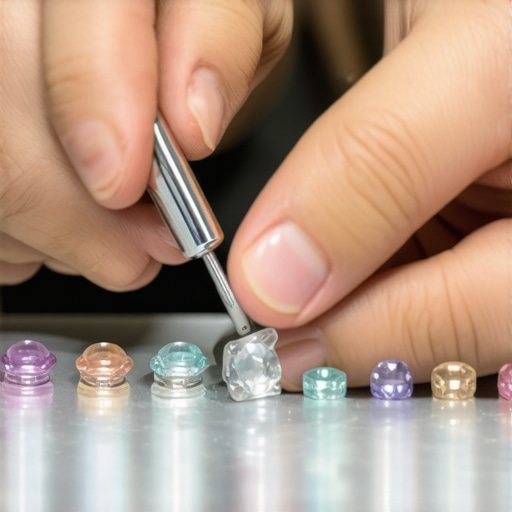
Top Stone Setting Techniques to Elevate Jewelry Confidence

Top Stone Setting Techniques to Elevate Jewelry Confidence

Discovering the Power of Proper Stone Setting

When I first started working with jewelry, I was always fascinated by how the right stone setting could transform a piece from ordinary to extraordinary. One memorable experience was repairing an inherited ring where the gemstone was loose — it taught me the importance of precise setting techniques. Over the years, I’ve learned that mastering these techniques isn’t just about aesthetics; it’s about building trust with clients and elevating your craftsmanship.

Why Choosing the Right Setting Method Matters

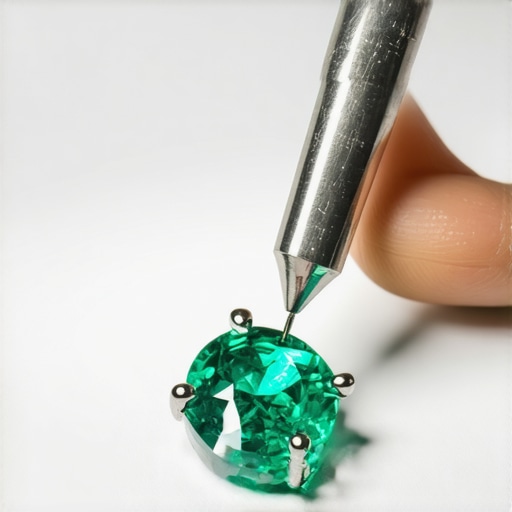
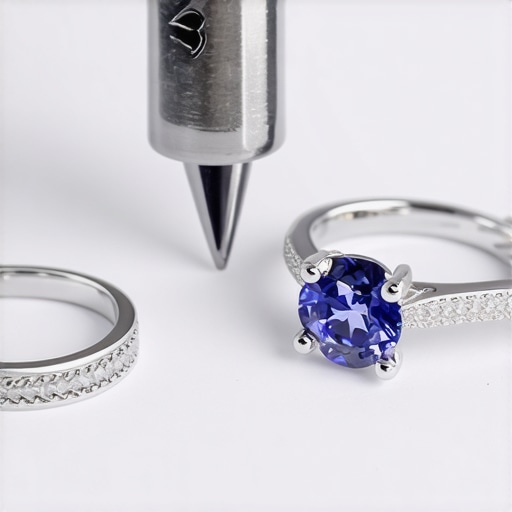
In my journey, I found that understanding various stone setting tips is essential for creating jewelry that lasts. Whether it’s prong, bezel, or channel setting, each method offers unique advantages and challenges. For instance, I remember a time when I opted for a bezel setting for a delicate sapphire; it provided a sleek look and extra security, which was perfect for daily wear.

The Personal Touch: When to Trust Your Instincts

One question I often ask myself is, “How do I know if a setting technique is right for a specific stone or design?” My answer lies in experience and understanding the properties of each gemstone. For example, softer stones require more secure settings to prevent damage. I also rely on authoritative sources, like mastering stone setting and appraisals, to guide my decisions. Trusting your instincts, combined with expert guidance, is key to perfecting your craft.

How Can I Improve My Skills in Stone Setting?

This is a question I get frequently. I recommend practicing different techniques, studying high-quality jewelry, and seeking mentorship from experienced jewelers. For instance, I spend weekends experimenting with stone restringing and setting methods. Remember, patience and attention to detail are your best friends in this craft.

What are the signs of a well-executed stone setting?

A well-executed setting should securely hold the gemstone without any wobbling, have smooth edges, and complement the overall design. It’s about achieving harmony between security and beauty. Over time, I’ve learned that a meticulous approach always pays off, building trust with clients who appreciate durable, stunning jewelry.

If you’re passionate about elevating your jewelry skills, I encourage you to share your experiences below. Let’s learn from each other and continue to craft pieces that inspire confidence and trust.

Unlocking the Secrets of Expert-Level Stone Setting

As a seasoned jeweler, I’ve come to appreciate that each gemstone presents a unique challenge and opportunity. Whether working with a fiery diamond or a delicate opal, understanding the nuances of stone setting techniques can dramatically influence the durability and beauty of a piece. One of my favorite methods to recommend for beginners and pros alike is the stone restringing and setting methods, which serve as foundational skills for any jewelry artisan.

The Art of Balancing Security and Aesthetics

In my practice, I’ve learned that the key to a flawless setting lies in the delicate balance between security and visual harmony. For instance, a prong setting should securely grip the stone without overshadowing its brilliance, while a bezel setting must encase the gem completely for safety. When I approach a new project, I ask myself, “What setting best complements the gemstone’s properties and the overall design?” This question, rooted in experience and informed by authoritative sources like mastering stone setting and appraisals, guides my decisions and helps me achieve consistent, high-quality results.

What Are the Tell-Tale Signs of a Masterfully Set Stone?

A well-executed setting should display a few tell-tale signs. The gemstone must sit firmly without wobbling, with smooth, polished edges that reflect light seamlessly. The setting should enhance the stone’s natural beauty while maintaining structural integrity. Achieving this requires keen attention to detail, patience, and a nuanced understanding of each gemstone’s hardness and fragility. For example, softer stones like turquoise need extra care to prevent scratching or loosening, especially in intricate settings. To deepen your expertise, I recommend exploring advanced techniques at expert stone setting tips that cover a range of styles and materials.

How Can I Incorporate Modern Techniques Without Compromising Classic Elegance?

This is an insightful question that many jewelers grapple with. Striking a balance between innovative designs and timeless craftsmanship involves understanding the core principles of stone setting and adapting them to contemporary aesthetics. For example, integrating tension settings with modern minimalism can create sleek, eye-catching pieces that still ensure the gemstone’s security. Experimenting with different setting styles, such as flush or gypsy settings, allows you to push creative boundaries while maintaining functional integrity. To refine your skills further, consider studying detailed guides on jewelry repair and engraving techniques that enhance your overall craftsmanship.

Embracing the Nuances of Secure and Artistic Stone Settings

As I delved deeper into the craft of jewelry making, I realized that beyond mastering basic techniques, understanding the nuanced application of stone setting can dramatically elevate a piece’s aesthetic and durability. One particular project challenged me to combine traditional prong settings with more modern tension styles — a process demanding both precision and artistic vision. This experience reinforced that each gemstone’s unique properties require tailored solutions, which isn’t always straightforward but immensely rewarding.

Refining Your Craft: The Subtle Art of Balancing Aesthetics and Security

Achieving harmony between the visual appeal and structural integrity of a setting is an ongoing learning process. For instance, when working with softer stones like opals or turquoise, I found that employing micro-prong techniques or partial bezel settings provides better protection without compromising elegance. This delicate balance is often rooted in a deep understanding of gemstone hardness, which I continually refine through studying authoritative sources, such as mastering stone setting and appraisals. It’s a blend of science, art, and intuition that defines expert craftsmanship.

How Do Master Jewelers Adapt Settings to Unique Gemstone Challenges?

This question has guided my approach for years. Different gemstones come with distinct challenges—diamonds are incredibly hard, yet require precise prong placement to avoid chipping, while softer stones like pearls or opals demand even greater care. One advanced technique I adopted involves using bezel settings with protective margins for fragile stones, ensuring longevity and beauty. Studying resources like stone restringing and setting methods has been instrumental in expanding my toolkit. I encourage fellow artisans to explore these nuanced techniques to elevate their craft.

Jeweler adjusting a tension-set gemstone in a sleek, modern ring

Incorporating modern design elements while respecting traditional craftsmanship is one of the most exciting aspects of advanced stone setting. For example, tension settings, which create a sleek, minimalist look, require a profound understanding of material strength and precise application to ensure the stone’s security. Balancing innovation with reliability involves continuous experimentation, often guided by detailed tutorials and real-world practice. I find that pushing creative boundaries in this way keeps the craft alive and evolving.

Sharing Your Journey and Insights

Every piece I craft teaches me something new about the delicate dance of securing and showcasing gemstones. I invite you, fellow jewelry enthusiasts and artisans, to share your experiences with advanced setting techniques. What challenges have you faced? How have you adapted your methods for different stones or designs? Comment below or explore related content to deepen your understanding and refine your skills further. Remember, mastery comes with patience, practice, and a willingness to learn from each unique project.

Innovating with Customization: Tailoring Settings to Unique Gemstone Narratives

One of the most rewarding facets of my journey has been developing bespoke setting solutions that narrate the story of each gemstone. For example, I recently crafted a pendant featuring a rare, irregularly shaped opal, which demanded a meticulous combination of tension and bezel settings. This approach not only secured the stone but also highlighted its mesmerizing play of colors, creating a harmonious blend of security and artistry. To deepen my understanding, I delved into comprehensive resources like mastering stone setting and appraisals, which offer nuanced techniques for complex gemstones. The key is to adapt traditional methods creatively, ensuring each piece resonates with its unique character.

Refining Technique Through Material Science and Artistic Intuition

Progressing beyond foundational skills, I’ve come to appreciate how a deep knowledge of material science complements artistic intuition. For instance, understanding the tensile strength of various metals informs how much stress a tension setting can endure without risking damage. This insight allows me to push the boundaries of design while maintaining structural integrity. An advanced technique I employ involves layering micro-prongs with a partial bezel, especially for fragile stones like turquoise, to maximize protection without compromising aesthetics. Exploring detailed tutorials on stone restringing and setting methods has been instrumental in refining these nuanced applications. Such integration of science and art elevates my craftsmanship to a new level.

Addressing Practical Challenges: Ensuring Longevity in Wearable Art

Practicality is paramount when designing jewelry intended for daily wear. A recent challenge involved creating a durable engagement ring with a delicate diamond set in a tension style. To prevent potential loosening, I incorporated a subtle internal support structure, combining tension with a minimal bead setting for added security. This hybrid approach exemplifies how understanding the limitations and possibilities of setting styles can enhance durability. I recommend exploring advanced techniques like expert stone setting tips to master these sophisticated solutions. Ultimately, balancing innovative design with practical reliability ensures your creations stand the test of time and wear.

Fostering a Culture of Continuous Learning and Innovation

My journey has been marked by a relentless pursuit of mastery through continuous education and experimentation. I actively seek opportunities to learn from seasoned artisans, attend workshops, and study high-end jewelry collections to understand emerging trends and techniques. For example, integrating tension settings with modern minimalism has allowed me to craft sleek, contemporary pieces that retain classic elegance. Engaging with a community of passionate jewelers through forums and content sharing enriches my perspective and sparks creative innovations. I encourage fellow artisans to document their experiments, share insights, and challenge conventions—this collaborative spirit is vital for evolving our craft. If you’re eager to push your boundaries, I invite you to explore my detailed insights and share your own experiences below, fostering a vibrant exchange of knowledge and inspiration.

Things I Wish I Knew Earlier (or You Might Find Surprising)

The Subtle Power of Light Reflection

One thing I discovered after years of working with jewelry is how crucial the angle of a setting is for maximizing brilliance. I once set a diamond in a way that seemed perfect but failed to catch the light properly, diminishing its sparkle. Learning to observe how light interacts with each gemstone has transformed my craftsmanship and taught me to pay more attention to the finer details.

Small Details Make Big Differences

Sometimes, tiny imperfections, like a slightly uneven prong or a rough edge, can undermine the entire piece. I used to overlook these, but now I understand that meticulous finishing — polishing, smoothing, and aligning — is what elevates a jewelry piece from good to exceptional. These small touches build trust and show your dedication to quality.

Choosing the Right Setting for the Stone’s Personality

Every gemstone has its unique character. Soft stones like opals or turquoise need different settings than hard, durable ones like diamonds. I’ve learned that understanding these nuances helps me select the best setting style, ensuring both beauty and longevity, which in turn builds confidence with clients.

The Art of Combining Techniques

Blending different setting styles, such as micro-prongs with bezel accents, can create stunning effects. It’s a bit tricky but rewarding. This approach allows for more personalized designs that highlight the gemstone’s natural beauty while ensuring stability.

Patience is the Best Teacher

Mastering stone setting isn’t a one-day thing. It requires patience, practice, and sometimes unlearning old habits. I’ve found that taking my time and not rushing yields the best results, which ultimately leads to more consistent, trustworthy craftsmanship.

Personal Reflection

Looking back, I realize that embracing these subtle truths has profoundly impacted my work. It’s not just about making a beautiful piece but creating something that endures and inspires trust. If you’re passionate about jewelry making, I encourage you to observe these details and be patient with your growth. Every challenge is a step toward mastery.

Resources I’ve Come to Trust Over Time

  • JewelCare Center’s Expert Tips on Stone Setting: This resource offers comprehensive guidance and real-world examples that have helped me refine my techniques. I highly recommend it for both beginners and experienced jewelers looking to deepen their understanding.
  • Mastering Jewelry Appraisals and Repairs: Understanding the value and integrity of your work is vital. This site provides trustworthy insights into how craftsmanship, especially stone setting, influences a jewelry’s durability and worth.
  • Re-stringing and Jewelry Restoration Guides: These practical guides have taught me the importance of proper techniques in maintaining the longevity of jewelry, especially when dealing with delicate stones and settings. They’re a goldmine for improving repair skills.

Parting Thoughts from My Perspective

Reflecting on my journey with stone setting, I realize that the real magic lies in the details. Small adjustments and an attentive eye can make a significant difference in the final appearance and durability of jewelry. Whether you’re just starting or have years of experience, never underestimate the power of patience, continuous learning, and a keen sense of observation. If this resonated with you, I’d love to hear your thoughts or experiences. Share your journey, ask questions, or simply explore new techniques — we’re all in this craft together, striving for beauty and trust in every piece we create.

Expert Stone Setting & Appraisal Tips to Enhance Jewelry Trust

Expert Stone Setting & Appraisal Tips to Enhance Jewelry Trust

My Journey into the Art of Stone Setting and Its Impact on Jewelry Trust

Ever since I started working with jewelry, I was fascinated by how a tiny gemstone could transform a piece from ordinary to extraordinary. I vividly remember the first time I watched a master jeweler expertly set a diamond into a ring; it was both mesmerizing and inspiring. That experience ignited my passion for understanding the intricacies of stone setting and the importance of accurate appraisals in building trust with clients.

Why Precision in Stone Setting Enhances Jewelry Durability and Appeal

In my personal experience, proper stone setting isn’t just about aesthetics—it’s about ensuring the longevity and safety of the jewelry. When I learned about various techniques, like prong, bezel, and channel settings, I realized each has its own strengths and suitability depending on the gemstone and design. According to Jewel Care Center, mastering these methods helps prevent stones from loosening over time, which directly boosts customer confidence and trust in your craftsmanship.

How Do I Know if a Stone Setting Is Flawless?

Achieving a flawless setting requires both technical skill and an eye for detail. I often inspect my work under a jeweler’s loupe, checking for even tension in prongs and secure bezels. I also rely on professional tools like ultrasonic cleaners and precise measurement devices to verify that each stone is perfectly aligned and stable. Sharing this process with clients reassures them of the quality and integrity of their jewelry. For a comprehensive understanding, I recommend exploring this detailed guide.

What Are Some Common Challenges in Stone Setting, and How Do I Overcome Them?

One challenge I faced early on was dealing with delicate gemstones that easily chipped or loosened. To overcome this, I adopted meticulous handling techniques and invested in high-quality tools. Patience is key—rushing can lead to errors and diminish trust. Additionally, I learned the importance of regular training and updates on new setting technologies. Remember, ongoing education is vital, and I often consult authoritative sources like this resource for tips on refining my skills.

How Can Proper Appraisal Practices Enhance Customer Confidence?

Accurate jewelry appraisals are crucial for establishing trust, especially when clients are making significant investments. I always ensure my appraisals are thorough, documenting each gemstone’s quality, origin, and setting details. This transparency reassures clients and builds long-term trust. Furthermore, I stay updated on industry standards and valuation methods, which you can learn more about by visiting this authoritative page. Honest appraisals reflect professionalism and commitment to excellence.

If you’re passionate about elevating your jewelry craftsmanship or building trust with your clients, I encourage you to share your experiences or ask questions below. Let’s help each other grow in this beautiful craft!

What Are the Nuances of Advanced Stone Setting Techniques for Lasting Beauty?

As an expert jeweler, I’ve realized that mastering advanced stone setting techniques—such as micro-pavé, tension, and gypsy settings—requires not just skill but an understanding of material behavior and client expectations. These methods offer a level of precision that enhances both the aesthetic appeal and structural integrity of jewelry. For example, micro-pavé involves tiny stones set so closely that the metal is barely visible, creating a continuous sparkle effect. Achieving this demands meticulous craftsmanship and the right tools, like specialized grain-setting burrs and tweezers. These techniques, when executed flawlessly, can dramatically boost the perceived value of a piece and foster client confidence in your expertise. To deepen your knowledge, I recommend exploring this in-depth guide on advanced setting methods.

How Do Material Choices Influence the Longevity and Trustworthiness of Settings?

The selection of materials—be it platinum, gold, or alternative alloys—significantly impacts the durability and trustworthiness of stone settings. For example, platinum’s dense and malleable properties make it ideal for secure settings, especially in tension or bezel designs, ensuring stones stay firmly in place over time. Gold, while softer, offers versatility and aesthetic appeal, but may require more frequent checks. Understanding the material’s properties allows you to tailor your setting technique accordingly, which ultimately enhances client trust. When you combine this knowledge with precise craftsmanship, you create jewelry that stands the test of time. For more insights on material selection and its impact, visit this resource on expert jewelry craftsmanship.

Are there innovative tools or technologies that can elevate my stone setting precision?

Absolutely. Modern tools like digital calipers, high-powered microscopes, and laser welding machines have revolutionized the way jewelers approach stone setting. Laser welding, in particular, allows for micro-adjustments with minimal heat impact, reducing the risk of damage to delicate stones or metals. Additionally, CAD (Computer-Aided Design) software enables precise planning of settings before physical work begins. This integration of technology not only boosts precision but also enhances client confidence as you can show detailed visualizations and prototypes of the final piece. Embracing these innovations is essential for staying competitive and delivering flawless results. For more on integrating technology into your practice, see this comprehensive overview.

How Can Transparent Communication and Documentation Strengthen Client Trust?

In my experience, transparent communication plays a vital role in building long-term trust. Sharing detailed documentation of the setting process, including photographs and descriptions of each step, reassures clients about the quality of craftsmanship. Moreover, providing a professional appraisal that accurately reflects the jewelry’s value and condition—based on thorough inspection and industry standards—further solidifies trust. Regular updates during the setting process and honest discussions about potential challenges demonstrate integrity and expertise. Remember, clients appreciate when you educate them about the nuances of jewelry care and maintenance, which can be found in resources like this authoritative guide. Such practices foster confidence and reinforce your reputation as a trusted jeweler.

If you’re eager to refine your skills or share your experiences with complex settings, I invite you to comment below or explore more about jewelry appraisal and setting techniques. Every conversation enriches our collective craftsmanship!

Delving into the Subtleties of Material Behavior and Its Impact on Settings

One of the most fascinating aspects of my journey as a jeweler has been understanding how different materials respond under various setting techniques. When I first started working with platinum, I was struck by its density and malleability, which allowed me to craft more secure tension settings that could withstand daily wear. Conversely, gold’s softer nature required me to be more cautious, often reinforcing settings with additional prongs or protective bezel designs. Recognizing these material behaviors is crucial because it directly influences the longevity of the piece and the trust your clients place in your craftsmanship.

How Do I Perfect the Art of Micro-Detailing in Micro-Pavé Settings?

Micro-pavé settings are a testament to precision craftsmanship. Achieving seamless, sparkling surfaces where tiny stones sit so close that metal almost disappears has always been a personal challenge. I remember countless hours honing my skills with grain-setting burrs and tweezers, learning to control every micro-movement. The key lies in meticulous preparation, consistent measurement, and patience. I often remind myself, as I read in this comprehensive guide, that mastery is about refining every tiny detail to perfection. When I finally see a flawless micro-pavé, I feel an immense sense of pride and trust from my clients.

What Are the Ethical Considerations When Choosing Materials for Settings?

Beyond technical skills, I’ve come to appreciate the importance of ethical sourcing and transparency. Clients today are increasingly aware of the origins of their jewelry materials. Selecting conflict-free gold or recycled platinum not only aligns with my personal values but also enhances the integrity and trustworthiness of my work. Incorporating such choices into my craftsmanship requires diligent research and clear communication, which I find deeply rewarding. Sharing these commitments with clients fosters a sense of shared trust that extends beyond aesthetics, creating a genuine connection rooted in responsible practices.

How Can Technology Further Elevate My Precision and Client Confidence?

Integrating advanced tools like CAD software and laser welding machines has been transformative. With CAD, I plan intricate settings in a virtual environment, catching potential issues before physical work begins. Laser welding allows me to make micro-adjustments with minimal heat impact, protecting delicate stones and metals. These innovations have not only improved my technical precision but also allowed me to show clients detailed visualizations, boosting their confidence in the final product. For those interested in embracing these technologies, I recommend exploring this insightful overview on modern tools for jewelers.

How Do I Maintain Transparency and Deep Communication Throughout the Setting Process?

In my experience, consistent, honest communication is the bedrock of trust. I make it a point to share step-by-step updates with clients, often including photographs of ongoing work. Explaining the challenges I encounter and how I resolve them demystifies the craftsmanship and reassures clients that their jewelry is in capable hands. Additionally, providing comprehensive appraisals that detail each gemstone’s origin, quality, and settings demonstrates my commitment to transparency. When clients see that I prioritize honesty and detail, their confidence in my work deepens. I encourage you to explore this resource for more on effective communication strategies.

Sharing stories of your own learning curve, challenges, and triumphs can inspire others and foster a community committed to craftsmanship and trust. I invite you to comment below with your experiences or questions, as every exchange enriches our shared passion for jewelry making.

Refining Precision: The Role of Advanced Tools in Micro-Detailing Masterpieces

Achieving perfection in micro-pavé settings, where tiny stones are set with unparalleled closeness, requires not only skill but also cutting-edge technology. Modern innovations like high-powered microscopes and laser welding machines have become indispensable in my workshop. Laser welding, for example, allows for micro-adjustments with minimal heat transfer, preserving both delicate stones and precious metals. Integrating CAD software into the planning phase enables me to visualize intricate settings digitally, identifying potential issues before physical work begins. This fusion of technology and craftsmanship ensures each micro-pavé detail aligns flawlessly, elevating the final piece’s aesthetic appeal and structural integrity. Embracing these tools signifies a commitment to excellence and boosts client confidence, knowing their jewelry benefits from the latest advancements. For a comprehensive understanding, explore this resource.

Material Matters: How Material Selection Enhances Longevity and Ethical Integrity

The choice of materials profoundly influences your jewelry’s durability and the trust it inspires. Platinum’s dense and malleable nature makes it ideal for secure tension and bezel settings, ensuring stones remain firmly in place over decades. Gold, softer yet versatile, often necessitates reinforced settings and regular checks, but its aesthetic allure remains unmatched. Beyond technical considerations, ethical sourcing has become paramount. I prioritize conflict-free gold and recycled platinum, aligning my craftsmanship with responsible practices. This transparency not only satisfies conscientious clients but also reinforces your reputation for integrity. To deepen your insights on material impact and ethics, visit this page.

How Can Innovative Technologies Transform Your Setting Precision and Client Trust?

Modern tools like CAD and laser welding have revolutionized my approach to jewelry making. CAD allows me to simulate settings virtually, catching potential flaws early and customizing designs to client specifications. Laser welding enables micro-precision adjustments without compromising the integrity of stones or metals, reducing the risk of damage. These advancements not only refine technical accuracy but also enable me to showcase detailed visualizations to clients, fostering transparency and confidence. Staying at the forefront of such technologies differentiates my craftsmanship and reassures clients that their investments are in expert hands. For more in-depth strategies, explore this overview.

Why Transparent Communication and Documentation Are Essential for Building Trust

Consistent, honest dialogue with clients is the cornerstone of long-term trust. I make it a point to document each step of the setting process, sharing high-resolution photographs and detailed descriptions. This transparency reassures clients of the meticulous care taken in their jewelry’s creation. Additionally, comprehensive appraisals that include gemstone origin, quality, and setting details reinforce credibility. Regular updates during the process and candid discussions about challenges not only demonstrate professionalism but also foster a sense of shared ownership. Educating clients about jewelry maintenance and care further cements their confidence in my expertise. For effective communication tips, refer to this guide.

How Do Material Behaviors and Ethical Choices Intersect to Influence Craftsmanship?

Understanding material behavior is crucial for crafting durable, trustworthy jewelry. My experience with platinum has shown me its excellent malleability and strength, making it perfect for tension settings that require longevity. Gold’s softer nature demands additional reinforcement, but its aesthetic versatility often outweighs this challenge. Ethical considerations, such as sourcing conflict-free or recycled materials, have become integral to my design philosophy. These choices resonate with clients who value responsible practices, reinforcing their trust in my work. Incorporating this ethical consciousness requires diligent research and transparent communication, but the resulting trust and shared values make it worthwhile. To learn more about responsible sourcing, visit this resource.

What Strategies Can You Adopt to Elevate Your Craft and Client Confidence?

Beyond mastering technical skills, fostering an environment of transparency and continuous learning is vital. Regularly updating your toolkit with the latest technologies and materials keeps your craftsmanship competitive. Sharing your journey—challenges faced, lessons learned, and successes achieved—can inspire clients and fellow artisans alike. Building a reputation for honesty, precision, and ethical integrity encourages repeat business and glowing referrals. Engaging in professional communities, attending workshops, and consulting authoritative sources like this expert guide can accelerate your growth. Remember, the pursuit of excellence is a continuous journey, one that benefits both your craft and the trust of those who cherish your creations.

Things I Wish I Knew Earlier (or You Might Find Surprising)

The Subtle Power of Proper Tension

One realization that transformed my approach was understanding how crucial the tension in prong and tension settings truly is. I used to think a good-looking setting was enough, but I learned that even slight variations can lead to loose stones over time. This awareness pushed me to develop a keener eye for consistency and precision, which significantly boosted my clients’ confidence in my craftsmanship.

Material Choices Are More Than Just Aesthetics

Initially, I didn’t pay enough attention to the materials I used, assuming all golds and metals perform similarly. However, I discovered that selecting the right alloy—like platinum for tension settings—can dramatically improve durability and trustworthiness. This subtle choice often goes unnoticed but makes a big difference in long-term satisfaction.

Technology Is Your Best Friend

Integrating tools such as laser welders and CAD software revolutionized my workflow. I realized that these technologies don’t replace skill but enhance it—allowing for micro-adjustments and detailed planning that were impossible before. Sharing these advancements with clients reassures them that their jewelry benefits from the latest innovations, strengthening their trust.

The Power of Transparent Communication

I learned that sharing detailed process documentation, including photos and step-by-step updates, fosters an environment of trust. Clients appreciate honesty about potential challenges and the care taken during each stage. This openness often turns first-time buyers into loyal, long-term patrons.

Ethical Sourcing Is a Trust Builder

Choosing conflict-free and recycled materials isn’t just a moral choice—it’s a strategic one. I found that being transparent about sourcing practices resonated with clients who value responsibility, creating deeper bonds of trust that extend beyond the jewelry itself.

Resources I’ve Come to Trust Over Time

  • Jewel Care Center: Their comprehensive guides on stone setting and appraisals have been invaluable for deepening my technical knowledge and building confidence in my craft. I often recommend their resources to fellow jewelers looking to improve their skills.
  • GIA (Gemological Institute of America): Known worldwide for gemstone grading and education, GIA’s courses and publications have provided me with authoritative insights into gemstone quality and ethical sourcing, which I consider essential for trustworthy jewelry making.
  • Jewelers of America: Their community and resources keep me updated on industry standards and best practices, ensuring my work remains reliable and professional.

Parting Thoughts from My Perspective

Reflecting on my journey with stone setting and building trust through craftsmanship, I realize that attention to detail, technological integration, and transparency are the pillars of a reputable jewelry practice. These elements not only elevate the quality of each piece but also foster authentic relationships with clients. If you’re passionate about honing your skills and creating jewelry that lasts—both in beauty and trust—I encourage you to embrace continuous learning and honest communication. Remember, every well-crafted piece tells a story of dedication and integrity. If this resonates with you, I’d love to hear your thoughts or experiences—feel free to share below or explore more about jewelry craftsmanship and trust-building techniques in these trusted resources.

Stone Setting & Restringing Jewelry: Top Methods for Flawless Results

Stone Setting & Restringing Jewelry: Top Methods for Flawless Results

My First Encounter with Jewelry Repair: A Personal Reflection

I’ll never forget the day I decided to learn about stone setting & restringing jewelry. It was after I inherited my grandmother’s delicate necklace, which had lost a few stones over time. The desire to restore its original beauty sparked my curiosity and motivated me to dive into the world of jewelry repair. As I started experimenting, I realized that mastering these techniques could truly transform worn-out pieces into stunning creations.

The Secrets Behind Perfect Stone Setting

From my experience, stone setting is both an art and a science. I learned that the key lies in choosing the right setting style—bezel, prong, or flush—based on the gemstone and jewelry design. According to experts, proper stone setting not only enhances the appearance but also ensures durability. I found that using the correct tools and techniques makes a huge difference, especially when dealing with various gemstone shapes and sizes.

What Are the Most Common Challenges in Stone Setting?

During my journey, I faced challenges such as ensuring the stone is securely held and preventing damage to delicate gems. I learned that patience and attention to detail are essential. For instance, when setting tiny diamonds, I had to work under a magnifier to achieve precision. This process taught me the importance of practice and proper tools.

Restringing Jewelry: Bringing Old Pieces Back to Life

Restringing jewelry is another skill I developed through trial and error. I started with simple necklaces and gradually moved to more complex pieces. The goal was always to restore strength and beauty, especially for heirlooms that hold sentimental value. I discovered that using high-quality silk or nylon threads, combined with expert knotting techniques, could significantly extend the life of jewelry pieces. For detailed guidance, I often refer to this resource.

Why Is Attention to Detail Critical in Jewelry Restoration?

In my experience, the smallest mistake can compromise the entire piece. Whether it’s aligning stones perfectly or tying knots seamlessly, meticulousness is non-negotiable. I also learned that regular inspections and professional appraisals help maintain the integrity of jewelry. For instance, I often consult authoritative sources like experts in the field to improve my skills and ensure quality results.

How Can I Build Confidence in My Jewelry Repair Skills?

Building confidence requires consistent practice and learning from experienced jewelers. I recommend starting with simpler projects and gradually taking on more complex repairs. Sharing your progress and seeking feedback can also boost your skills. Remember, patience and perseverance are key—every piece you restore adds to your expertise.

If you’re passionate about jewelry repair, I invite you to share your experiences or ask questions in the comments below. Let’s learn together and keep the tradition of fine craftsmanship alive!

How Do Advanced Techniques Elevate Jewelry Restoration to Art?

Building upon foundational skills, expert jewelers often employ advanced techniques such as micro-pavé, channel setting, and invisible setting to achieve seamless and durable finishes. These methods require meticulous craftsmanship and specialized tools, transforming simple repairs into works of art. For example, when restoring a vintage ring, using mastering stone setting ensures the stone is not only secure but also highlights its natural beauty.

What Are the Nuances in Choosing the Right Materials for Restringing?

Material selection is crucial to ensure longevity and aesthetic appeal. While silk threads provide a luxurious look suitable for heirlooms, nylon or wire may be better for everyday wear due to their strength and resistance to fraying. Experts often recommend using high-quality materials like professional-grade threads combined with precise knotting techniques to prevent loosening over time. Understanding the subtle differences in thread tension and knot placement can significantly influence the durability of the restored piece.

Could the choice of setting or thread material impact the jewelry’s value and longevity?

Absolutely. An expert understands that the integrity of a jewelry piece depends on the compatibility of stones, settings, and support materials. For instance, using the appropriate setting style—bezel for enhanced security or prong for maximum light exposure—can impact the piece’s appeal and resale value. Moreover, selecting the right thread material for restringing directly affects how well the piece withstands daily wear and tear, which is why ongoing education and experience are vital. For further insights on enhancing your skills, consider exploring this comprehensive guide.

How Can Continuous Learning and Practice Transform an Amateur into a Pro?

Practicing on a variety of jewelry types—ranging from delicate heirlooms to modern designs—sharpens your skills and exposes you to diverse challenges. Attending workshops, engaging with expert communities, and studying authoritative sources such as professional appraisal and engraving tips can deepen your understanding. Moreover, seeking constructive feedback and documenting your progress help identify areas for improvement, making your craftsmanship more refined with each project.

If you’re eager to elevate your jewelry repair skills, I encourage you to share your experiences below or ask about specific techniques. Let’s continue to learn and uphold the artistry and reliability that define expert jewelry repair!

The Subtle Art of Micro-Setting and Its Impact on Vintage Restoration

Reflecting on my journey, I found that integrating advanced techniques like micro-pavé and invisible setting significantly elevates the quality of jewelry restoration. These methods demand a delicate touch and an eye for detail, transforming a simple repair into a piece that rivals original craftsmanship. When restoring vintage jewelry, I often employ mastering stone setting techniques to ensure that each gemstone is not only secure but also beautifully showcased. This meticulous approach preserves the piece’s historical charm while enhancing its durability and aesthetic appeal.

Nuanced Material Choice: The Unsung Hero of Longevity and Value

In my experience, the selection of materials for restringing and setting is a nuanced art. For heirlooms or sentimental pieces, I prefer high-quality silk threads because they offer a luxurious look and gentle support. Conversely, nylon or stainless steel wires are better suited for everyday wear, providing strength and resilience. The subtle differences in thread tension, knot placement, and material compatibility can dramatically influence a jewelry piece’s longevity and value. For insights into optimal material choices, I often consult this expert guide to refine my approach.

Deepening Confidence Through Continuous Mastery and Reflection

Building confidence in jewelry repair is an ongoing journey. I’ve learned that practicing on diverse pieces—from delicate heirlooms to contemporary designs—expands my skill set and deepens my understanding of materials and techniques. Engaging with professional communities and seeking constructive feedback, whether through online forums or mentorship, accelerates growth. I also document each project meticulously, which helps in identifying areas for improvement and tracking progress over time. If you’re curious about elevating your skills further, exploring this resource can provide valuable guidance.

The Power of Precision and Patience in Modern Restoration

Advanced jewelry repair is as much about patience as it is about technique. Precision tools like micro-drills and high-magnification microscopes enable me to work on tiny stones and intricate settings with confidence. Patience allows me to meticulously align each component, ensuring the piece’s structural integrity and visual harmony. I’ve come to appreciate that the smallest adjustments—be it a slight shift in a prong or a perfectly tied knot—can make a profound difference in the final outcome. These nuanced skills are what distinguish a good repair from a truly exceptional one.

Inviting Your Personal Stories and Insights

Every piece I repair carries a story, and I believe that sharing personal experiences can inspire others in this craft. Have you encountered a challenging restoration that taught you something unexpected? Or perhaps a technique that transformed your approach? I invite you to share your journey or ask questions about advanced techniques. Together, we can deepen our understanding and uphold the artistry that makes jewelry repair a unique blend of science and art. Feel free to comment below or explore more about resigning and restoring jewelry.

The Art of Micro-Setting: Elevating Vintage Jewelry Restoration

In my ongoing journey of refining jewelry repair skills, I have come to appreciate the profound impact of micro-pavé and invisible setting techniques. These advanced methods demand an exceptional level of precision and finesse, transforming ordinary restorations into exquisite works of art. When restoring vintage pieces, such as Art Deco rings or Victorian lockets, employing mastering stone setting techniques ensures that each gemstone is not only securely held but also beautifully showcased, preserving the historical essence while enhancing durability.

Material Selection Mastery: The Unsung Hero of Longevity and Aesthetics

Choosing the right materials for restringing and setting is a nuanced art that significantly influences a jewelry piece’s lifespan and aesthetic appeal. For heirlooms, I prefer high-quality silk threads, which provide a luxurious look and gentle support, aligning with the piece’s sentimental value. Conversely, nylon or stainless steel wires are optimal for everyday jewelry due to their strength and resistance to fraying. The subtle differences in thread tension, knot placement, and material compatibility can dramatically impact the piece’s resilience, making knowledge of these nuances essential for any serious jeweler. For comprehensive guidance on material choices, I often refer to this authoritative resource.

Does Setting Style and Support Material Affect Jewelry’s Long-term Value?

Absolutely. An expert understands that the compatibility between setting style—be it bezel, prong, or channel—and the support material directly influences a piece’s durability and market value. For instance, bezel settings offer superior security for fragile stones, while prongs maximize light exposure, enhancing brilliance. Similarly, selecting the appropriate thread or wire for restringing ensures the piece withstands daily wear without loosening or damage. This intricate balance between aesthetics and function underscores the importance of ongoing education and experience in craftsmanship. To deepen your understanding, explore this detailed guide.

How Can Continuous Practice and Reflection Elevate Your Jewelry Repair Expertise?

Practicing on a diverse array of jewelry—from delicate vintage rings to complex modern designs—sharpens technical skills and broadens problem-solving capabilities. Engaging with professional communities and seeking constructive feedback accelerates growth, while meticulous documentation of each project helps identify strengths and areas for improvement. Reflecting on challenges, such as aligning tiny prongs or knotting support threads seamlessly, deepens understanding and hones precision. If you’re committed to mastering this craft, I invite you to explore this valuable resource for further insights.

Inviting Your Expertise: Share Your Advanced Repair Experiences

Every repair tells a story, and I would love to hear about your most challenging or innovative projects. Have you experimented with micro-setting or tested different support materials? Your insights can inspire others and foster a community committed to excellence. Feel free to comment below or reach out for a deeper discussion on complex techniques and material nuances. Let’s continue pushing the boundaries of jewelry restoration together.

Things I Wish I Knew Earlier (or You Might Find Surprising)

The Hidden Importance of Patience

One of the most overlooked aspects of jewelry repair is patience. In my early days, I was eager to see quick results, but I soon realized that rushing often led to mistakes. Taking my time to carefully set stones or knot threads made a huge difference in the final outcome and durability of the piece.

The Power of Proper Materials

Using high-quality threads and the right setting styles can make or break a repair. I once tried to save a few dollars on inferior materials, only to have the jewelry loosen quickly. Investing in the best materials ensures longevity and keeps the sentimental value intact.

Details Matter More Than You Think

Small details like knot placement or prong alignment can seem insignificant but are crucial for a flawless finish. Learning to focus on these nuances has elevated my craftsmanship and given me confidence in my repairs.

Continuous Learning Is Key

Every piece I restore teaches me something new. Attending workshops, reading expert guides, and practicing on various jewelry types have been invaluable. The journey of mastering jewelry repair is ongoing, and embracing this mindset keeps it exciting.

Resources I’ve Come to Trust Over Time

  • JewelCareCenter.com – An excellent source for detailed guides on stone setting and restringing. I often revisit their articles to refine my techniques.
  • Professional Jewelry Appraisal and Engraving Tips – A trustworthy resource that deepens my understanding of craftsmanship and value.
  • Mastering Stone Setting and Appraisals – Their comprehensive tutorials have helped me approach repairs with more confidence and precision.

Parting Thoughts from My Perspective

Reflecting on my journey, I believe that a genuine passion for jewelry repair—combined with patience, attention to detail, and continuous learning—is what truly elevates craftsmanship. Trustworthy resources like those I’ve mentioned can significantly support your growth and success. If this resonates with you, I’d love to hear your experiences or questions. Feel free to share your thoughts in the comments or pass this along to someone interested in the art of jewelry restoration. Remember, every piece restored is a story worth telling, and your dedication can make all the difference in preserving the beauty and history of jewelry.

Mastering Stone Setting and Appraisals for Flawless Jewelry Results

Mastering Stone Setting and Appraisals for Flawless Jewelry Results

Discovering the Art of Stone Setting: A Personal Journey

My fascination with jewelry craftsmanship began when I inherited a vintage ring from my grandmother. The intricate stone setting and the way each gem was securely nestled within the metal captivated me. I realized that mastering stone setting was essential for creating stunning pieces that last a lifetime. Over time, I dedicated myself to learning various techniques, from prong to bezel settings, understanding that each method offers unique beauty and security.

Why Proper Stone Setting Matters More Than You Think

Through my experience, I’ve learned that a well-executed stone setting not only enhances the overall aesthetic but also preserves the value of the jewelry. A loose gemstone can diminish the piece’s charm and its appraisal value. That’s why I always emphasize the importance of precision and quality when setting stones. I also discovered that different gemstones require specific settings to prevent damage and maximize brilliance, as highlighted by experts in professional stone setting tips.

How Do I Ensure Flawless Jewelry Results?

Achieving flawless results involves a combination of skill, patience, and the right tools. I’ve invested in high-quality settings and learned to evaluate the stone’s shape and size carefully before setting it. Regular practice and seeking advice from seasoned jewelers have significantly improved my craftsmanship. Additionally, understanding the importance of periodic inspections and proper care helps maintain the integrity of the setting over time. For example, I now routinely perform appraisals to confirm that each piece retains its value and beauty, which is essential for both personal satisfaction and resale purposes.

What Are the Secrets Behind Accurate Jewelry Appraisals?

In my journey, I found that accurate appraisals are crucial for insurance and resale. My first experience with a professional appraisal was eye-opening; it made me realize how much a well-documented valuation can protect your investment. I learned that appraisals consider factors like gemstone quality, craftsmanship, and overall condition. To build trust and ensure accuracy, I always consult certified appraisers and keep detailed records of each jewelry piece. If you’re interested in learning more about this process, I recommend exploring reputable resources or consulting a trusted jeweler.

Why is it so important to trust expert appraisals and stone setting tips?

Because they directly impact the value and longevity of your jewelry, trusting expert advice ensures your pieces remain beautiful and secure over time. A good example is consulting professional services for re-stringing or engraving, which can significantly improve your jewelry’s durability and appearance, as discussed in professional jewelry services.

If you’re passionate about jewelry as I am, I’d love to hear your stories or tips about mastering stone setting and appraisals. Feel free to share your experiences in the comments below or explore more about how expert techniques can elevate your jewelry collection!

Unlocking the Nuances of Stone Setting: An Expert Perspective

As a seasoned jewelry artisan, I’ve come to appreciate that mastering advanced stone setting techniques can truly transform a piece from ordinary to extraordinary. Whether you’re working with delicate pavé or intricate tension settings, understanding the subtle nuances can make all the difference in durability and aesthetic appeal. For instance, precision in prong placement not only secures the gemstone but also maximizes light return, enhancing brilliance. Learning to manipulate settings like flush or gypsy requires a deep understanding of metalwork and gemstone properties, which I explore in detail in my guide on professional stone setting tips.

Why Do Certain Gemstones Demand Specific Setting Techniques?

Different gemstones possess unique characteristics—hardness, cleavage, and resilience—that influence their ideal setting. For example, softer stones like opals or pearls require protective settings to prevent chips or fractures, often favoring bezel or semi-bezel techniques. Conversely, diamonds and sapphires, with their hardness, can withstand more complex settings such as tension or pave. Recognizing these nuances is vital for creating jewelry that is not only beautiful but also durable over time. As I emphasize in my experience, consulting authoritative sources like the Gemological Institute of America (GIA) can provide invaluable insights into gemstone-specific setting strategies and care guidelines, ensuring your craftsmanship adheres to the highest standards.

How Can You Elevate Your Jewelry Craftsmanship with Advanced Setting Skills?

Elevating your skills involves continuous practice, critical evaluation, and staying informed about emerging techniques. For instance, incorporating innovations like laser welding allows for cleaner, more precise joins, especially in delicate settings. Moreover, understanding the mechanical principles behind each setting—such as the tension or four-prong method—enables you to troubleshoot and refine your work effectively. I recommend exploring specialized tutorials and seeking mentorship from experienced jewelers to deepen your expertise. Additionally, consulting trusted resources like `- https://jewelcarecenter.com/engraving-and-re-stringing-expert-jewelry-services-to-build-trust` can guide you in maintaining the integrity of your settings through professional re-stringing or engraving services, which are crucial for long-term jewelry care.

Jeweler carefully setting a gemstone using precision tools.

What Are the Most Overlooked Details That Make a Setting Truly Flawless?

Often, the devil is in the details. Small aspects such as the uniformity of prong height, the smoothness of the metal finish, and the alignment of the gemstone can significantly impact the final appearance. Overlooking these can lead to uneven wear or even loss of stones over time. As an expert, I stress meticulous measurement and regular inspections during and after the setting process. Incorporating quality control steps ensures each piece meets professional standards, which is essential when aiming for a flawless finish. Remember, the goal is not only beauty but also longevity, and paying attention to these finer points will elevate your craftsmanship to a professional level.

Unveiling the Depths of Stone Setting: My Personal Perspective on Precision and Artistry

Over the years, my journey into jewelry craftsmanship has revealed that stone setting is an intricate dance between technical skill and artistic intuition. Beyond the basic methods, mastering subtle nuances—such as the slight variation in prong height or the micro-adjustments in tension settings—can dramatically elevate a piece’s brilliance and durability. I vividly recall experimenting with tension settings, where even a fraction of a millimeter can influence the light reflection and overall stability. These experiences taught me that paying close attention to minute details isn’t just about perfection; it’s about understanding the delicate balance of materials and craftsmanship that results in timeless jewelry.

The Critical Role of Material Compatibility and Advanced Setting Techniques

One of the most overlooked aspects in advanced stone setting is the compatibility between gemstone properties and setting styles. For example, softer stones like opals and turquoise demand protective settings—often bezel or semi-bezel—to shield against chips and fractures. Conversely, diamonds and sapphires, with their exceptional hardness, can be set using tension or pave techniques that showcase their brilliance while ensuring security. I’ve personally experienced that understanding these material nuances—supported by authoritative sources like the Gem-A—is essential for creating resilient, beautiful pieces. Incorporating laser welding technology, which I adopted after extensive research, has allowed me to achieve cleaner joins and more intricate designs that were previously challenging, further pushing the boundaries of craftsmanship.

How Do I Refine My Technique to Achieve Flawless Results Under Pressure?

Refinement in jewelry making isn’t solely about skill; it’s about cultivating a mindset that values patience and meticulousness. I’ve learned to evaluate each setting multiple times, adjusting prongs and tension to ensure evenness and firmness. Practicing under varying conditions and seeking feedback from experienced mentors has been invaluable. Additionally, understanding the importance of professional re-stringing and engravings—services that I now regularly incorporate—has ensured that my pieces maintain their integrity over time, as highlighted in the professional jewelry services. This continuous cycle of evaluation and improvement is what transforms good craftsmanship into exceptional artistry.

What Are the Hidden Details That Make a Setting Truly Flawless?

Often, the key lies in the subtle details—prong uniformity, smooth metal finish, and precise gemstone alignment. I’ve found that even the smallest irregularity can lead to uneven wear or, worse, stone loss. For instance, I once spent extra time polishing the prongs after setting a gemstone, which not only enhanced the aesthetic but also reduced the risk of snagging or breakage. Regular inspections, meticulous measurement, and quality control are non-negotiable steps in my process. These finer points—though seemingly minor—are what differentiate a professional finish from an amateur one, ensuring longevity and beauty for years to come.

Invitation to Share and Explore Further

If you’re passionate about advancing your jewelry skills or have discovered your own nuances in stone setting, I’d love to hear your stories. Sharing experiences enriches our collective knowledge and inspires continuous growth. Feel free to comment below or explore more expert techniques through trusted resources like professional stone setting tips. Whether you’re a seasoned jeweler or an enthusiastic hobbyist, embracing these subtle intricacies can truly transform your creations and deepen your appreciation for this timeless craft.

Refining the Craft: The Subtle Art of Microscopic Adjustment in Stone Setting

One of the most overlooked yet critical aspects of high-level jewelry craftsmanship is the precision of microscopic adjustments during setting. Achieving uniform prong height and ensuring optimal tension in tension settings can dramatically influence the brilliance and security of a gemstone. From my personal experience, employing calibrated tools such as digital micrometers and magnification loupes allows for meticulous measurement and real-time correction. This continuous refinement process embodies the essence of craftsmanship, transforming a good setting into an exemplary one. For advanced techniques and insights, I recommend consulting specialized resources like professional stone setting tips which provide detailed strategies for perfection.

How Do Material Properties Influence the Choice of Setting Technique?

The interplay between gemstone material properties and setting styles is a nuanced dance that distinguishes amateur work from professional artistry. Softer stones such as opals, turquoise, or pearls require protective settings like bezel or semi-bezel to safeguard against chips and fractures. Harder gemstones like diamonds or sapphires, with their resilience, lend themselves well to tension, pave, or gypsy settings that maximize brilliance and structural integrity. Recognizing these subtle differences, supported by authoritative sources like Gem-A, ensures that each piece is both stunning and durable. Incorporating advanced techniques such as laser welding has further expanded the possibilities, enabling more intricate designs without compromising material integrity.

Jeweler using magnification tools to fine-tune gemstone prongs in a detailed setting

Visual aids can profoundly enhance understanding, especially when mastering complex settings like tension or micro-pave. An illustrative image demonstrating the micro-adjustments in tension settings, showing magnified prong positioning and tension calibration, would be invaluable for honing your craft.

What Are the Best Practices for Achieving Seamless Metal Finishing After Setting?

The final aesthetic and longevity of a jewelry piece hinge significantly on the quality of metal finishing post-setting. Techniques such as hand polishing, bead-blasting, and ultrasonic cleaning ensure a smooth, lustrous surface that complements the gemstone’s brilliance. I emphasize the importance of inspecting each prong and bezel for sharp edges or uneven surfaces, as these can cause wear or damage over time. Professional re-stringing and engraving services, like those described at trusted jewelry services, play a pivotal role in maintaining the structural integrity and aesthetic appeal of your creations, especially for pieces intended for long-term wear.

How Can Continuous Learning Elevate Your Jewelry Setting Skills?

The journey toward mastery in jewelry making is ongoing. Attending workshops, studying emerging technologies such as laser welding and CAD design, and engaging with expert communities are vital for growth. Sharing insights and challenges with fellow artisans fosters a deeper understanding of nuanced techniques. I personally find that regularly reviewing my work against professional standards and seeking mentorship significantly enhances my skills. Embarking on this path of continuous education ensures your craftsmanship remains at the forefront of innovation and precision, ultimately elevating the artistry of your jewelry pieces.

Things I Wish I Knew Earlier (or You Might Find Surprising)

Precision Over Speed

In my early days, I underestimated how crucial patience is in stone setting. Rushing often led to misaligned stones or loosened settings. Now, I realize that taking my time and paying close attention to every tiny detail makes all the difference in achieving a flawless finish.

The Value of Material Knowledge

Understanding gemstone properties profoundly changed how I approach setting. Softer stones like opals require gentler, more protective techniques, while diamonds can handle intricate tension settings. This knowledge saves time and prevents costly mistakes, turning craftsmanship into an art of material harmony.

Tools Are Your Best Friends

Investing in quality tools, like calibrated micrometers and high-quality tweezers, has elevated my work. Proper tools help me make micro-adjustments that ensure even prong height and secure settings, which are often overlooked but vital for durability and brilliance.

Regular Inspection Is Key

I discovered that periodic inspections, even after completion, help catch potential issues early. This habit has saved many pieces from future damage and keeps my jewelry in top condition, reinforcing the importance of continuous care and attention.

Secrets of the Pros

Learning advanced techniques like laser welding, which I adopted after extensive research, allows for cleaner, stronger joins, especially in delicate settings. Embracing technology alongside traditional methods has truly transformed my craftsmanship.

An Artistic Touch Matters

Beyond technical skill, adding a personal artistic touch—like micro-adjustments in prong positioning—can dramatically enhance a piece’s brilliance. It’s about balancing science and art, which makes jewelry uniquely beautiful and resilient.

Resources I’ve Come to Trust Over Time

  • Gemological Institute of America (GIA): Their comprehensive guides on gemstone properties and setting techniques have been invaluable for understanding the science behind jewelry craftsmanship. I recommend exploring their materials to deepen your knowledge.
  • Jewelry Artist Forums: Engaging with community forums has provided practical insights and troubleshooting tips from seasoned jewelers. It’s a great way to learn and share real-world experiences.
  • Professional Jewelry Services like Re-stringing and Engraving: Trusted providers, such as those I’ve worked with at Jewel Care Center, ensure my pieces maintain their integrity over time. Their expertise helps me deliver quality craftsmanship.

Parting Thoughts from My Perspective

Mastering stone setting is a journey that combines patience, knowledge, and a dash of artistic intuition. The more I learn about gemstone properties, the better I become at choosing the right setting techniques, like those outlined in professional tips. Remember, attention to detail—whether it’s micro-adjustments or material compatibility—elevates your work from good to exceptional. If you’re passionate about jewelry craftsmanship, I encourage you to embrace continuous learning and seek trusted resources. Your dedication will shine through in every flawless piece you create. Feel free to share your own experiences or ask questions—let’s grow together in this beautiful craft!

Expert Stone Setting Tips for Stunning Jewelry 10:18

Expert Stone Setting Tips for Stunning Jewelry 10:18

My Journey into the Art of Stone Setting

Ever since I first picked up a jeweler’s loupe, I’ve been captivated by the intricate dance of gemstones and metal. I remember the first piece I crafted where I tried to set a sparkling sapphire into a silver ring. The thrill of watching that stone sit perfectly in place was unmatched, but I also learned the importance of precise techniques and patience. Over the years, I’ve gathered a treasure trove of expert tips on stone setting that I can’t wait to share, especially for those who want their jewelry to truly shine.

Understanding the Basics of Stone Setting: The Foundation of Stunning Jewelry

Before diving into advanced techniques, I always emphasize mastering the fundamentals. Whether you’re working with prong, bezel, or channel settings, each style requires a different approach. For example, I found that a well-secured prong setting not only showcases the gemstone but also ensures durability. Reading authoritative guides, such as those from GIA, helped me understand the importance of precise measurements and secure metalwork. Remember, a solid foundation makes all the difference in how your jewelry will look and last.

My Favorite Tool for Perfect Stone Placement

One tool I swear by is the setting bur. It allows me to create a perfect seat for the stone, ensuring it sits flush and secure. I’ve also learned that using a setting tweezer helps in positioning stones precisely without slipping. When I first started, I underestimated the importance of choosing the right tools, but now I realize they are essential for professional-quality results. If you’re serious about elevating your jewelry game, investing in quality tools is a must.

How to Achieve a Flawless Finish: My Personal Secrets

Achieving a seamless finish involves more than just setting the stone. I always polish the metal around the setting thoroughly to eliminate scratches and enhance the sparkle. Using a jewelry polishing machine has been a game-changer for me, giving my pieces a professional shine. Remember, the devil is in the details—small touches like these elevate your work from amateur to artisan.

What Are the Common Mistakes to Avoid in Stone Setting?

Over the years, I’ve seen many beginners struggle with loose stones or uneven settings. One common mistake is applying too much pressure when setting the stone, which can crack it or distort the metal. I’ve learned that patience and gentle handling are key. Also, I always double-check the security of the stone before moving on to polishing. If you’re curious about how to perfect your technique, I highly recommend exploring detailed tutorials or consulting a professional jeweler.

Why Is Proper Stone Setting Critical for Jewelry Longevity?

Proper setting not only enhances the beauty but also ensures the longevity of jewelry. A well-set stone resists daily wear and tear, preventing loss or damage. For example, a secure bezel setting can protect softer stones from chipping, while prongs need regular checking for signs of wear. I once read that professional jewelry repair services, like those from Jewel Care Center, are essential for maintaining the integrity of fine jewelry. Regular maintenance is key to keeping your creations shining bright for years to come.

Want to Share Your Jewelry Making Journey?

I’d love to hear about your experiences or questions regarding stone setting. Feel free to drop a comment below or share your stories—after all, every piece of jewelry has a story, and each setting technique adds its own touch of magic. Remember, practice makes perfect, and each project teaches us something new.

What Are the Nuances of Secure Stone Setting That Every Expert Knows?

As I delved deeper into the craft, I realized that perfect stone setting involves understanding the subtle nuances that distinguish amateur work from professional artistry. For instance, the angle at which prongs are bent over a gemstone can significantly impact both security and aesthetics. Ensuring that prongs are neither too tight nor too loose requires a delicate balance, often achieved through specialized tools and a keen eye for detail. Mastering these subtleties can dramatically extend the lifespan of a piece and maintain its brilliance over time.

How Do Different Gemstone Types Influence Setting Techniques and Material Choices?

Each gemstone has unique physical properties that demand tailored setting approaches. Softer stones like opals or pearls, for example, require more protective settings such as bezel or semi-bezel, to prevent chipping or damage. Harder stones like diamonds or sapphires can withstand prong or channel settings but still benefit from precise metalwork to avoid stress points. Recognizing these distinctions allows jewelers to select appropriate metals and setting styles, which enhances both durability and visual appeal. Consulting authoritative sources like the GIA helps in understanding these nuances and applying best practices.

Jeweler meticulously setting a gemstone with precision tools

Proper gemstone setting is an intricate dance of physics and artistry, requiring both technical skill and aesthetic judgment. When done correctly, it elevates jewelry from mere adornment to a wearable masterpiece.

What Are the Common Pitfalls in Stone Setting That Can Jeopardize Your Work?

One of the most frequent mistakes I’ve observed is rushing through the final setting stages. Hastily bending prongs or neglecting to double-check the stone’s tightness can lead to loose settings that pose risks of losing valuable gemstones. Over-tightening prongs can crack softer stones or distort the metal, compromising the piece’s integrity. Patience and meticulous inspection are essential; I always remind fellow artisans to spend extra time on the finishing touches. For those interested in honing their skills, exploring detailed tutorials or seeking expert mentorship can make a significant difference in avoiding these pitfalls.

Why Is Regular Maintenance and Professional Repair Crucial for Setting Longevity?

Even the most expertly set stones require periodic check-ups to ensure they remain secure. Daily wear exposes jewelry to stresses that can loosen prongs or cause metal fatigue. Professional repair services, like those from Jewel Care Center, are invaluable for maintaining the structural integrity of fine jewelry. Regular inspections and professional re-stringing or re-setting not only prolong the life of your pieces but also preserve their beauty and value. This ongoing care demonstrates a commitment to craftsmanship and ensures your jewelry continues to shine brightly for generations.

If you’re eager to deepen your understanding or share your own experiences, I encourage you to comment below or explore more about advanced setting techniques and jewelry care. Remember, mastery is a continuous journey, and each piece you craft adds to your expertise and artistic expression.

Unveiling the Subtle Art of Prong Angles and Their Impact on Jewelry Durability

One of the most overlooked yet crucial aspects of stone setting is the angle at which prongs are bent over a gemstone. I remember spending hours perfecting this detail on a custom engagement ring; a slight deviation could compromise the security of the stone or mar its appearance. The ideal prong angle should be tight enough to hold the stone firmly but gentle enough not to exert undue pressure that might crack softer stones like opal or pearl. According to GIA, mastering prong angles requires a delicate balance—an insight I’ve come to appreciate through countless hours of practice and reflection. The precision here directly correlates with the longevity of your jewelry, making it a nuance worth mastering beyond basic techniques.

How to Address the Unique Challenges of Setting Soft vs. Hard Gemstones

When working with softer gemstones such as opals, turquoise, or pearls, I’ve learned that standard prong or bezel settings often need adaptation. These stones are more prone to chipping or cracking under stress, so I prefer protective settings that shield the stone from daily knocks. For instance, a semi-bezel or a very snug, low-profile bezel can provide extra security without compromising the gem’s beauty. Conversely, harder stones like sapphires or diamonds allow for more aggressive settings like prongs or channels, but even then, the choice of metal and setting style must consider the stone’s physical properties. I often reference GIA for guidelines on material compatibility and setting techniques tailored to each gemstone’s resilience. This nuanced understanding helps me ensure that each piece I create is both stunning and durable, tailored to the specific characteristics of the stone involved.

What Are the Hidden Dangers of Over-Tightening Prongs and How to Avoid Them?

One of my initial mistakes was over-tightening prongs during final setting, which seemed secure but later caused cracks in softer stones. The danger lies in applying excessive pressure that stresses the gemstone, risking fractures or weakening the metal’s integrity. Now, I always double-check the tightness with a loupe and gently test the stone’s movement—there should be no perceptible wiggle, but the setting shouldn’t be so tight that it causes stress. The key is a gentle, confident touch, and understanding that the perfect tightness often comes from experience and a keen eye for subtle cues. For those eager to refine this skill, I recommend practicing with various stones and seeking mentorship from experienced jewelers or exploring detailed tutorials on advanced setting techniques, which can be found at Jewel Care Center. Properly balanced prongs not only secure the stone but also preserve its beauty over time, turning craftsmanship into an art form.

Why Do I Believe Regular Maintenance and Re-Setting Are Vital for Long-Term Jewelry Preservation?

In my journey, I’ve seen that even the most expertly set stones need periodic check-ups to maintain their security. Daily wear, environmental factors, and metal fatigue can loosen prongs or cause wear that’s not immediately visible. I’ve personally experienced the frustration of discovering a loose stone months after its setting was done, prompting me to adopt a routine for regular inspections. I recommend scheduling professional inspections at least once a year, especially for frequently worn pieces. Services from Jewel Care Center have been invaluable in extending the life of my jewelry, keeping the settings tight and the stones shining brightly. Think of it as a form of ongoing care that sustains the emotional and monetary value of your creations—each visit adds a layer of confidence and craftsmanship that pays off over time.

Share Your Own Experiences and Insights in Jewelry Setting

I genuinely believe that learning from each other’s experiences enriches our craft. Whether you’re just starting or have years of expertise, I invite you to share your stories, questions, or tips below. Every piece of jewelry tells a story, and each setting technique adds its own chapter of discovery. Remember, mastery in stone setting is an ongoing journey, and every project is an opportunity to learn something new. Let’s keep the conversation going and inspire each other to elevate our craft to new heights.

Exploring the Deeper Layers of Setting Nuances: The Art of Metal and Stone Compatibility

As I delved deeper into advanced techniques, I realized that the choice of metal—whether gold, silver, or platinum—significantly influences how a stone should be set. Softer metals, like gold alloys, require gentler handling to prevent deformation, while harder metals can withstand more aggressive prong bending. Additionally, the metal’s color and finish can affect how the gemstone appears, influencing the overall aesthetic. For example, I’ve found that yellow gold often complements warm-hued stones, while platinum enhances cooler tones and provides extra durability. These decisions are rooted in an understanding of material science and aesthetic harmony, which I continually refine through experience and reading authoritative sources. This nuanced approach transforms jewelry making from mere craftsmanship into a sophisticated art form—one that respects both the physical properties and the beauty of each element involved.

Refining the Art of Prong Angles: The Fine Line Between Security and Aesthetics

One of the most subtle yet impactful aspects of advanced stone setting is the precise angle at which prongs are bent over the gemstone. Achieving the perfect balance requires not only technical skill but also an artistic eye. I recall a project where slight deviations in prong angle led to a compromised setting, risking the stone’s safety. The ideal prong angle should ensure a snug fit without exerting excessive pressure, which can cause stress fractures, especially in softer stones like opal or pearl. According to the GIA, mastering this nuance involves understanding the physical properties of the gemstone and adjusting the prong bend accordingly. This skill elevates your craftsmanship from mere functionality to true artistry, ensuring longevity and visual harmony in your jewelry.

How to Custom-Tailor Settings for Soft and Hard Gemstones: A Deep Dive into Material Compatibility

Every gemstone presents unique challenges and opportunities in setting techniques. Soft stones such as opals, turquoise, or pearls demand protective settings like semi-bezel or snug prongs to shield them from daily impacts. Meanwhile, harder stones like sapphires or diamonds can withstand more aggressive settings but still require meticulous metalwork to avoid stress points. My experience has shown that the choice of metal also influences the setting process; softer metals like 14K gold alloys need gentle handling, whereas platinum offers greater durability but demands precise control to prevent deformation. Resources like the GIA provide invaluable insights into the physical characteristics of various stones, guiding artisans to tailor their techniques effectively. This understanding not only enhances the beauty of each piece but also significantly extends its lifespan.

What Are the Hidden Dangers of Over-Tightening Prongs and How to Avoid Them?

Over-tightening prongs is a common pitfall that can lead to micro-cracks in softer stones or distort the metal, jeopardizing both security and aesthetic appeal. I learned this lesson through trial and error, emphasizing the importance of a delicate touch. Gentle pressure, combined with thorough inspection under a loupe, ensures the stone remains secure without undue stress. Practicing with various gemstones and seeking mentorship from seasoned jewelers can accelerate mastering this balance. For those eager to hone their skills, exploring detailed tutorials or consulting with professionals at Jewel Care Center can provide invaluable guidance. Properly balanced prongs preserve the integrity of your work, making it both durable and stunning.

Why Is Regular Maintenance and Professional Re-Setting Essential for Jewelry Longevity?

Even the most expertly crafted settings are susceptible to wear over time. Daily exposure to environmental factors and physical stresses can loosen prongs or cause metal fatigue. I recommend scheduling professional inspections at least annually, especially for frequently worn pieces. Services like those offered by Jewel Care Center have been instrumental in maintaining my jewelry’s structural integrity. Regular check-ups ensure that stones remain secure and metal remains resilient, preserving both the beauty and value of your creations. Think of it as ongoing craftsmanship—each service reinforces your commitment to excellence and prolongs the life of your jewelry.

Embracing the Artistic Depth of Metal and Stone Compatibility

Beyond technical precision, understanding how different metals interact with various gemstones elevates your craftsmanship. Gold, silver, and platinum each possess distinct physical and aesthetic qualities that influence setting choices. For instance, softer gold alloys require gentle handling, while platinum’s robustness allows for more aggressive techniques. Additionally, the metal’s color and finish can dramatically alter the stone’s visual impact, creating harmonious or contrasting effects. My ongoing study of material science and aesthetic principles, supported by authoritative resources like the GIA, helps me make informed decisions that enhance the overall harmony of each piece. This sophisticated approach transforms jewelry making into a nuanced art, balancing durability with beauty, and precision with expression.

Things I Wish I Knew Earlier (or You Might Find Surprising)

1. The Subtle Power of Prong Angles

Early in my journey, I underestimated how crucial the angle of prongs is. A tiny tweak can make your jewelry more secure and aesthetically pleasing. I remember spending hours adjusting prongs on a delicate sapphire, realizing that the perfect angle balances security with beauty. It’s a detail that truly elevates your craftsmanship.

2. The Importance of Material Compatibility

Working with different gemstones and metals taught me that not all stones or metals behave the same. Softer stones like opals need extra protection, while harder stones withstand more aggressive settings. Matching the right setting style with the material can prevent future damage and ensure longevity. It’s a lesson I learned through trial, error, and lots of reading.

3. Patience Over Speed

Rushing through the setting process can lead to mistakes, like loose stones or cracked metal. I’ve found that taking my time, double-checking every step, and using the right tools makes all the difference. Patience is truly a virtue in this craft.

4. Regular Maintenance is a Must

Even perfectly set stones need periodic inspections. I now schedule yearly check-ups, which have saved me from potential losses. Professional re-setting services help keep my jewelry secure and beautiful, ensuring it lasts for generations.

5. The Hidden Art of Metal and Stone Harmony

Choosing the right metal for each gemstone enhances both durability and beauty. Gold, silver, and platinum each have unique properties that influence how you set stones. Understanding this harmony transforms jewelry making from simple craftsmanship into true artistry.

Resources I’ve Come to Trust Over Time

  • GIA (Gemological Institute of America): This is my go-to for reliable, in-depth knowledge about gemstones and setting techniques. Their publications have deepened my understanding and improved my craftsmanship.
  • Jewelry Making Tutorials on YouTube: There are countless experienced jewelers sharing practical tips. I recommend searching for channels that focus on advanced setting techniques for visual guidance.
  • Jewel Care Center: Their insights into jewelry maintenance and repair have been invaluable. Their professional services help me ensure my jewelry remains in top condition, which I highly recommend.

Parting Thoughts from My Perspective

Mastering the art of stone setting is a journey filled with continuous learning and refinement. From understanding prong angles to selecting the right materials, every detail counts in creating jewelry that is both beautiful and durable. I’ve learned that patience, proper tools, and ongoing maintenance are key to long-lasting, stunning pieces. If this resonates with you, I’d love to hear your thoughts or experiences. Share this article with someone passionate about jewelry making, and let’s keep inspiring each other to craft with care and artistry.