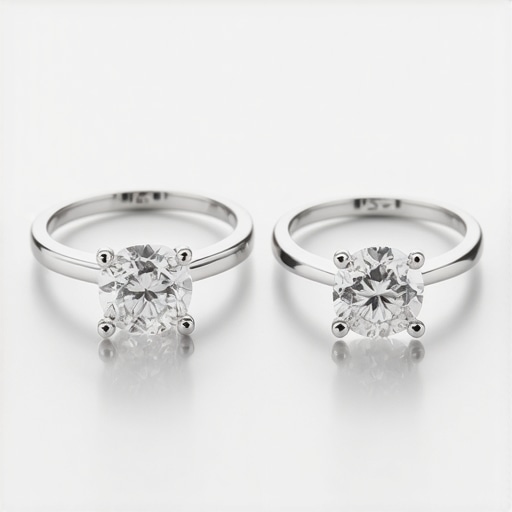
Stop Losing Diamonds: 4 Stone Setting Red Flags to Find in 2026
It was a nerve-wracking moment. I was wearing my cherished diamond ring during a busy evening, only to notice a tiny, alarming movement in one of the stones. My stomach sank. Had I overlooked a warning sign? That incident was a wake-up call. Over time, I realized that many jewelry owners, including myself, tend to ignore subtle cues that indicate a stone setting might be failing, risking losing their precious stones forever.
Why Recognizing Stone Setting Red Flags Is More Critical Than Ever
Understanding the importance of quality stone setting isn’t just about aesthetics. It’s about safeguarding your investment and sentimental keepsakes. With the rising trend of vintage and custom jewelry, coupled with the increasing complexity of designs, spotting red flags early can save you from costly repairs or replacements. According to industry experts, a significant percentage of jewelry losses are due to overlooked setting issues that could have been addressed early—if only owners knew what signs to look for.
Is the Buzz Around Red Flags Overhyped or Actually Worth Checking?
I used to dismiss minor loose stones as inevitable, thinking they were just part of wear and tear. My early mistake was ignoring the subtle wobbles after wearing my ring—an oversight that nearly cost me my favorite diamond. Over time, I learned that many pitfalls are preventable if you know what signs to observe. Proper awareness can make all the difference. Curious if your jewelry might have hidden flaws? Find out more about common setting issues in [this insightful guide](https://jewelcarecenter.com/3-hidden-signs-your-emerald-stone-setting-is-failing-in-2026). This resource helped me identify one of my own mistakes and urged me to inspect my jewelry more diligently.
In the next sections, I will share practical tips and expert techniques to help you identify these red flags early—so your jewelry continues to shine safely for years to come. Ready to become your own jewelry detective?
Assessing Your Jewelry for Red Flags
Start by inspecting your jewelry closely under good lighting, looking for loose stones, bent prongs, or uneven surfaces. Handle each piece gently but thoroughly. For instance, I found a tiny wobble in my diamond ring after a routine glance, which prompted me to examine further. This simple check can prevent loss; if you notice any issues, consider consulting specialists or visiting a trusted jeweler.
Properly Restringing Pearls and Necklaces
Next, focus on restringing delicate pieces like pearls or beaded necklaces. Use high-quality, durable thread, such as silk or nylon, that can withstand daily wear. When I did my own restringing, I carefully removed old thread, cleaned the beads, and re-threaded with a secure knot between each pearl. This method prevents slipping or snapping, especially important for heavy or frequently worn jewelry. For intricate projects, consider reviewing restringing techniques that ensure durability.
Applying Expert Techniques for Stone Setting
When setting new stones or checking existing settings, accuracy is key. Use specialized tools like prong pushers or bezel setters. I remember struggling with a stubborn prong on a vintage ring, but after following expert stone setting tips, I was able to tighten the prong effectively without damaging the stone. Be cautious of loose stones, chipped edges, or uneven prongs; these are signs need immediate attention to prevent loss.
Engraving with Precision and Longevity
If adding personalized engravings, choose the right machinery. Hand engraving requires steady hands and practice, while laser engraving offers permanence. During my project, I used a professional engraver to ensure crisp lines that wouldn’t fade over time. To maximize durability, opt for deep, clean cuts, and avoid over-engraving thin metal areas which risk weakening the piece. Review engraving strategies to enhance the quality.
Regular Appraisal Checks
Finally, schedule routine appraisals to validate your jewelry’s worth and condition. A proper appraisal assesses metal purity, stone authenticity, and overall craftsmanship. I once had an appraisal that revealed my diamond was slightly over-graded, boosting my confidence in its value. Trustworthy appraisals can be verified through reputable sources; avoid fake certificates by comparing with known indicators of genuine assessments.
By systematically integrating these steps into your jewelry care routine, you minimize risks and maintain your pieces’ beauty and value. Consistent checks, careful handling, and expert techniques ensure your investments shine brightly for years to come.Many enthusiasts and even seasoned jewelers often believe they understand the intricacies of jewelry maintenance, but several nuances tend to be overlooked or misunderstood. Let’s explore some of these common errors that can compromise the longevity and value of your pieces. First, a widespread myth is that all stone settings are equally durable; in reality, settings like tension or pave require meticulous craftsmanship, and minor misalignments can lead to stone loss. Relying solely on visual inspection without using specialized tools can result in missing subtle issues like hairline cracks or slight prongs that can fail over time. When it comes to restringing, there’s a misconception that cheaper materials suffice; however, using low-quality threads or improper techniques can cause premature breakage. A common mistake is over-tightening or uneven knotting, which stresses the pearls and weakens the strand. In the context of appraisals, many assume that standard certificates guarantee authenticity and value, but experts warn that some reports are falsified or lack comprehensive testing. An advanced tip is to verify appraisal details against trusted databases or laboratories, and avoid accepting dubious certificates at face value. As for engraving, amateurs often believe that any design will last indefinitely; however, laser engraving, while permanent, can weaken thin metal surfaces if not executed correctly, leading to cracks or chipping. A mistake frequently made is over-engraving, which reduces structural integrity, especially on delicate bands. To avoid falling into these traps, educate yourself on the specifics and consult with reputable professionals. Want to optimize your jewelry care further? Look into detailed guides like [this one](https://jewelcarecenter.com/stone-setting-excellence-expert-techniques-for-stunning-jewelry) to master advanced techniques. Remember, understanding these nuances ensures your treasured pieces remain dazzling and valuable over the years. Have you ever fallen into this trap? Let me know in the comments.Maintaining your jewelry’s brilliance and structural integrity requires the right tools and methods. Personally, I rely on a combination of precision instruments and reliable software to ensure each piece receives expert care. For instance, a high-quality jeweler’s loupe with 10x magnification is indispensable for closely inspecting prongs, stones, and settings—spotting early signs of wear or damage before they become costly issues. I prefer models with LED illumination, such as the BelOMO Loupe, because they provide clear, even lighting, reducing eye strain during detailed examinations.
Another essential tool I frequently use is a needle file set. These allow me to gently reshape bent prongs or clean dirt from tight crevices without risking over-polishing or damaging the metal. When dealing with engraving or detailed custom work, a calibrated laser measure helps ensure precision, especially when replicating designs or resizing jewelry. For example, using the Zeiss Coordinate Measuring Machine enhances accuracy, which is critical for delicate operations.
On the software front, I utilize 3D modeling programs like Rhino or MatrixGold. These platforms enable pre-approval of complex modifications, reducing the risk of errors during the actual work. They also facilitate scenography and visualization, giving both the jeweler and client better understanding of the final look.
As this craft evolves, technological advancements such as AI-powered inspection apps are beginning to influence the industry. These tools analyze high-resolution images of jewelry to detect subtle setting issues or signs of stress that may elude the naked eye. Embracing such AI-driven evaluation methods could become standard practice in the coming years, dramatically improving long-term maintenance outcomes.
How do I keep my tools in prime condition over time? Regular calibration is key. For instance, professional calibration services for microscopes and laser equipment ensure sustained precision. Additionally, proper cleaning after each use—using ultrasonic cleaners for metal and stones—prevents buildup that could impair accuracy.
If you’re serious about enhancing your jewelry maintenance routine, I recommend experimenting with a combination of traditional tools and modern software. Start with investing in a quality jeweler’s loupe and learning how to interpret its findings effectively. Then, explore software options for designing and pre-visualizing repairs or modifications—this approach minimizes risks and boosts confidence.
Prediction for the future suggests a growing integration of AI and machine learning in routine jewelry care. These technologies will likely enable real-time diagnostic feedback and predictive maintenance, extending the lifespan of your treasures.
How do I maintain these tools over time? Keep them calibrated and clean. Consistent maintenance ensures your tools remain accurate and reliable, ultimately safeguarding your investments and craftsmanship longevity.
Secrets Only Insiders Know About Keeping Jewelry Flawless
During my years of tending to fine jewelry, I realized that many of the most critical lessons are learned through experience—often the hard way. For example, I once believed that regular cleaning was enough, but I neglected the importance of early detection of loose stones, which almost led to losing an heirloom. The true insight came when I discovered subtle signs of wear that easily go unnoticed but can threaten the integrity of your treasured pieces.
Another eye-opener was understanding that not all stone settings are created equal. Tension settings might look sleek, but without proper checks, they can silently fail, especially with daily wear. This knowledge pushed me to develop a routine of inspecting my jewelry with specialized tools, catching issues before they escalate. Trust me—these small, often overlooked steps can make the difference between lifelong enjoyment and costly repairs.
Tools and Resources That Transformed My Approach
My go-to toolkit now includes a high-quality jeweler’s loupe with LED illumination, which allows me to examine prongs and stones with precision. For repairs, I rely on proven techniques outlined in restringing guides that ensure durability and peace of mind. To improve my craftsmanship, I turned to reputable books such as Mastering Stone Setting, which revolutionized my ability to secure stones safely and beautifully. Additionally, staying updated with expert blogs and tutorials from trusted sources helps me spot emerging risks and best practices, keeping my jewelry in top condition.
Your Future as Your Jewelry’s Best Guardian
The more I learned, the more confident I became in caring for my jewelry—turning what once felt overwhelming into a rewarding routine. I encourage you to embrace a proactive mindset: take the time to inspect, learn the intricacies, and use the right tools. Your efforts will prolong the life of your pieces, preserve their beauty, and safeguard your investment. Remember, the true value of jewelry isn’t just in its sparkle, but in the care you provide to keep it shining bright for generations.
Have you ever caught a subtle flaw early on that saved your favorite piece? Share your story below—I’d love to hear how a small inspection made a big difference in your jewelry journey!
