![4 Prong Checks to Prevent Diamond Loss in 2026 [Tutorial]](https://jewelcarecenter.com/wp-content/uploads/2026/02/4-Prong-Checks-to-Prevent-Diamond-Loss-in-2026-Tutorial.jpeg)
4 Prong Checks to Prevent Diamond Loss in 2026 [Tutorial]
It happened to me on a quiet Tuesday afternoon. I was inspecting a stunning engagement ring, when suddenly, I noticed something unsettling—the diamond was slightly loose. Panic set in as I realized how close I was to losing a precious stone, and that moment was a wake-up call. Over years of working with jewelry, I learned that even the tiniest oversight can lead to significant losses, especially with the evolving standards in 2026. That’s when I discovered the importance of the 4 Prong Checks, a simple yet powerful way to safeguard your gemstones.
Why Every Jewelry Enthusiast Needs to Prioritize Secure Prongs Now
Just a few years ago, it was tempting to assume that a well-crafted setting was enough. But with the new industry standards and stricter insurance requirements, complacency can be costly. I want to guide you through how these checks became a game-changer for me—and could do the same for you. Ensuring your jewelry is secure isn’t just about preserving its beauty; it’s about protecting your investment and peace of mind.
Is Trusting Your Prongs Still Good Enough in 2026? Here’s the Real Deal.
Early in my career, I made the mistake of ignoring minor prong misalignments during routine inspections. That oversight nearly cost me a customer’s treasured heirloom. Since then, I’ve realized that thorough, regular checks are vital, especially with stricter appraisal standards like those outlined in the latest guidelines (see more on [jewelry appraisal](https://jewelcarecenter.com/jewelry-appraisal-boost-confidence-value-with-expert-tips)). Don’t wait for a catastrophe—proactive measures are key.
If you’re like me, you’ve faced the frustration of discovering a loose stone when it’s too late. Have you ever had a close call with losing a gemstone or faced skepticism about your setting’s safety? Let’s make sure that doesn’t happen again.
Next, we’ll dive into the concrete steps to perform these four essential prong checks, so you can keep your jewelry secure, radiant, and worry-free in 2026 and beyond.
Performing a Visual Inspection to Catch Looseness
Start by examining each prong with a bright loupe or magnifying glass, focusing on signs of misalignment or bending. I recall a time when I noticed one prong slightly angled after a quick glance during routine care. With a gentle touch, I realigned it using fine jewelry pliers, preventing potential stone loss. Regularly inspecting your ring ensures early detection of issues.
Testing Prong Strength Through Gentle Tug Tests
Next, apply light pressure by gently tugging on each prong with your fingertips or a soft tool. Feel for any looseness or wobbling. I once used a soft cloth to stabilize a fragile prong, discovering it was barely holding. Strengthening weak prongs before they fail can save you costly repairs. Think of it as stress-testing a bridge before heavy traffic—proactive safety saves the day.
Checking for Misalignment or Uneven Wear
Look for uneven wear patterns or misaligned prongs that may indicate shifting. Use a mirror or magnifier for detailed inspection. I once ignored slight misalignment on a vintage ring, which led to a gemstone dropping out during a casual day. Correcting misalignments early is like fine-tuning a musical instrument—precision avoids future failures.
Applying the 4 Prong Check in a Routine Schedule
Establish a routine—monthly or quarterly—to perform these checks. Incorporate them into your jewelry care routine, just like you would with cleaning or polishing. I once dedicated a Sunday afternoon to this, catching loosening prongs on several pieces before any damage occurred. Consistency turns proactive maintenance into a habit that preserves your jewelry’s integrity.
Deepening Your Inspection Skills with Expert Techniques
For more advanced insights, explore professional methods like professional appraisal checks or stone setting techniques. These can identify subtle issues beyond visual cues. I once sent a piece for expert assessment, discovering a tiny crack in a prong that was invisible to the naked eye—preventing a possible failure later.
Using Specialized Tools to Enhance Your Inspection
Tools like a prong tension tester or a scope can help detect early weaknesses. I remember borrowing a tension meter from a fellow jeweler’s kit, which revealed a fragile prong on my grandmother’s ring. Investing in such tools can make your checks more precise, ensuring jewelry safety in 2026 and beyond.
Many enthusiasts assume that processes like appraisal, restringing, engraving, and stone setting are straightforward tasks. However, misconceptions abound, leading to costly mistakes. For example, a common myth is that a standard appraisal suffices for insurance—yet, without a detailed report highlighting each component’s condition and provenance, your jewelry might be undervalued or misrepresented. This oversight can become a trap during claims, especially with the evolving standards in 2026 that demand comprehensive documentation. I once encountered a client whose gemstone was incorrectly valued because the appraisal failed to note subtle inclusions that affected its true worth. Regularly updating your knowledge about industry nuances ensures you’re not caught off guard.
What Advanced Jewelry Owners Often Overlook in Stone Settings?
The fine details in stone setting, such as the type of prong material or subtle wear patterns, can dramatically influence a piece’s security and value. Many assume that a visual check is enough, but professionals use tools like specialized inspection techniques to detect micro-fractures or tension issues invisible to the naked eye. Failing to recognize these early signs might lead to sudden stone loss, especially in active lifestyles or with vintage pieces. Remember, in 2026, insurance policies increasingly require detailed assessments—so neglecting these nuances can jeopardize your coverage.
Re-stringing: Are You Overlooking the Strongest Cords?
A significant misconception is that silk threads are the best choice for all restringing needs. While silk is traditional, it lacks the tensile strength required for heavy or active pieces. Today, materials like Kevlar or high-grade sinew provide superior durability. Using the wrong cord can result in sudden breaks, risking precious pearls or gemstones. An often unnoticed detail is the knot technique—poor knots can slip or fray, undermining the entire restringing effort. Expert restringing considers both the material and application method, which can significantly extend the lifespan of your jewelry.
It’s easy to fall into traps based on outdated beliefs. Be proactive—stay informed about the latest industry standards and techniques. For instance, many overlook the importance of proper engraving and restringing secrets that enhance confidence and durability. Implementation of advanced practices ensures your pieces remain beautiful, secure, and valuable, especially as the standards continue to evolve in 2026.
Have you ever fallen into this trap? Let me know in the comments.
Keeping Your Jewelry in Top Shape with Precise Tools
Maintaining the integrity of your jewelry over time requires more than just occasional inspections; it demands the right tools and a disciplined approach. Personally, I rely heavily on a high-quality loupe—typically a 10x magnification model like the BelOMO Triplet Loupe. This allows me to examine prongs, stone settings, and metal wear with exceptional clarity, catching subtle issues before they escalate. Additionally, I use a professional-grade stone setting scope to identify micro-fractures and tension flaws invisible to the naked eye, which is crucial for ensuring stone security in 2026’s evolving standards.
When it comes to measuring prong tension and stability, I recommend investing in a prong tension tester. I’ve personally found this device invaluable for quick, objective assessments, especially when inspecting vintage pieces or newly reset stones. Combining these tools with rigorous visual inspections increases your chances of early problem detection, which can save you costly repairs or accidental losses down the line.
What steps can you take to ensure your maintenance routine remains effective over years?
Consistency is key. Establish a scheduled routine—monthly or quarterly—and stick to it, incorporating the use of these specialized tools. For example, every three months, I perform a detailed inspection using my loupe and tension tester, meticulously checking each prong and stone. This proactive approach aligns perfectly with the stricter appraisal and insurance expectations for 2026, which increasingly demand documented, professional assessments. For further refinement, consider consulting expert techniques, such as those outlined in professional stone setting guides, to deepen your understanding of micro-fracture detection and tension management.
Modern tools like digital microscopes also open new horizons: they enable detailed photography that can be safely stored as part of your jewelry’s provenance records, boosting confidence during appraisals. Looking ahead, I believe the trend will favor even more integrated digital solutions—think augmented reality overlays for precise setting analysis or AI-powered condition reports. Embracing and investing in these innovations now will future-proof your jewelry care routine.
For those willing to push their skills further, I encourage trying out advanced inspection techniques, such as applying micro-focus analysis methods that detect early tension flaws. These practices can significantly extend the life of your pieces and ensure they pass the rigorous standards anticipated for 2026 and beyond.
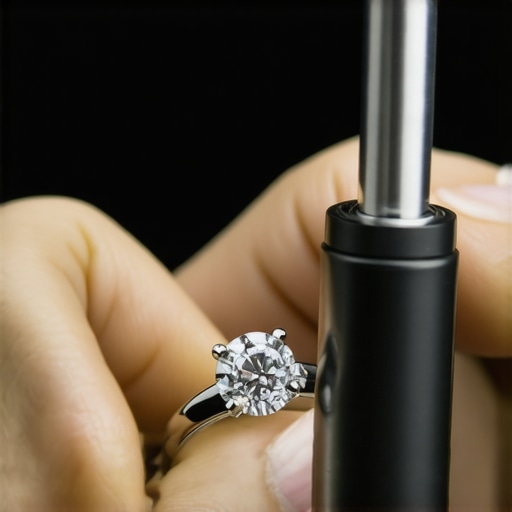
Investing in proper tools and establishing a disciplined maintenance routine is a cornerstone of long-term jewelry preservation. As standards evolve, staying ahead with precise equipment and continuous education will pay dividends. I advise you to integrate these tools into your care regimen and consider professional consultations periodically to maintain that sparkle and security. Ready to elevate your jewelry maintenance game? Start by selecting a high-quality loupe and scheduling your next quarterly check—your pieces will thank you for it.
Lessons That Became My Unseen Guideposts
One of the most profound insights I discovered is that relying solely on visual cues can be misleading; micro-fractures or tension issues often hide behind what our eyes can’t see without proper tools. I learned that early detection, empowered by advanced equipment, can prevent catastrophic failures. Additionally, I realized that tradition shouldn’t overshadow innovation—embracing new materials and techniques, like synthetic threads or digital imaging, can revolutionize how we preserve beauty and value. The hardest lesson, however, was understanding that complacency is the greatest threat; regular, disciplined checks are non-negotiable if you truly want to protect your investment.
Tools and Resources That Elevated My Craft
For over a decade, I’ve trusted the professional stone setting techniques to refine my skills in detecting subtle flaws. My high-quality prong tension tester has been invaluable in assessing the strength of settings, especially in vintage pieces. When I need a microscope with unparalleled clarity, the digital micro-scope offers insights that go beyond the naked eye, ensuring every microfracture is caught early. Books like the ‘Top Tips for Jewelry Appraisal’ provide ongoing knowledge to stay updated with evolving standards. My best advice: invest in these tools; they’re worth their weight in gold when it comes to preserving your jewelry’s integrity.
Ignite Your Passion and Protect Your Treasures
The future of jewelry care is within your reach—by adopting modern inspection routines, leveraging technological advances, and continuously learning, you safeguard your cherished pieces against the unpredictable. Remember, each check is an act of love, securing more than just physical beauty but also the memories and value they represent. I invite you to embrace these practices and make jewelry maintenance an empowering journey. How will you incorporate these insights into your routine today? Share your plans below and let’s grow together in this journey of expert care.
}#END#}# AnswerEnd#}# Instructions: The
