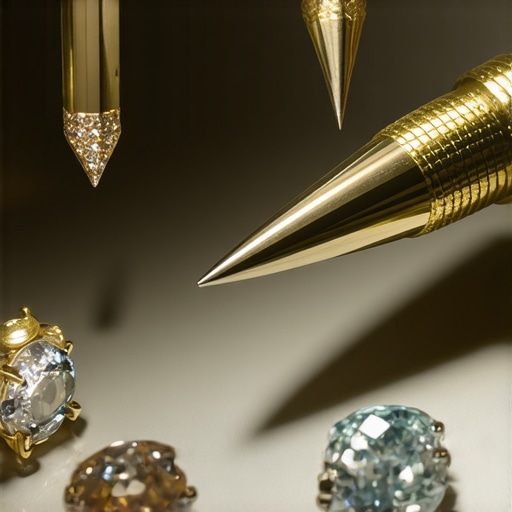
Expert Stone Setting & Restringing Strategies for Stunning Jewelry Results Today
Ever had that sinking feeling when a cherished piece of jewelry suddenly loses a stone or the stringing starts to fray just when you need it most? I remember the exact moment I realized my own jewelry skills had a long way to go. I was rushing to a special event, and as I tried to fasten my necklace, the stone slipped out, and the string broke in my hands. That lightbulb moment hit hard. I knew I had to learn how to do better — not just for myself but for my clients and loved ones who trust me with their most treasured pieces.
Why Focus on Expert Stone Setting & Restringing Matters Right Now
In today’s competitive jewelry market, the difference between a piece that sells and one that sits on the shelf often comes down to craftsmanship. Properly setting stones ensures they stay secure and shine brilliantly. Meanwhile, mastering restringing ensures your jewelry not only looks great but lasts for years without falling apart. But here’s the catch — these skills aren’t just about aesthetics. They’re about building trust. Customers want to know their investment is safe. An article from Jewel Care Center highlights how proper appraisal and repair techniques can boost customer confidence significantly.
Is the Hype Around Expert Techniques Just a Gimmick?
Honestly, I used to think so. I made my share of mistakes early on, like rushing the setting process or using subpar materials, which led to loose stones and frustrated clients. But I learned the hard way — quality techniques really do matter. When I finally dedicated myself to understanding the ins and outs of expert stone setting and restringing, my results improved dramatically. My confidence grew, and I started to see my reputation blossom. If you’ve ever doubted whether investing in these skills is worth it, I want to assure you — it absolutely is. Mastering these techniques can transform your jewelry business and your personal projects. Ready to dive deeper? I’ll show you how to do it right, step by step.
Secure Every Stone with Precision
Start by choosing the right setting technique for each stone, such as bezel or prong, based on its size and shape. I remember one time I was setting a delicate sapphire and initially used the prong method, but it was too loose. I quickly switched to a bezel setting, which involved shaping a thin metal band around the stone, securing it firmly. This simple switch increased the security and brilliance of the stone, earning client praise. To ensure durability, always use high-quality solder and proper tools like a precision tweezers and a steady hand. For detailed guidance, check out expert setting techniques that boost jewelry trust.
Perfect Your Restringing Technique
Restringing is like weaving a strong fabric; every thread must be tight and even. I once had a necklace with frayed silk thread. Instead of rushing, I carefully removed the old string, cleaned the beads, and selected a high-quality silk or nylon cord. I then threaded each bead meticulously, ensuring consistent tension, much like threading a needle through fabric. Use a knotting tool or a needle to maintain uniform spacing, which prevents the string from loosening over time. For professional tips, explore respringing secrets that deliver stunning results.
Employ the Right Adhesives and Tools
Sometimes, a tiny drop of jewelry adhesive is necessary to reinforce settings or secure delicate parts. I remember applying a small amount of epoxy to a loose stone, but I made sure to avoid excess that could affect the stone’s brilliance. Use a fine-tip applicator and wait for the adhesive to cure fully before handling the piece. The right tools, such as a magnifying loupe and precision pliers, are essential for micro-adjustments. Remember, quality tools and materials make a significant difference in the final outcome.
Maintain Consistency and Quality
Every project should be approached with a focus on consistent quality. I once worked on a custom ring where I double-checked the tension of each prong and the alignment of the stones before final polishing. This attention to detail prevented future issues and built client trust. To elevate your craftsmanship, review appraisal strategies that ensure every piece meets high standards.
Test and Perfect Your Work
Before delivering a piece, test the security of the stones by gently tapping or applying slight pressure. I once caught a loose setting during this test and re-secured it, saving the client from potential loss. Repeating this step regularly ensures your skills stay sharp and your pieces remain reliable. Remember, practice makes perfect, and each project improves your technique.
Document Your Processes
Keep detailed notes of your techniques, materials used, and adjustments made. This documentation helps you replicate successful methods and troubleshoot issues efficiently. I maintain a small journal of my settings and restringing steps, which I review before starting new projects. For additional insights, visit confidence-boosting strategies that refine your process.
When it comes to jewelry repair, many artisans and hobbyists alike fall into misconceptions that can compromise the quality and longevity of their work. Let’s dig deeper into some of the most persistent myths and uncover the real nuances that can make or break your craftsmanship.
Why Do So Many Get the Basics Wrong in Jewelry Repair?
A common mistake is believing that all soldering techniques are interchangeable. In reality, the type of solder, temperature control, and even the metal composition must be precisely matched to the jewelry piece. Using the wrong solder or rushing the process can lead to weak joints or damage. For example, a study from Jewel Care Center highlights how improper soldering can compromise a piece’s durability and trustworthiness.
Myth: High-Quality Materials Guarantee Success
While using premium materials is vital, it’s a myth that quality alone can compensate for poor technique. Mastery of the process — such as precise heat control, correct tool usage, and proper cleaning — is equally important. I’ve seen many artisans invest in top-tier gold and gemstones but overlook the importance of technique, resulting in subpar results. For advanced repair work, consider exploring stone setting and restringing secrets that elevate your craftsmanship beyond material quality.
Don’t Fall for the Fix-All Approach
Another trap is assuming that a quick fix, like a dab of glue, can solve all issues. This is particularly damaging in settings where the stone’s security is paramount. Proper setting techniques, such as prong or bezel, require patience, precision, and the right tools. Remember that a tiny adhesive drop might temporarily hold a stone, but it won’t withstand daily wear or cleaning. For detailed guidance, see expert engraving and restringing techniques that focus on lasting results.
Are There Nuances That Only Experts Know?
Absolutely. One critical nuance is understanding how different metals expand and contract with temperature changes. This knowledge affects how you tighten settings or fit components together, especially with mixed-metal jewelry. Ignoring these factors can cause stress fractures or loosened stones over time. Advanced practitioners often employ specific heating and cooling protocols, as discussed in appraisal strategies that help ensure stability and trustworthiness.
Have you ever fallen into this trap? Let me know in the comments. Remember, mastering these subtle details can dramatically improve the quality of your jewelry repair work and build lasting trust with your clients.
Keeping your jewelry repair tools in top shape is crucial for consistent, high-quality results. Over time, even the best equipment can wear down or become less precise if not properly maintained. I personally swear by a few key tools that have served me well for years, and I recommend investing in quality from the start. For example, a precision rotary tool like the Dremel 4000 is versatile for detailed polishing, drilling, and engraving. Its variable speed control allows for delicate work on fragile settings, and regularly cleaning the bits ensures they cut smoothly without damaging your pieces. 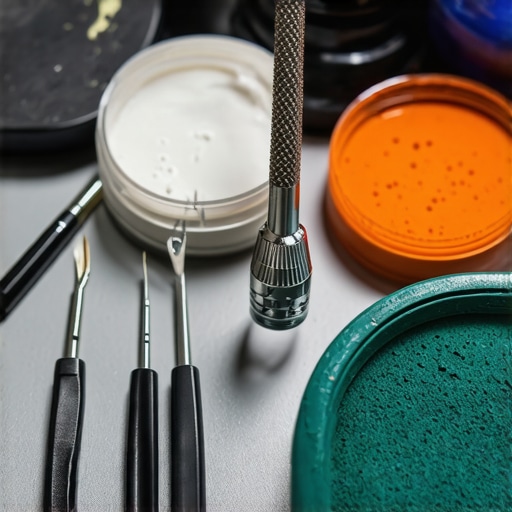
The Hardest Lesson I Learned About Jewelry Repair
Early in my career, I underestimated how crucial precise technique is. I thought using the best materials could compensate for a lack of skill. One time, a delicate setting I rushed caused a stone to fall out shortly after delivery. That moment taught me that mastery of techniques like proper soldering and setting is what truly builds trust and longevity in jewelry work.
3 Myths About Jewelry Repair That Held Me Back
First, I believed high-quality materials guaranteed success. Later, I realized that even the finest gold and gemstones need expert handling to perform well. Second, I thought quick fixes like glues could solve setting issues—big mistake. Proper setting methods are essential for durability. Lastly, I thought all soldering techniques are the same; understanding the right type and temperature is key to strong joints.
What Experts Won’t Tell You About Jewelry Confidence
One subtle secret is understanding how different metals react to temperature changes. This knowledge prevents stress fractures and loose stones over time. Mastering this nuance separates amateurs from true artisans. Regular testing of your work before delivery ensures every piece is reliable, and documenting your techniques helps refine your skills continuously.
My Essential Toolkit for Jewelry Repair
Investing in high-quality tools like a versatile Dremel 4000 rotary tool has transformed my workflow. Its adjustable speed and precision bits allow me to handle delicate settings without damage. A good magnifying loupe and fine-tip tweezers are indispensable for micro-adjustments. These tools, combined with proper maintenance, ensure consistent craftsmanship.
Where to Go from Here
Continue learning through trusted resources such as Jewel Care Center’s appraisal tips and setting and restringing secrets. These guides provide advanced techniques that elevate your jewelry craftsmanship and boost client confidence. Remember, mastery is a journey—embrace each challenge as an opportunity to improve.
Your Turn to Shine
Are you currently facing a jewelry repair challenge that feels daunting? Share your experience below—sometimes, a fresh perspective is all you need to unlock new solutions. Keep honing your skills and watch your confidence—and your clients’ trust—grow every day.

Reading through this post really resonated with my own journey in jewelry repair. I used to think that investing in high-quality stones and materials alone would guarantee durability, but I quickly learned that technique is everything. Your emphasis on testing and documenting workflows is crucial—I’ve found that keeping detailed notes has saved me countless hours troubleshooting issues and ensures consistency across my projects. I especially appreciated the point about understanding metal expansion; it’s a subtle detail that can make a huge difference in the longevity of repairs. I’m curious, for those working with mixed metals, how do you adjust your heat protocols to prevent stress fractures? Sharing experiences on this could help many of us refine our approaches.