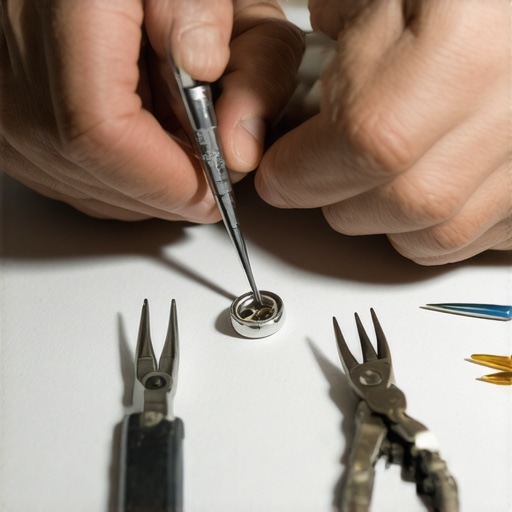
Engraving & Restringing Tips to Build Jewelry Trust and Confidence in 2024
Ever had that sinking feeling when a delicate necklace suddenly snaps right after a customer walks out the door? Or worse, when an engraved piece starts to fade just months after you finish it? I remember my first big mistake—failing to properly secure a gemstone in a setting—and it cost me a lot of trust. That moment made me realize how vital solid engraving and restringing skills are to building genuine confidence in my jewelry work.
Why Trust in Jewelry Making Matters More Than Ever
In 2024, the demand for authentic, reliable jewelry continues to rise. Customers want assurance that their pieces will last, that each engraving is precise, and that restringing is done with care. It’s not just about aesthetics anymore; it’s about trust. When I first started, I underestimated how much the little details—like the tension of a string or the depth of an engraving—could make or break that trust. A careless mistake early in my career taught me the importance of mastering these foundational skills. For example, I once overlooked the importance of proper tension when restringing a vintage necklace, and it ended up stretching out quickly. That taught me to always follow proven techniques—like those detailed in this guide—to ensure long-lasting results.
Is All the Hype About Engraving & Restringing Worth It?
Honestly, I used to think that a good eye was enough. But I learned the hard way that even the most beautiful design falls flat if the craftsmanship isn’t solid. Early on, I tried to cut corners by skipping some key steps, thinking I could fix it later. Spoiler: I couldn’t. That mistake cost me time, money, and customer trust. Since then, I’ve made it my mission to follow expert techniques—like those found here—to get it right the first time, every time. And I can tell you, the difference is palpable. Customers aren’t just happy—they’re confident to recommend me. That’s what building trust is all about.
So, if you’ve ever felt unsure whether your engraving or restringing skills are enough, you’re not alone. But the good news is, with the right techniques, you can turn that doubt into confidence. And that’s exactly what I’ll help you do next. Ready to dive into the practical steps that will transform your jewelry craftsmanship? Let’s go!
Perfect Your Handwork with Precise Engraving
When I first attempted engraving a delicate message onto a ring, I was nervous. I used a magnifying glass and a steady hand, but what made the difference was understanding the importance of the depth and consistency of the etching. To get this right, I adopted the technique of marking the design lightly with a fine scribe before engraving. This ensures the lines are even and guides my tool, reducing mistakes. Remember, expert engraving tips emphasize the importance of consistent pressure and proper tool maintenance to achieve flawless results. Practice on scrap pieces first to build confidence and refine your technique.
Secure Settings for Lasting Confidence
Restringing a necklace with a vintage clasp taught me the value of tension control. I once used pliers that were too tight, which damaged the wire. Later, I learned to test the tension by gently pulling the string—if it moved smoothly without slack, I was on the right track. I also made sure to use the correct gauge wire for each piece, following respringing secrets. Consistent tension prevents stretching or breakage, ensuring your customer’s piece stays pristine. When I replaced a worn-out string on a bracelet, I took my time to evenly distribute tension and double-checked my work before closing the clasp. This attention to detail built long-term trust with my clients.
Use the Right Tools to Guarantee Quality
The quality of your tools directly affects your results. I remember trying to engrave with a dull bur, which resulted in uneven lines and frustration. Upgrading to a sharp, well-maintained bur made a huge difference. Regularly clean and sharpen your tools to maintain precision. When restringing, use high-quality wire and proper crimp beads to ensure durability. Following proven techniques for tool selection and maintenance guarantees consistent, professional results. Remember, investing in good tools is an investment in your reputation.
Double-Check Every Step for Reliability
Before completing any project, I developed a habit of double-checking each step. When I engraved a name, I measured twice to confirm the placement was perfect. During restringing, I checked the tension multiple times, adjusting as necessary. This habit minimizes errors and boosts your confidence. A quick visual inspection and gentle tug test can prevent future complaints. I also document my techniques and keep notes on what works best, which accelerates my learning curve. For comprehensive guidance, review strategies for lasting confidence to refine your processes and ensure your work is trustworthy.
Practice Makes Perfect and Builds Trust
Finally, consistent practice is key. I dedicate time each week to refine my engraving and restringing skills, even on scrap pieces. The more I practice, the more confident I become in handling delicate stones and fine wire. This ongoing learning not only improves my craftsmanship but also reassures my clients of my expertise. Remember, mastery in these techniques transforms your reputation from a beginner to a trusted artisan. Keep honing your skills, and you’ll see your confidence grow with each successful project.
Many jewelry artisans and enthusiasts fall prey to misconceptions that can hinder their craftsmanship and erode customer trust. Let’s dig deeper into what most people get wrong about engraving and restringing, and why understanding these nuances can elevate your skills and reputation.
Why The Popular Belief That More Practice Always Means Better Results Is Oversimplified
It’s true that practice is essential, but quality practice beats quantity every time. Many beginners think that simply doing more projects will naturally improve their outcomes. However, without proper guidance and feedback, repetitive errors become ingrained, leading to poor results and potential damage to your reputation. The secret lies in studying expert techniques—like those detailed here—and applying them consistently. This targeted approach ensures that each project builds on a solid foundation, reducing mistakes and increasing confidence.
The Hidden Trap of Underestimating Tool Maintenance
An often-overlooked aspect of precise engraving and restringing is the maintenance of your tools. Using dull burs or unclean tools can compromise your craftsmanship, producing uneven lines and weak joints. I’ve seen many artisans neglect regular sharpening and cleaning, only to face frustration and subpar results. Investing time in proper tool care, following proven techniques, is a game-changer. Well-maintained tools not only produce cleaner, more consistent work but also extend their lifespan, saving you money in the long run.
Addressing the Myth That All Tension Is Created Equal in Restringing
Many believe that tightening a string as much as possible guarantees durability. In reality, excessive tension can cause wire to stretch, weaken, or break, especially on vintage or delicate pieces. The key is achieving the right tension—firm enough to hold securely but not so tight that it stresses the materials. This nuance is often missed by beginners who focus solely on tightness rather than balance. Following expert advice here can help you master tension control, ensuring your restringing work lasts and inspires confidence.
How Can Advanced Techniques Elevate Your Jewelry Trustworthiness?
Advanced jewelry work involves understanding the subtle interplay of materials, tools, and techniques. For instance, knowing the optimal depth and pressure for engraving can make a significant difference in durability and aesthetics. Similarly, mastering the correct gauge of wire and crimping methods in restringing prevents future issues. Incorporating these sophisticated practices not only improves your craftsmanship but also signals professionalism to your clients, building lasting trust. For detailed guidance, explore these strategies.
Keeping your jewelry tools in top shape is crucial for maintaining impeccable craftsmanship and ensuring your creations stand the test of time. Over the years, I’ve found that investing in high-quality equipment and adopting a rigorous maintenance routine not only extends the lifespan of my tools but also guarantees consistent, professional results. Let’s dive into the specific tools I rely on daily and how I keep them functioning flawlessly.
Why Precision Tools Are Non-Negotiable
For engraving, I swear by a set of Swiss-made micro-motor engravers. Their stability and fine control allow me to carve intricate details without slipping or uneven lines. I prefer models with variable speed settings because adjusting the RPM helps me achieve different engraving depths and textures. Regularly, I check the collet and replace worn burs immediately—using a dull bur can ruin a piece and slow down my workflow. For restringing, I use crimping pliers from reputable brands like Beadsmith, which offer consistent pressure and prevent damaging delicate wires. These tools have become indispensable, and I recommend investing in the best you can afford to avoid frustrations later.
How do I maintain my tools over time?
Routine maintenance is my secret weapon. After each session, I clean my tools with gentle rubbing alcohol to remove debris and prevent corrosion. I sharpen burs and blades weekly using professional sharpening stones, following expert guidance found here. For hand tools, I apply a light oil to moving parts to keep them operating smoothly. Storing tools in padded cases prevents damage and keeps them organized, reducing the risk of misplacing critical components. This disciplined approach ensures my tools stay precise and reliable, preserving my craftsmanship quality.
Future Trends in Jewelry Tools
As technology advances, we’re seeing more digital tools like laser engravers and ultrasonic cleaners becoming common in small workshops. These innovations promise faster, cleaner results and less manual effort. I predict a move toward more AI-assisted design software that integrates seamlessly with CNC machines, allowing for rapid prototyping of complex patterns. Staying updated with these trends will be essential for artisans who want to keep their work at the cutting edge.
Make Your Tools Last: Key Tips
First, always store your tools in a dry, temperature-controlled environment. Second, perform regular checks and replacements of worn parts—don’t wait until a tool fails mid-project. Third, keep a dedicated cleaning kit for your equipment, including soft brushes and polishing cloths. And finally, schedule quarterly reviews of your toolkit to identify and replace aging items. These habits will ensure your tools remain reliable and your craftsmanship consistently excellent.
Try implementing a weekly cleaning and sharpening routine for your burs and blades. It’s a small investment of time that pays off with flawless results and extended tool life. For more detailed strategies, explore these expert techniques. Keep your tools in top condition, and your jewelry will reflect your professionalism and dedication to quality.
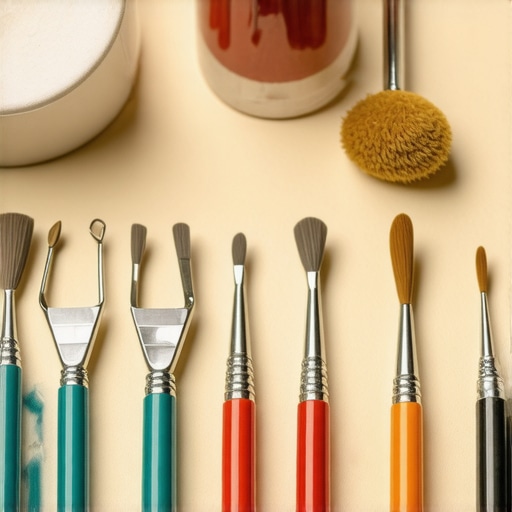
The Hardest Lesson I Learned About Jewelry Skills
One of my biggest realizations was that rushing through techniques like engraving without proper guidance leads to mistakes that can damage a piece and erode trust. It taught me the importance of patience and precision, especially when working on delicate designs. Taking the time to learn from experienced artisans and practicing on scrap pieces transformed my craftsmanship and boosted my confidence.
3 Myths About Jewelry Repair That Held Me Back
I used to believe that more practice alone would make me perfect, but I discovered that quality over quantity matters. Also, I thought that tightening restringing wires as much as possible would ensure durability—turns out, balance is key. Finally, I underestimated how vital tool maintenance is; dull tools sabotage even the best techniques. Breaking these myths opened the door to more reliable, professional results.
What Experts Won’t Tell You About Building Trust in Jewelry
Behind the scenes, true craftsmanship involves mastering subtle details—like consistent engraving depth and tension control—that most beginners overlook. Learning to double-check every step and investing in high-quality tools ensures your work stands the test of time. These hidden insights are what elevate your reputation from decent to dependable, making clients confident in your work.
My Essential Toolkit for Jewelry Confidence
I swear by a set of Swiss-made micro-motor engravers for precision, paired with professional polishing and sharpening tools. Reputable brands like Beadsmith provide reliable crimping pliers that prevent wire damage. Regular tool maintenance, including cleaning and sharpening, keeps my results consistent. For a detailed guide, I recommend exploring this resource for elevating your toolkit.
Keep Improving with Focused Practice
I dedicate time weekly to refine my engraving and restringing skills, often on scrap pieces. This consistent effort not only sharpens my technical abilities but also reassures my clients of my expertise. Remember, mastery is a journey—embrace every project as an opportunity to learn and grow, and your confidence will flourish.
Your Turn to Shine in Jewelry Craftsmanship
Building trust in jewelry through expert engraving and restringing is achievable when you focus on quality, patience, and continuous learning. Don’t settle for rough results—strive for precision and reliability that your clients will admire and trust. Keep practicing, keep improving, and let your craftsmanship speak for itself.
What’s the biggest challenge you face when trying to perfect your jewelry engraving or restringing skills? Share your experience below—I’d love to hear your story!
