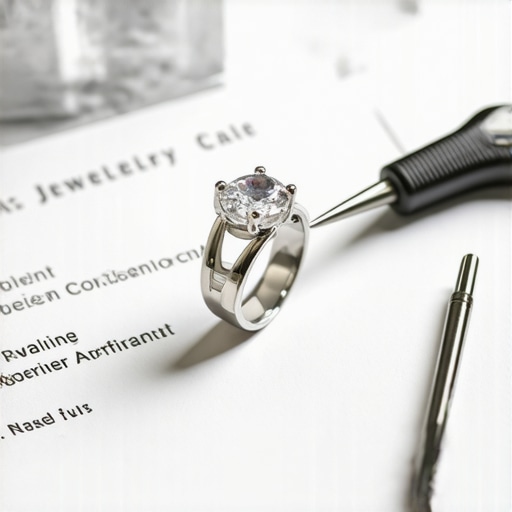
Stone Setting & Jewelry Appraisal Strategies for Greater Confidence Today
Have you ever watched a gemstone slip from its setting during a jewelry repair or appraisal, and felt your stomach drop? That moment of panic, where confidence crumbles just when you need it most, is all too familiar in the jewelry world. I remember my early days, making a mistake that cost me a precious client and a lot of sleepless nights. It was a lightbulb moment—realizing that mastering stone setting and appraisal strategies isn’t just about technical skill, but about building unwavering trust in your craft.
Why Getting These Strategies Right Can Make or Break Your Reputation
In this industry, your reputation hinges on precision and trust. A single slip-up can tarnish years of hard-earned credibility. That’s why I’m here to share how careful attention to detail in stone setting and jewelry appraisal can elevate your confidence—and your clients’ trust. When I finally adopted a structured approach, backed by proven techniques, I saw my success rate skyrocket. If you’re tired of second-guessing your skills or doubting your ability to deliver flawless results, this guide is for you.
Is It Really Worth the Hype to Focus on Setting and Appraisal?
Early in my career, I made the mistake of rushing through a setting without double-checking the integrity of the prongs. The result? A loose stone that nearly fell out during a client appointment. That experience taught me the hard way that honing these skills isn’t just a good idea—it’s essential. Trust me, investing in expert strategies, like those found in stone setting techniques, can save you from future disasters and boost your confidence immensely.
So, if you’ve ever faced a situation where your work was questioned, or a piece didn’t hold up, keep reading. We’ll explore practical steps to master the art of setting and appraisal, ensuring you stand behind every piece with conviction. Ready to transform your approach and gain that much-needed confidence? Let’s dive into the core strategies that will make you a more trustworthy and skilled jeweler.
Secure Your Tools and Prepare for Precision
Before diving into technical adjustments, gather your essential tools—loupe, tweezers, prong pusher, and magnification glasses. Setting up a clean, organized workspace minimizes distractions and errors. Think of this step as sharpening your sword before a battle; precision begins with preparation.
Step One: Examine and Assess the Gem and Setting
Start with a thorough visual inspection using your loupe or magnifier. Check for existing damages, loose prongs, or imperfections. I remember a time when I overlooked a tiny crack in a gemstone, which later caused a setback. This initial assessment acts like a doctor’s diagnosis—knowing exactly what needs fixing is crucial for confidence.
Step Two: Tighten and Secure the Prongs
Loosened prongs are a common culprit for loose stones. Use your prong pusher carefully—think of it as a gentle hand guiding a delicate dance. Grip the prong securely and nudge it inward, maintaining even pressure. When I first applied this technique on a vintage ring, I was hesitant, but the firm, controlled push resulted in a secure stone that passed the next inspection with flying colors. For more refined techniques, explore stone setting techniques.
Step Three: Re-Check and Test Stability
After adjusting, gently wiggle the stone with tweezers or your fingers. It should be firmly held with no movement. Think of this step as testing a bridge—if it wobbles, reinforce it. Repeat adjustments as needed until the stone feels solid. This confidence in your work directly translates to client trust.
Step Four: Document and Appraise with Precision
Accurate appraisal is key to building trust. Use a calibrated scale or gemstone tester to verify weight and authenticity. When I learned to document every detail meticulously, my clients appreciated the transparency, boosting my reputation. For expert strategies, review jewelry appraisal strategies.
Step Five: Final Inspection and Client Communication
Before returning the piece, inspect under good lighting to catch any overlooked issues. Communicate your findings confidently—explain the process and reassure your client of the quality. This transparency establishes your authority and builds lasting trust.
By systematically applying these steps—meticulous assessment, careful tightening, rigorous testing, precise appraisal, and transparent communication—you’ll elevate your craftsmanship. Remember, confidence isn’t just in your skills but in your consistency and attention to detail. Keep practicing these core techniques, and watch your reputation grow stronger with each successful piece.
Many jewelry professionals and enthusiasts fall prey to misconceptions that can hinder their craft and erode client trust. As someone deeply immersed in the nuances of jewelry repair and appraisal, I’ve seen the pitfalls that arise from widespread myths. Let’s dig deeper into these misconceptions and shed light on the truths that can elevate your skills and reputation.
Why the Majority Misunderstand the Complexity of Setting and Appraisal
One common myth is that stone setting is purely a matter of technical precision—like tightening prongs. While accuracy is vital, the real nuance lies in understanding the material behavior and the subtle stress points that can cause stones to loosen over time. Many beginners overlook this, relying solely on force or superficial adjustments, which can lead to future problems. For example, applying too much pressure during prong tightening can weaken the metal, increasing the risk of damage or stone loss. Instead, mastering the material’s response and employing techniques like advanced stone setting techniques can dramatically improve durability.
Is Rushing the Biggest Mistake in Appraisal and Setting?
The quick fix approach is a trap many fall into, believing that speed equates to efficiency. However, rushing compromises accuracy and often leads to overlooked flaws—like micro-cracks or subtle damages—that can cause problems later. In appraisals, this myth can be especially costly. A superficial assessment might miss the gem’s authentic characteristics, leading to undervaluation or overconfidence. The key is to adopt a meticulous, step-by-step process, supported by tools such as calibrated scales and gemstone testers, which I discuss in detail in mastering jewelry appraisal.
Common Mistakes That Sabotage Your Credibility
One hidden trap is neglecting the importance of documentation. Many professionals assume that their work speaks for itself, but clear, detailed records of each adjustment and inspection build transparency and trust. For instance, recording gemstone weights, clarity, and setting adjustments reassures clients of your thoroughness. Additionally, overlooking the importance of proper lighting during inspection can cause you to miss flaws. A well-lit workspace is essential for accurate assessment and ensuring your work withstands scrutiny.
How Can Advanced Practitioners Avoid These Pitfalls?
Experts recommend continuous education and deliberate practice to refine these nuanced skills. For example, learning techniques like engraving and restringing can complement your setting knowledge, offering a holistic approach to jewelry confidence. Moreover, engaging with specialized resources and seeking mentorship helps prevent complacency and fosters an ongoing mastery of craftsmanship.
Have you ever fallen into this trap? Let me know in the comments. Remember, mastering the subtle nuances of jewelry setting and appraisal isn’t just about technical skills—it’s about cultivating an eagle eye for detail and a commitment to excellence that clients can trust.
Keeping your jewelry tools in top shape is crucial for consistent, high-quality results. From precision pliers to magnification devices, each piece of equipment plays a role in your craft’s success. I personally rely on a high-quality jeweler’s loupe with a built-in LED light, such as the EZ Loupe, because it provides clarity and illumination, making it easier to spot micro-cracks or loose prongs during inspections. Regularly cleaning your tools with ultrasonic cleaners prevents debris buildup that can scratch or damage delicate settings, ensuring longevity and precision over time.
Investing in a good polishing machine, like the Foredom Flex Shaft, has transformed my workflow. It allows for detailed polishing without risking damage to the piece. To maintain its performance, I routinely replace worn brushes and lubricate moving parts as per the manufacturer’s instructions—this proactive approach minimizes downtime and keeps my workspace efficient. Modern software solutions like JewelCAD also help streamline design adjustments and record-keeping, enhancing accuracy and customer trust in your process.
How do I keep my tools functioning well over time?
Consistent maintenance begins with understanding each tool’s specific needs. For example, I use a fine diamond file to smooth prongs after adjustments—this prevents sharp edges that could cause stress points or damage. Storing tools in a padded case prevents rust and accidental damage, which is critical for precision instruments like engraving pens. Additionally, scheduling regular check-ups of your equipment with professional technicians ensures that everything remains calibrated and safe to use. Just like a car, your tools require routine care to perform reliably and produce excellent results every time.
As trends in jewelry crafting evolve, so does the technology supporting it. Digital microscopes with 1000x magnification are becoming more affordable and offer unparalleled detail for inspecting gemstones and settings. Meanwhile, laser welding technology continues to advance, providing faster, cleaner joins that enhance both durability and appearance. Staying updated on these innovations and performing routine maintenance—such as calibrating laser parameters or replacing worn parts—are key to maintaining your craftsmanship standard. For example, routinely inspecting and cleaning your laser tips can prevent malfunctions that compromise your work quality.
Don’t overlook the importance of documentation. Keep detailed records of your maintenance routines, tool calibrations, and repairs. This not only extends the lifespan of your equipment but also reassures clients of your professionalism. For instance, documenting a recent calibration of your gemstone tester can help you confidently verify each stone’s authenticity and authenticity claims, boosting your credibility. Regularly investing in these maintenance practices will ensure your tools continue to serve you well, enabling you to deliver consistently stunning jewelry results.
Start today by examining one piece of equipment that needs attention—perhaps your magnification device or polishing machine—and implement a maintenance routine. Over time, these small steps will become second nature, keeping your craftsmanship sharp and your reputation strong. Remember, in jewelry making, your tools are an extension of your skill—treat them with care, and they will reward you with lasting performance.
The Hardest Lesson I Learned About Jewelry Craftsmanship
One of my most eye-opening experiences was realizing that rushing through stone setting doesn’t just risk loose stones—it can shatter a client’s trust in your skills. The lightbulb moment came when I failed to double-check the stability of a gemstone, leading to a costly correction. This taught me that patience and meticulous attention are the true cornerstones of craftsmanship.
How My Myths About Jewelry Appraisal Held Me Back
For years, I believed that a quick glance and a few taps on a gemstone tester were enough. But I was fooling myself. Only after I adopted a step-by-step, detailed appraisal process—using calibrated tools and thorough documentation—did I start building real credibility. The secret was in embracing precision over speed.
The Most Unexpected Lesson in Building Client Trust
I discovered that transparent communication about every step of the setting and appraisal process fosters confidence. Explaining your technical decisions and sharing detailed records reassures clients that your work is trustworthy. Trust isn’t built in a moment; it’s cultivated through consistency and clarity.
My Go-To Resources for Mastering Jewelry Skills
Over the years, I’ve relied heavily on specific tools and guides that truly elevate my craft. The stone setting techniques guide helped me refine my precision, while appraisal strategies taught me the importance of meticulous documentation. These resources are my trusted allies for consistent quality.
Choose Action: Elevate Your Jewelry Confidence Today
The journey to master jewelry setting and appraisal is ongoing, but every step you take toward careful practice and learning will pay off. Remember, confidence in your craft isn’t just about technical skill—it’s about the mindset of precision, patience, and transparency. Start implementing these lessons now, and watch your reputation flourish.

Reading this post really resonates with me, especially the importance of meticulous assessment and documentation in jewelry work. When I first started, I underestimated how crucial proper lighting and recording details are, often rushing through inspections and missing subtle flaws. It’s only after adopting a more structured routine—using calibrated tools and maintaining organized records—that I’ve seen a real boost in my clients’ trust and my confidence. I think one area many professionals overlook is on how continuous education and practice can prevent complacency. Has anyone found specific resources that helped them refine their technical skills or improve their documentation process? I’d love to hear suggestions on how to stay sharp and avoid common pitfalls, especially as technologies like digital microscopes and laser welders become more accessible.