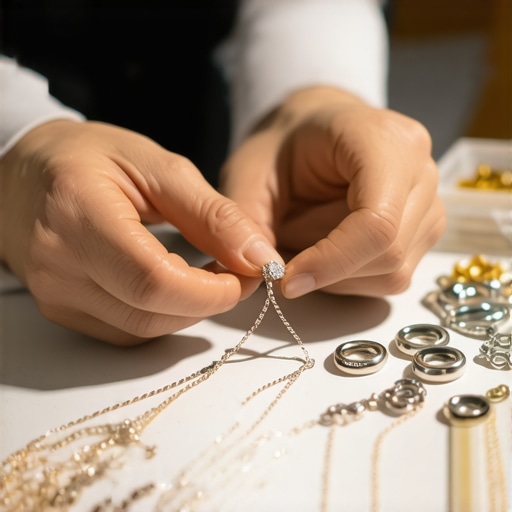
Restringing Jewelry: Effective Tips to Restore Your Favorite Pieces
Ever had that sinking feeling when you realize your cherished necklace or bracelet is starting to loosen or fray? I remember the first time I tried to restring a beloved pendant only to end up with a tangled mess and a necklace that looked worse than before. That moment was a lightbulb—if I wanted to keep my jewelry looking beautiful, I had to learn how to do it right. Restringing jewelry isn’t just about fixing a broken piece; it’s about preserving memories and boosting your confidence in your craftsmanship.
Why Restringing Your Jewelry Matters More Than You Think
Jewelry is more than just adornment; it’s a reflection of your style, a keepsake from loved ones, or a piece that holds sentimental value. When your favorite piece starts to show signs of wear, it’s tempting to toss it aside or get it replaced. But with a few simple tips and some patience, you can restore your jewelry’s beauty and trustworthiness. Proper restringing can prevent further damage, ensure safety, and even enhance the piece’s appearance. Plus, mastering this skill saves you money in the long run and gives you a satisfying sense of accomplishment.
Is Restringing Worth the Hype or Just a Fad?
Early in my journey, I made the mistake of rushing through restringing without understanding the importance of quality materials and techniques. That led to a necklace snapping again within weeks. It’s a common mistake, but one that can be easily avoided. Restringing isn’t just a quick fix; it’s a craft that involves attention to detail and knowledge about the right types of stringing materials and knots. If you’re skeptical about whether you can do it yourself or if it’s worth the effort, I get it. But trust me, with the right guidance, it becomes a rewarding experience that breathes new life into your jewelry collection.
In this post, I’ll walk you through effective tips that will help you restring your jewelry confidently and professionally. We’ll cover everything from selecting the best materials to mastering knot techniques that hold. Ready to bring your favorite pieces back to life? Let’s dive in and transform your jewelry repair skills today!
Choose the Right Materials for Durability
Start by selecting high-quality stringing materials such as nylon or silk thread depending on the jewelry type. I once used a cheap synthetic thread on a bracelet, which frayed within weeks. Instead, I switched to a durable silk thread, and the piece lasted much longer. For added security, consider using beading wire for heavier pieces. Check out this guide for more on selecting the best materials.
Properly Remove and Prepare the Old String
Carefully cut the old string, avoiding damage to the beads or stones. I once rushed and accidentally chipped a bead because I pulled too hard. To avoid this, use fine scissors or a blade, and gently loosen the knot. Clean the beads with a soft cloth to remove any residue. This preparation ensures a secure foundation for your new restringing.
Master Knot Techniques for Security
Learn the right knots—such as surgeon’s knot or double knot—to prevent slippage. A trick I use is to make a small loop and double back for extra security. Practice this beforehand on scrap thread. When I first tried, my knots slipped, causing the beads to fall apart. Watch tutorials or check this resource to perfect your technique.
Align Beads and Stones Properly
Ensure beads are evenly spaced and stones are centered. I once misaligned a pendant, which looked off-balance until I re-did it. Use a bead board or a flat surface to keep everything aligned. Tighten the thread gradually, checking the placement frequently. This step is crucial for a professional finish and long-term durability.
Tighten and Secure the Final Knot
Finish by making a secure knot, then add a dab of jewelry glue for extra hold. I once skipped this, and the knot came undone during wear. After securing, trim the excess thread close to the knot. Test the tension by gently tugging, ensuring everything stays in place. Proper finishing techniques boost the trustworthiness of your jewelry, making it look store-bought and last longer.
Inspect and Clean Your Refinished Jewelry
Finally, inspect your work, checking for loose beads or weak knots. Clean the piece with a soft cloth to restore shine. I learned this the hard way when a dirty necklace looked dull until I polished it. A meticulous inspection ensures your hard work pays off and that your jewelry can be trusted to last.
Many enthusiasts and even seasoned jewelers often overlook subtle nuances that can make or break the quality of their work in stone setting, restringing, or appraisal. Let’s dig deeper into these overlooked details, debunk common myths, and reveal advanced mistakes that can trip up even experienced practitioners. Have you ever fallen into this trap? Let me know in the comments.
Why Rushing Can Sabotage Your Jewelry Work
One of the biggest misconceptions is that speed equals efficiency. In reality, rushing through tasks like setting stones or restringing can lead to misaligned beads, loose prongs, or weak knots. For example, applying too much tension during restringing might seem like a good idea, but it actually increases the risk of breakage or uneven wear. High-quality work demands patience and attention to detail, especially when it comes to securing stones or finishing knots properly. For advanced techniques and to avoid common pitfalls, check out this guide.
Myth: All Setting Techniques Are Equal
A common myth is that any stone setting method—be it prong, bezel, or flush—works universally for every piece. This is simply not true. Each technique has its nuances, and choosing the wrong one can compromise durability or aesthetics. For instance, a bezel setting provides excellent protection for vulnerable stones but requires precise metalwork to avoid gaps or uneven edges. Misapplying a technique without understanding its nuances can lead to setting failures or damage over time. To master these subtleties, explore these advanced strategies.
How to Avoid the Common Appraisal Trap
Many professionals overestimate the importance of superficial details during appraisal, neglecting the critical role of accurate measurements, clarity assessments, and metal purity verification. A frequent mistake is relying solely on visual inspection without the necessary tools or knowledge, which can lead to undervaluation or overvaluation. For example, failing to recognize hidden repairs or adjustments can distort the true worth of a piece. To ensure your appraisal is trustworthy, consult these expert appraisal tips.
What Advanced Jewelers Know About Engraving That Beginners Miss
One overlooked nuance in engraving is the importance of proper tool selection and control. Many think that engraving is just about making lines; in reality, the angle of the burin, the speed of the tool, and the metal’s hardness all influence the final result. A common mistake is applying excessive pressure, which causes uneven lines or damage. Skilled engravers also understand how to prepare the surface for clean, precise designs, often using masking techniques or specific polishing methods beforehand. For a deeper dive into these advanced skills, review these detailed strategies.
Maintaining the quality and longevity of your jewelry requires more than just skill; it depends heavily on the right tools and consistent techniques. Investing in high-quality equipment can significantly improve your repair outcomes, especially when it comes to stone setting, restringing, or engraving. For example, I personally rely on a precision diamond-tipped burin for engraving delicate patterns. Its fine tip allows for controlled, clean lines, which is crucial when working on intricate designs or small surfaces. Using subpar tools can lead to uneven lines or accidental damage, so prioritize quality over price when selecting your engraving equipment.
Similarly, for restringing, I prefer a micro-crimping plier. This tool ensures secure closures without damaging the thread or beads, which is vital for maintaining the piece’s aesthetic and structural integrity. When it comes to stone setting, a set of precision prong pliers with fine tips allows for delicate adjustments that secure stones tightly without risking cracks or loosening. These tools are designed to provide maximum control, making the setting process smoother and more reliable.
Beyond physical tools, software also plays a pivotal role. For appraisals, I recommend using a dedicated jewelry valuation software like this appraiser tool. Accurate digital records help track the history, value, and condition of your pieces over time, ensuring you can maintain or even increase their worth with proper care and documentation.
Looking ahead, the trend is moving towards integrated digital and physical tools. 3D scanning and printing technologies are becoming more affordable and precise, enabling jewelers to create custom settings or repair components with unmatched accuracy. This not only speeds up the repair process but also enhances the quality and trustworthiness of the results.
How do I keep my tools in top shape for ongoing repairs?
Regular maintenance is key. Clean your tools after each use with appropriate solvents—like ultrasonic cleaners for metal parts—and store them in a dry, organized manner to prevent rust and damage. Sharpen or replace blades and tips periodically to ensure precision. Proper care extends the lifespan of your equipment and guarantees consistent, professional results every time.
Start implementing these advanced tools and techniques today, and watch your jewelry repairs become more reliable, efficient, and impressive. Remember, investing in quality equipment and maintaining it diligently is the foundation of a trustworthy and successful jewelry craft. For more detailed insights into masterful stone setting and engraving techniques, explore this expert guide.
The Hardest Lesson I Learned About Jewelry Restoration
One of my biggest mistakes was rushing through restringing without considering the quality of materials. I used cheap thread on a delicate necklace, only to have it fray within weeks. The lesson? Invest in the right materials—trustworthy silk or beading wire—and never compromise on quality. This simple switch transformed my results and saved me money in the long run.
My Experience with Overconfidence in Setting Techniques
Early on, I believed all stone setting methods were interchangeable. I tried a bezel setting on a fragile gemstone without mastering the technique, which led to uneven edges and loose stones. Now I know that each setting—prong, bezel, flush—requires specific skills. Mastering each one through dedicated practice and trusted resources like this guide is crucial for durability and beauty.
Overestimating the Simplicity of Engraving
I once thought engraving was just about making lines, but I quickly learned the importance of tool control and surface preparation. Using the wrong burin angle or applying too much pressure caused uneven lines and surface damage. Skilled engravers prepare meticulously, using masking techniques and proper tools. For a deeper understanding, check these expert tips.
Curated Tools That Changed My Craft
High-quality tools make all the difference. My trusted diamond-tipped burin for engraving ensures precise, clean lines. Micro-crimping pliers help secure threads without damage, and a set of fine prong pliers makes stone adjustments safer. I also rely on software like this appraisal tool to keep detailed records. Investing in quality tools elevates your results and confidence.
Embrace the Journey of Jewelry Mastery
Every mistake is a step toward mastery. Whether it’s restringing, setting stones, or engraving, patience and continuous learning are your best allies. Take on each project as an opportunity to refine your craft, and don’t shy away from expert resources. Your jewelry will thank you, and so will your confidence. Ready to turn your mishaps into masterpieces? Dive in and start today!

This post really resonated with me, especially the importance of using quality materials and taking the time to master knot techniques. I remember rushing a restringing project once and ending up with a weak knot that came undone during wear. Since then, I’ve learned that patience truly makes a difference, and investing in the right tools can elevate the outcome significantly. I’ve also found that keeping my workspace organized and regularly maintaining my tools has saved me a lot of frustration over time. For those new to restringing, do you have any tips on how to develop a steady hand for knot tying, or suggestions for beginner-friendly tools? I’d love to hear how others have built confidence in these small but crucial steps—sometimes, it’s the little things that make all the difference in craftwork.
I really enjoyed reading this detailed guide on restringing jewelry. I recall my own experience when a necklace snapped because I underestimated the importance of knot security and proper material choices. Over time, I’ve become more patient and meticulous, especially when it comes to knot tying—using double knots and adjusting tension carefully. One thing that helped me was practicing on scrap threads beforehand; it built my confidence and steadiness. I also found that investing in a small bead mat helps keep beads and string organized during the process.
Regarding tools, I started with basic nylon thread but gradually moved to silk and beading wire as my skills improved. For knotting, I use a fine needle which makes the process easier, especially for delicate pieces. Do others recommend specific tools or techniques that improve knot consistency for beginners? Also, have you found that certain materials or knot styles last longer, especially for heavier or more delicate jewelry? Would love to hear everyone’s tips on refining this essential skill.