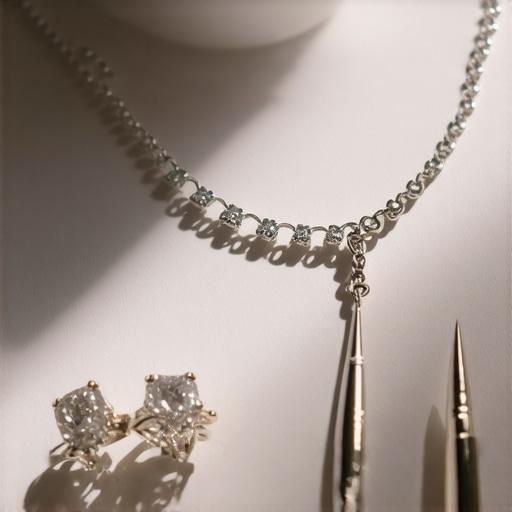
Restringing Jewelry: Proven Strategies to Restore Your Pieces’ Shine
Have you ever looked at a beloved necklace or bracelet, only to find that its sparkle has faded, the clasp is loose, or the stones seem to be slipping out? I’ve been there—holding onto jewelry that once dazzled but now feels more like a memory of its former self. I remember my first attempt at restringing a vintage pearl necklace. I thought I could do it myself, but after a frustrating afternoon and a few scratched beads, I realized I was missing some key techniques. That lightbulb moment made me dig deeper into proven strategies for restringing jewelry to restore its shine and durability. And let me tell you, it’s not just about fixing what’s broken—it’s about reviving the beauty and trust in your cherished pieces.
Why Restringing Jewelry Matters More Than You Think
Jewelry isn’t just accessories; they’re memories, investments, and expressions of who we are. When a piece starts to lose its luster or the string weakens, it’s tempting to toss it aside or replace it. But with the right restringing techniques, you can breathe new life into your jewelry—saving money, reducing waste, and keeping your sentimental pieces intact. Plus, knowing how to properly restring can boost your confidence in handling jewelry repairs, making you less dependent on costly professionals for minor fixes. It’s surprisingly rewarding to see a piece transformed from a tangle of broken string to a stunning, secure masterpiece. And if you’re worried about making mistakes, don’t fret—many of the early errors I made could have been avoided with simple, expert tips. For example, I once used a knotting method that damaged the beads, but learning the correct knotting strategies significantly improved my results. If you’re interested, I recommend checking out this guide for expert-approved techniques.
Is Restringing Jewelry Really Worth the Effort?
It’s a common hesitation—will all this effort actually pay off? I used to think that restringing was just a temporary fix, not worth the time or money. But I learned the hard way that a well-restringed piece can look brand new and last for years. The secret lies in the quality of the materials and the precision of the technique. Early on, I made the mistake of using cheap string and neglecting proper knotting, which led to frequent breakages. Now I know that investing in high-quality materials and learning proper restringing methods is essential. If you’re skeptical, remember that even experts recommend mastering restringing as a core skill in jewelry care. It’s a game-changer for keeping your jewelry trustworthy and beautiful. Want to start? I’ll walk you through the most effective strategies in the next sections, so stay tuned!
Pick the Right Materials for Success
Start with high-quality beading wire or silk thread, depending on your jewelry type. I once tried restringing a delicate pearl necklace with cheap nylon thread, which led to frequent breakages. Instead, investing in a durable, flexible string made a noticeable difference in the final look and longevity. For stones or charms, ensure your thread or wire matches the weight and size of the items, preventing undue stress on delicate components. For example, I used a sturdy nylon-coated wire to restring a vintage bracelet, which held up better over time and avoided the fraying I experienced with thinner strings.
Secure Your Beads with Proper Knotting Techniques
Mastering the knotting process is crucial. I once watched a tutorial and practiced on a scrap piece, focusing on tight, consistent knots. Use a fine-tipped needle to pass the thread through each bead, then tie a double knot with a small drop of jewelry glue for extra security. For added durability, I learned to use the ‘surgeon’s knot,’ which provides a secure hold without slipping. When I restringed my grandmother’s pearl necklace, applying these knots prevented beads from sliding and kept the string tight, restoring its elegant appearance.
Connect Ends and Secure Clasp Properly
Attaching the clasp correctly ensures your jewelry stays intact. I once struggled with a lobster clasp, but found that using crimp beads and pliers to secure the end loops provided a clean, professional finish. Thread the end through the crimp bead, loop it through the clasp, and then crimp tightly with precision. This method prevents loosening over time. While working on a silver chain, I used a similar technique and was amazed at how sturdy the connection felt—like new. For extra security, consider adding a drop of jewelry adhesive to the crimp before pressing it flat.
Test and Adjust for Comfort and Fit
Before finalizing, wear the piece or measure it to ensure comfort. I once finished restringing a beaded necklace and realized it was too tight after trying it on; adjusting the length by removing or adding beads made all the difference. Use a flexible measuring tape or a ruler to check the length, then make small adjustments. This step prevents future discomfort and guarantees the piece fits perfectly, boosting your confidence in your work. Remember, a well-fitted jewelry piece not only looks better but also signifies craftsmanship and care.
Apply Finishing Touches for a Professional Look
Finally, tidy up loose ends and inspect your work. I trim excess thread close to the knots, then hide the knots inside beads or use clear jewelry glue to prevent slipping. For a polished appearance, I often polish the beads and metal components with a soft cloth, removing fingerprints and smudges. This attention to detail elevates your jewelry from homemade to handcrafted. If you want to learn advanced techniques like stone setting or engraving, check out these expert guides for professional insights. Mastering these core steps ensures your jewelry is durable, beautiful, and ready to wear or gift with pride.
Many jewelry enthusiasts and even seasoned professionals often fall into traps when it comes to technical work like stone setting, restringing, and appraisal. Let’s dig deeper into what most people get wrong and reveal the hidden nuances that can make or break the quality of your jewelry repairs and evaluations.
Why the Myth of Perfect Symmetry in Stone Setting Can Lead to Disasters
One widespread misconception is that perfect symmetry equals quality. While symmetry enhances aesthetics, overemphasizing it can cause issues, especially with delicate stones. For instance, overly tight prongs may crack softer stones or cause stress fractures. Advanced jewelers know that slight imperfections, when carefully managed, can actually extend a stone’s lifespan and improve its security. The key is understanding the specific properties of each gemstone and adjusting the setting tension accordingly. This nuanced approach prevents chipping, which many amateurs unknowingly cause by applying uniform pressure without considering stone hardness or cut.
The Hidden Trap in Restringing That Can Damage Your Beads
When restringing, many get caught up in choosing the right thread or wire but overlook the importance of knot placement and tension control. A common mistake is to tie knots too tightly or too loosely, which can cause beads to slip or beads to crack under pressure. Additionally, not using the appropriate knot type—such as the surgeon’s knot for secure, even tension—can lead to uneven wear and eventual breakage. To avoid this, I recommend practicing with scrap materials and paying attention to how tension is distributed throughout the strand. For an extra layer of security, some experts suggest adding a tiny drop of jewelry adhesive on the knot itself, which can prevent slipping over time. Proper restringing techniques are subtle but vital for longevity. For more detailed insights, check out this guide.
What Most Overlook When Appraising Jewelry
Many assume that appraisals are straightforward assessments based solely on the item’s appearance. However, a nuanced appraisal considers factors like gemstone authenticity, setting integrity, and even hidden damage. Failing to check for internal fractures or previous repairs can lead to undervaluing or overvaluing a piece. One sophisticated technique is using a loupe and a jeweler’s microscope to detect stress fractures or chips invisible to the naked eye. Additionally, understanding the subtle differences in metal purity or hallmark accuracy requires expert knowledge. I often recommend leveraging professional appraisal strategies to ensure your evaluations are precise and trustworthy. Remember, an accurate appraisal builds confidence and trust, especially when dealing with high-value or heirloom jewelry.
Have you ever fallen into this trap? Let me know in the comments. Mastering these nuances can significantly elevate your jewelry craftsmanship and trustworthiness, turning basic repairs into professional-grade results.
Keeping your jewelry in top shape requires more than just the right techniques; it demands the right tools and ongoing maintenance. Over the years, I’ve refined my toolkit to include equipment that ensures precision and durability in every repair or creation. One must-have is a high-quality jeweler’s loupe, ideally with 10x magnification, which allows me to spot tiny stress fractures or dirt buildup that can compromise stones or settings. I prefer LED-lit models because they provide consistent, shadow-free illumination, crucial for detailed inspections.
Another vital instrument is a pair of fine-tipped, anti-static tweezers. These are perfect for handling delicate components like small beads or fragile settings, reducing the risk of accidental damage. I’ve found that a sturdy but precise pair with a textured grip gives me the control needed during intricate work. For soldering, I invest in a temperature-controlled soldering iron with tip sizes suitable for detailed work. This helps me achieve clean, professional joints without risking overheating nearby elements.
When it comes to cleaning, ultrasonic cleaners are invaluable. I use one with adjustable temperature and pulse settings, ensuring thorough removal of dirt and oils from stones and metal surfaces without harsh chemicals. Regular cleaning preserves the luster and prevents buildup that can weaken settings over time. For engraving or stone setting, a rotary tool with specialized bits grants both precision and versatility. I choose a model with variable speed control, allowing me to switch from delicate engraving to more aggressive tasks seamlessly.
Maintaining your tools is crucial for long-term success. I recommend cleaning and oiling the soldering iron tip regularly to prevent oxidation. Keep your ultrasonic cleaner’s solution fresh and change filters periodically. For engraving bits, sharpening or replacing them when they become dull ensures clean lines and reduces the risk of slips or mistakes. Establishing a routine check of all tools before starting work minimizes surprises and keeps your craftsmanship consistent.
What’s Next for Jewelry Tool Innovations?
As technology advances, the future of jewelry making will likely see more integration of digital tools—like 3D scanners and printers—making prototyping faster and more precise. Software for design and appraisal is also evolving, providing better accuracy and ease of use. To stay ahead, I recommend experimenting with these emerging technologies while maintaining your traditional tools. Combining the best of both worlds will give you a competitive edge and ensure your jewelry remains durable and stunning over time.
Want to enhance your skills? Try calibrating your soldering iron’s temperature before each project or investing in a high-quality loupe with LED illumination. These small upgrades can significantly improve your results and extend the lifespan of your jewelry. Remember, consistent maintenance and the right tools are the backbone of lasting craftsmanship. For more advanced techniques on stone setting and engraving, visit this guide and elevate your skills today.
What I Wish I Knew When I First Tried Restringing
One of the most valuable lessons I learned was the importance of patience and precision. Rushing through restringing a delicate pearl necklace often led to broken beads or loose knots. Taking the time to practice knotting techniques, like the surgeon’s knot, and using high-quality materials made all the difference in the longevity of the piece. I also discovered that understanding the specific properties of different gemstones and beads helps prevent damage during repair. For example, softer stones like pearls require gentler handling and softer thread to avoid chipping or cracking.
Why High-Quality Materials Are Non-Negotiable
Investing in the right materials transformed my restringing results. Cheap thread or wire might seem like a cost-saving choice initially, but they often lead to frequent breakages and a less professional finish. I trust brands that offer durable, flexible beading wire and silk threads designed for jewelry repair because they hold knots securely and resist fraying over time. Using the appropriate materials for each piece—like sturdy nylon-coated wire for bracelets and fine silk for pearls—ensures your work lasts and looks polished.
The Power of Proper Technique Over DIY Hacks
What truly made a difference was learning the correct knotting and end-connecting techniques. Instead of tying random knots, I learned to pass the thread through each bead carefully and secure it with double knots and a drop of jewelry glue. Connecting the clasp with crimp beads and pliers provided a sturdy, professional finish. These small but crucial details prevent bead loss and clasp failure, which are common pitfalls for beginners. My confidence grew as I mastered these techniques, turning what once seemed daunting into a satisfying craft.
Tools That Changed My Restringing Game
Having the right tools is essential. I now rely on a high-quality jeweler’s loupe with LED illumination to inspect my work closely. Fine-tipped, anti-static tweezers help handle tiny beads without slipping or damage. A temperature-controlled soldering iron and ultrasonic cleaner keep my tools in top shape, ensuring precision and cleanliness in every repair. These investments not only improve my results but also make the process more enjoyable and less stressful.
Final Reflection: Turning Practice Into Confidence
Every piece I’ve restrained has taught me something new—whether it’s about material compatibility, technique, or patience. The most rewarding part is seeing a worn-out, tangled necklace transform into a beautiful, secure piece that I can wear or gift. If you’re just starting or want to improve your skills, remember that mastery comes with practice and attention to detail. Don’t be discouraged by mistakes; they’re stepping stones toward jewelry craftsmanship you can be proud of. Keep learning, experimenting, and trusting your tools and techniques to bring out the best in every piece you work on.
Where to Go from Here
If you’re ready to elevate your jewelry repair skills, explore expert guides on restringing and stone setting, such as this comprehensive restringing guide. Remember, the key to lasting confidence in jewelry repair is continuous learning and refinement. Your journey from amateur to skilled craftsman starts with small, deliberate steps—so pick up your tools and start creating pieces that last a lifetime.
