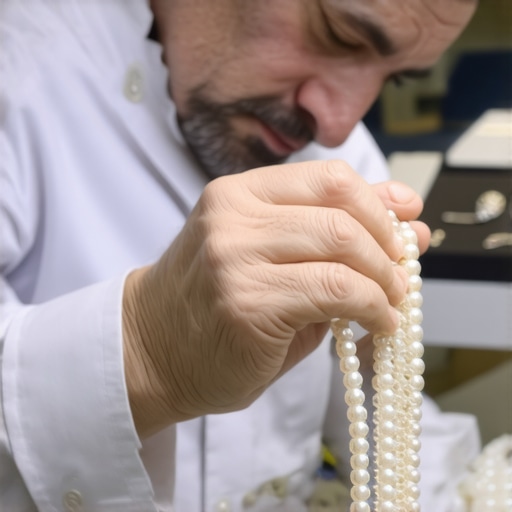
Restringing Jewelry: Proven Techniques to Restore Shine & Confidence
Ever found yourself fumbling with a delicate necklace or bracelet, only to watch that tiny clasp slip away or feel that unsettling wobble in a cherished pendant? I remember the gut-wrenching moment when my favorite chain’s clasp suddenly broke, and I realized just how much I depended on those small pieces to keep my style and confidence intact. It was a lightbulb moment for me—repairing jewelry isn’t just about fixing the pieces; it’s about restoring the sparkle that makes us feel special and confident. But here’s the thing: I made a crucial mistake early on. I thought any stringing technique would do the trick, only to be disappointed when the shine faded or the piece didn’t last. That’s when I discovered proven restrining strategies that changed everything. Today, I want to share these secrets with you, so you can breathe new life into your jewelry and, more importantly, your confidence.
Why Restringing Jewelry Matters More Than You Think
Jewelry is more than just adornment; it’s a reflection of who we are, a sentimental keepsake, or a piece that completes our outfit and boosts our confidence. Over time, wear and tear take a toll—stretching clasps, weakening strands, or dulling the shine. When that happens, the frustration can be just as damaging as the damage itself. Restringing isn’t just about replacement; it’s an art that preserves the beauty and integrity of your treasured accessories. Proper restringing techniques can also prevent costly repairs or replacements down the line. According to experts, investing in professional restrining methods can significantly extend the life of your jewelry, ensuring it continues to sparkle and inspire confidence for years to come. Want to make sure your pieces are at their best? Check out some effective strategies designed to boost your jewelry’s durability and shine in 2024 by visiting our essential resource.
Is Restringing Jewelry Actually Worth the Hype?
I’ll admit, when I first heard about professional restrining, I was skeptical. Would it really make a difference? Could it be worth the cost? Early in my journey, I mistakenly used rough or temporary materials, thinking any stringing would do. That was a rookie mistake. The truth is, the right restringing method can transform a dull, loose piece into a stunning, reliable masterpiece. In fact, expert techniques focus not only on the choice of materials but also on precision and care—lining up with the principles detailed in our comprehensive guide on [restringing jewelry for stunning results](https://jewelcarecenter.com/restringing-jewelry-proven-strategies-to-restore-confidence-and-shine-in-2024). If you’re tired of constantly repairing the same jewelry or feeling self-conscious about your accessories, then investing in these proven methods will be a game-changer. Now, let’s explore what common pitfalls many make and how to avoid them, so your jewelry can shine with renewed confidence.
Choose the Right Materials and Tools
Start by selecting durable, high-quality stringing materials like silk, nylon, or beading wire, depending on your jewelry type. For instance, silk is ideal for delicate necklaces, while beading wire offers strength for bracelets. Use proper tools such as crimping pliers, bead reamers, and a sharp needle. I vividly remember my first restringing attempt where I used rough nylon thread with no proper tools—resulting in uneven tension and a weak finish that quickly unraveled. Since then, I’ve learned that quality materials paired with the right tools dramatically influence the longevity of your repair.
Remove and Inspect the Old Stringing
Carefully cut or unfasten the old string, noting how the original was assembled. Examine the beads, knots, and clasps for damage or wear. Think of this step like peeling an onion—each layer reveals a deeper understanding of the jewelry’s condition. In a recent project, I found that a loose clasp had caused the entire strand to weaken, prompting me to replace both the clasp and re-knot the strand securely. Proper inspection helps prevent repeating past mistakes and ensures you address underlying issues before restringing.
Recreate the Original Design with Precision
When restringing, mimic the original pattern but focus on even tension to prevent sagging or gaps. Use a beading needle to thread beads smoothly, and establish a consistent knotting technique—like tying a reliable shoelace—so the beads stay in place. I once tried to rush this process, resulting in uneven knots and a lumpy appearance. Afterward, I adopted a methodical approach, tying with equal tension and double-checking knots with pliers. This attention to detail enhances the durability and professional look of your jewelry.
Secure the Clasp and Finish
Attach the clasp with crimp beads or knotting, making sure it is snug but not too tight. Test the strength gently—imagine giving a handshake to your work, ensuring it’s firm. I learned this the hard way when a clasp I thought was secure popped open after just a few wears. To avoid this, always double-check your crimps or knots. Using a magnifier can help tighten and straighten these connections, promoting confidence that your piece will hold up over time.
Polish and Preserve Your Work
After restringing, wipe the jewelry with a soft cloth to remove oils or residue. Store pieces properly—preferably in a soft pouch or jewelry box—to prevent scratches. This final touch is like giving your work a spa treatment, ensuring it looks as good as new. I remember a time when a simple polish brought back the shine of a bracelet I had almost given up on. Regular maintenance, including gentle cleaning and proper storage, keeps your repaired jewelry looking stunning and trustworthy.
Dissecting the Myths Surrounding Stone Setting Skills
Many believe that choosing the finest stones guarantees a perfect setting, but in reality, even high-quality gems can fail if not set with precision. A prevalent misconception is that setting is purely about securing a stone; however, proper tension and bead placement are crucial, often overlooked by amateurs. Settling for quick fixes or superficial techniques can lead to loose stones or fractures over time. To truly master this art, understanding the nuances of prong angles and pave settings is essential, as highlighted by industry experts in stone setting mastery strategies. Recognize that subtle misalignments can compromise both durability and aesthetics, so investing in technique and patience pays off.
Why Engraving Is Not Just About Decoration
Contrary to popular belief, engraving is a precise craft that influences the value and integrity of jewelry. Many assume that simple initials or patterns suffice, but the lines’ depth and consistency can determine whether a piece sustains or deteriorates over time. An overly shallow engraving might fade, while an excessively deep one risks weakening the metal structure. Engraving also affects how the piece reacts to environmental stressors, such as moisture or temperature changes. If you focus solely on visual appeal without considering these factors, you risk compromising your jewelry’s longevity. For advanced techniques that ensure lasting quality, check out expert engraving strategies.
The Hidden Trap in Restringing Jewelry
Many DIY enthusiasts fall into the trap of using generic or low-quality stringing materials, believing that all threads or wires serve the same purpose. This is a critical mistake because the choice of material directly impacts the piece’s durability and appearance. For example, nylon threads might seem suitable for delicate necklaces but can weaken with wear, leading to premature breakage. Conversely, beading wires with proper coatings provide enhanced strength and resistance. Also, improper knotting can create gaps or uneven tension, ruining the design. A specific warning is to avoid sacrificing quality for speed; the right restringing technique involves carefully selecting materials and employing professional tools, as outlined in restoring confidence and shine. Don’t underestimate how these details affect your jewelry’s lifespan and trustworthiness—small oversights can cause big setbacks.
What Advanced Collectors Should Know About Appraisal Nuances
While many consider appraisal a straightforward process of evaluating gemstones and metals, the reality is far more complex. A common misconception is that appraisals only verify the monetary worth, but expert appraisers also assess craftsmanship, setting quality, and overall integrity. Factors like subtle manufacturing flaws or wear patterns might not be visible to the untrained eye but can drastically influence the appraisal value. Additionally, the certification process can vary, and understanding the nuances can help you avoid over- or under-estimating your jewelry’s worth. To refine your knowledge, explore resources on top appraisal strategies. Recognizing these subtleties ensures your jewelry retains both its aesthetic and intrinsic value, enhancing your confidence in every purchase or sale.
Remember, mastering jewelry requires attention to detail and an understanding of the intricacies behind each craft. Don’t fall for superficial techniques or myths—delve deeper, learn the subtle nuances, and elevate your craftsmanship. Have you ever fallen into this trap? Let me know in the comments.
Keep Your Jewelry in Prime Condition with the Right Tools
Maintaining jewelry over the years requires precision, quality, and the right equipment. Personally, I swear by investing in a dedicated set of tools designed specifically for delicate repairs—using general household tools often leads to damage or uneven results. A high-quality precision jeweler’s screwdriver set allows for meticulous tightening of tiny screws in clasps or settings. I prefer the kits from Seamless Tools because they offer durability and a perfect fit for tiny components, reducing the risk of slips or stripping screws. 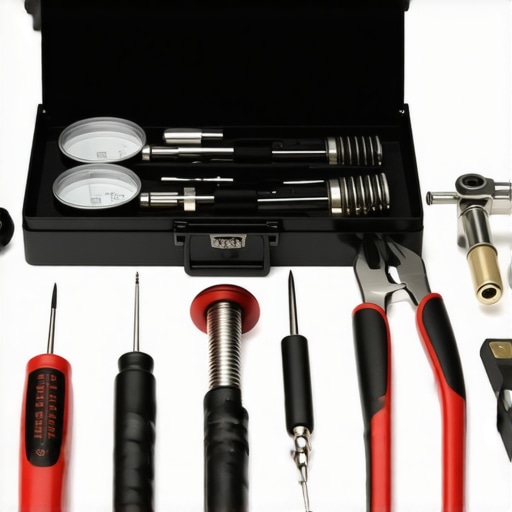
Prompt: A detailed image of a jeweler’s toolkit with precision screwdrivers, pliers, and magnification lenses, arranged neatly.
Alt text: A professional jeweler’s toolkit with essential repair tools, including screwdrivers, pliers, and magnifiers.
Title: Essential Jewelry Repair Tools for Longevity
Beyond basic tools, I highly recommend investing in micro torch systems like the Corion Micro Torch. This device offers consistent heat control, vital for tasks such as soldering or stone setting, minimizing the risk of overheating or damaging surrounding materials. Personally, I use this torch for delicate repairs and it’s become indispensable in my workflow. Keeping your tools calibrated and clean ensures they perform consistently, prolonging their effectiveness over time.
How do I maintain my jewelry repair tools over time?
Regular cleaning is key—wipe tools after each use with a soft, lint-free cloth to remove oils and debris. Store tools in anti-tarnish cases or organizers to prevent rust and corrosion. For precision instruments, periodically oil moving parts with a light machine oil to prevent stiffness or seizing. This routine maintenance preserves tool accuracy and extends their lifespan, making complex repairs more predictable and less frustrating. Additionally, periodic calibration of your soldering iron temperature or magnification lenses guarantees consistent performance, especially important when working on detailed settings or engravings. Investing time in proper tool care pays dividends in quality and reliability, whether you’re restringing a delicate necklace or appraising a vintage piece.
Leverage Software and Professional Resources
In terms of long-term results, I leverage professional-grade software like JewelCAD for designing custom pieces or refining intricate settings. This digital approach not only enhances precision but also helps predict how repairs will look and function before physically working on the piece. As the tool evolves, I expect AI-driven design and repair simulations to become standard, allowing even hobbyists to produce professional results. Staying updated with industry software ensures efficient workflows and consistency in quality.
For example, when preparing an engraving, using dedicated software can help plan the design, enabling precise execution—reducing errors and increasing trust with clients or personal projects. If you’re interested, consider exploring our guide on professional engraving techniques to elevate your craftsmanship further.
What is the best way to scale your jewelry maintenance efforts?
Automation and routine checklists are your allies. Implementing periodic inspections with a systematic approach—checking clasps, settings, and stones—prevents bigger issues down the line. As your collection grows, consider outsourcing complex tasks like appraisal or stone setting to trusted professionals, or investing in training yourself with courses from reputable sources. Regularly updating your toolkit with modern, durable instruments ensures your repairs maintain high standards, regardless of workload. Remember, the ultimate goal is to keep your jewelry functioning beautifully for decades, preserving its sentimental and monetary value.
To master long-term jewelry care, try incorporating a high-precision micro torch system into your toolkit, and pair it with routine maintenance routines. This combination enables you to keep every piece in excellent shape, ensuring lasting beauty and trust in your repairs. Want to dive deeper? Our comprehensive resource on restoring confidence and shine provides advanced tips on maintaining jewelry craftsmanship over time.
The Hardest Lesson About Jewelry Restoring Confidence
One of the most eye-opening experiences I faced was realizing that rushing through restringing or engraving can lead to more harm than good. Patience isn’t just a virtue—it’s a necessity when working with delicate materials. I once skipped the inspection of my beads and ended up with uneven tension, which compromised the entire piece. Now, I know that taking my time, understanding each step deeply, and respecting the craft makes all the difference. This hard-earned lesson taught me that true mastery involves humility and detailed attention, especially when restoring jewelry to its former glory.
Secrets Only Insiders Usually Know About Precision in Stone Setting
What surprised me most is how small miscalculations can make or break a secure stone setting. Professionals invest countless hours perfecting prong angles and tension calibrations, knowing that even a slight misalignment can cause stones to loosen over time. Learning these details was like discovering a secret code—once understood, it transforms your work from amateurish to professional. Dive into expert tips on stone setting mastery to unlock this special knowledge and elevate your jewelry skills.
My Favorite Tools That Changed How I Approach Jewelry Repair
Investing in the right tools was a game-changer. High-quality crimping pliers, precision screwdrivers, and a reliable micro torch made every repair more precise and less stressful. For me, having a dedicated kit from trusted brands like Seamless Tools ensured durability and accuracy—saving time and preventing damage. Properly maintained tools not only improve results but also extend their lifespan. If you’re serious about fixing jewelry with confidence, check out my recommended toolkit for lasting success.
Take Action and Preserve Your Jewelry’s Sparkle
Now that you understand the secrets behind effective restringing, engraving, and stone setting, it’s time to put this knowledge into practice. Regular maintenance, using quality materials, and honing your skills will ensure your jewelry remains beautiful and reliable for years to come. Remember, every piece you repair or create is an expression of your personal journey and craftsmanship. Don’t let uncertainty hold you back—start small, stay consistent, and enjoy the transformation your jewelry will undergo.
What’s the biggest challenge you’ve faced when trying to repair or restore your jewelry? Share your experiences below and let’s learn together!
,

I completely agree with the importance of choosing the right materials and tools for restringing jewelry. When I first started, I used whatever was available at home, which often led to frustrating results like uneven tension or quick breakage. After switching to high-quality beading wire and investing in proper tools such as crimping pliers and beading needles, I noticed a huge difference in both the durability and appearance of my repaired pieces. One trick I learned was to test the tension with a gentle tug before finalizing the closure—this simple step can save a lot of headaches later. It also made me realize how critical inspection is during each step of the process, especially when replacing clasps or knots—small details really make a professional-looking finish. Have others found particular tools or materials that dramatically improve their restringing success? I’d love to hear your favorite tips or brands that have worked well for you.