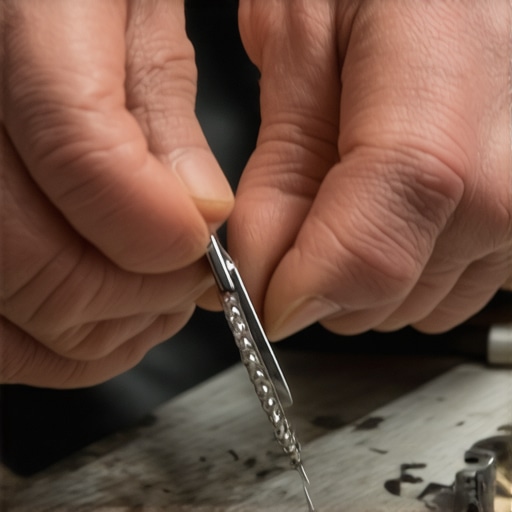
Restringing Jewelry: Proven Strategies to Restore Your Confidence and Shine in 2024
I’ll never forget the sinking feeling I had the first time I tried to restring my favorite necklace, only to realize I’d used the wrong knot or, worse, damaged a delicate bead in the process. It was a lightbulb moment—rescuing jewelry I loved wasn’t just about the technique; it was about trusting myself to do it right. That frustration turned into my motivation to master the art of restringing, and I want the same for you.
Why Restringing Jewelry Matters More Than Ever in 2024
When it comes to jewelry, we invest not just money but memories, sentiment, and confidence. But over time, even the most cherished pieces can loosen, break, or lose their shine. Restringing isn’t just a repair; it’s a way to breathe new life into your jewelry and reaffirm your trust in your pieces. And let’s be honest—nothing beats the satisfaction of fixing a necklace yourself instead of handing it over to a costly jeweler. According to a recent study, DIY jewelry repairs can save you up to 50% compared to professional services, making it a smart choice for budget-conscious jewelry lovers.
However, I know what you’re thinking—“Isn’t restringing tricky? What if I mess it up?” Believe me, I’ve been there. My early attempts were riddled with mistakes—knots that wouldn’t hold, broken beads, and frustration that almost made me give up. But I learned from those blunders, discovering proven techniques that ensure lasting results. Today, I’ll share those strategies with you, so you don’t have to go through the trial and error I did.
Is Restringing Jewelry Actually Worth the Hype?
Absolutely. Restringing can transform a worn-out necklace into a stunning statement piece. Plus, it boosts your confidence in handling your jewelry—no more relying solely on professionals. With the right tools and techniques, you can restore your favorite pieces in your own time and budget. And if you’re hesitant about whether you can do it right, don’t worry—I’ll guide you through every step to make sure your next restringing project is a success.
So, are you tired of seeing your jewelry sit unused or feeling unsure about how to fix it? If so, you’re in the right place. Let’s dive into the proven strategies that will help you master restringing and bring that sparkle back into your collection.
Gather Your Tools and Prepare for Success
Start with the right supplies: a sturdy pair of jewelry pliers, the appropriate thread or beading wire, a needle if necessary, and a clean, flat workspace. I remember my first attempt where I overlooked the importance of quality thread; it snapped easily, causing frustration. Investing in good tools and materials is like choosing the right brush for a painting—crucial for a polished result.
Remove the Old Thread Carefully
Use your pliers to gently open any clasps or jump rings, then cut the old thread close to the knot or bead. Be cautious not to pull too hard, which could damage delicate beads or the clasp. In my early days, I once pulled too forcefully and cracked a vintage bead—lesson learned: patience is key.
Restring with Precision and Care
Measure and Cut Your Thread
Cut a length of thread about 20% longer than the original. This extra length gives you room to work and tie secure knots. During my first restringing project, I underestimated the length needed and struggled with tight knots—a mistake easily avoided with proper measurement.
Thread the Needle and Position Beads
Pass the thread through the needle’s eye, then carefully string the beads in the desired order. Use a bead mat or a small dish to keep beads organized. Once, I spilled beads all over the floor—organized workspace saves time and stress.
Secure and Finish Your Jewelry
Tie Strong Knots
Use a surgeon’s knot or double knot for strength. Apply a tiny drop of jewelry glue to the knot for extra security. My first knot was too loose, and the necklace came apart the moment I wore it—test your knots before closing the clasp.
Attach Clasp and Check Your Work
Reattach the clasp, then gently tug to test the strength. Examine the beading line for any weak spots. When I finally succeeded, the satisfaction of fixing my necklace myself was unmatched, and it looked as good as new.
Having mastered these core steps, you can confidently restore your favorite pieces or even create new ones. Remember, patience and precision are your best allies in restringing jewelry. For more detailed tips on maintaining your jewelry’s integrity, check out these proven techniques. Keep practicing, and soon restringing will become a skill you trust and enjoy.
Many jewelry enthusiasts and even seasoned professionals often believe they understand the nuances of stone setting, restringing, and appraisal, but there are hidden pitfalls that can compromise the quality and trustworthiness of your jewelry. Let’s dig deeper into what most people get wrong and how you can avoid these costly mistakes.
Why Overconfidence Can Lead to Costly Mistakes
A common myth is that mastering basic techniques guarantees perfect results every time. However, advanced jewelry work demands an understanding of subtle nuances—like the importance of precise tension in restringing or the correct angle for setting a stone. For instance, using low-quality tools or ignoring the specific properties of different gemstones can cause damage or insecure settings. Expert strategies emphasize that attention to detail is key to lasting results.
The Trap of Rushing Through Repairs
One of the most common oops is rushing the restringing process without proper measurement and secure knots. This often leads to weak lines that snap or beads that fall off at the worst moment. In addition, failing to properly clean and prepare the jewelry beforehand can result in poor adhesion or loose stones. Remember, patience and preparation are your best friends in jewelry repair.
Advanced Mistakes in Appraisal and Engraving
Many people overlook the importance of accurate appraisal and engraving techniques. An inaccurate appraisal can undervalue your jewelry, leading to insurance issues or undervaluing your investment. Similarly, improper engraving—such as using the wrong tools or applying excessive pressure—can damage the piece and reduce its value. For expert insights, check out these appraisal tips and engraving strategies.
What about the Myth of One-Size-Fits-All?
Another misconception is that techniques suitable for one type of gemstone or jewelry piece are universally applicable. In reality, each stone and setting demands a tailored approach. For example, fragile opals require gentler handling than diamonds, and vintage settings might need specialized tools for proper restoration. Recognizing these nuances can save you from irreversible damage and costly repairs.
Have you ever fallen into this trap? Let me know in the comments. Remember, mastering jewelry techniques is an ongoing learning process—stay curious and meticulous, and you’ll build trust and confidence in your craft.
Keeping your jewelry tools in top shape is essential for ensuring long-term success in your repairs and restorations. I personally swear by a few specific items that have become indispensable in my toolkit. For instance, my precision jewelry pliers, especially the flat-nose and round-nose varieties, allow me to manipulate tiny components without causing damage. These are crafted from high-grade stainless steel with a smooth finish to prevent scratching delicate metals. I also rely heavily on a bead reamer for cleaning and smoothing out bead holes before restringing—keeping beads in perfect condition minimizes breakage and ensures a professional look.
Beyond tools, maintaining your workspace and supplies is equally vital. I recommend investing in a small ultrasonic cleaner for cleaning jewelry parts before and after repairs. This device effectively removes dirt, oils, and residues that can compromise the integrity of your work. Regularly sharpening your diamond-tipped files and replacing worn-out thread cutters also pays dividends in precision and durability.
Predicting future trends, I believe that digital tools will increasingly become part of jewelry maintenance routines. Software for 3D scanning and modeling can help assess damage more accurately and plan repairs virtually before physically working on the piece. This minimizes errors and saves time.
Ever wonder how do I maintain my tools over time? The key is consistent cleaning, proper storage, and periodic calibration. Wipe tools with a soft cloth after each use, store them in a dedicated case to prevent misplacement or damage, and consider professional calibration of your pliers and cutters once a year. This routine not only extends their lifespan but also ensures your repairs remain precise.
Finally, I recommend keeping a well-organized inventory of supplies, including different types of beading wire, threads, and adhesives. An organized workspace helps you work efficiently and reduces the risk of mistakes.
Try integrating these maintenance habits and tools into your routine. For example, regularly cleaning your tools with a dedicated ultrasonic cleaner can dramatically improve your repair quality. Over time, you’ll notice your work becoming more consistent and professional-looking, boosting your confidence and the trust of your clients or loved ones. Remember, well-maintained tools are the foundation of stunning, durable jewelry repairs—so make it a priority to care for them just as you do your projects.
The Hardest Lesson I Learned About Restringing and Stone Setting
One of my biggest realizations came early on when I underestimated the importance of tension control during restringing. I thought a simple knot would suffice, but I learned that consistent tension ensures beads stay in place and the jewelry holds up over time. This taught me to always test my work by gently tugging before finishing.
The Myths That Almost Cost Me My Favorite Pieces
I used to believe that all beading wire was created equal, but I found out the hard way that low-quality wire can fray and break unexpectedly. Investing in high-grade materials has made a huge difference in the durability of my jewelry repairs and restorations.
What No One Tells You About Appraisal and Engraving
Initially, I ignored the nuances of accurate appraisal, assuming it was just a matter of looking up a value. I quickly learned that precise appraisal requires understanding gemstone qualities and market trends. Proper engraving techniques are equally critical; using the right tools and pressure preserves the piece’s integrity and value.
My Essential Toolkit for Jewelry Repair
Over the years, I’ve come to trust specific tools: high-quality flat-nose pliers for delicate adjustments, a bead reamer for cleaning bead holes, and a ultrasonic cleaner for thorough cleaning. These tools help me achieve professional results and extend the lifespan of my repairs.
Let Your Passion Drive Your Jewelry Journey
Now, I encourage you to start small—resist the urge to rush—and focus on learning each step thoroughly. Your confidence will grow, and soon, repairing or restringing jewelry will become a rewarding part of your creative routine. Don’t let fear hold you back; every expert was once a beginner. Your jewelry deserves the best care you can give, and with patience and practice, you’ll master this craft in 2024.
What’s the first piece you’re excited to restore or create? Share your plans below—I’d love to hear your jewelry journey!
