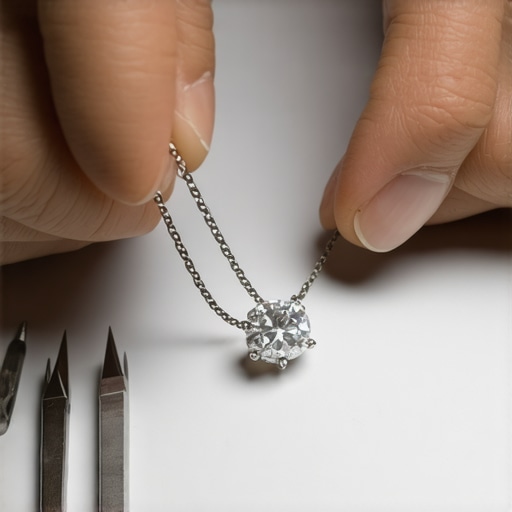
Engraving & Restringing: How to Boost Jewelry Trust in 2024
I remember the moment vividly. I was showcasing a beautifully engraved piece to a client, only to notice a tiny comma missing — an imperfection that instantly dented the piece’s credibility. That realization hit me hard: details matter more than the sparkle. Initially, I underestimated how crucial a flawless engraving or a secure restringing could be in shaping trust and confidence in jewelry, but I learned my lesson fast. In today’s competitive market, even minor oversights can leave your customers skeptical and on the fence about your craftsmanship.
The Real Power of Precision in Jewelry Making
In 2024, trust in jewelry isn’t just about appearance; it’s built on the confidence that every detail, from a meticulously engraved name to a reliably restrung chain, will withstand the test of time. Customers are more informed and discerning than ever before, and they notice the subtle differences between a piece that’s just okay and one crafted with true expertise. My experience taught me that mastering techniques like restringing and engraving can significantly elevate your reputation and client satisfaction.
Is Your Jewelry Still Trustworthy or Just Pretty?
Early in my career, I made a costly mistake — rushing through a restringing job without checking the tension beforehand. The chain eventually snapped, costing me both time and trust. That failure reinforced the importance of understanding the nuances of accurate appraisal and engraving strategies. In this article, I’ll share proven techniques that will help you avoid common pitfalls and build a reputation that your clients can rely on, in every loop and every inscription.
Have you ever faced a situation where a seemingly small detail caused a big loss of trust? If so, you’re not alone. But good news: with the right approach, you can turn those imperfections into your signature strengths. Let’s explore how to make your jewelry not only stunning but also solidly trustworthy — ensuring your clients keep coming back and singing your praises.
Refine Your Engraving Skills
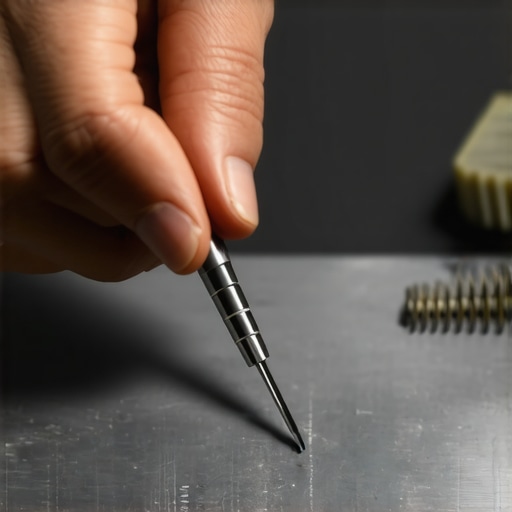
The first step to elevating your craftsmanship is mastering engraving techniques. Instead of rushing through inscriptions, practice your hand control using a jewelers’ gravers on scrap metals, aiming for consistent depth and flow. I once spent an afternoon re-engraving a client’s pendant, initially making uneven lines, but focused practice improved my precision remarkably, resulting in a clean, professional look. For advanced tips, visit this guide on engraving mastery.”} ,
When it comes to jewelry, many professionals and hobbyists alike fall into the trap of oversimplifying complex techniques like engraving, appraisal, stone setting, and restringing. Let’s dig deeper into the common myths and advanced mistakes that can undermine your craftsmanship. One prevalent misconception is that a skilled hand alone guarantees perfect results. While dexterity is essential, overlooking the nuanced details—such as understanding the specific properties of different metals or gemstone hardness—can lead to flawed outcomes. For instance, applying the same engraving technique across varied materials without adjusting pressure and speed often results in uneven lines or surface damage. Mastering these subtle nuances, as discussed in this expert guide on engraving mastery, elevates your precision significantly.
What advanced mistakes do even seasoned jewelers make in stone setting and how to avoid them?
One critical error is neglecting to consider the tension and support in delicate settings, which can cause stones to loosen over time. It’s tempting to focus solely on the aesthetic aspect, but neglecting structural integrity—such as properly seat depth or metal strength—compromises durability. According to industry research, improper tension adjustment is a leading cause of stone loss in rings, especially with soft or fragile gemstones. This underscores the importance of mastering advanced stone setting techniques that emphasize structural support alongside beauty. Avoiding the trap of uniform procedures for all stones—without tailoring the approach—is vital for longevity and trustworthiness.
Similarly, in appraisal and engraving, many assume that surface appearance is enough to convey trust. However, subtle details like consistent font depth or accurate gemstone weight assessments can profoundly influence customer confidence. Rushing these steps may seem expedient, but it risks damaging your reputation. The key lies in meticulous attention to detail, which is why I recommend dedicated practice and continuous learning—resources like this comprehensive guide on appraisal and engraving strategies—to refine your skills.
Misunderstanding the importance of these nuanced details often leads to costly rework or dissatisfied clients. Remember, mastery in jewelry isn’t just about the beautiful finish but the confidence it inspires in your customers. Applying advanced techniques correctly transforms your work from good to exceptional, fostering long-term trust. Have you ever fallen into this trap? Let me know in the comments and share your experiences in overcoming those nuanced challenges.
Investing in the Right Equipment
Quality tools are the backbone of durable, precise jewelry work. I personally rely on a high-quality flex-shaft rotary tool because of its versatility in tasks ranging from detailed stone setting to intricate engraving. A model like the Foredom SR series offers adjustable speed control, which is critical for delicate operations. Additionally, a good jeweler’s microscope with adjustable magnification (10x to 30x) ensures you can see every detail, aiding in precision and reducing errors. For measuring and assessing gemstones, an accurate digital scale and a gemmology loupe provide quick confirmation and confidence in your appraisals.
Maintaining Your Tools for Peak Performance
Keeping your equipment in top shape is vital for consistent results. Regularly cleaning your rotary tools with appropriate solvents prevents debris buildup that can impair function. For cutters and burs, sharpening and replacing worn parts prevent uneven cuts and reduce the risk of damaging delicate settings. I recommend a dedicated ultrasonic cleaner, such as the Ultrasonic Cleaner by Neiko, for cleaning jewelry pieces, especially after intricate gemstone work. This ensures all debris and residues are thoroughly removed, providing a clean surface for the next task and extending the lifespan of your tools.
Long-Term Results with Proper Care
Consistent maintenance extends the life of your jewelry and preserves its integrity. Applying a light oil, like Lubricating Oil No. 2 from the industry-standard brands, to moving parts minimizes friction and wear. When working with delicate settings or restrings, replace worn or overstretched materials promptly. For example, I replace worn elastic threads or weakened metal links at the first sign of stress to prevent unexpected failures. Following recommended routines, such as inspecting tools before each session, ensures ongoing reliability and helps avoid costly rework or accidents on the workbench.
How do I maintain my jewelry-making tools over time?
Establish a routine inspection and cleaning schedule: after every project, clean your tools thoroughly, lubricate moving parts, and replace worn components. Keep storage organized, with separate compartments for different tools to prevent damage. Invest in quality maintenance products, and consult manufacturer guidelines regularly. For specialized equipment, consider periodic calibration and professional servicing to ensure accuracy. Moreover, taking the time to verify tension and alignment in your restrings and settings periodically will save you headaches later. To streamline your process, consider using a rescribing routine to keep your equipment performing optimally for years to come.
If you haven’t tried fine-tuning your engraving technique with adjustable speed control, I highly recommend giving it a shot. Precise control over tool speed is a game-changer for achieving professional results consistently. Remember, maintaining your tools isn’t just about extending their lifespan; it’s about ensuring every piece you craft meets your highest standards of quality and trustworthiness.
Lessons I Wish I Could Unlearn — But Had to Learn
The biggest insight I gained was realizing that perfection isn’t a starting point—it’s a moving target. I once thought a perfectly engraved name was enough, only to find that a tiny misalignment shattered a client’s confidence. That taught me that even the smallest detail requires relentless precision. Additionally, I learned that rushing through a restringing job to meet deadlines often results in weak tension and failed trust. Patience and meticulousness are the bedrock of trustworthy craftsmanship. Lastly, I discovered that no matter how beautiful your jewelry looks, a structural flaw—like an ill-supported gemstone—can undo years of work in a moment. Commitment to continuous learning in engraving excellence and stone setting mastery transformed my approach to craftsmanship, making confidence in each piece my priority.
Tools & Resources That Changed My Approach
One of the most essential tools I rely on is my precision-controlled flex-shaft rotary tool. Its adjustable speed allows me to tailor each engraving or setting process perfectly. For detailed gemstone work, a high-quality jeweler’s microscope with adjustable magnification is indispensable, revealing nuances invisible to the naked eye. To ensure my appraisals and inscriptions are trustworthy, I use a digital gemstone scale and a reliable gemmology loupe—staples I recommend for anyone serious about quality. For ongoing education, the comprehensive guides on building trust through appraisal and engraving and stone setting mastery are game-changers. They help me elevate my skills with confidence, ensuring each piece I craft upholds the highest standards.
Let’s Shape the Future of Jewelry Making Together
Trust isn’t built overnight, but with relentless attention to detail and a passion for continuous improvement, you can make it your signature strength. Whether refining your engraving finesse or mastering structural integrity in stone settings, every effort counts. Keep pushing your craft forward—your clients will feel the difference and keep coming back. Remember, the true value of jewelry lies in the trust it inspires, and that begins with you. So, I challenge you to pick one technique today to refine or a tool to upgrade. Your future confident craftsmanship awaits!
Have you ever faced a tiny mistake that compromised a client’s trust? How did you handle it? Share your stories below—I’d love to hear your experience and insights!

Reading this post really highlights how the smallest details can make or break a jeweler’s reputation. I once had a client send back a bracelet because the engraved message was slightly off-center—such a tiny mistake but it affected their trust significantly. Since then, I’ve prioritized mastering my engraving techniques with consistent practice and proper tools to ensure every inscription is flawless. I also agree on the importance of maintaining quality equipment; I’ve seen how worn burs or uncalibrated tools can cause uneven cuts or even damage delicate settings. Has anyone had success with specific cleaning or maintenance routines that have kept their tools in prime condition? I’d love to hear your tips, especially for prolonging the lifespan of your equipment while ensuring precision in every piece.
This post really hits home for me. I’ve had moments early in my career where rushing a restringing or skipping that meticulous step led to loose stones or even breakage, which eroded my clients’ confidence. What I’ve found most helpful is investing in quality, adjustable tools, as well as maintaining a strict routine for cleaning and calibration. For example, I use an ultrasonic cleaner after every set of projects, which keeps my burs and tools in optimal condition and prevents debris buildup that can affect precision.
I also agree on practicing engraving on scrap metals to refine control. Recently, I’ve begun using a flexible shaft with variable speed, and it’s a game-changer—allowing me to dial in just the right speed for each material and detail. Has anyone found specific maintenance routines or tools that have significantly extended the lifespan of their equipment? I’d love to hear your tips, especially for those of us trying to balance quality with efficiency.