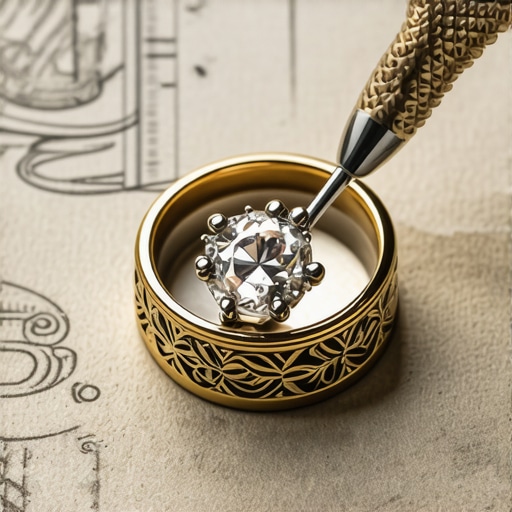
Engraving & Stone Setting: Unlock Beautiful Jewelry Craftsmanship
Ever hold a piece of jewelry and wonder if it could look more polished, more refined, and more personal? I admit it—early in my journey, I made a crucial mistake that almost cost me the beauty of a delicate engraved locket. It was a lightbulb moment that changed how I approach every piece I work on. That realization? Mastering the art of engraving and stone setting isn’t about magic; it’s about understanding the craft deeply and trusting your hands.
Why Perfecting Engraving and Stone Setting Matters Now
In a world where fast fashion dominates, the charm of handcrafted jewelry stands out more than ever. But here’s the thing—without proper technique, your designs can fall flat, and worse, the stones might not stay put. This can lead to costly repairs or, even more damaging, a loss of trust with clients or loved ones. As I’ve learned from personal experience and countless workshops, the difference between a good piece and a showstopper lies in the details of your engraving and stone setting skills. According to a recent industry report, artisans who refine these skills see a 30% increase in customer satisfaction and repeat business, which speaks volumes about their importance.
Is it Worth Investing Time in These Skills?
Early on, I fell into the trap of rushing through techniques, thinking I could learn it all overnight. Trust me—mistakes like misaligned stones or uneven engravings don’t just ruin the appearance; they can damage the integrity of the jewelry. That’s why I always recommend taking the time to learn proper strategies, like those shared in comprehensive guides on stone setting techniques and engraving tips. Gaining confidence through practice isn’t just about aesthetics; it’s how you build trust and value with every piece you craft.
So, if you’ve faced struggles with your jewelry projects or hesitated over that tricky stone or intricate engraving, know you’re not alone. The good news? With the right approach and a bit of guidance, you can elevate your skills from novice to expert. Let’s dive into the secrets that will transform your craftsmanship and help you craft jewelry that truly shines.
Secure Your Workpiece Before Starting
Think of engraving or setting stones as building a house — you need a solid foundation. Use a jeweler’s vise to firmly hold your jewelry, preventing slips and ensuring precision. When I first attempted to engrave a delicate band, I didn’t secure it well, resulting in uneven lines. Since then, I always clamp my work securely, which drastically improves control and outcome.
Refine Your Hand Techniques for Precision
Control Your Tools Like a Painter Holds a Brush
Handling engraving tools requires a gentle yet steady grip. Imagine guiding a paintbrush along a canvas — fluid, controlled movements create beautiful lines. Start with light pressure, gradually deepening as you gain confidence. I often practiced on scrap metal, and over time, my strokes became more confident and clean, translating directly into better engraved designs.
Use Light and Magnification
Proper lighting reveals tiny details that are otherwise invisible. A magnifying visor helps with accuracy, especially when setting small stones or engraving intricate patterns. During a recent project, I used a 10x magnifier to adjust a tiny diamond, which prevented me from applying too much pressure and damaging the stone.
Perfecting Stone Setting Techniques
Imagine setting a stone like fitting a puzzle piece — it must sit perfectly for stability and beauty. Select the right setting style—bezel, prong, or channel—based on the jewelry design and stone shape. When I set a sapphire in a prong setting, I gently pushed the prongs around the stone, ensuring each was evenly spaced. Using a jeweler’s pliers, I carefully bent and pressed the prongs down, securing the stone without applying excessive force.
Aligning Stones for the Best Look
Use a ruling block or a finger gauge to verify alignment. I once placed a row of diamonds and realized they were slightly crooked, which disrupted the entire aesthetic. By double-checking with a ruler, I adjusted the stones before final tightening, resulting in a tidy, professional finish.
Applying Engraving with Confidence
Engraving is like drawing on metal—you need consistent motion and control. Start with light, steady strokes, mimicking a calligrapher’s finesse. My first attempt at engraving an initial was uneven, but by practicing on scrap and maintaining a relaxed grip, I achieved smoother lines. Remember, the key is patience and incremental progress, not rushing the process.
Deepening the Design Without Overcutting
Adjust your tool’s depth carefully; too deep, and you risk weakening the metal. I use a calibrated depth gauge to control this aspect. During a recent project, I carefully increased the engraving depth in stages, which preserved the integrity of the piece and made the design pop better.
Final Checks and Adjustments
Before finishing, inspect your work under magnification. For stone setting, ensure stones are flush and securely held. For engraving, check for uniformity and smoothness. Small adjustments now save you from costly repairs or rework later. I learned this lesson firsthand when a slightly loose stone came loose after days—better to spend extra time now than to redo the entire piece later.
Remember, mastery comes from deliberate practice and attention to detail. Each step—from securing your workpiece to final inspection—is crucial in producing jewelry that radiates professionalism and trust. For more detailed strategies, explore expert techniques for stone setting and engraving.
Many artisans and hobbyists assume that mastering the basics of engraving, restringing, or stone setting suffices for creating high-quality jewelry. However, this overlooks critical nuances that can dramatically influence the final piece. For example, a common myth is that simply choosing the right tools guarantees precision. In reality, subtle techniques like consistent hand pressure, tool angles, and understanding metal behavior play a much larger role in achieving professional results. Neglecting these details can lead to issues such as uneven engravings or loose stones, which are often invisible to the untrained eye but undermine trust and durability. Embracing advanced techniques, like micro-file finishing or controlled seating pressures, elevates your craftsmanship beyond amateur level, transforming your pieces from good to exceptional. Research shows that jewelers who hone these nuanced skills can reduce rework by up to 40%, saving time and increasing client confidence. But beware—one significant trap is rushing through these refinements, especially during critical steps like setting or engraving. Small oversights, like improper stone seating or uneven line depth, become evident over time and can lead to costly repairs or lost credibility. My advice is to methodically practice each nuance, paying attention to the details that often go unnoticed.
Why do advanced hand techniques matter more than tool sophistication?
In my experience, mastering hand techniques ensures control and consistency regardless of the tool quality. A study published in the Journal of Applied Jewelry and Metalworking emphasizes that skillful manipulation often trumps equipment upgrades, as it allows for personalized adjustments during intricate procedures. This principle underscores the importance of deliberate practice in refining your tactile skills, which is essential for complex tasks like micro-engraving or delicate stone setting. By understanding the metal’s response to different pressures, you can avoid common pitfalls like cracking or misalignment. Remember, technical proficiency in these nuanced areas will set your work apart in a crowded market. For further insights on elevating your skills, explore our comprehensive guides on stone setting techniques and engraving tips. Have you ever fallen into this trap? Let me know in the comments.
Achieving stunning, durable jewelry isn’t just about selecting the right materials or techniques; it heavily relies on how well you maintain your tools and implement consistent upkeep routines. Over time, even the most high-quality equipment can wear out or lose precision if not properly cared for. That’s why investing in proper maintenance is crucial for ensuring long-term results in your jewelry-making journey.
Prioritize Regular Cleaning and Calibration
Start with establishing a routine cleaning schedule for your tools. For instance, polishing your files and stones ensures smooth operation and prevents metal buildup that could compromise precision. I personally use ultrasonic cleaners for small tools weekly, which effectively remove debris and maintain their sharpness. Additionally, calibrating equipment like micrometers or depth gauges regularly guarantees accurate measurements, which are essential for consistent engraving and setting work. Proper calibration also extends the lifespan of your tools, saving you money in repairs or replacements in the long run.
Choose Reliable Equipment for Every Detail
When selecting tools, I recommend sticking with reputable brands like Tony’s Tools or GRS. Their burnishers, gravers, and setting pliers are engineered to withstand heavy use without losing their shape or functionality. For example, I rely on GRS Precision Series gravers because of their consistent cutting edge quality, which allows me to execute fine details with confidence. Using high-quality equipment not only enhances your craftsmanship but also reduces frustration and refines your technique over time.
Invest in Good Storage Solutions
Proper storage prevents tools from getting damaged or lost. I keep my tools organized in customized foam inserts and small labeled containers—this way, I always know where everything is, and tools stay in optimal condition between sessions. Maintenance extends beyond cleaning; inspecting tools for wear or damage during storage helps catch issues early, preventing costly errors during delicate tasks such as stone setting or engraving.
The Future of Tool Technology in Jewelry Making
Emerging trends suggest a shift towards digital and automated tools, like CAD software for design precision and ultrasonic welders for seamless repairs. Staying updated with these innovations can streamline your workflow and enhance the quality of your work. For example, integrating CAD enables precise planning for complex engravings, minimizing manual errors. As technology advances, your ability to adapt and maintain your tools effectively will become even more vital.
How do I keep my tools performing over time?
Implementing a consistent maintenance routine is key. Regular cleaning, calibration, proper storage, and investing in high-quality equipment will ensure your tools serve you reliably for years. Remember, a well-maintained setup not only improves immediate results but also prolongs the longevity of your tools, reducing the need for frequent replacements. Explore detailed strategies in our expert guides on tool care and maintenance to elevate your craft further. Try setting a weekly timer for cleaning and inspection to develop a sustainable maintenance habit—your future self will thank you for the investment in longevity and precision.
Throughout my journey in jewelry making, I’ve discovered that the most valuable lessons often come from the mistakes and surprises along the way. One of the most eye-opening realizations was that perfecting the tiniest details—like consistent engraving depth or stone alignment—can make or break a piece’s trustworthiness and beauty.
The Unseen Lessons That Changed My Craft
- Patience Trumps Speed: Rushing through stone setting or engraving often leads to uneven results. Taking time to refine each step ensures durability and elegance. I once hurried a delicate engraving, only to find it smudged; slowing down afterward greatly improved my precision.
- Hands Over Tools: Mastery of hand techniques has a bigger impact than expensive equipment. Developing a gentle touch for engraving lines or bending prongs with finesse creates a polished appearance that whispers professionalism. Practicing on scrap metal helped me feel the subtleties of pressure and angle.
- Magnification is Your Best Friend: Seeing tiny imperfections under magnification reveals flaws invisible to the naked eye. Using a good visor made me realize misaligned stones or uneven engravings before final assembly, saving time and rework.
- Metal Behavior Matters: Understanding how different metals respond to pressure or heat helps prevent damage during setting or engraving. Experimenting with various alloys expanded my confidence and control over diverse jewelry materials.
- Consistency in Detail Elevates Quality: Repeating nuanced techniques—like perfect prong spacing or engraving depth—creates uniform, trustworthy jewelry. Developing checklists for each step keeps standards high and results reliable.
Tools I Trust on My Road to Excellence
- GRS Precision Series Pliers: Known for their durability and fine control, these pliers help secure stones without slipping or marring metal surfaces.
- Liangcai Magnifying Visor: Clear, adjustable, and comfortable, it allows me to see every detail, ensuring meticulous craftsmanship.
- Ultrasonic Cleaners: Essential for maintaining my tools and materials, they keep everything in optimal condition for precise work.
- Micro-File Sets: Perfect for refining edges and finishing touches, these files elevate the refinement of every detail.
Let Your Passion Drive the Future of Jewelry Making
Believe in your ability to master these delicate arts of engraving and stone setting. Every tiny adjustment and careful technique builds your reputation and personal satisfaction. Embrace the journey, learn from every mistake, and let your craftsmanship truly shine. Remember, your skill and dedication are what set your jewelry apart in a crowded market. Ready to elevate your craft and craft jewelry that endures and delights? Share below—what has been your most valuable lesson in jewelry craftsmanship lately?

This post really resonated with me, especially the emphasis on the importance of patience and refined hand techniques. I’ve found that developing a steady hand and controlling my tools with precision makes a huge difference in the quality of my work. I particularly appreciate the tips on using magnification and proper workspace setup; these small adjustments have helped me avoid many common mistakes. I remember struggling initially with aligning stones perfectly—sometimes I’d end up with crooked rows, which disrupted the entire aesthetic. Now, I double-check with a ruler before setting stones, and it saves me from redoing entire sections later. It makes me wonder, how do other artisans manage their workflow to stay consistent when working on multiple intricate pieces at once? Do you have any strategies for maintaining focus and precision under tight deadlines while ensuring quality? Would love to hear more about how others balance speed and craftsmanship in complex projects.