Restringing Jewelry: Proven Techniques to Restore Shine & Confidence
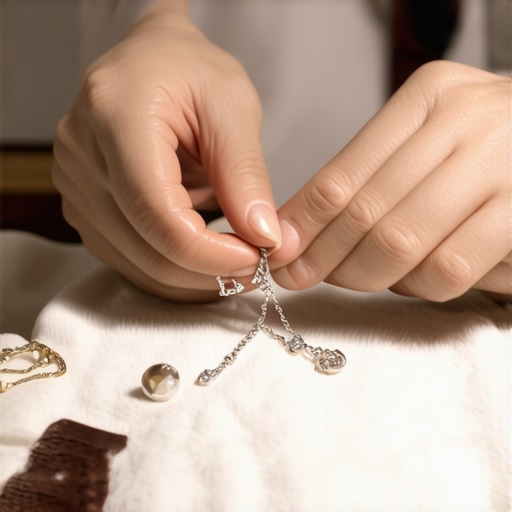
It was a moment I’ll never forget — the sparkle of my favorite necklace fading right before my eyes. I realized then that a simple broken string could threaten the confidence I had in my jewelry. For years, I’d overlooked the importance of proper restringing, thinking it was just a quick fix. But the truth is, a well-executed restringing can bring back that dazzling shine and, more importantly, boost your confidence in your treasured pieces.
Why Restoring Your Jewelry’s Shine Matters Now More Than Ever
Jewelry isn’t just about adornment; it’s about personal history, sentiment, and even identity. When a piece loses its luster or becomes damaged, it’s easy to feel a bit defeated. However, mastering professional restringing techniques can transform worn-out jewelry into stunning conversation starters. Not to mention, it saves you money and preserves the sentimental value attached to your collection.
Did you know that improper restringing can lead to further damage? Early mistakes, like using the wrong knotting technique or cheap materials, can cause more harm than good. I learned this the hard way when a poorly knotted necklace snapped during a family gathering — embarrassing and costly to fix. From my experience, understanding the nuances of quality restringing can prevent these mishaps.
The good news is, with a handful of proven strategies, you can confidently revive your jewelry. In the next sections, I’ll share how you can do this yourself or guide a professional to do it right. Ready to bring your jewelry back to life? Let’s start with the basics and build from there.
Is Restringing Jewelry Really Worth the Hype?
Absolutely! There’s a certain satisfaction that comes from restoring a cherished piece, knowing you’ve added years to its life. Plus, the right techniques enhance durability, beauty, and your trust in your jewelry’s strength. If you’ve hesitated, thinking it’s complicated or risky, you’re not alone. I too worried about making costly mistakes. But I discovered that with some guidance, anyone can master restringing — and the results speak for themselves. Want to explore some expert tips? Check out [this guide on stringing techniques](https://jewelcarecenter.com/restringing-jewelry-repair-proven-techniques-to-restore-your-pieces), which covers everything from basic knots to advanced methods.
Now that we’ve set the stage, let’s dive into the must-know techniques to give your jewelry the shine and confidence it deserves. Trust me, these tips will make you think twice before letting a precious piece sit neglected or damaged.
Securing Your Stones Like a Pro
One of the key skills in jewelry restoration is stone setting. I vividly recall attempting to reset a small sapphire myself; it felt like trying to fit a puzzle piece into the wrong slot. The trick lies in creating a secure yet delicate prong or bezel. To start, select the right-sized prongs: they should grip the stone firmly without applying excessive pressure, which could crack it. Use a fine, pointed tool to gently bend each prong over the stone’s girdle, ensuring an even hold. Practice on inexpensive pieces first — I ruined a few cheap earrings before mastering the technique. For a detailed guide, I refer to expert stone setting strategies.
#IMAGE_PLACEHOLDER_B#
Choosing the Right Stringing Materials for Longevity
When I restringed my grandmother’s necklace, I learned that material choice matters immensely. Elastic cords might seem convenient, but they wear out faster. Silk or nylon threads, on the other hand, can be knotted securely and last for decades if chosen wisely. Measure your necklace length accurately, leaving extra for knots. Use a beading needle to pass the thread through each bead smoothly. When tying knots, double each knot for security, then conceal the knot within a bead or beneath a clasp for a clean finish. For advanced techniques, check out respringing techniques.
#IMAGE_PLACEHOLDER_B#
Assessing Your Jewelry’s Value Through Expert Appraisal
Ever wondered if your jewelry holds more value than you think? I once thought my old ring was just sentimental, but an appraisal revealed a hefty gemstone worth a small fortune. To evaluate accurately, carefully examine the stone’s cut, clarity, color, and carat weight — the famous 4Cs. Professional appraisers use specialized tools like loupe microscopes and refractometers to assess authenticity and quality. Don’t rely solely on visual tests; consult an expert for a detailed report. For trusted appraisal strategies, visit appraisal methods to boost confidence in your jewelry’s true worth.
#IMAGE_PLACEHOLDER_B#
Adding Unique Touches with Expert Engraving
Engraving offers a way to personalize your jewelry and forge stronger connections. I once engraved a heartfelt message inside a locket, a process that required precision. To do this, secure your piece in a steady clamp or holder to prevent movement. Use a fine burin or engraving tool, and with gentle, steady strokes, trace your design or text. Practice on scrap metal first to control your hand. For intricate or meaningful designs, consult engraving tips that can help ensure clean results. Remember, patience and steady hand are critical for professional-looking engravings.
#IMAGE_PLACEHOLDER_B#
Many enthusiasts and even seasoned jewelers often believe they understand the nuances of stone setting, restringing, appraisal, and engraving. However, beneath these familiar techniques lie common misconceptions that can lead to costly mistakes. For instance, the myth that any elastic cord is suitable for beading can jeopardize longevity. In reality, choosing high-quality silk or nylon threads is crucial for durability, as highlighted in expert guides on respringing techniques.
A frequent oversight is assuming that all stones can be secured with the same setting method. While prong settings might seem straightforward, the back-and-forth in amateur attempts often results in loosened or damaged stones. Mastering professional techniques, such as creating precise tension with the right tools, makes a significant difference, as detailed in stone setting strategies.
Another misconception centers on appraisals. Many think that visual inspection suffices to determine authenticity and value. However, relying solely on visual cues risks overlooking internal flaws or fake stones. Utilizing specialized tools like refractometers, as advised in accurate appraisal methods, ensures precise evaluations.
Engraving is often underestimated in complexity, with many assuming that holding a steady hand is enough. The reality is that consistent depth and clean lines demand practiced technique and the right equipment. Engraving expert tips emphasize securing the piece firmly and practicing intricate strokes to prevent erasures or uneven lines, detailed in engraving tips for mastery.
Finally, a hidden nuance across all these areas is recognizing the importance of understanding material behaviors under different conditions. For example, certain adhesives or settings can weaken over time if not selected appropriately for the jewelry’s environment or usage. Being aware of these subtle factors, highlighted in advanced strategies, elevates craftsmanship and boosts confidence.
Making these concealed mistakes can be tempting to overlook, especially when self-repair or enhancement seems simple. However, a mastery of these nuanced details separates mere hobbyists from true experts. So, what common pitfalls have caught you off guard? Have you ever fallen into this trap? Let me know in the comments.
Keep It Working with Precision Tools and Smart Maintenance
Maintaining jewelry’s integrity over time requires more than just occasional cleaning; it demands investing in the right tools that ensure longevity and precision. I personally rely on high-quality jeweler’s pliers, such as _Foredom Micro Pliers_, which allow delicate adjustments without damaging prongs or settings. These pliers offer excellent control for repositioning tiny components during stone setting or tightening clasps, making them indispensable in my toolkit.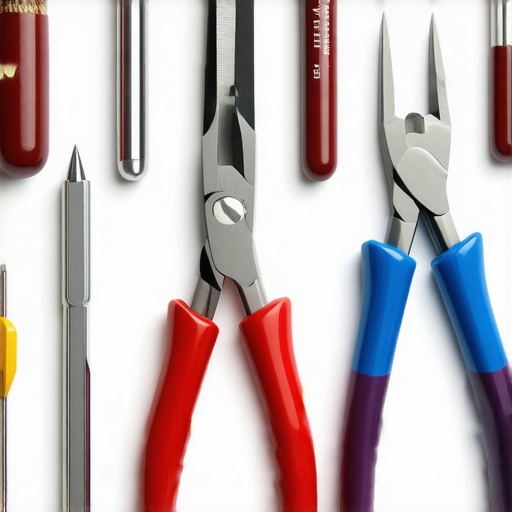
How do I maintain jewelry tools over time?
Regular maintenance of your tools is vital for consistent results. Wipe tools clean after every session with a soft cloth and lubricate joints periodically with a light machine oil to prevent rust. Sharp tools, like engraving burrs, should be honed or replaced when dull to maintain precision. Consistent care ensures your tools remain reliable, which translates directly into the quality of your work. For detailed guidance on tool maintenance, I recommend consulting expert advice available at engagement with expert tool care.
Essential Software and Techniques for Scaling Your Skills
In today’s digital age, adopting advanced software can significantly elevate your jewelry craftsmanship. Programs like _MatrixGold_ or _JewelCAD_ enable precise 3D modeling, allowing you to visualize and perfect designs before physical fabrication. I personally utilize _MatrixGold’s_ parametric design features, which let me tweak intricate details effortlessly, saving time and reducing errors. This approach is essential when scaling up production or working on complex pieces that demand exact specifications.
What future trends will influence jewelry tools and techniques?
Emerging technologies such as laser welding and 3D printing are revolutionizing jewelry repair and manufacturing. Laser tools provide clean, controlled soldering, which is critical for delicate settings, while 3D printing allows for rapid prototyping of custom components. By integrating these innovations, artisans can deliver top-tier results at an accelerated pace. To get started, consider exploring _laser welding_ options and emerging CAD software, as discussed in industry-leading publications like the latest in jewelry tech. You might try applying laser welding techniques to your next repair project for a professional finish.
The Hidden Lessons I Wish I Learned Sooner
One of my biggest lightbulb moments came when I realized that rushing resizing or setting stones often leads to damaging the piece instead of enhancing it. Patience is key. I once tried to hurriedly restring a necklace, only to realize I had used the wrong knotting technique, which caused the entire chain to come apart during a casual lunch. Now I understand that each step, from choosing materials to tightening settings, requires deliberate care. Recognizing my tendency to overlook small details taught me the importance of precision, and that genuine quality comes from respecting the intricacies of jewelry craftsmanship.
Another lesson was realizing that the myth of DIY perfection can be dangerous. While tutorials are helpful, some techniques demand professional finesse. For instance, attempting to laser-weld or re-polish without proper training can cause irreparable damage. My experience has shown that investing in learning from experts, reading detailed guides, and practicing on less expensive pieces drastically improves results—saving time, money, and preserving sentimental value.
Finally, I learned that understanding your jewelry’s material nature not only prevents mishaps but also elevates your confidence. Knowing whether a gemstone is naturally flawless or synthetically enhanced guides your approach to repairs or appraisals. This awareness empowers you to make informed decisions and trust your judgment when handling delicate pieces or negotiating value—an essential skill I wish I embraced earlier.
Tools and Resources That Transformed My Approach
My daily toolkit now includes a set of high-quality jeweler’s pliers, such as _Foredom Micro Pliers_, which offer remarkable control for tiny adjustments. These tools have become indispensable when repositioning prongs or tightening clasps; their precision prevents accidental slips that could cause damage. I’ve also found that investing in a good magnification loupe, like the _10x Optivisor_, helps me identify tiny flaws or loose settings before they worsen. For deeper learning, I highly recommend reading this comprehensive guide on stone setting—it’s packed with insider techniques that go beyond basic tutorials.
On the digital side, software like _MatrixGold_ has revolutionized my design process. It allows me to visualize complex settings and prototypes in 3D, saving time and reducing errors. Keeping up with industry trends through online courses and webinars, such as those hosted by industry-leading experts, keeps my skills sharp and my work inspired. The combination of quality tools, continuous education, and community support has transformed my craftsmanship and boosted my confidence in delivering stellar results.
