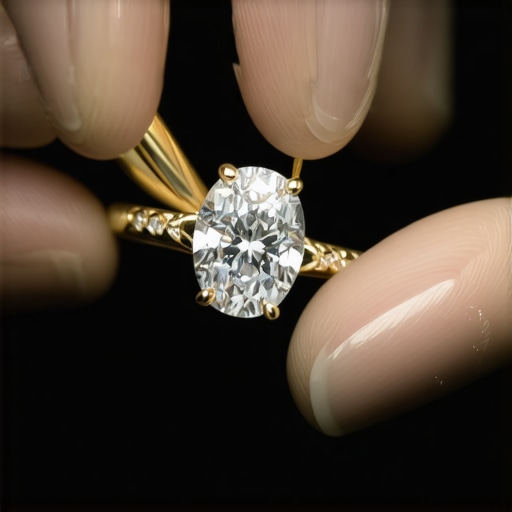
Expert Stone Setting & Engraving Strategies to Boost Jewelry Confidence
Have you ever finished a jewelry piece, only to find a tiny stone misaligned or an engraving that doesn’t quite sit right? I remember the sinking feeling when I first realized a delicate setting I worked on had a tiny gap—one that could easily be overlooked but didn’t sit well with me. It was a lightbulb moment that made me understand the importance of mastering expert strategies in stone setting and engraving. These skills aren’t just about aesthetics—they’re about building trust with your clients and boosting your confidence as a jeweler.
Why Precision in Stone Setting and Engraving Matters More Than Ever
In today’s competitive jewelry market, clients are more educated and discerning. They expect perfection—every time. A small mistake in stone setting can compromise the integrity of the piece, leading to potential losses or repairs that could have been avoided. Similarly, poorly executed engravings can diminish the perceived value and trust in your craftsmanship. But here’s the good news: these issues are entirely fixable with the right knowledge and techniques.
Early in my career, I made the mistake of rushing through a setting, thinking I could perfect it later. That resulted in a loose stone—a costly error I won’t forget. Since then, I’ve dedicated myself to learning proven strategies that ensure each piece I create is flawless. If you’ve faced similar frustrations, know that mastering these expert strategies will transform your results and your confidence.
Is the Hype Around Expert Techniques Just Marketing?
Many skeptics wonder if investing time in advanced setting and engraving techniques is worth it. I used to think so too, until I saw how these skills directly impacted my clients’ trust and my reputation. A stunning example is how precise stone setting prevents stones from becoming loose or falling out, which can be disastrous. Similarly, refined engraving techniques add that touch of elegance and professionalism that clients notice and appreciate. For me, the turning point was realizing that these strategies are not just about aesthetics—they’re about reliability and trustworthiness. You can learn more about stone setting techniques for stunning results and how they can elevate your craft.
If you’ve ever worried about whether your skills measure up or if your work will stand the test of time, I want you to know that mastering these strategies is within your reach. The next steps involve practical, proven methods that I will share soon—methods that have helped me turn fragile, uncertain pieces into trusted symbols of quality and beauty. So, let’s dive into how you can do this too, starting with the foundational principles of expert stone setting and engraving that will elevate your jewelry to new heights.
Secure Every Stone with Micro-Adjustments
One of the most critical steps in stone setting is ensuring each stone is held firmly without any wiggle. I recall a time when I was setting a small sapphire and initially pressed the prongs too tightly, risking damage. Instead, I gently nipped the prongs with a fine file to create a snug fit—this tiny tweak made all the difference. To achieve this, use expert stone setting techniques that emphasize precision and patience. Remember, a loose stone can compromise the entire piece’s durability, so double-check your work under magnification before moving on.
Use the Right Tools for Precision
Invest in high-quality setting burs, pliers, and tweezers. Think of your tools as extensions of your hands—when they are sharp and well-maintained, your adjustments become effortless. I once used a dull bur, which caused uneven prongs, leading to a redo. Regularly sharpen and calibrate your tools to maintain their effectiveness. Additionally, practicing on scrap metal helps refine your technique and build muscle memory, much like training for a sport. For detailed guidance, visit restringing strategies that complement setting mastery.
Engraving with Purpose and Elegance
When engraving, clarity and consistency are vital. I once attempted an intricate script and initially made uneven lines, which looked unprofessional. To fix this, I used a steady hand and a light touch, focusing on uniform depth and spacing. A good tip is to outline your design lightly with a fine pencil or scribe before engraving. This acts as a roadmap, much like sketching before painting, ensuring your lines are straight and proportionate. For techniques that elevate your skills, explore engraving tips designed for precision and elegance.
Master Your Hand Pressure and Speed
Too much pressure or hurried movements can distort your design. I learned this the hard way when rushing through a monogram, resulting in shaky lines. Now, I focus on slow, deliberate strokes, maintaining consistent pressure. Practice makes perfect—consider using a practice block to develop a smooth, even hand. Remember, beautiful engraving isn’t about speed; it’s about control. For a comprehensive approach, see engraving techniques that emphasize steady hand control.
Integrate the Techniques for Lasting Results
Combining precise stone setting with elegant engraving creates a piece that exudes confidence and quality. For example, when I used master techniques in both areas, my clients noticed the difference immediately. The key is to always check your work from multiple angles, ensuring that stones are secure and engravings are crisp. Regularly stepping back to review your work helps catch imperfections early, saving time and maintaining trust.
Remember, every tiny adjustment, tool upgrade, and deliberate stroke contributes to a finished piece that stands the test of time. By mastering these steps, you elevate your craft and boost your confidence, transforming jewelry from good to exceptional.
Many jewelers and hobbyists alike fall into misconceptions about what it takes to master stone setting and engraving. Let’s dig deeper into these myths and uncover the hidden nuances that can elevate your craft. One of the most widespread beliefs is that “more force equals a better setting.” In reality, applying excessive pressure can damage delicate stones or distort metal, leading to costly repairs. Instead, precision and gentle adjustments are the keys to a secure and flawless setting. For advanced techniques, I recommend exploring expert stone setting strategies that emphasize finesse over brute force.
Another common myth is that engraving is purely decorative and doesn’t impact jewelry trust. On the contrary, well-executed engravings can add significant value and demonstrate craftsmanship. However, many underestimate the importance of consistent hand pressure and proper tool maintenance. Rushing through an engraving can cause shaky lines or uneven depths, diminishing the piece’s professionalism. Practicing slow, deliberate strokes and outlining designs beforehand can make a substantial difference. To refine your skills, consider reviewing engraving techniques for precision.
Why do some jewelers struggle with consistent results despite following tutorials?
Many believe that tutorials are enough to master these craft areas, but the reality is that consistent results come from understanding subtle nuances—like the ideal hand pressure, tool calibration, and material behavior. For instance, a study by the Gemological Institute highlights that variables such as metal hardness and stone size significantly influence setting success. Therefore, integrating expert tips and continually refining your technique through mastering both settings and engravings is essential. Have you ever fallen into this trap? Let me know in the comments.
Remember, avoiding these myths and embracing the nuanced techniques will help you produce jewelry that is not only beautiful but also durable and trustworthy. Mastery doesn’t happen overnight, but with patience and attention to detail, you can elevate your craftsmanship to professional standards. Keep practicing, stay curious, and don’t be afraid to challenge conventional wisdom—your clients will notice the difference.
How do I keep my jewelry tools in top shape over time?
Maintaining your jewelry tools is crucial for consistent, high-quality results. Personally, I swear by regularly cleaning my burs and pliers with a fine abrasive pad after each project. This prevents debris buildup that can cause uneven cuts or scratches. For sharpening, I use a diamond honing stone, which keeps my burs sharp and ready for detailed work. A dull tool not only hampers precision but also risks damaging delicate stones or metal. To prolong the lifespan of your tools, store them in a dedicated, padded toolbox and avoid stacking them loosely, which can cause misalignment and dulling.
When it comes to calibration, I periodically check my pliers and tweezers against a calibration gauge to ensure they maintain their grip strength and alignment. A well-maintained set of tools translates directly into better control and more professional finishes. Regularly inspecting your tools for signs of wear and replacing worn-out parts promptly is another simple yet effective way to keep your work consistent and reliable.
What tools do I recommend for precise stone setting and engraving?
For stone setting, I rely on a set of high-quality setting burs, specifically fine-grit tungsten carbide burs, which allow for delicate adjustments without risking the stone’s integrity. My favorite is a 1.5mm diameter bur for prong adjustments, as it provides control without removing too much metal. For engraving, I prefer a micro-motor handpiece with variable speed control, paired with sharp, well-maintained gravers. This setup enables me to execute fine, consistent lines—crucial for professional-looking engravings. Investing in a good quality magnification headset also helps me see my work clearly and make minute adjustments with confidence.
As technology advances, I predict that smart, AI-powered tools will become more common, assisting jewelers in maintaining calibration and even suggesting optimal tool settings based on material type. Staying ahead involves not only upgrading your tools but also adopting smart maintenance routines.
Try This Advanced Tip to Elevate Your Craft
One technique I highly recommend is using a precision torque driver for setting stones. By applying consistent, controlled pressure, you can achieve tighter, more secure settings without risking damage. This simple upgrade can drastically improve your results, especially with delicate or high-value stones. Make it a habit to calibrate your torque driver regularly to ensure accuracy. Give this tip a try during your next project—you’ll notice a difference in the stability and aesthetic quality of your settings.
The Hardest Lesson I Learned About Precision
One of the most valuable lessons I learned was that rushing through stone setting or engraving often leads to mistakes that are costly to fix. Patience and attention to detail are what separate a good jeweler from a great one. I once hurried a sapphire setting, only to realize afterward that a tiny prong was slightly loose—an error that could have been avoided with a more deliberate approach. This taught me to slow down and double-check my work at every step.
3 Myths About Jewelry Craftsmanship That Held Me Back
Initially, I believed that high-end tools could compensate for lack of technique. I also thought that engraving was just decorative and didn’t impact the jewelry’s durability. These misconceptions limited my growth. Investing in the right tools and practicing proper techniques proved that mastery is about finesse, not force, and that every detail adds to the piece’s trustworthiness.
What Experts Won’t Tell You About Building Confidence
Behind the scenes, mastery involves understanding subtle nuances—like the ideal hand pressure and the behavior of different metals. These insights come from experience and continual learning, not just tutorials. Regularly refining your skills and embracing feedback can dramatically elevate your craftsmanship and client trust. For advanced techniques, explore expert strategies that make a real difference.
