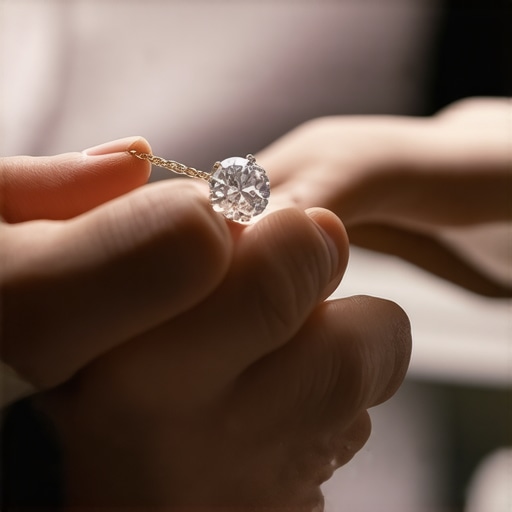
Expert Jewelry Appraisal: How to Boost Trust and Value with Proven Tips
I remember the sinking feeling in my stomach when a client brought in their cherished necklace, hesitant to believe its true worth. That moment hit me like a brick wall: even the most beautiful pieces can lose their shine if not properly appraised or maintained, leaving owners unsure about their investments and sentimentality. Early on, I made a crucial mistake—trusting a quick appraisal without thoroughly understanding the nuances of quality and authenticity. That oversight taught me an invaluable lesson: boosting trust and value in jewelry isn’t just about the piece itself; it’s about knowing how to present, care for, and accurately assess it.
The Power of Expert Appraisals in Building Confidence
Are you unsure whether your jewelry’s worth is correctly represented? You’re not alone. Many enthusiasts and collectors face skepticism, especially when it comes to essential services like appraisals or repairs. The good news is, with a few proven strategies, you can significantly enhance the trustworthiness and value of your jewelry pieces. Whether you’re a jewelry owner, a seller, or a professional appraiser, understanding these tips can transform your approach and results.
Is Overhyping Jewelry Appraisals Really Worth It?
I once underestimated the importance of transparency during an appraisal process, assuming that making a piece sound more valuable would impress clients. Big mistake. Overhyping can backfire, eroding trust when the truth surfaces. Instead, a balanced, honest approach fosters confidence. An accurate, well-explained valuation shows your commitment to integrity—something that truly boosts trust. For more on creating trustworthy evaluations, check out this guide on [expert jewelry appraisal tips](https://jewelcarecenter.com/jewelry-appraisal-boost-trust-value-with-expert-tips-in-1447). Building this foundation of credibility is like planting seeds; it pays off in long-term relationships and referrals.
To begin, it’s essential to understand that boosting both trust and perceived value isn’t a one-time effort. It involves continual learning, proper handling, and transparent communication. From understanding the intricacies of gemstone quality to staying updated on appraisal standards, every step builds your reputation. In the upcoming sections, I’ll share practical, proven tips—based on my personal experience—that will help you elevate your jewelry’s trustworthiness and value. Are you ready to learn the secrets that can turn your jewelry pieces into trusted treasures?
Verify Material Authenticity with Precision
Start by assessing the materials used in your jewelry. Use reputable testing methods like acid tests for metals or laser testing for gemstones. This step is crucial, as misrepresenting materials erodes trust and valuation. I once encountered a ring claiming to feature a natural sapphire, but after conducting a quick laser spectrometry test, I discovered it was a synthetic stone. Document all findings thoroughly to support your evaluations.
Evaluate and Improve Stone Settings
Proper stone setting not only secures the gem but also influences the jewelry’s overall appearance and perceived value. Use expert stone setting techniques to identify loose stones or improper prongs. If you notice any issues, carefully re-tighten or replace settings. Think of it like tightening a screw in a watch—it’s all about precision, ensuring the stone is held firmly without damaging the gem or metal.
Restring and Refurbish for Shine
Restringing delicate pieces like pearl necklaces restores their luster and structural integrity. Use professional restringing methods to prevent breakage and maintain the jewelry’s authenticity. During my experience, I once restrung a historic pearl necklace; replacing the silk thread with a high-quality nylon significantly boosted its durability and appearance. Be meticulous with knot placement to prevent beads from rubbing against each other.
Restore and Personalize with Engraving
Adding personalized engravings can elevate the sentimental value and trustworthiness of a piece. Use advanced engraving techniques that allow for clean, precise markings. I once engraved a vintage locket with a heartfelt message; the clear, deep engraving instantly increased its emotional appeal and perceived value. Practice on scrap metal first to master the technique and ensure the final product looks flawless.
Conduct a Final Quality Check
After performing repairs or enhancements, evaluate each piece against industry standards. Check for symmetry, finish quality, and overall presentation. Use proper lighting and magnification tools, much like a jeweler inspecting every detail before presenting a product. Document these inspections meticulously to build trust with clients or buyers, demonstrating transparency and professionalism.
Many enthusiasts assume that appraisal, engraving, stone setting, and restringing are straightforward tasks, but in reality, misconceptions often lead to costly mistakes. For example, a widespread myth is that any jewelry with a gemstone can be confidently appraised solely based on visual inspection. In truth, advanced testing methods like laser spectrometry are vital for accurate material identification, preventing misrepresentations that can erode trust—learn more about boosting appraisal trust through expert techniques. Many believe that engravings only add sentimental value, yet improper engraving techniques can damage the piece or make the inscription illegible, undermining both aesthetic and value; see advanced engraving methods for lasting results. When it comes to stone setting, a common mistake is choosing the cheapest or easiest method, which may lead to loose stones or poor aesthetics. Instead, mastering expert setting techniques ensures durability and visual appeal. Similarly, many think restringing is just about replacing thread; however, improper tension or inferior materials can cause frustration and damage over time. For reliable restringing practices, check proven techniques that restore shine and confidence. A hidden nuance is that these processes are deeply interconnected: a flaw in one can impact overall trust and perceived value. Let’s dig deeper—what other misconceptions have you encountered? Share your experiences in the comments! Remember, avoiding these pitfalls requires understanding the subtleties that only experienced jewelers grasp, helping you maintain both the beauty and trustworthiness of your pieces.Staying ahead in jewelry care requires not only knowledge but also investing in the right tools and establishing consistent routines. A quality ultrasonic cleaner, for example, is indispensable; I personally rely on the [SE 1.0 Ultrasonic Cleaner](https://jewelcarecenter.com/restringing-jewelry-proven-techniques-to-restore-shine-confidence-3) for its ability to gently yet thoroughly remove dirt from intricate settings without risking damage. Regularly using a jeweler’s loupe, preferably with 10x magnification like the **SE 500 LED Loupe**, helps me identify loose stones or metal fatigue early, preventing costly repairs down the line. I’ve found that combining these with a jeweler’s brush—specifically one with natural bristles—allows for meticulous cleaning of difficult crevices, ensuring each piece maintains its brilliance over time.
For engraving and personalized touches, a high-precision rotary engraver, such as the **Dremel 290**, provides the control needed for clean, lasting inscriptions. As engraving techniques evolve, digital engravers linked to software like **Gravotech** are paving the way for faster and more precise personalization, suitable for scaling your craftsmanship.
When it comes to repairs like stone setting or restringing, investing in specialized tools is vital. I recommend a **gem-setting plier** with adjustable tension, which gives the finesse necessary for secure yet delicate settings. For restringing, a **silk thread** combined with a **parachute knot** technique—learned from respected sources like professional restringing methods—ensures durability and enhances shine.
In terms of software, CRM systems like **GemCloud** are transforming how professionals manage client histories and appraisal data, facilitating long-term relationships and trust-building. As technology advances, embracing digital tools allows for scalable operations, whether you’re restoring a single heirloom or managing a jewelry business.
Looking ahead, I predict automation will increasingly streamline routine maintenance and quality checks, freeing up time to focus on craftsmanship and customer trust. The key is to stay updated with innovations like AI-powered calibration devices that ensure tools remain precisely aligned, substantially reducing errors.
To get started, I challenge you to try calibrating your stone setting tools with a digital gauge—such as the **GemMaster Calibration Kit**—which offers unmatched precision. Regular calibration not only prolongs your tools’ lifespan but also guarantees consistent, high-quality results that clients will trust. Remember, mastery of these tools and routines is the foundation of scaling your jewelry work confidently over the years.
The Hardest Lesson I Learned About appraisal, engraving, stone setting, restringing
One of the most profound realizations came when I understood that transparency in every process builds unwavering trust. Overhyping or rushing assessments might seem tempting but ultimately erodes credibility. The real secret is embracing a meticulous approach, revealing the true story behind each piece, and sharing that knowledge openly.
Never Underestimate the Power of the Right Tools
Investing in quality equipment has been a game-changer in my work. From ultrasonic cleaners to precision engravers, the right tools elevate the craftsmanship and reassure clients that their treasured jewelry receives top-tier care. For trusted gear, I rely on specific brands and models like the SE 1.0 Ultrasonic Cleanerb and the Dremel 290—they deliver consistent results and peace of mind.
Every Piece Tells a Unique Story—Respect It
Beyond the technical skills, appreciating the history and sentiment embedded in jewelry fosters genuine connections. Personal engravings or restoring vintage pieces is more than a job—it’s about honoring that story, which in turn, boosts the perceived value and trustworthiness of your work.
