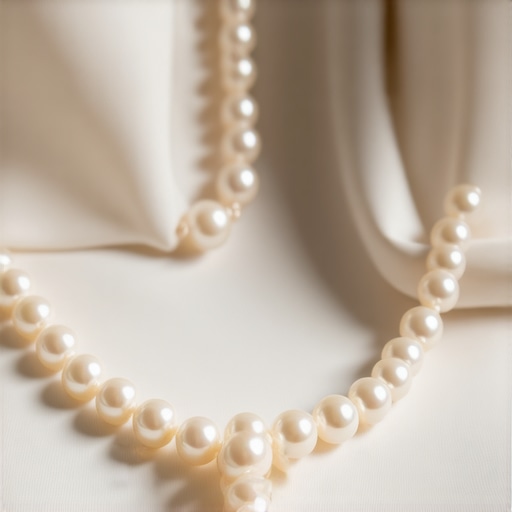
3 Signs Your Pearls Need Restringing Before They Snap
I’ll never forget the sinking feeling when one of my favorite pearl necklaces suddenly snapped right in the middle of a dinner party. That little pop still echoes in my mind. At the time, I ignored the subtle signs that my pearls were crying out for help, and now I know better. Knowing when your pearls are on the brink of failure can save you from unexpected heartbreak—and costly repairs.
Why You Can’t Ignore the Warning Signs of Badly Worn Pearls
Pearls are delicate treasures, and their strings are the backbone keeping them safe and stunning. Over time, even the most treasured pieces can start to show signs of wear. Recognizing these early signals isn’t just about saving a necklace—it’s about preserving your jewelry’s value and ensuring it stays beautiful for years to come. Remember, the moment a pearl breaks, it’s often because the string has weakened beyond repair. It’s a painful lesson I learned the hard way, but it also led me to discover some crucial signs that it’s time to restring.
Will My Pearls Break if I Don’t Restring Them?
This is the biggest concern I hear—and quite rightly so. Early on, I made the mistake of thinking a little dirt or a slight looseness didn’t matter. But neglecting those subtle signs can lead to a sudden snap. It’s advisable to inspect your pearls regularly; if you notice any of the following, it’s time to act. For more detailed advice on protecting your investment, check out these proven restringing strategies. Preventing a break means understanding what to look for before it’s too late.
Now, before we dive into the exact signs that call for restringing, I want to clarify a common misconception. Some believe that restringing is only necessary after a necklace snaps. But the truth is, catching early warning signs can save your jewelry from sudden disaster—and hefty repairs. Let’s explore how to keep your pearls safe and ensure they stay as exquisite as the day you got them.
Prepare Your Tools and Workspace
Start by gathering high-quality silk thread designed for pearl necklaces and a sturdy needle. Lay out all your tools on a clean, well-lit surface. Think of this as setting up your kitchen before cooking—organization is key to a smooth process.
Remove the Old Thread Carefully
Use small pliers to gently open the clasp if needed, then slide the pearls onto a cleaning cloth. Untie or snip the old thread with precision, avoiding any sudden pulls that could damage the pearls or break the string. I once rushed to remove the string without support, and a pearl slipped, forcing me to redo the entire work—fragile but an important lesson.
Clean and Inspect the Pearls
Before restringing, wipe each pearl with a soft cloth to remove oils and dirt. Examine the pearls for cracks or chips. If any are damaged, consider consulting a professional to assess whether they need replacement or additional safeguarding. Proper inspection prevents future breakage and keeps the necklace looking pristine.
Restring the Pearls with Care
Thread the Needle
Cut a length of silk thread about 4-6 feet, then thread it through the needle. Tie a secure knot at one end, leaving a tail of a few inches. This tail acts as a backup in case of slips during knotting—kind of like a safety harness in climbing.
Reassemble the Necklace
Lay the pearls in the sequence they appeared, ensuring even spacing. Pass the needle through each hole, tying a knot between each pearl to prevent rubbing and movement. Pull gently but firmly, similar to tightening a drawstring—too tight can damage the pearls, too loose risks a future break.
Master the Knotting Technique
Use the ‘double knot’ to secure each pearl, then trim excess thread close to the knot. I once tried a quick single knot, which unraveled within weeks. The double knot is a simple yet effective method to ensure longevity.
Create Secure Clasp and Finish
Once all pearls are strung, attach the clasp. Use a knot or a secure crimp bead, ensuring the clasp is firm. Test the tension by gentle tugging—if anything feels loose, redo the knots. Think of this as locking the door—security prevents future mishaps.
Final Inspection and Maintenance
Double-check each knot and the overall string. Clean the necklace gently with a soft cloth. Store it in a soft pouch away from direct sunlight to prevent deterioration. Regular inspection is like a proactive health check, catching issues before they escalate.
Restringing is both a craft and a precise process that safeguards your jewelry. For advanced techniques like stone setting or engraving, consult specialized guides such as these stone setting secrets or engraving tips for personalization. Remember, proper restringing not only restores your necklace’s beauty but also boosts its trustworthiness—akin to giving your jewelry a health boost for years to come.
Many enthusiasts and even seasoned jewelers believe that skills like appraisal, engraving, stone setting, and restringing are straightforward processes, but the reality is far more nuanced. A typical misconception is that appraisal is just about assigning a value, but in truth, it’s a complex assessment of authenticity, craftsmanship, and market trends—an expertise often underestimated. For instance, relying solely on calculator-based valuations risks missing subtle clues that only an experienced eye can catch, such as hidden signs of wear or understated craftsmanship details. Boost your trust in your pieces by understanding the deeper layers of appraisal, and consult reputable sources like these expert appraisal tips.
When it comes to engraving, many think of it as merely decorative, but the advanced nuances involve precision tools, material compatibility, and artistic finesse. A common mistake is assuming that all engraving methods suit every metal; for example, laser engraving works well on softer metals but can cause damage in harder ones if not applied correctly. Mastering these delicate differences ensures durability and aesthetic harmony. Read more about this in these engraving secrets for stunning results.
Why is improper stone setting a hidden trap for many jewelers?
This is where many fall into pitfalls—from choosing unsuitable prongs to neglecting the stress points that lead to eventual damage. Advanced stone setting requires understanding the material’s properties and how different techniques distribute stress across the jewelry. Poor setting not only risks losing stones but also diminishes overall trust and valuation of the piece. Strategies like micro pavé and bezel settings demand specific skills—something that can be learned through detailed guides like this comprehensive guide to stone setting. For a deeper dive into elevating your jewelry craftsmanship, exploring trusted techniques boosts reliability and aesthetic appeal.
Restringing, often underestimated, involves selecting appropriate threads, knots, and tension. A common advanced mistake is using generic silk threads without considering their thread count or elongation properties, which can lead to premature fraying or breakage. Implementing proven strategies, such as double knots and tailored tension control, greatly extends the lifespan of your jewelry—details highlighted in these restringing techniques. Remember, each factor plays a part in preserving the integrity and trustworthiness of your cherished pieces.
Making assumptions about these processes can be costly. To truly excel, embracing the complexity and avoiding oversimplification is key. Have you ever fallen into this trap? Let me know in the comments and share your experiences, so we can learn how to navigate these nuanced aspects of jewelry care together.
Keeping It Working: Tools I Recommend for Jewelry Care
Maintaining your jewelry over time requires more than just good intentions; it demands the right tools and techniques tailored to each task. I’ve found that investing in high-quality equipment not only makes the process smoother but also ensures your pieces remain trustworthy and beautiful for years to come.
One indispensable tool I rely on is a precision jeweler’s loupe with 10x magnification. This small, pocket-sized device allows me to examine clasps, knots, and stones with incredible detail, spotting potential issues before they turn into costly repairs. For instance, when inspecting a strand, I look for frayed threads or loose stones—early signs that necessitate rethreading or tightening to prevent failures. Regular inspections using a loupe can save you from unexpected breakage and keep your pieces in top condition.
Alongside the loupe, a set of fine-tipped jewelry pliers and multiple tweezers are invaluable. They provide control for delicate tasks like adjusting prongs or spacing beads without risking damage. When I perform traditional restringing, I prefer using in-line knotting tweezers, which allow precise placement of knots between pearls or beads, ensuring a neat and secure finish.
For restringing, I recommend silk threads made from high-quality, tightly-woven fibers. I prefer a silk thread with at least 0.2mm diameter because of its strength and flexibility. Using a silk thread designed for jewelry ensures longevity and compatibility with sensitive materials. Proper tension during restringing is critical; I always test the tightness by applying gentle pressure—too tight can stress the string and damage the pearls, while too loose compromises the entire structure. This attention to detail helps preserve your jewelry’s trustworthiness.
When it comes to stone setting or engraving, specialized equipment makes a significant difference. I use precision burrs and micro-drills for delicate stone setting adjustments, which I carefully select based on the metal and stone type. For engraving, a calibrated rotary tool with a variety of tips allows for intricate personalization without compromising the integrity of the piece. Investing in these tools, combined with proper training, elevates your craftsmanship and boosts confidence in your work.
Looking ahead, I predict that automation and digital tools will play an increasingly vital role in jewelry maintenance, especially in tasks like appraisals and detailed inspections. Software that analyzes wear patterns or predicts maintenance needs could soon become standard for serious enthusiasts and professionals alike.
How do I maintain jewelry tools over time?
Maintaining your tools involves regular cleaning with steam or ultrasonic cleaners, proper storage to prevent corrosion, and occasional calibration to ensure precision. For example, I routinely clean my pliers and tweezers with isopropyl alcohol to remove oils and dirt, extending their lifespan and maintaining their effectiveness. A well-maintained toolkit is essential for consistent, reliable results—so don’t neglect it.
Try incorporating these advanced tools and maintenance routines into your workflow. For example, using a high-magnification loupe regularly can uncover issues early, saving you money and maintaining trust in your jewelry. Remember, investing in quality tools and proper techniques now will pay off in the long run, keeping your pieces cherished and dependable for generations.
If you’re serious about elevating your jewelry maintenance skills, check out expert guides on stone setting techniques or refine your restringing process with proven strategies. Embrace these tools and methods to boost your confidence and ensure lasting trust in your jewelry collection.
What I Still Wish I Knew About Pearl Preservation
- One of the biggest lessons I learned was that even the slightest slack in your necklace can be a silent alarm for impending breakage. Regularly inspecting your pearls with a trusted tool like a jeweler’s loupe can reveal tiny frays or looseness before disaster strikes. It’s a simple habit that can save you from heartbreak and costly repairs.
- Another revelation was the importance of proper knotting techniques. Using the double knot method not only secures each pearl but creates a line of defense against sudden wear, giving you peace of mind. These details might seem small, but they make a significant difference in jewelry longevity.
- Lastly, I underestimated how vital a clean and organized workspace is. Keeping tools like fine tweezers and quality silk thread at hand, properly maintained, reduces mistakes and ensures every restringing session is efficient and reliable. Trust me, investing in the right tools and knowledge transforms the process from daunting to rewarding.
My Essential Arsenal for Jewelry Confidence
- A high-quality 10x magnification jeweler’s loupe is indispensable for close inspections, revealing early signs of wear that might otherwise be missed. I rely on it to check knots, clasps, and stones, helping me make informed decisions about repairs.
- Tools like fine-tipped pliers and in-line knotting tweezers have revolutionized my restringing process. They allow delicate adjustments and precise knot placement, ensuring a secure and neat finish. Proper maintenance here is crucial to keep them functioning flawlessly.
- For restringing, high-quality silk threads with a tight weave and appropriate diameter provide strength and flexibility. Pairing this with proven knotting techniques, such as double knots, helps extend the lifespan of your pearls and boosts trust in your craftsmanship.
- Advanced equipment like micro drills and calibrated rotary tools are treasures for stone setting or engraving tasks. Their precision reduces the risk of damage and elevates your jewelry’s aesthetic and structural quality.
Seize the Moment—Your Jewelry Deserves It
Taking control of jewelry maintenance, especially for delicate pieces like pearls, is more than a routine—it’s an act of love and mastery. With the right knowledge, tools, and mindset, you can ensure your treasures remain as stunning and trustworthy as the day you received them. Embrace these lessons and elevate your jewelry care today, unlocking a world where beauty and durability walk hand in hand.
What’s your biggest challenge when it comes to caring for precious jewelry? Share your story below, and let’s learn together how to keep our valuable pieces shining for years to come.
