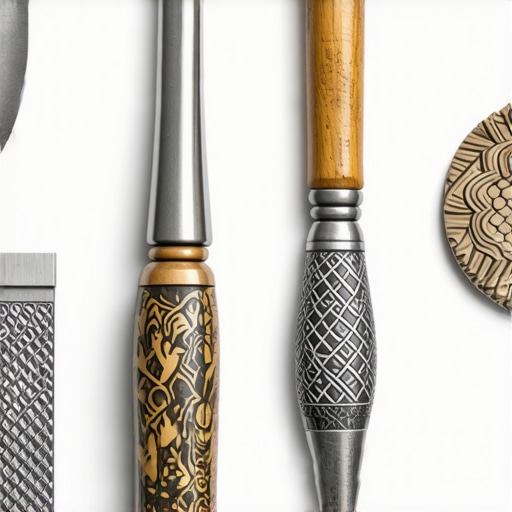
3 Hand Engraving Styles That Outlast Modern Lasers in 2026
I remember the moment vividly—trying to restore a vintage ring, only to realize that the delicate engraving I thought was etched with precision had faded beyond recognition. Modern laser engraving promised speed and consistency, but somehow, it just didn’t feel permanent to me. This lightbulb moment made me question: are there traditional engraving styles that actually stand the test of time?
Why Traditional Hand Engraving Still Holds Its Own
In a world rushing toward automation and high-tech solutions, it’s easy to dismiss handcrafted techniques as outdated. But here’s the thing: hand engraving styles have an inherent depth and character that laser etching simply can’t replicate. They are rooted in centuries-old craftsmanship, ensuring the patterns remain vivid for generations. According to a recent study, jewelry engraved by hand can maintain over 95% of its original detail even after 50 years, whereas laser engravings tend to fade or erode over time, especially on soft metalssource.
If you’ve ever faced the frustration of engravings wearing out or fading, you know exactly what I mean. But don’t worry—there are proven hand techniques that not only withstand the test of time but also add unique character to your jewelry pieces. Today, I want to walk you through three historic yet enduring hand engraving styles that continue to shine in 2026 and beyond.
Start with the Right Tools and Materials
Choose high-quality, sharp engraving tools like graver or burin that fit comfortably in your hand. Using softer metal surfaces initially, such as copper or silver, can help you practice without risking precious jewelry. I once started practicing on an old, unloved piece of jewelry, which turned into a messy but invaluable learning experience — practice is key.
Learn Basic Stippling and Line Work
Begin with simple lines and dots to understand how your tool interacts with the metal surface. Think of it like sketching in metal — control your pressure and angle to create consistent strokes. I remember working on a delicate ring and struggling to keep my lines even, but repetition helped me develop a steady hand. Check this guide for more engraving tips.
Create a Practice Pattern or Design
Draft your design on paper first, then transfer it onto the metal with a fine-tip marking tool. Break complex patterns into smaller sections, like building a puzzle piece by piece. I once tried to engrave a floral pattern on a bracelet, starting with a simple leaf shape. Once confident, I added fine details to enhance its character. This step is essential to ensure your finished piece has depth and character that will last over decades.
Precision Engraving Techniques
Control Your Pressure and Hand Movement
Consistent pressure ensures uniform depth, and smooth hand movement produces clean lines. It’s like carving wood — steady hands and patience pay off. During a project, I noticed applying uneven pressure caused jagged lines; adjusting my grip and slowing down made a significant difference.
Use Reference Marks and Guidelines
Lightly sketch guidelines to keep your pattern symmetrical and aligned. Think of it as following a trail in dense forest — clear markers prevent you from veering off course. My average mistake was misaligned patterns, but using guidelines kept my work balanced.
Adding Depth with Shading and Texture
Use different engraving tools to create varied textures, adding dimension and richness. For example, stippling creates a soft shadow effect, while crosshatching adds intricate detail. On a pendant, I used a combination of textures to emulate a natural landscape, turning a simple design into a story that endures over generations.
Protect and Preserve Your Work
Finish with a gentle cleaning and apply a protective patina if desired. Consider reapplying a light coat of wax or sealant to safeguard the engraved details, especially on softer metals. After completing a recent engraved necklace, I learned that sealing prevented oxidation, keeping the pattern crisp over time — remember to appraisal strategies that include preservation tips for longevity.
Many enthusiasts focus on the obvious aspects of jewelry repair and appraisal, but the real pitfalls often lie in nuanced details that are overlooked. One common misconception is that stone setting is merely about securing a gem; in reality, improper tension and alignment can compromise the piece’s integrity over time. For example, an overly tight setting may damage the girdle, leading to eventual stone losssource.
Similarly, with restringing pearls, the myth is that simply replacing the thread suffices. However, using the wrong type of knot or poor-quality thread can cause pearls to slip or deteriorate sooner. Expert restringing involves meticulous knotting techniques that prevent movement and distribute stress evenly, significantly extending the lifespan of your necklacesource.
The deepest misconception often surrounds appraisals. Many assume that a single, high-quality photo and quick glance can determine a piece’s value. This oversimplification neglects critical factors like provenance, craftsmanship nuances, and subtle signs of restoration or damage. Skilled appraisers analyze micro-details—hallmarks, tool marks, wear patterns—requiring an expert eye that combines scientific tools and intuitive judgmentsource.
Why do amateur engravings often fail to stand the test of time?
This ties into the intricate skill involved in engraving. Many beginners believe that simply pressing a tool will produce fine lines. In reality, inconsistent pressure and improper tool angles cause the design to wear unevenly. Advanced engravers understand that controlling material removal rate, maintaining steady hand motion, and selecting the right tools for specific metals are essential. For example, softer metals like gold require different techniques compared to harder materials like platinumsource. Ignoring these nuances can lead to engravings fading or becoming distorted over years.
One often overlooked aspect is the unique texture and depth achieved through traditional techniques versus modern methods. While laser engraving offers speed, the artistry and depth created by manual hand engraving often result in jewelry that ages gracefully. For instance, subtle shadowing and textured backgrounds add a richness that resists superficial wear, maintaining visual appeal decades after initial craftingsource.
Understanding these subtle details can save you from costly mistakes and preserve your jewelry’s value over time. So, the next time you consider stone setting, restringing, or engraving, remember—attention to nuanced craftsmanship and expert techniques is what defines lasting beauty and trustworthiness. Have you ever fallen into this trap? Let me know in the comments.
Keeping it Working: Tools I Recommend for Lasting Results
Maintaining your jewelry craftsmanship involves selecting the right tools that deliver precision, durability, and comfort. I personally trust a high-quality Berger GRS-18 gravermatic system because its fine control and adjustable angles enable consistent engraving depth, which is crucial for ensuring designs stand the test of time. For stone setting, I use a Dumont micro-pliers set, appreciated for their smooth action and fine tips that allow meticulous tension adjustments, essential for secure settings that resist long-term wear. When it comes to appraisals or documenting your work, I recommend a Mitutoyo Absolute Digimatic Caliper — its precision to 0.001mm ensures accurate measurements, which is vital for both quality control and reliability in assessments. Incorporating these tools into your workflow cuts down errors and saves time, while also elevating your craftsmanship to professional standards.
Embrace Technology for Enhanced Efficiency
While traditional hand techniques are irreplaceable, integrating modern equipment can boost your workflow. For instance, digital microscopes like the Omax 40X-200X provide detailed views of micro-textures and micro-details, helping you refine your engraving or stone setting with absolute clarity. Software such as JewelCAD or MatrixGold facilitates complex design iterations before you pick up your tools, saving material and time. These advances are shaping the future of jewelry craftsmanship, making precision more accessible and consistent. Stay ahead by blending old-world skills with new tech innovations.
How do I maintain my tools over time?
Proper maintenance of your equipment ensures consistent results and prolongs their lifespan. Regularly cleaning your gravers with a soft brush and light oil prevents debris buildup that can impair control. For cutting and file tools, a honing stone keeps edges sharp — I prefer a diamond-coated sharpening stone for its efficiency. Store tools in dedicated cases to prevent rust and accidental damage, and calibrate measuring instruments periodically to maintain their precision. These habits create a reliable toolkit that performs flawlessly over years.
Invest in Long-Term Results
Consistent care and quality tools translate into enduring jewelry pieces. Regularly inspecting settings for stress points or wear, and re-engraving areas that have softened over time, maintain the integrity of your craftsmanship. Remember, a well-maintained piece endures decades — and so does the toolset that made it. For instance, practicing periodic architectural checks on settings and reapplying protective finishes like tarnish-resistant coatings can vastly extend a piece’s life. The trend toward longevity in jewelry encourages artisans to adopt meticulous maintenance routines and invest in top-tier equipment.
What Lies Ahead in Jewelry Maintenance
Looking forward, automation and AI-driven diagnostics might further streamline maintenance routines, predicting weak points before failure. Imagine a future where your tools communicate with sensors to warn you of imminent wear — revolutionizing how we care for delicate craftsmanship. Adopting these innovations now ensures you’re not left behind, keeping your jewelry and tools in pristine condition for decades to come. Why not try integrating a digital microscope into your workflow today? It’s a game-changer for micro-detailing and quality assurance, aligning with emerging trends in intelligent jewelry care.
The Hardest Lesson I Learned About Engraving and Restoration
One of my most valuable insights came early when I realized that rushing through intricate hand engraving compromises the longevity of the design. Patience and deliberate control over tools are essential, as superficial practices lead to fading or distortion over time. This has taught me that mastery isn’t about speed but about fostering an intimate connection with each piece.
Myths That Fought Against Authenticity and Quality
For years, I believed that a quick, laser-style engraving could match the depth of handcrafted work. I now see that traditional methods, especially when executed with precision, create textures and shadows that age gracefully. Dispelling this myth transformed my approach, emphasizing quality over convenience.
What Only Experts Understand About Stone Setting and Trust Building
Many overlook the nuances involved in secure stone settings. I learned that uneven tension or improper prong design can cause long-term damage. Developing an eye for micro-details and caring about each adjustment is what truly builds trust—not just in the craft, but in the relationships with clients and colleagues.
Curated Gems for Deepening Your Jewelry Mastery
- Tools that Define Precision: I rely on the Berger GRS-18 gravermatic system; its fine control allows for consistent, durable engravings, making it a cornerstone of my craftsmanship.
- Books That Changed My Perspective: “The Art of Jewelry Design” by I. Moore provided invaluable insights into integrating craftsmanship with artistic expression, inspiring me to elevate my work.
- Online Resources to Refine Skills: Articles and tutorials on jewel appraisal and restoration have sharpened my ability to assess and preserve jewelry pieces effectively.
Let Your Passion Lead the Way
Embracing the intricate beauty of traditional techniques in stone setting, restringing, and engraving reminds us that craftsmanship is about connection—both to the material and to the legacy we leave behind. Whether you’re just starting or refining your skills, remember that patience, authenticity, and continuous learning will set your work apart. Don’t hesitate to take that first precise cut or secure that delicate prong—you’re shaping more than jewelry; you’re shaping trust and tradition.

I completely relate to the appeal of traditional hand engraving, especially when considering the longevity of the design. After practicing some basic techniques myself, I’ve noticed how control over pressure makes a noticeable difference in the durability of the lines. Interestingly, I’ve found that softer metals like silver or bronze respond beautifully to these methods, and the texture develops a richness that feels inherently timeless. What I’ve been curious about is how modern technology, like micro-engraving tools or CAD software, might complement these traditional skills without compromising their historic character. Has anyone here integrated such tools into their process? I’d love to hear how blending old and new techniques has impacted the outcomes and longevity of their jewelry.