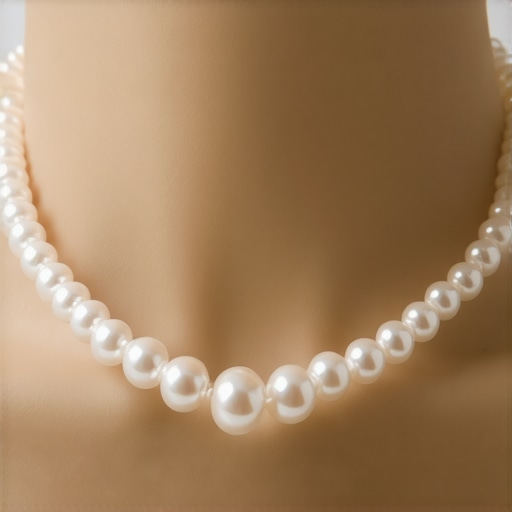
Why Most 2026 Pearl Restringing Fails Within Six Months
It was a morning just like any other, until I glanced at my favorite pearl necklace and saw a tiny, unsettling slip of a knot. My heart sank. I knew immediately—this was a sign. Pearls, delicate and treasured, shouldn’t be falling apart so soon after a restringing. That moment of realization was a lightbulb for me: I had trusted the process, but I had missed crucial details, and it cost me dearly.
The Hidden Pitfalls in Pearl Restringing
In my years of working with jewelry, I’ve noticed a frustrating pattern: most pearl restringing fails within six months. This isn’t just bad luck—it’s often due to overlooked mistakes or misunderstandings about how pearls should be cared for and restrung properly.
When I first started, I thought a simple knot was enough. I was eager to preserve my pieces, so I went straight to a popular online tutorial. The result? Frustration. The pearls loosened, and I had to redo the restringing multiple times. That experience taught me the importance of understanding the nuances—not just the basics—of effective restringing. You can learn more about effective restringing tips to get it right the first time.
Today, I want to share the secrets I’ve uncovered to help you avoid those same pitfalls. Whether you’re a seasoned jewelry lover or just beginning your collection, understanding why most restringing fails—and what you can do about it—will save you time, money, and heartbreak.
Are You Facing the Same Frustration?
If you’ve ever experienced a string snapping, a knot slipping, or your pearls losing their luster after a restring, you’re not alone. Many enthusiasts only discover how to properly care for their jewelry after costly mistakes. But the good news is, with the right knowledge, you can make your restringing last for years, not months. Let’s explore how to ensure your pearls stay secure and beautiful for the long haul.
Choose the Right Thread and Knotting Technique
Start with high-quality silk or nylon thread designed for jewelry. I learned this by trial when my first restringing attempt shed pearls within weeks. Use a doubled thread for strength, akin to weaving a sturdy rope. After threading the pearls, tie surgeons knots—carefully and snugly—to prevent slipping. I once skipped this step and faced loosened strands; now, I double-knot every time. Consider applying a drop of jewelry adhesive on knots for added security. Proper knotting preserves each pearl, preventing any rubbing that can cause scratches or breakage.
Ensure Proper Spacing and Tension
Maintain consistent spacing between pearls to avoid bunching or uneven wear. When I restrung my bracelet, I used a measuring ruler to keep uniform gaps, which resulted in a balanced look. Avoid over-tightening, which stresses the thread, or too loose, which allows movement and friction. The tension should be firm but gentle—like tightening a drawstring without choking the fabric. If the tension fluctuates during stringing, small adjustments are necessary. After completing, gently pull the strands to check for slack or tight spots, ensuring durability over time.
Select the Correct Clasp and Secure It Properly
Choosing the right clasp is crucial for security. I prefer lobster or toggle clasps for their reliability. When attaching, anchor the clasp with multiple knots or crimp beads—acting like anchors on a ship ensuring it stays put. I once neglected this and lost a precious necklace during an outing. Crimp beads can be flattened with a crimping tool for a snug fit, locking the clasp in place. Make sure the attachment points are reinforced—this is your jewelry’s first line of defense against accidental loss.
Test Your Work Before Wearing
After restringing, perform stress tests by gently tugging the strand. I made the mistake of skipping this step and faced a sudden break. Confirm that knots hold, tension is even, and the clasp functions smoothly. For additional confidence, compare your work to professional standards—such as those outlined in effective restringing tips. Re-testing ensures your jewelry will withstand daily wear, avoiding unexpected failures that can cost you dearly.
Maintain and Store Jewelry Properly
Proper storage prevents tangling and damage. Use soft pouches or individual compartments, much like organizing delicate tools to prevent scratches. I keep my pearls separated to avoid abrasive contact; this prolongs their lustrous shine. Regular cleaning with a damp cloth preserves cleanliness and luster. Remember, even the most expertly restrung jewelry benefits from careful handling and protection—think of it as an investment in longevity.
Many enthusiasts and even seasoned jewelers overlook critical details when it comes to advanced techniques such as stone setting, engraving, restringing, and appraisal. A prevalent myth is that these processes are purely technical, but in reality, they involve nuanced artistry that can dramatically affect the jewelry’s integrity and value.
For instance, in stone setting, the misconception that simple prong or bezel settings suffice fails to recognize the importance of prong flexibility and the quality of the metal used. Ignoring these can lead to premature stone loosening or loss. Experts emphasize that mastering the tension and profile of prongs requires a keen understanding of material behavior and crown height, as discussed in comprehensive setting techniques. Failing to account for thermal expansion or contraction, especially in high-humidity environments, can cause subtle shifts that compromise security.
What are the common pitfalls in engraving techniques that many overlook?
Many believe engraving is simply an artistic addition, but advanced engraving, particularly hand-engraving, involves controlling depth, line consistency, and contrast to produce durable and visually appealing designs. Improper depth can cause the metal underneath to weaken or the design to wear off faster. Laser engraving, while precise, can create surface stress if not properly monitored, leading to potential cracks over time. Choosing between hand and machine engraving requires understanding the purpose and expected wear, which many beginners underestimate.
Restringing pearls might seem straightforward, yet overlooking the nuances of thread quality and knot placement can lead to wear and breakage within months. Using low-quality silk or nylon threads affects longevity, but equally critical is knot size and placement — larger knots reduce movement and protect pearls if the strand breaks. For detailed guidance, explore effective restringing tips.
Appraisal falls into a trap when many assume it’s just a matter of using a standard formula or guessing value. However, proper appraisal demands understanding the subtle factors affecting jewelry value—history, craftsmanship, market trends, and material authenticity. Experts advocate comprehensive assessments that include microscopic inspection and historical research to accurately determine trustworthiness and value, as explained in expert appraisal insights. Skipping this step risks undervaluing or overvaluing jewelry, which can affect both trust and resale value.
Recognizing these hidden nuances distinguishes amateur work from mastery. It’s essential to go beyond surface-level techniques and appreciate the deeper craftsmanship that ensures durability, beauty, and value. For a deeper dive into each area, explore stone setting techniques or engraving and restringing tips.
Have you ever fallen into this trap? Let me know in the comments.
Maintaining your jewelry tools is just as vital as mastering their use. Investing in the right equipment not only prolongs the lifespan of your tools but also ensures precision and quality in every project. I personally favor a high-quality jewelry soldering kit that features adjustable flame control and temperature stability—these features allow me to work with delicate settings and fine engravings without risking damage. A reliable microscope, preferably with 1000x magnification, is indispensable for inspecting prong integrity, stone security, and engraving details, helping me catch issues early before they escalate. Expert setting techniques emphasize the importance of detailed inspections, which are only possible with the right magnification.
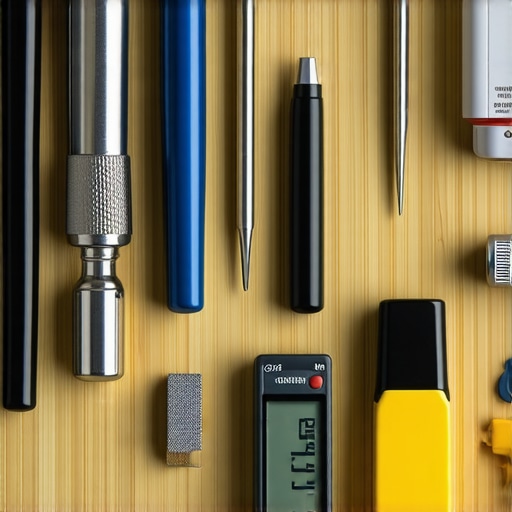
Beyond tools, software can streamline your workflow. I use Procreate for sketching jewelry designs digitally, allowing me to visualize pieces in 3D before real-world execution. For precise measurements and modifications, AutoCAD serves as my digital workshop, especially when planning complex stone placements or engravings. These tools help reduce errors and save time, vital for scaling operations or long-term projects.
How do I maintain my tools over time?
Proper maintenance begins with regular cleaning—using soft brushes and isopropyl alcohol to remove dirt and residual adhesives minimizes corrosion and wear. Storing tools in a dedicated, climate-controlled toolbox prevents rust and deformation. Periodic calibration of digital equipment like microscopes and software ensures accuracy. I also schedule annual check-ups for my soldering iron, replacing tips and recalibrating temperature settings, which helps maintain consistency and safety. Keeping tools sharp or freshly re-tipped prevents mishaps during delicate tasks like setting or engraving. Remember, well-maintained tools deliver professional results, and investing time in their upkeep is a form of craftsmanship itself.
Looking ahead, I believe the trend will continue toward more integrated digital solutions—like augmented reality overlays for engravings or laser-precision automatization. Staying updated with technological advancements, such as professional engraving techniques, can give you a competitive edge and elevate your craftsmanship.
Start today by inspecting your primary tool—perhaps your micrograver or polishing cloth—and give it a thorough clean. It’s a simple yet effective step toward flawless jewelry.
Over the years, I’ve learned that a successful journey in jewelry craftsmanship and maintenance hinges on attention to detail and a willingness to learn from mistakes. The most profound lessons often come from unexpected setbacks, such as a cherished pearl necklace suddenly losing its luster or a delicate engraved piece cracking under slight pressure. These experiences underscored the importance of mastering techniques and understanding the nuances behind each process—be it restringing, stone setting, or appraisal.
What Hidden Truths Changed My Approach Forever
- The Devil Is in the Details: I once thought skipping a double knot was harmless. It wasn’t. It led to an unexpected breakage. Vigilance in knotting and tension can make or break the longevity of your jewelry. Learning to master knot techniques, as explained in effective restringing tips, is essential.
- Material Matters More Than You Think: Using low-quality threads or metals might save money upfront but costs dearly later. Investing in reputable materials, especially for restringing or setting, ensures durability. I trust brands that prioritize high-quality silk threads—they’re the backbone of long-lasting strands.
- The Power of Proper Testing: Before wearing a newly repaired or restrung piece, stress testing can reveal unseen flaws. This simple step saved me from losing a valuable necklace during a busy day. Consider testing for tension and clasp security, drawing inspiration from proven methods to restore shine and confidence.
- Tool Maintenance Is a Game Changer: Keeping tools sharp, clean, and calibrated ensures precision in every task. My experience with regular tool upkeep—like cleaning my microscope and calibrating my soldering iron—has significantly improved my results and reduced mistakes.
- Think Beyond Basics: Techniques like advanced stone setting or engraving require understanding material stress and artistic nuances. For example, controlling prong tension or noting thermal effects can prevent failures. Deepening knowledge through resources like comprehensive setting techniques is invaluable.
Tools and Resources That Empower My Craft
- High-Quality Soldering Kits: My go-to for delicate repairs and customizations. They offer precise temperature control and safety features, making intricate work manageable.
- Magnification Devices: A 1000x microscope is non-negotiable for inspecting prongs, engraving details, and verifying stone security. It transforms guesswork into certainty.
- Design Software: AutoCAD and Procreate have revolutionized my workflow, allowing for accurate planning and visualization before execution. Dive into these to elevate your design process.
- Educational Content: I rely on courses and articles from trusted sources like foundational guides to refine my skills continuously.
Keep Your Passion Alive and Your Skills Sharp
Remember, every piece you work on is a reflection of your dedication and craftsmanship. With consistent practice, mindful material choices, and a commitment to learning, your jewelry creations can last a lifetime—possessing both beauty and trustworthiness. The journey is ongoing, but each step brings you closer to mastery. Start today by revisiting your tools and techniques, and watch your skills flourish.
What aspect of jewelry care or repair are you most eager to improve? Share your thoughts below—let’s grow together in this craft!

Reading this detailed account of restringing pearls resonated with my own experiences, especially the importance of knotting techniques. I once tried rethreading my grandmother’s vintage pearl necklace using a basic knot, thinking it would hold. Within months, the knots slipped, and I had to redo the restringing. Since then, I’ve learned that double knots and applying a tiny drop of adhesive can greatly improve longevity. It’s amazing how overlooked details, like knot size and thread quality, can make such a difference. Has anyone found a particular knotting method that works especially well for high-volume restringing projects? I’m curious to hear tips for maintaining durability while keeping the process efficient, especially for pieces with many pearls like chandeliers or layered strands.
This post really underscores how crucial proper techniques are in preventing pearl restringing failures. From my own experience, I’ve found that even small mistakes, such as uneven tension or weak knots, can drastically reduce the lifespan of a strand. What I’ve learned is that regularly testing the tension during restringing—not just at the end—can reveal issues early. Also, I personally prefer using a bead reamer or sewing needle to make sure knots are snug and consistent. Regarding knot types, I’ve had success with surgeons knots reinforced with a tiny drop of jewelry cement for high-value or frequently worn pieces. For high-volume projects, I’ve also looked into automated knotting tools, though I still favor meticulous handwork for the best control. Have others tried any tools or methods that help speed up the process without compromising quality? Would love to hear real-world tips to balance efficiency and durability.
This post hits home for me because I recently experienced a similar issue with a cherished pearl necklace after a restringing done by a local jeweler. I’ve always believed that high-quality thread and proper knotting are key, but sometimes, even with seemingly good techniques, the wear and tear begin sooner than expected. Your point about paying attention to tension and knot security is so critical. I’ve started using a small magnifying glass to inspect each knot before moving to the next—such a small step that makes a big difference. Also, I’ve found that switching to glow-in-the-dark or highly visible thread helps me spot any weakness or slack during the process. Has anyone experimented with different knot types or materials for extra security? I wonder if certain threads or knots perform better in high-humidity environments, especially if you wear your jewelry daily. Would love to hear your tips and experiences on extending the life of re-strung pearls and jewelry in general.