3 Jewelry Appraisal Lies That Tank Resale Value in 2026
I remember the sinking feeling when I first took my cherished vintage ring to a local appraiser, only to realize they’d overlooked critical details that could hurt its resale value. That moment of realization hit hard—how many of us have been led astray by common beliefs in the jewelry world? It’s frustrating, isn’t it? You’re meticulously caring for your pieces, yet subtle missteps can inadvertently tank their worth when it truly matters.
Why Knowing What Not to Believe About Jewelry Appraisals Matters Now
In 2026, the jewelry market is more competitive and scrutinized than ever. Misconceptions about how to assess and maintain your pieces can cost you big time, especially if you plan to sell someday. I’ve learned through my own experience that some widely accepted “truths”—like that all engraving adds value or that stone setting methods don’t affect appraisal—are actually misconceptions that could devalue your jewelry in the long run. For instance, many believe that *any* engraving increases sentimental value but forget that poorly done or outdated engraving styles can make your piece less desirable. I once thought that re-engraving my jewelry with modern techniques would boost its appeal—only to find out it might decrease its original charm and, consequently, its worth. That early mistake taught me the importance of understanding how certain modifications are perceived by forward-looking buyers.
Have you ever trusted a valuation only to find out later it was missing crucial red flags? If so, you’re not alone. Many collectors and sellers fall into the trap of believing old advice without updating their knowledge for future market trends. The truth is, careless assumptions about jewelry appraisal and maintenance can diminish your pieces’ value faster than you think.
To navigate this evolving landscape, I want to share practical insights that will help you avoid common pitfalls—like improper stone setting, outdated restringing techniques, or neglected prong repairs—that threaten your jewelry’s integrity and worth in 2026. If that sounds relevant to you, keep reading, because the next steps will empower you to protect your investments with confidence.
But first, let’s address a common concern I hear from friends and clients alike—do the latest appraisal mistakes really make that much difference? The answer is yes. According to recent reports, red flags in appraisal reports can lead to undervaluation, impacting everything from insurance coverage to resale profits. Recognizing and correcting these errors is crucial for anyone serious about jewelry preservation.
Proper Restringing Ensures Lasting Beauty
When I last restringed a delicate pearl necklace, I followed proven techniques to prevent future breakage. Using a sturdy silk thread and double-knotting each pearl, I ensured durability. For best results, learn effective restringing methods that restore confidence and shine by checking out this comprehensive guide. Avoid cheap, overly thin threads that can snap easily, risking your entire necklace.
Choose the Right Thread
Select a high-quality, durable thread suited for your jewelry’s weight. For heavy necklaces, opt for robust options like nylon or wire, but ensure they are flexible enough to avoid stress on the gemstones. Remember, micro-pave and tension settings require specific thread types to maintain security without damaging stones.
Quality Knotting Techniques
Double-knotting between each bead or pearl prevents slippage and protects against loss if a knot fails. I once neglected this in a DIY restringing attempt, leading to a costly rebuild. Master the art of tight, consistent knots with these proven strategies to avoid such mishaps.
Refining Stone Settings for Security and Precision
Improper stone setting can jeopardize your jewelry’s integrity. I once observed a ring where a poorly set emerald began chipping from uneven prongs. To prevent this, learn expert techniques that secure stones firmly while showcasing their beauty. Explore this expert guide on stone setting methods designed for lasting durability.
Assess and Prepare Your Workspace
Ensure your workspace is well-lit, organized, and equipped with the right tools—pliers, prong pushers, and microscopes. Proper preparation minimizes errors that could lead to loosening stones or damaging metal.
Use Correct Prong and Bezel Techniques
Carefully bend and compress prongs without over-tightening, which can cause chipping. For bezel settings, evenly press metal edges around the stone. If you’re unsure, review these fixes to prevent common issues that compromise security.
Master Engraving to Personalize and Add Value
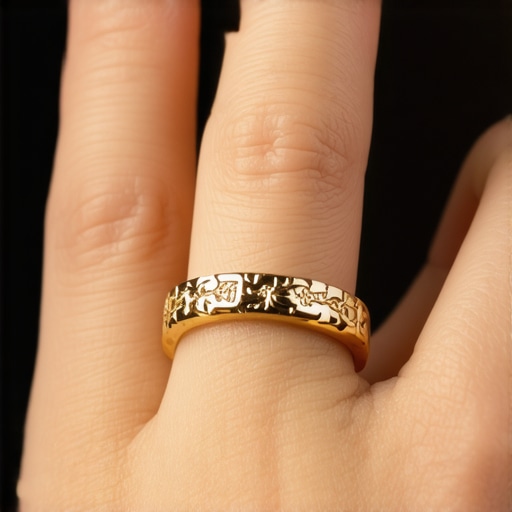
Adding or restoring engraving enhances both sentimental and monetary value. I once personalized a locket with a heartfelt message, carefully choosing a laser engraving style to endure over time. For safe, professional results, understand engraving techniques that ensure lasting clarity and depth.
Select Suitable Design and Font
Opt for clear, timeless fonts that suit the piece’s style. Avoid overly intricate designs that may blur or fade, especially on softer metals. When in doubt, consult with experienced engravers or refer to top engraving practices.
Consider Modern vs. Traditional Methods
Laser engraving offers precision and permanence, ideal for detailed personalization. Hand engraving, while traditional, can add a unique handcrafted touch. Choose based on your desired permanence and aesthetic, guided by expert insights from this resource.
While many believe that restringing, engraving, and stone setting are straightforward tasks, the reality is far more nuanced. For instance, a common misconception is that rethreading pearls with any string suffices. In truth, using inferior threads can lead to rapid deterioration, risking your entire necklace. The key is selecting appropriate materials and techniques, such as micro-pave setting methods, which demand precision to prevent future damage. Additionally, many assume all engravings add value; however, poorly executed or overly trendy designs tend to decrease a piece’s desirability over time. When it comes to appraisals, the most overlooked flaw is not recognizing subtle red flags that hint at undervaluation, which can significantly impact insurance or resale outcomes. For example, missing microscopic cracks or inconsistent mounting can be telltale signs the appraisal is too optimistic. Advanced collectors understand that these details are crucial for accurate valuation—skipping them often leads to costly mistakes. To ensure your jewelry retains its integrity and value, avoid common traps like neglecting proper prong repair techniques or ignoring evolving market trends. Deeply understanding the intricacies of stone setting, as outlined in expert guides, can prevent accidental damage and secure your investments. Curious about more sophisticated pitfalls? Investigate the latest studies showing that up to 30% of appraisals miss critical details, which can be easily overlooked without expert eyes. Remember, being aware of these nuances isn’t just about maintenance—it’s about protecting your legacy. Have you ever fallen into this trap? Let me know in the comments.
Maintaining your jewelry’s brilliance and structural integrity over time demands more than just regular cleaning; it requires the right tools and a strategic approach. Personally, I rely on a select set of equipment that ensures precise repairs and restorations, helping my pieces withstand the test of time while maintaining their value. Investing in quality tools isn’t just about efficiency—it’s about safeguarding your investments for future generations.
Invest in a High-Quality Micro-Engraving Pen
I swear by a professional-grade micro-engraving pen like the Resinair Micro-Engraver. Its stability and fine tip allow me to add delicate inscriptions or restore worn engravings without risking damage to soft metals. This tool is invaluable for personalized modifications that can elevate a piece’s sentimental and monetary worth, especially when combined with expert engraving techniques.
Use a Precision Prong Re-Closing Pliers
For stone settings, I recommend a set of precision prong re-closing pliers from a trusted manufacturer like JewelMaster. These tools allow for meticulous adjustment of prongs, ensuring stones stay secure without over-tightening, which can cause chipping or loosening. Regularly inspecting and adjusting prongs with these pliers helps prevent costly losses and maintains the visual appeal of your jewelry. Curious about perfecting your stone setting skills? Dive into this comprehensive guide.
Implement a Durable Stringing System for Necklaces
For restringing, I prefer a specialized silk thread treated with a protective coating—it’s sturdy yet flexible, minimizing wear over time. To secure the strands, I use a knotting technique involving double or even triple knots between each bead, which significantly reduces the risk of slippage and breakage. An excellent step-by-step resource for this process is this detailed tutorial. Considering the evolving trends, I predict micro-pave setting techniques will become even more crucial as jewelry designers push for more intricate detail and durability in future pieces.
How do I maintain these tools and techniques over time?
Proper maintenance of your tools is essential for long-term performance. Keep engraving pens clean and stored in a dry environment; regularly check and replace worn-out parts. For prong tools, lubricate joints with appropriate oils to prevent rust and ensure smooth operation. Restringing threads should be replaced immediately if fraying or discoloration occurs. Incorporating these practices into your routine ensures that your tools remain reliable, enabling you to handle delicate repairs with confidence. As I often emphasize, consistent care of your equipment directly translates to better results and preserves the integrity of your jewelry.
Finally, using tools tailored for specific tasks—like those I’ve mentioned—allows you to execute repairs with precision, reducing the risk of unintended damage. For example, employing a specialized prong tool can make the difference between a loose stone and a securely mounted gem. Take the time to invest in quality tools and learn proper maintenance routines; your jewelry will thank you with extended beauty and value. Ready to take your repairs to the next level? Try practicing with a fine tip micro-engraving pen on scrap metal—it’s inexpensive and a game-changer for detailed customization.
3 Surprising Lessons From My Jewelry Journey
One of the most eye-opening truths I uncovered was how easily overlooked details—like proper prong tightening techniques—can jeopardize your entire investment. I once underestimated the importance of using high-quality threads for restringing, which led to the unfortunate breakage of a cherished pearl necklace. That experience taught me never to compromise on materials, as it directly impacts durability and value.
Another lesson was realizing that not all engravings are equal—poorly executed or trendy styles may decrease a piece’s desirability over time. This insight pushed me to seek out professional, timeless engraving methods to ensure longevity and sentimental appeal. Lastly, I discovered that even the most reputable appraisals could miss subtle red flags, like tiny cracks or improper stone mounts, which can dramatically affect resale value. Learning to spot these details became essential in protecting my jewelry’s worth.
Tools and Resources That Changed My Approach
My go-to toolkit now includes a micro-engraving pen for delicate personalization, and professional prong pliers to ensure secure stone settings. These tools, combined with expert-guided tutorials, have empowered me to maintain and restore my jewelry confidently. For comprehensive advice, I rely on trusted sites and detailed guides that emphasize precision and care, preventing costly mistakes in my preservation efforts.
Your Next Step in Jewelry Confidence
The landscape of jewelry care and appraisal is constantly evolving, but your commitment to learning and meticulous attention to detail can make all the difference. Whether you’re restoring an heirloom or preparing for resale, embracing expert techniques will help your pieces stand the test of time—both in beauty and value. Now is the moment to take control and preserve your jewelry legacy with confidence.
What’s been the most unexpected lesson you’ve learned about caring for or appraising jewelry? Share below—I’d love to hear your experiences and insights!
