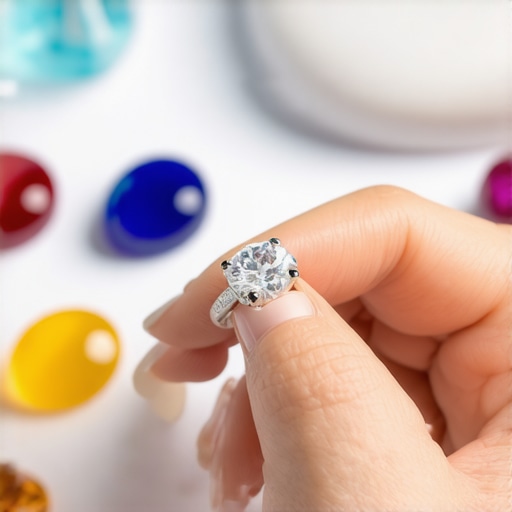
Is Your Halo Safe? 5 Stone Setting Tests to Do in 2026
It was a chilly morning when I looked down at my cherished pendant and noticed a tiny, almost imperceptible movement of the central stone. My heart sank. I realized I’d been so caught up in the beauty of the piece that I overlooked the importance of regularly checking its security. That lightbulb moment made me wonder—how many of us trust our jewelry without truly knowing if it’s still safe? The startling truth is that even expertly set stones can loosen over time, risking not just the piece’s value but also its wearer’s safety.
Why Checking Your Jewelry’s Setting Matters in 2026
In the rapidly evolving world of jewelry, our precious pieces face constant challenges—daily wear and tear, environmental factors, and even subtle shifts in craftsmanship standards. As we step into 2026, it’s more crucial than ever to ensure your jewelry remains secure and sparkling. Regularly testing your stones can prevent costly losses and keep your trust in your collection intact. I’ve learned from personal experience that neglecting these checks can lead to disastrous results, like losing a beloved diamond during a casual outing. To avoid such heart-stopping moments, I suggest adopting specific stone setting tests, which are surprisingly simple and effective.
Is Relying Solely on Appraisals Enough?
Early in my journey, I thought an annual appraisal was sufficient to gauge my jewelry’s safety—only to realize that a certificate doesn’t reveal actual loose stones or hidden damage. A key mistake I made was trusting labels over hands-on inspections. That’s why integrating hands-on tests with professional assessments is vital. Curious about how to detect real issues before they escalate? I’ll guide you through five practical tests that you can easily perform at home or with your jeweler’s help.
If this resonates with your experience or if you’ve ever faced a scare with loose gemstones, you’re not alone. Ensuring your jewelry’s security isn’t just about maintaining its beauty; it’s about protecting your investment and peace of mind. Now, let’s explore the essential tests you should perform regularly to keep your jewelry in top condition—because, after all, a beautiful piece is only as safe as its setting.
Inspect Your Settings Regularly and Systematically
Start by examining your jewelry under good lighting, using a magnifying glass if possible. Gently wiggle each stone—if it moves even slightly, it’s time for professional tightening. I once noticed a tiny shift in my grandmother’s emerald ring, which prompted me to schedule a professional check. This simple step can prevent the heartbreaking loss of a precious gemstone.
Perform At-Home Testing for Loose Stones
Check for Wiggling or Gaps
Hold the jewelry firmly and lightly tap or shake it. If you hear or feel any movement, consult a jeweler. I recall testing my pendant—though it looked perfect, I felt a loose setting. Taking swift action saved me from potential loss.
Use Dental or Thread Method to Detect Looseness
Insert a thin piece of dental floss or thread underneath the stone. Gentle tugging—similar to threading a needle—can reveal if the stone is securely held. I once used a delicate thread on a delicate sapphire and discovered a slight gap, leading to a quick repair that preserved the piece’s beauty.
Understand and Recognize Vulnerable Setting Styles
Some settings, like tension or pave, require extra attention. Familiarize yourself with common weak points by reviewing stone setting techniques. For example, prongs can bend or break, especially in active lifestyles. When I noticed my prongs bent after a weekend hike, I promptly visited my jeweler for reinforcement, protecting my investment.
Schedule Professional Inspections and Re-tightening
Engage a qualified jeweler at least once a year for a thorough checkup. Professionals can spot issues invisible to the naked eye and re-tighten settings with precision. My last appointment uncovered a slightly loose setting on my engagement ring, which was cheaply fixed through professional re-tightening techniques—a small investment for long-term security.
Maintain Proper Cleaning and Storage Habits
Keep jewelry free of debris that can hide problems. Use a soft brush and mild cleaning solution, and store pieces separately to prevent scratching or snagging. When I cleaned my jewelry with an ultrasonic cleaner, I ensured all settings were intact afterward, avoiding unseen damages. Proper care extends the life of your jewelry and reduces the need for frequent repairs.
Learn the Basics of Engraving and Restringing for Custom Touches
Adding personalized engravings can enhance sentimental value, but improper techniques may weaken the metal. Review engraving techniques for safe customization. During a recent restringing, I used proper restringing methods that preserved my pearls’ integrity while giving them a refreshed look. Always trust a professional for complex procedures to avoid damaging delicate components.
Many enthusiasts and even seasoned collectors share common misconceptions about maintaining and upgrading their jewelry. As an expert, I’ve observed that a pervasive myth is believing that regular appraisals alone guarantee your pieces’ safety and value. In practice, a certificate is merely a snapshot of your jewelry’s condition at a specific moment, not an ongoing assurance. Professional appraisals are crucial, but without hands-on inspections and understanding of the nuances, you risk overlooking loose settings or hidden damages.
Beware the Oversimplification of Stone Re-Setting
It’s tempting to think that gemstone re-stringing is just about replacing a worn cord. However, many overlook the advanced techniques required to ensure longevity and durability, especially for heavy or knotted necklaces. A common mistake is opting for quick fixes with low-quality materials, which often lead to early failures. For example, trusting synthetic threads over natural silk can cause cracks or breaks prematurely, especially in humid climates. Engaging with proper restringing techniques can dramatically extend your jewelry’s life.
What about Engraving for Lasting Impact?
Many assume that laser engraving essentially replaces traditional hand engraving, but not all engravings are created equal. Laser methods, while precise, may lack the depth and character of handcrafted styles. Moreover, improper engraving can weaken the metal, paving the way for cracks or detachment, especially in heirlooms. To avoid this, understanding best practices ensures the engraving enhances durability and beauty. Remember, a lasting engraving combines both expert technique and proper preservation—an area many overlook.
Are You Falling for These Common Myths?
One widespread myth among jewelry owners is that the value of a piece is solely determined by its appraisal value. In reality, especially in 2026, factors such as provenance, condition, and even recent restorations play significant roles. An overly high appraisal might tempt some to ignore signs of deterioration, risking loss of value over time. Studies show that misjudging these details often leads to insurance claims disputes or resale issues. Therefore, educating yourself on comprehensive evaluation techniques is vital for maintaining genuine worth.
By digging into these nuances, we move beyond surface-level maintenance towards mastery. Remember, each detail matters—be it selecting the right thread, understanding engraving depths, or interpreting appraisal reports. Have you ever fallen into this trap? Let me know in the comments, and let’s keep this jewelry conversation going!
Keeping your jewelry in top shape over time requires more than just routine inspections; it demands the right tools and a strategic approach to maintenance. As an experienced jewelry enthusiast, I rely on specific equipment and methods that ensure each piece retains its beauty and security for years to come. In this section, I’ll share the tools I personally use, explain why they’re essential, and forecast where this trend is headed in the future.
Invest in a High-Quality Loupe for Precision Inspections
A good-quality 10x jeweler’s loupe is my go-to for detailed examinations. It allows me to detect subtle prong bends, loose gem settings, or tiny cracks invisible to the naked eye. I prefer a LED-lit model, like the Loupe Master series, because the bright, adjustable illumination reveals imperfections clearly. Regularly inspecting with this lightweight device helps me catch issues early, saving time and money in the long run. As technology advances, I predict digital loupes with built-in cameras will become more affordable, offering even more detailed analysis remotely.
Use Specialized Cleaning Solutions and Ultrasonic Cleaners
Cleaning tools are vital in maintaining jewelry’s integrity. I personally trust gentle, pH-balanced cleaning solutions, such as the Connoisseurs Ultra Jewelry Cleaner, to remove debris without damaging delicate settings. For a deeper clean, I employ an ultrasonic cleaner, which vibrates at high frequencies to dislodge dirt in hard-to-reach places. Proper cleaning not only restores shine but also helps reveal hidden damages, like loose stones or metal fatigue. According to industry experts, ultrasonic cleaning combined with professional checks extends jewelry lifespan significantly.
Implement Precise Repair and Re-tightening Techniques
Re-tightening stones often requires careful use of jeweler’s screwdrivers, prong pushers, and laser welding equipment. I prefer a set of fine, non-magnetic screwdrivers for minor adjustments. When I notice a setting loosening, I perform a gentle re-tightening myself, but I always follow up with a professional for complex repairs. Laser welding, like the techniques described in the expert guide, ensures secure repairs without affecting the original design. Mastering these tools enables me to prolong the life of my collection while maintaining its value.
Learn from Experts and Future Trends
Staying ahead involves continuous learning. I recommend regularly reviewing advanced resources like stone setting techniques to refine your skills. In the coming years, automation and AI-driven diagnostics are expected to revolutionize jewelry maintenance, allowing even hobbyists to perform precise inspections and repairs. Embracing these innovations now will prepare you for effortless long-term preservation of your cherished pieces.
Why not start by testing your jewelry with a high-quality loupe today? This simple step can reveal hidden issues, helping you decide whether a professional inspection is needed. Remember, proactive maintenance not only prolongs the beauty and safety of your jewelry but also preserves its value and sentimental significance for generations to come.
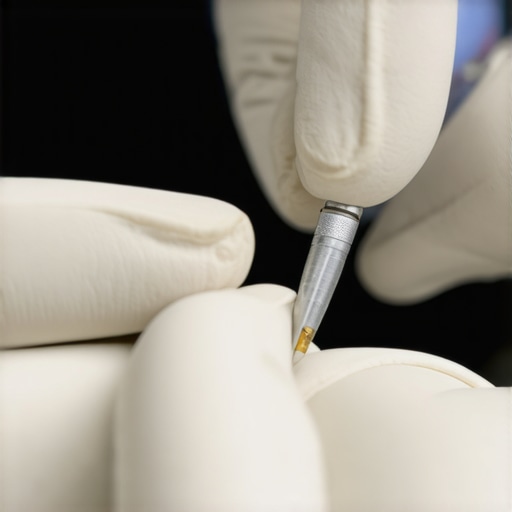
The Hidden Lessons That Changed My Jewelry Routine Forever
One of the toughest lessons I learned was that no matter how expert your setting or how reputable your appraiser, regular hands-on inspections are irreplaceable in ensuring your jewelry stays safe. I once relied solely on professional appraisals, only to discover a loose stone during a quick home check—an experience that made me realize that vigilance is a personal responsibility. Another lightbulb moment was realizing that certain setting styles, like tension or pave, demand more frequent inspection because their design naturally predisposes them to loosen over time. Trusting in fast fixes or shortcuts can backfire, risking the loss of irreplaceable sentimental and monetary value. Lastly, I learned that engaging with expert-guided techniques for restringing and engraving isn’t just about aesthetics but about securing the integrity of your jewelry for the long run. Embracing these lessons has empowered me to protect my collection proactively, and I encourage you to do the same—your treasures deserve it.
My Top Tools and Resources to Keep Your Jewelry in Peak Condition
Investing in a high-quality 10x jeweler’s loupe, like the LED-lit models I trust, provides an immediate advantage for early detection of loose settings or cracks. I also use specialized cleaning solutions and ultrasonic cleaners to maintain shine and reveal hidden damages—these tools help me catch problems before they escalate. For repairs and re-tightening, I rely on expert techniques such as laser welding, which I learned from comprehensive guides available at this resource. Additionally, I value the insights from books like those offered in the top jewelry appraisal tips guide, which deepen my understanding of how to maintain and evaluate my collection’s true worth. Combining these tools and knowledge sources has transformed my approach from reactive to truly preventive, and I recommend them to anyone serious about preserving their jewelry’s beauty and security.
Your Next Step: Empower Your Jewelry Care Journey Today
Taking charge of your jewelry’s health isn’t complicated, but it does require commitment. Whether you’re performing simple at-home tests, scheduling professional inspections, or upgrading your toolkit with a trusted loupe, every action counts toward safeguarding your investment. Remember, a well-maintained piece can bring joy for generations, and the right habits today set the foundation for future trust and confidence in your collection. So why not start this moment—test your jewelry, learn about the styles most vulnerable to loosening, and explore new techniques to enhance its longevity? Your treasures are worth the effort, and with a proactive approach, they’ll continue to shine brilliantly for years to come. What’s the first step you’re excited to take in your jewelry maintenance routine? Let me know below, and let’s keep this conversation shining.
