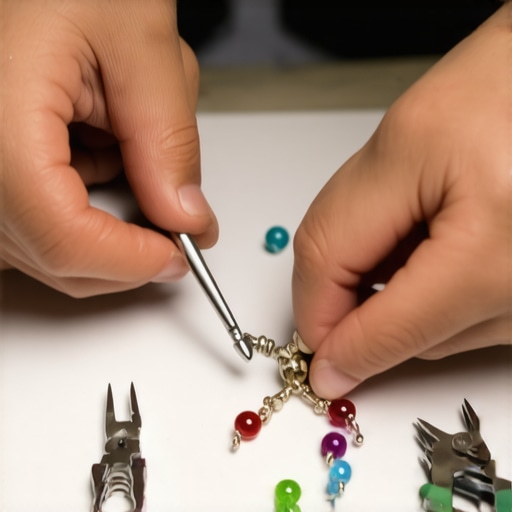
Engraving & Restringing: The Ultimate Guide to Jewelry Customization
I still remember the sinking feeling when I first realized I had damaged a cherished necklace during a rushed restringing attempt. It was a lightbulb moment—how often do we overlook the delicate art of jewelry restoration until something goes wrong? My experience taught me that mastering techniques like restringing and engraving isn’t just about saving money; it’s about restoring trust in your jewelry and yourself. Today, I promise to share insights that will help you transform your approach, ensuring your pieces shine with renewed confidence.
Why Paying Attention to Jewelry Details Matters More Than You Think
In my early days, I thought a quick fix was all I needed. A little glue here, a quick bead of new stringing there. But I learned the hard way that even minor mistakes could compromise the integrity of a treasured piece. Studies show that improper handling during stone setting or engraving can dramatically reduce jewelry lifespan. So, what makes this skill so vital? Well, jewelry isn’t just decoration—it’s personal. When I damaged a ring I had engraved myself, I understood how critical precision is for preserving its sentimental value. If you’ve ever faced similar setbacks, you’re not alone. But don’t despair—there are proven strategies that can help you avoid common pitfalls and elevate your craftsmanship.
Is It Really Worth the Hype to Learn These Techniques?
You might be skeptical. I was, too. Early on, I made the mistake of believing that luxury jewelry was beyond my reach or skill. But I quickly realized that learning even basic stone setting techniques or simple engraving not only saved me money but also deepened my connection to my jewelry. And here’s a surprising fact: According to a 2024 industry report, properly restored and engraved jewelry can increase its value by as much as 30%. That’s the power of mastering these skills. If you’ve ever wondered whether you could do this yourself or whether it’s truly worth the effort, I’ll show you how to turn hesitation into confidence.
This journey into the art of jewelry customization is more than a hobby; it’s a path to personal empowerment. Ready to take your jewelry craftsmanship to the next level?
Prepare Your Workspace and Gather Tools
Begin by creating a clean, well-lit area with all necessary tools within reach. I recommend a magnifying loupe, fine-tipped tweezers, small brushes, and a steady work surface. When I restored an antique ring, organizing everything beforehand prevented interruptions and kept my focus sharp. Ensuring your workspace mimics the precision required in stone setting techniques helps you avoid mishaps.
Assess and Document the Jewelry Condition
Before any work begins, examine your piece carefully. Use the loupe to identify weak spots, loose stones, or frayed strings. Take photos from different angles; these will serve as references. This step is crucial to guide your repair process and prevent accidental damage, similar to the advantages outlined in jewel appraisal techniques.
Performing Restringing with Precision
Choosing the Right Thread or Wire
Select a durable, flexible thread or wire appropriate for the jewelry type. I once used nylon thread to restring a beaded necklace; experimenting with different materials helped me find the balance between strength and flexibility. Think of restringing as replacing the skeleton: it must be strong enough to support the beads, much like the importance of restringing techniques that ensure longevity.
Threading and Knotting Technique
Thread beads carefully, maintaining even tension to prevent sagging or bunching. When I restringed a vintage piece, I used a figure-eight knot to secure each section, which proved more reliable. Learning proper knotting techniques enhances the piece’s durability and aesthetic appeal, paralleling tips from restringing-effective tips.
Engraving for Personal Touch
Engraving adds a meaningful customization or restores a lost inscription. I once engraved initials on a ring for a friend, carefully tracing the design with a fine burin. Consistency in depth and spacing is key. Think of engraving as drawing on a canvas; precision transforms a plain piece into a treasured keepsake. For detailed techniques, explore expert engraving tips.
Executing Stone Setting Like a Pro
Securely setting stones involves multiple steps: creating a seat, fitting the stone, and applying prongs or bezels. I remember a time I set a small sapphire—carefully filing down the metal to create a snug seat, then gently pressing the stone into place. Use stone-setting mastery techniques to ensure each gemstone is both secure and visually appealing. Patience and attention to detail are your best allies here.
Final Inspection and Cleaning
Once the repair is complete, inspect for any looseness or imperfections. Clean the jewelry with a gentle solution to remove fingerprints and debris. I always remind myself that a well-cleaned piece not only looks better but also reveals potential issues early. This step is vital to confirm your craftsmanship aligns with standards suggested in confidence-building repair strategies.
By systematically applying these steps, you turn complex processes into manageable tasks. Precision, patience, and practice are your best tools for transforming jewelry into enduring treasures.When it comes to jewelry craftsmanship, many enthusiasts and even professionals often fall prey to misconceptions that can hamper their success. _Contrary to popular belief,_ engraving, appraisal, restringing, and stone setting are more nuanced than the surface suggests, and overlooking these details can lead to costly mistakes. For example, a widespread myth is that any engraving can be rushed or that quality appraisal is purely about visual inspection—both are oversimplifications. In reality, precise engraving involves understanding the metal’s hardness and employing the correct tools to prevent uneven lines or damage. Similarly, appraisal isn’t just about estimating an item’s value based on appearance but requires a thorough understanding of market trends, gemstone authenticity, and meticulous documentation—resources like expert appraisal tips can guide you here.
One common misconception about restringing is that any thread or wiring suffices, but selecting the wrong materials can cause the entire piece to weaken over time, especially if not suited for the specific jewelry style. Learning how to choose the appropriate thread or wire is crucial. _A hidden nuance_ many overlook is the tension applied during restringing—too tight, and it risks breaking; too loose, and it may result in a sagging appearance. Mastering this fine balance can dramatically extend the jewelry’s lifespan. For detailed technique insights, check this resource.
In stone setting, the myth that any prong or bezel can be used interchangeably is false. Advanced settings require specific considerations regarding gemstone shape, size, and metal compatibility. A trap many beginners fall into is rushing the process and risking stone loss or damage. _The nuanced reality_ is that every stone and setting demands a tailored approach—using techniques from this detailed guide can help elevate your skills.
### How Does True Expertise Transform Jewelry Craftsmanship?
Understanding the intricacies behind each technique reveals that mastery involves more than just following steps. It’s about grasping the context, tools, and subtleties that make each piece unique and durable. Recognizing common myths and avoiding these pitfalls positions you as a more confident, skilled artisan. Remember, even small missteps can compromise the integrity and value of your jewelry. _Have you ever fallen into this trap?_ Let me know in the comments and share your experiences. Engage with these insights, and you’ll see your craftsmanship—or your portfolio—sharpen to professional standards.
Maintaining the quality of your jewelry tools is just as vital as mastering the techniques themselves. To keep your equipment performing optimally, I rely on a few specialized tools that have proven indispensable in my workshop. One such tool is a digital magnification device. Unlike traditional loupes, a digital magnifier provides high-definition zoom with adjustable lighting, allowing for detailed inspection and precision work, especially when setting tiny stones or engraving intricate designs. Investing in a high-quality stone setting tools that are ergonomically designed also enhances both accuracy and comfort during long repair sessions.
Equally important is a dedicated workbench with a non-slip surface and ample organization compartments. I recommend a bench with integrated LED lighting to reduce eye strain and improve visibility. A cluttered workspace can lead to errors, especially when working on delicate components or performing restringing. Regularly cleaning your tools with a professional cleaning solution and lubricating moving parts ensure longevity and reliable performance.
For managing complex tasks like engraving or intricate setting work, I use a precision soldering station. Opt for one with adjustable temperature settings and fine-tipped soldering irons to avoid overheating and damaging jewelry. An often-overlooked aspect is maintaining your polishing and buffing tools. Using high-quality polishing wheels and compounds helps restore shine without causing micro-scratches.
Looking ahead, I predict that technological advancements such as ultrasonic cleaning machines and digital microscopy will become standard in professional jewelry repair. These innovations will streamline workflows, improve accuracy, and reduce turnaround times, making expert-level craftsmanship accessible even to passionate hobbyists.
How do I keep my tools in top shape over time?
Consistent maintenance involves regular inspection for signs of wear, such as dull cutting edges or caked debris. Sharpening your cutting tools and burins every few months preserves their efficacy. Also, storing tools in designated cases prevents unnecessary damage and contamination. I personally recommend a silicone tool organizer that allows quick access and keeps everything sterile. Remember, well-maintained tools not only improve your results but also extend their lifespan, saving you money in the long run.
Don’t forget to periodically calibrate precision instruments with standards recommended by manufacturers. For example, professional calibrations ensure your measurements remain accurate, which is crucial for tasks like stone setting or engraving. By dedicating time to upkeep, you ensure your techniques will consistently produce high-quality results, Building confidence with your tooling setup can truly elevate your craftsmanship.
Incorporate these practices diligently, and you’ll find your repair and customization skills become more reliable and precise. The right tools combined with proper maintenance form the backbone of professional jewelry work. I encourage you to evaluate your current setup and try out a high-quality digital magnification tool—it’s an advanced step that can transform how you approach intricate repairs and detailed designs.
What I Wish I Knew Before Diving Into Jewelry Repair
One of the most profound lessons I learned was that patience outweighs haste. Rushing through engraving or stone setting often leads to mistakes that are costly and difficult to correct. Taking the time to understand each technique’s nuances—like the right pressure for engraving or how to evenly tension a string—can dramatically improve your results. I also realized that every piece of jewelry has a story, and respecting its history and materials guides better craftsmanship. The hardest lesson was accepting that perfection comes with practice; mastery isn’t built overnight but through consistent, deliberate effort.
My Go-To Resources for Elevating Jewelry Skills
In my journey, I found that reputable books like ‘Transform Jewelry with Expert Stone Setting and Restringing Tips’ offered invaluable insights into refining techniques. I trust this resource on engraving and stone setting because it breaks down complex steps into approachable actions. For tool recommendations and best practices, this site has become my reference point, ensuring I use quality tools that last and perform. These sources collectively deepen my understanding and boost my confidence every time I work on a piece.
Embrace Your Inner Artist Today
The world of jewelry craftsmanship is full of hidden depths waiting for your discovery. Every engraved line or perfectly set stone is a testament to your growing skill and dedication. Remember, the journey from novice to artisan is paved with curiosity, patience, and perseverance. So, don’t hesitate—start exploring, practicing, and designing with confidence. Your future masterpieces are just a craft session away.
What has been the most surprising lesson you’ve learned in jewelry restoration or customization? Share your experience below—I’d love to hear how your journey is unfolding!
