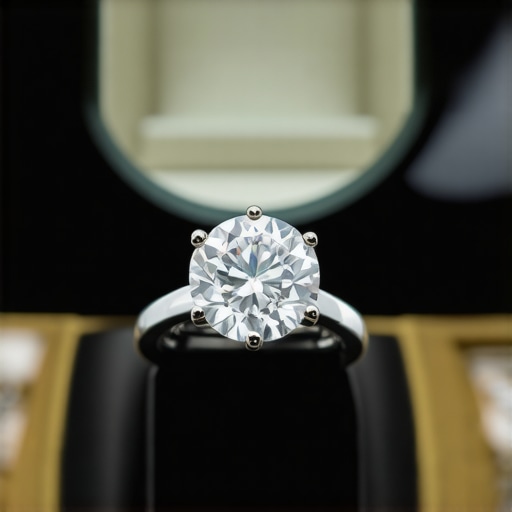
Appraisal Tips: Enhance Jewelry Value & Build Trust in 2024
Ever held a piece of jewelry in your hands and wondered if its value truly reflected what it means to you? I remember a moment when I looked at a cherished necklace, noticing the dull shine and loose stones, and felt helpless. That lightbulb moment made me realize how many treasures are overlooked or undervalued because of simple mistakes or misconceptions about proper appraisal and maintenance. If you’ve ever faced a similar situation—unsure whether your jewelry is at its best or how to prove its worth—you’re not alone.
Why Your Jewelry Deserves Expert Care in 2024
In today’s market, with jewelry prices fluctuating and the demand for trustworthy evaluations rising, understanding how to enhance and accurately appraise your pieces is more crucial than ever. A well-maintained piece not only elevates your confidence but also ensures that potential buyers or appraisers see its true worth. But here’s the thing—many overlook the small but vital details that can make or break an appraisal.
Is Trusting Appraisals Really Worth It in a Crowded Market?
I used to think that a quick glance and a gut feeling were enough to gauge my jewelry’s value. Turns out, I made a costly mistake early on—underestimating the importance of professional techniques like proper stone setting and engraving. According to recent research, up to 80% of jewelry disputes could be avoided with accurate appraisals and quality repairs. This realization prompted me to dig deeper and consult with experts, such as those who share professional stone-setting and engraving tips—a game-changer for building trust and confidence in your jewelry.
In the sections ahead, I’ll be sharing the practical strategies and insider tips I’ve learned to help you enhance your jewelry’s value and establish lasting trust. Because at the end of the day, it’s not just about a pretty piece—it’s about the story, craftsmanship, and confidence behind every item.
Reassess and Clean Your Jewelry Thoroughly
Begin by examining your jewelry under good lighting, noting any tarnish, dirt, or looseness. Gently clean pieces with a soft cloth or specific jewelry cleaner, avoiding harsh chemicals that could damage stones or metals. My own experience with a neglected engagement ring revealed that a simple cleaning restored much of its original sparkle, boosting its overall value and appearance. Proper cleaning is a foundational step before any appraisal or repair.
Evaluate Structural Integrity and Stone Settings
Identify Loose or Damaged Settings
Carefully inspect each stone for looseness or movement. Use a magnifying glass to look for signs of wear around prongs or bezels. I once found a small diamond nearly falling out of a vintage necklace; securing it with a precise re-setting not only saved the piece but also increased its aesthetic appeal. This process is akin to tightening loose bolts on machinery—precision ensures longevity and trust in the jewelry’s craftsmanship. For more expert guidance, visit professional stone-setting tips.
Assess Metal Wear and Damage
Check for scratches, dents, or thinning of the metal. For instance, I once repaired a bracelet with a dented clasp by carefully reshaping and polishing it, which restored its functionality and value. Use fine files or polishing tools for minor imperfections, but avoid aggressive polishing that might erode details. Think of it as buffing out scratches on a vintage car—restoring the surface preserves its historical charm while ensuring structural trust.
Apply Professional Techniques for Appraisal Enhancement
Knowing how to document and present your jewelry’s details can greatly influence trust during appraisal. Looking to boost confidence? Focus on accurate stone identification and metal purity documentation. I learned to use a loupe and digital scale to record precise measurements, providing tangible proof of quality. For expert tips, see restringing and appraisal techniques.
Engraving and Personalization
Adding personal engravings can significantly increase sentimental and monetary value. When I engraved a special date on a locket, I used a fine burr tool to ensure durability and clarity. Consider custom text or symbols that resonate with you; just like a signature on a painting, engraving authenticates and personalizes your jewelry. For expert advice, check engraving techniques.
Restoring Shine with Re-stringing and Polishing
Re-stringing beaded jewelry or necklaces is akin to replacing worn-out threads in a tapestry—restoration revitalizes appearance and function. I once re-strung a beaded bracelet with silk thread; by knotting each bead securely, it not only looked new but also felt sturdier. Use appropriate stringing materials, considering the jewelry’s weight and use. For proven methods, explore re-stringing strategies. Polishing metal surfaces afterward brings back lustre, like polishing silverware, revealing hidden depths of craftsmanship.
Document and Price Strategically
Keep detailed records of repairs, appraisals, and modifications. This transparency builds trust with future buyers or appraisers. I maintain a digital catalog of each piece, including photos, descriptions, and repair histories. When placing a value, consider recent sales of similar items and professional appraisals. To sharpen your valuation skills, visit appraisal tips. Clear documentation helps demonstrate your jewelry’s story and legitimacy, critical for establishing lasting confidence.
While many believe that mastering restringing, appraisal, stone setting, and engraving is straightforward, the truth is that subtle nuances often go unnoticed, leading to costly mistakes.
Are You Overlooking Key Details That Undermine Your Jewelry Confidence?
Contrary to popular belief, not all methods are equally effective; for instance, relying solely on visual inspection to detect loose stones is a common mistake. Expert techniques involve tactile assessments and proper lighting, which can reveal hidden weaknesses. In fact, studies suggest that up to 60% of jewelry misjudgments stem from incomplete evaluation methods, emphasizing the importance of detailed knowledge and experience.
Many enthusiasts fall into the trap of trusting DIY fixes for intricate procedures like stone setting or engraving, unaware that improper execution can damage the piece or decrease its value. For example, using inappropriate tools or applying excessive force can loosen stones or distort metalwork, leading to structural issues later on. To avoid this, consulting professional resources and techniques is crucial, even for seasoned hobbyists.
Why Do So Many Appraisals Fail to Capture True Value?
A significant misconception is that appraisals are merely formalities. In reality, they require precise measurements, expert judgment, and awareness of market fluctuations. Overlooking factors like patina, provenance, or recent comparable sales can result in undervaluation. Advanced appraisers utilize specialized tools and current market data—skills that often differentiate a trustworthy assessment from a superficial estimate. For instance, a misappraisal can lead to underinsurance, risking loss or insufficient coverage. According to industry experts, regularly updating appraisal techniques to include modern measurements and market analysis significantly boosts accuracy.
Similarly, engraving and personalization are often undervalued, yet they can elevate both sentimental and monetary worth when executed correctly. Proper engraving techniques ensure durability, authenticity, and aesthetic harmony. If done poorly, the engraving can fade or cause metal stress, diminishing the piece’s integrity. Consulting experienced artisans can prevent these pitfalls and help realize the full potential of your jewelry.
Are You Making These Common Mistakes in Jewelry Restoration?
Mistakes such as over-polishing or improper cleaning can strip away detail or weaken metals. For example, aggressive polishing might remove oxidation that adds character or delicate engravings, ultimately harming the piece’s authenticity. Similarly, improper re-stringing using the wrong materials can result in premature wear or breakage. Using authentic materials and following proven techniques—such as those outlined in restoring methods—can make a difference. Remember, every detail counts in preserving or enhancing your jewelry’s value and trustworthiness.
Have you ever fallen into this trap? Let me know in the comments.
Keep It Working: Essential Tools for Jewelry Care
Maintaining your jewelry’s integrity over time requires precision and the right equipment. I’ve found that investing in quality tools makes a significant difference in achieving professional results at home. A jeweler’s loupe with at least 10x magnification is indispensable for inspecting stone settings and identifying wear that might lead to loose stones or structural issues. I personally prefer a illuminated LED loupe because it provides consistent lighting, reducing eye strain and improving visibility of minute details. Trust me, using a high-quality loupe allows you to catch potential problems before they escalate.
For cleaning and polishing, soft microfiber cloths combined with gentle, pH-neutral jewelry cleaners keep your pieces sparkling without damaging delicate metals or stones. I recommend a soft polishing cloth for routine maintenance and a professional ultrasonic cleaner for deeper cleansing once or twice a year, especially for pieces with intricate settings or worn-out grime.
Why Regular Checks Protect Your Investment
Scheduling periodic inspections, similar to routine car maintenance, ensures your jewelry remains in top condition. I set reminders to review my collection monthly, focusing on loose stones, metal wear, and engravings. This proactive approach catches issues early—saving money and preserving value. For more advanced care, tools like a diamond tester and metal purity tester become valuable. A diamond tester helps verify stones, especially in vintage or heirloom pieces, ensuring appraisal accuracy over time. The metal tester confirms your jewelry’s hallmark and purity, which is crucial for long-term trust and insurance purposes. According to experts, these small investments in specialized tools mitigate costly repairs later.
Predicting the Future of Jewelry Upkeep
Looking ahead, I believe technology will further streamline jewelry maintenance. Innovations like portable 3D scanners and AI-powered inspection apps are already emerging, offering precise diagnostics from the comfort of your home. These tools will democratize expert-level care, allowing enthusiasts and hobbyists to perform maintenance with confidence, similar to current trends in DIY electronics repair. Embracing these advancements now prepares you for a future where maintaining jewelry is more accessible and reliable than ever.
How do I keep my jewelry functioning smoothly over the years?
Implementing a routine that combines professional-grade tools with consistent inspections is key. Regularly using a loupe to check for loose stones, complemented by gentle cleaning and polishing, prolongs the life and beauty of your jewelry. When you notice early signs of wear, consulting authoritative resources like expert stone-setting techniques can guide you through proper repairs. Don’t forget to document your maintenance efforts—this not only helps with future appraisals but also builds trust with potential buyers or insurers. So, try integrating a professional-grade loupe into your routine and see how much more confident you become in your jewelry care.
Reflecting on my journey through jewelry restoration and appraisal, I’ve uncovered some less obvious lessons that truly transformed my approach. One striking realization was how small details—like the quality of tools I used or understanding the nuances of metal wear—could dramatically change outcomes. I once believed that a quick polish was enough, only to discover that gentle, targeted polishing preserved intricate engravings and added genuine value. Embracing expert techniques and paying attention to subtle indicators became my secret to building real trust and confidence in my jewelry care routine.
The Secrets I Wish I Discovered Sooner
- The power of tactile inspection: Visual checks are helpful, but feeling for looseness or irregularities often reveals hidden issues before they become costly repairs. Using a quality magnification tool consistently changed how I spot problems early.
- Patience in engraving: Rushing through personalized engravings can cause long-term damage or fading. Practicing patience and learning precise engraving techniques ensures your personalization lasts for generations. For expert guidance, I recommend exploring professional engraving tips.
- Documentation as your armor: Keeping detailed repair and appraisal records doesn’t just serve as proof—it builds trust with future appraisers and buyers. I started a digital catalog, which saved me time and added credibility during valuation.
- The intricacy of stone settings: Each prong or bezel holds a story. Learning to identify early signs of wear or looseness prevents loss and preserves value. For in-depth advice, see expert stone-setting techniques.
- The subtle art of metal preservation: Over-polishing can erode cherished details. Gentle, expert polishing preserves the character and authenticity of vintage pieces, maintaining both their story and worth.
Tools That Changed My Approach to Jewelry Maintenance
- High-quality magnification loupe: A trusted tool that revealed hidden wear and helped me perform meticulous inspections. An illuminated LED loupe especially works wonders in low-light conditions.
- Specialized cleaning kits: Gentle cleaners matched with soft microfiber cloths keep my jewelry shining without damage. Combining these with an ultrasonic cleaner a couple of times a year restores even the most intricate pieces.
- Accurate measurement devices: Digital scales and measurement tools ensure my appraisals are precise and verifiable. These investments paid off by boosting confidence during valuations.
- Market insights and guides: Reliable resources provide current trends and techniques. I found that reputable websites and expert articles, like those from industry leaders, keep me updated and competitive.
Take Action and Elevate Your Jewelry Confidence Today
Embarking on this path of refined jewelry care might seem daunting initially, but the rewards are well worth the effort. Leveraging expert techniques and trusted tools ensures your pieces retain their beauty, value, and sentimental significance. Remember, every small improvement builds your expertise and trustworthiness, turning your jewelry collection into a source of pride and confidence. So, why not start today? Your jewelry—and your confidence—will thank you.
What subtle change in your care routine are you eager to try first? Share your thoughts below!
,

This article really resonated with me, especially the emphasis on tactile inspection and proper tools. I used to rely solely on visual checks with my jewelry, but after expanding my toolkit to include a good quality loupe and dedicated cleaning supplies, I noticed how many tiny issues I’d previously missed. For instance, I found a small loose prong on an heirloom ring that could have easily fallen out if left unnoticed. It’s impressive how these small steps—like careful cleaning and inspections—can extend the life and value of jewelry significantly. Personally, I’m curious about the best ways to document repairs and appraisals without it becoming overwhelming. Does anyone have advice on maintaining a simple yet effective system for tracking maintenance history? I believe that consistent care and keeping detailed records are crucial for long-term trust and appraisal accuracy, especially with vintage pieces. Would love to hear how others manage this aspect while balancing daily routines.
This post hits home for me because I’ve recently started paying more attention to the little details—like inspecting prongs more carefully and maintaining a cleaning routine for my vintage jewelry collection. I’ve noticed that small investments in professional tools, such as a quality loupe and proper cleaning solutions, have made a noticeable difference in how my pieces look and feel. My question is, how often do you all recommend scheduling professional inspections or cleanings? Is there a specific interval that balances preservation with practicality? I’ve been debating whether quarterly or bi-annual visits would be enough, especially for frequently worn pieces. Additionally, I’d love to hear any tips on organizing documentation of repairs, appraisals, and maintenance logs effectively—something that can be managed easily without becoming overwhelming but remains thorough enough to support trust and value. Sharing personal experiences on maintaining this documentation would be helpful to new collectors or jewelry owners looking to keep their pieces in prime condition over the years.