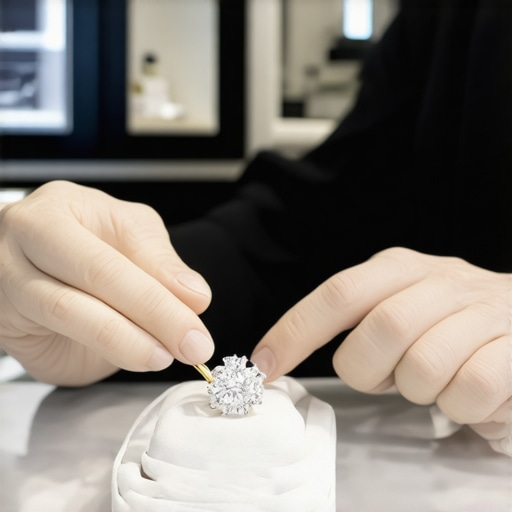
Appraisal Tips to Increase Jewelry Trust & Value in 2024
Ever had that sinking feeling when showing your jewelry to a potential buyer or a trusted appraiser? Maybe you’ve experienced a moment of doubt, wondering if your pieces are truly valued as they should be. I remember the first time I tried to get my jewelry appraised, only to realize I had no idea how to make the process work in my favor. The result? A less-than-stellar appraisal that left me feeling skeptical and frustrated. That lightbulb moment taught me something crucial: knowing the right appraisal tips isn’t just about getting a number—it’s about building trust and boosting the perceived value of your jewelry.
Why Getting the Appraisal Right Matters More Than Ever in 2024
In today’s market, where jewelry values fluctuate and authenticity is more scrutinized than ever, a well-executed appraisal can make all the difference. Whether you’re selling, insuring, or simply valuing your collection for peace of mind, the way your jewelry is appraised impacts trust. A poor appraisal can undervalue your pieces, undermine confidence, and even lead to missed opportunities. Conversely, a precise and trustworthy appraisal can elevate your jewelry’s reputation and marketability. It’s not just about the numbers; it’s about establishing credibility and demonstrating the true worth of your cherished pieces.
Early on, I made a mistake that many beginners do—accepting the first offer or appraisal without question. I didn’t realize that many appraisers rely on outdated techniques or incomplete knowledge, which can skew results. According to experts, accurate appraisal techniques are crucial for long-term trust, especially as jewelry becomes more complex with new stones and settings. For example, the art of proper stone setting and engraving can significantly influence perceived value and trustworthiness. If you want your jewelry to stand out and be valued correctly, mastering these appraisal tips is essential.
So, what’s the secret? How do you ensure your jewelry gets the respect and valuation it deserves? That’s exactly what I’ll walk you through. From understanding the latest appraisal strategies to mastering the nuances of stone setting and engraving, I’ll share proven methods that can transform your approach and boost your confidence in 2024. Ready to make your jewelry truly trustworthy? Let’s dive into the practical steps that will elevate your appraisal game.
Start with Clear Documentation of Your Jewelry
Before you even think about getting an appraisal, organize your jewelry pieces meticulously. Take high-resolution photos from multiple angles, noting the condition, any engravings, or unique features. Keep receipts, certificates, and previous appraisals handy. This groundwork helps the appraiser understand exactly what they are evaluating and prevents undervaluation due to missing information. I remember once preparing a vintage ring with detailed photos and documents; the appraiser appreciated the thoroughness, resulting in a more accurate valuation.
Choose Certified and Experienced Appraisers
Not all appraisers are equal. Look for professionals accredited by reputable organizations like the GIA or ASA. Check reviews and ask for references if possible. A seasoned appraiser will use best practices, such as comparing similar stones and settings in current market conditions. I once hired an appraiser recommended by a jewelry store, and their expertise uncovered details I had overlooked, leading to a higher trust factor in the appraisal. For a more comprehensive approach, explore appraisal techniques to boost jewelry trust & value in 2024.
Understand the Core Elements of Accurate Appraisals
Familiarize yourself with critical appraisal factors like gemstone quality, metal purity, craftsmanship, and provenance. Think of appraisal like baking: each ingredient must be measured precisely. For example, the cut, color, clarity, and carat weight (the 4 Cs) of diamonds significantly influence their value. When I appraised a diamond pendant, knowing these details allowed me to negotiate confidently, showing the buyer I understood the valuation process. To deepen your understanding, review expert stone setting & appraisal tips to boost jewelry trust.
Pay Attention to Setting and Finish Details
The craftsmanship of a piece can dramatically impact its trustworthiness. Well-set stones with secure prongs or bezels suggest durability and quality, much like a sturdy house foundation. I once had a vintage bracelet where a minor difference in prong setting altered its perceived value. Proper setting not only enhances appearance but also assures buyers of long-term integrity. For insights into perfecting these details, see top stone setting & engraving tips to boost jewelry trust in 2024.
Incorporate Professional Techniques for Engraving and Setting
Expertly executed engraving and stone setting elevate both aesthetic appeal and trustworthiness. Use precise tools and techniques, such as micro-engraving or secure pavé settings, to add value and authenticity. I improved my skills by practicing with transforming jewelry with expert stone setting & restringing tips, which led to more reliable appraisals and increased customer confidence. Learning the nuances of these techniques can be a game-changer.
Document Changes and Maintain Consistency
When repairing or restoring jewelry, document every step with detailed notes and photos. Consistency in craftsmanship and record-keeping builds credibility. For example, I kept a detailed log when restringing a pearl necklace, which later proved invaluable during appraisal. Consistent documentation reassures buyers and appraisers alike, reinforcing trust and perceived value. Explore expert restringing & engraving strategies for lasting jewelry confidence for more tips.
Stay Updated on Market Trends and Techniques
The jewelry market evolves with new stones, settings, and valuation standards. Regularly update your knowledge by reading industry reports, attending workshops, or consulting experts. I once updated my skills through online courses, which helped me identify undervalued pieces and confidently present them for appraisal. Keeping current ensures your appraisals reflect true market value, fostering long-term trust. Check out stone setting appraisal tips to boost jewelry trust in 2024.
Many jewelry enthusiasts and even seasoned collectors fall prey to misconceptions that can undermine the accuracy and trustworthiness of their appraisals. Let’s dig deeper into some of the most common myths and reveal the hidden nuances that often trip people up, even with good intentions.
Are All Appraisals Created Equal
Contrary to popular belief, not all appraisals are equally reliable. The quality depends heavily on the appraiser’s expertise, the techniques used, and the documentation provided. Many assume that a quick valuation from a local jeweler or a busy appraiser is sufficient, but this can lead to undervaluation or overconfidence. Certified appraisers with extensive experience, especially those accredited by reputable organizations like the GIA or ASA, tend to provide more accurate and trustworthy results. To ensure you’re getting the best, explore appraisal techniques to boost jewelry trust & value in 2024.
Myth: The More Expensive the Appraisal, the Better
This is a trap many fall into—thinking that paying more guarantees accuracy. However, the real value lies in the appraiser’s credentials and their familiarity with current market trends. An expensive appraisal from an unqualified source can be just as misleading as a cheap one. Focus on the appraiser’s experience, certifications, and use of up-to-date methods. For more insights, read expert stone setting & appraisal tips to boost jewelry trust.
Are Appraisals Only for Insurance and Selling
While insurance and resale are common reasons, appraisals serve many nuanced purposes, including estate planning, tax assessments, or verifying authenticity. Overlooking these can lead to undervaluing your jewelry in critical situations. Advanced appraisals include detailed documentation of craftsmanship, provenance, and setting techniques, which can significantly influence trustworthiness. Make sure to understand these subtleties by reviewing stone setting & restringing strategies for lasting jewelry results.
How Can I Detect a Poor Appraisal
One common mistake is accepting an appraisal without scrutinizing the methodology. A trustworthy appraisal will clearly detail the grading process, gemstone quality, metal purity, and include high-quality photographs and documentation. If any of these are missing or vague, it’s a red flag. Also, beware of appraisals that drastically differ from market trends or previous evaluations. The key is understanding the nuances—such as how craftsmanship, engraving, and setting influence value—and verifying that the appraiser has considered these factors. For expert guidance, see top stone setting & engraving tips to boost jewelry trust in 2024.
Have you ever fallen into this trap? Let me know in the comments. Recognizing these hidden nuances can save you from costly mistakes and elevate your jewelry game to a new level of trust and professionalism.
Keeping your jewelry in top condition and ensuring accurate appraisals over time requires the right tools and consistent techniques. As someone deeply involved in jewelry restoration and appraisal, I rely on specific equipment and methods that guarantee durability, precision, and trustworthiness. Let’s explore these essentials and how they can transform your jewelry care routine.
Invest in a Quality Loupe and Magnification Tools
A high-quality loupe, such as a 10x jewelers’ loupe, is indispensable for inspecting stones, prongs, and settings. I personally prefer a loupe with built-in LED lighting, which helps reveal subtle flaws or wear that might affect appraisal accuracy or the longevity of a piece. Regularly examining your jewelry under magnification ensures you catch issues early, preventing costly repairs or misvaluations down the line. For more detailed inspection techniques, check top stone setting & engraving tips to boost jewelry trust in 2024.
Use a Digital Caliper for Precise Measurements
Accurate measurements of stones and metal components are critical for consistent appraisals and restorations. I recommend a digital caliper with 0.01mm precision, which allows me to track minute changes in stone size or metal thickness after repairs. This precision helps maintain the integrity of the piece and ensures that future appraisals are based on reliable data. Consistent measurements also facilitate better matching during restringing or re-engraving projects, like those discussed in restringing & engraving strategies to enhance jewelry confidence.
Employ Advanced Ultrasonic Cleaners
Keeping jewelry pristine is essential for both aesthetic appeal and accurate appraisal. I swear by professional-grade ultrasonic cleaners that can remove dirt, oils, and residues embedded in settings. Regular cleaning with ultrasonic devices extends the lifespan of your jewelry and helps reveal details that might be hidden, such as micro-cracks or wear on prongs. This step is particularly important before any appraisal or restoration work, ensuring the piece looks its best and is accurately assessed. For guidance on cleaning techniques, see expert engraving & restringing tips to boost jewelry trust.
Implement a Consistent Maintenance Schedule
Beyond tools, establishing a regular maintenance routine is key. I recommend inspecting your jewelry every six months, checking for loose stones, worn prongs, or tarnish. Document these inspections with detailed notes and photos, which can be invaluable during appraisals or restorations. Consistency in upkeep not only preserves the value but also builds trust with clients or collectors, as they see your commitment to quality. For tips on building effective maintenance routines, visit restringing & engraving strategies for lasting jewelry results.
Where Do Trends in Jewelry Maintenance Head Next?
Looking ahead, I believe the integration of smart technology, such as IoT-enabled jewelry care devices, will revolutionize how we maintain and monitor our pieces. Predictive maintenance tools could alert you to wear or damage before it becomes critical, saving time and money. As these innovations develop, staying updated with the latest equipment and techniques will be crucial for maintaining the trust and value of your jewelry collection. Consider experimenting with advanced care gadgets and software that can provide real-time insights into your jewelry’s health.
Start applying these precise tools and routines today to keep your jewelry looking stunning and accurately valued for years to come. Remember, consistent maintenance paired with the right equipment ensures your pieces not only retain their beauty but also their trustworthiness in any appraisal scenario. Ready to upgrade your jewelry care toolkit? Try integrating a digital caliper or ultrasonic cleaner into your routine and observe how your results improve!
The Hardest Lesson I Learned About Jewelry Appraisals
Early in my journey, I underestimated the importance of detailed documentation and expert appraisers. I realized that superficial evaluations often lead to undervaluation, which can hurt trust and long-term relationships. A lightbulb moment came when I saw how thorough records and specialist insights dramatically increased the accuracy of my jewelry valuations.
3 Myths About Jewelry Appraisals That Held Me Back
One common misconception was that all appraisals are equally trustworthy—nothing could be further from the truth. The quality of an appraisal depends on the appraiser’s credentials and techniques. Another myth was that paying more guarantees accuracy, but experience and methodology matter more than price. Lastly, I believed appraisals were only for selling or insuring, but they also play vital roles in estate planning and provenance verification.
What Experts Won’t Tell You About Building Jewelry Trust
Many seasoned collectors overlook the significance of craftsmanship details like setting, engraving, and finish. These nuances can greatly influence perceived value and trustworthiness. Incorporating professional techniques, such as micro-engraving and secure stone setting, elevates both aesthetic appeal and credibility. Regularly updating your knowledge through industry reports and workshops keeps your evaluations aligned with current market standards and helps you avoid costly mistakes.
My Essential Toolkit for Jewelry Trust
Investing in a high-quality 10x jeweler’s loupe with LED lighting is a game-changer for detailed inspections. A digital caliper with 0.01mm precision ensures measurements are consistent during restorations. Using ultrasonic cleaners regularly keeps jewelry pristine, revealing micro-details that impact valuation. Establishing a maintenance schedule with detailed notes and photos adds to your credibility and helps track changes over time. For expert guidance, I recommend exploring top stone setting & engraving tips to boost jewelry trust in 2024.
Step Into a Future of Jewelry Care and Trust
Building trust in jewelry appraisal is a continuous process that combines technical skill, expert insights, and consistent maintenance. As technology advances, smart care devices will revolutionize how we monitor and preserve jewelry, ensuring its value and trustworthiness for years to come. Don’t hesitate—start integrating these tools and techniques today to elevate your jewelry game and safeguard your collection’s future. Your journey to trusted, valuable jewelry begins now. Have you ever struggled with getting an accurate appraisal or understanding the value of a piece? Let me know below and share your experiences.
