Engraving & Personalization: Create Unique Jewelry in 2024
Ever spent hours perfecting a jewelry piece only to realize the engraving is slightly off or the stone setting feels flimsy? I’ve been there—frustrated, discouraged, and wondering if my efforts were doomed from the start. I remember a moment when a delicate engraving on a necklace was almost ruined because I rushed the process. It was a lightbulb moment: I needed better techniques, more confidence, and a deeper understanding of each step involved in creating truly unique jewelry in 2024.
Why Your Jewelry Deserves More Than Ordinary
Today, personal jewelry isn’t just about style—it’s about making a statement, sharing memories, and expressing your identity. But here’s the truth: a lot of DIY and even professional pieces fall short because of overlooked details like improper stone setting or generic engravings. As jewelry expert JewelCare Center highlights, mastering techniques like stone setting and precision engraving can dramatically elevate your work, turning simple pieces into cherished heirlooms. If you’ve ever felt that your jewelry doesn’t live up to your expectations, don’t worry—we’re here to change that. In this post, I’ll share the secrets that helped me enhance my craftsmanship, one confident step at a time.
Is it Really Worth the Effort to Invest in Expert Techniques?
Absolutely. Early in my journey, I made the mistake of neglecting proper appraisal or rushing through setting stones—things that seem minor but can compromise the entire piece. These errors not only diminish beauty but also trust in your work. After learning proper strategies, like those discussed in appraisal and engraving tips, I saw immediate improvements in durability and aesthetic appeal. Trust me, investing time in learning expert methods pays off—not just in the quality of your jewelry but in the confidence you develop as a creator. Ready to dive into techniques that truly make a difference? Let’s explore the step-by-step approaches that will elevate your jewelry game in 2024.
Secure and Perfect Your Stones
Begin with a clean workspace and wear magnification—it’s like having a microscope for your jewelry. To set a stone securely, use a three-prong technique: gently bend two prongs to hold the stone, then carefully tighten the third with precision pliers. Once in place, gently press the prongs around the stone, maintaining even pressure. I once accidentally bent a prong too much, causing the stone to sit unevenly; this taught me the importance of delicate, deliberate movements. For complex settings, consider practicing on scrap metal to build confidence. If you’re looking for expert insights on stone setting, visit this guide to refine your skills.
Sharpen Your Engraving Technique
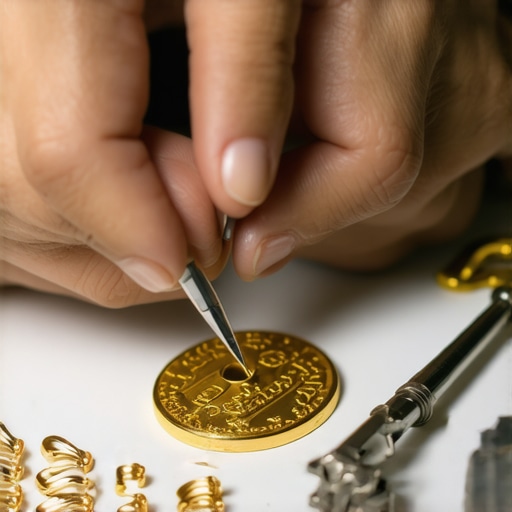
Engraving is like carving a miniature sculpture; consistency is key. Clamp your piece securely to prevent any movement. Use a sharp bur or sharp-pointed rotary tool, and start with light, steady strokes. Think of yourself as drawing fine lines—control is everything. During my first attempts, I struggled with uneven lines, but slow, deliberate passes improved my precision dramatically. To add depth, vary your pressure—light for delicate lines, firm for bold ones. Remember, practice makes perfect: practice on cheaper metals before working on cherished pieces. For expert tips on engraving, check out this resource.
Evaluate and Restore Your Pieces
Before they can tell a story, your jewelry needs a trustworthy appraisal. Use a jeweler’s loupe or microscope to check for loose stones, worn prongs, or cracks. When I inspected a reclaimed necklace, I noticed a tiny crack in the clasp—fixing it revitalized the piece. If restoration is needed, re-stringing can be straightforward or complex, depending on the damage. Remove old or frayed cords carefully, then select a durable, matching material. To strengthen your stringing skills, review this guide for proven techniques. Remember, precise measurement and knotting secure the integrity of your jewelry, ensuring it lasts for generations.
When it comes to stone setting, many seasoned artisans believe that mastering basic techniques suffices. However, I’ve found that even experts often overlook subtle factors like the impact of metal hardness or prong thickness, which can significantly influence durability and appearance. A common myth is that a perfectly aligned stone indicates a flawless setting—yet, without considering the tension and material stress, the setting can weaken over time. For instance, studies in materials science suggest that micro-movements caused by thermal expansion can loosen settings, especially in variable climates. Therefore, investing in advanced techniques that account for material behavior is crucial for ensuring lasting confidence.
Transitioning to engraving, a mistake I commonly see is relying solely on sharp tools without considering the depth and line weight. Enthusiasts often think that more pressure yields bolder lines, but in reality, this causes uneven surfaces and diminishes craftsmanship. A top-tier engraver understands the importance of consistent tool pressure and subtle lateral movements. Interestingly, research in fine craftsmanship notes that controlled, deliberate strokes improve precision more than brute force—so slow practice on scrap metal becomes your best ally. Refining your technique here can elevate the entire piece.
Advanced Insight: How Does Metal Composition Affect Setting Stability?
This is a question often reserved for experts, but understanding it prevents costly mistakes. Different metals respond uniquely under stress; for example, platinum’s high density offers excellent support but is prone to work-hardening, which can lead to cracking if not carefully annealed. Conversely, softer gold alloys may deform under pressure, causing stones to loosen. Recognizing these nuances allows you to choose the optimal metal for each setting, and preemptively prevent failures. A detailed analysis from jewelry experts reveals that understanding metal properties is foundational to building confidence in your craftsmanship.
Moving over to appraisal and restringing, many mistake haste for efficiency. Rushing through appraisal inspections risks missing minute cracks or pinhole-sized fissures that could compromise a piece’s integrity. In restringing, the trap is neglecting proper tension; too tight, and the string can cut into the metal, leading to premature wear, or too loose, and the piece loses its security. Recognizing these subtleties can make the difference between a piece that lasts decades and one that needs frequent repair. As detailed in restoring techniques, meticulous attention to detail ensures your work stands the test of time.
In summary, even experienced jewelers can fall prey to overlooked nuances in stone setting, engraving, appraisal, and restringing. The key is to move beyond basic techniques and embrace a deeper understanding of material behaviors, precision, and subtle craftsmanship details. While it might seem insignificant at first glance, these hidden factors can significantly elevate your work’s durability and aesthetic appeal. Have you ever fallen into this trap? Let me know in the comments.
Keeping your jewelry in top condition requires more than just occasional cleaning; it demands the right tools, disciplined maintenance routines, and a keen eye for detail. Investing in quality equipment can dramatically extend the life of your pieces and ensure their beauty remains intact for generations.
Essential Tools for Consistent Results
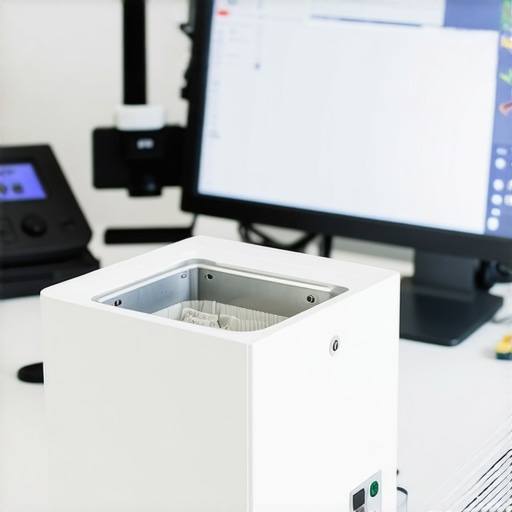
Personally, I rely heavily on a professional-grade ultrasonic cleaner. Unlike basic cleaning solutions, ultrasonic devices use high-frequency vibrations to dislodge dirt and grime from hard-to-reach places, especially around intricate settings and engravings. I prefer models like the Omegasonics UltraSonic, which offers adjustable timers and temperature controls—these features give me precise control over cleaning cycles, preventing potential damage to delicate components.
Another crucial tool is a jeweler’s loupe. I recommend a 10x magnification model with integrated LED lighting; this setup allows me to inspect every detail—loose stones, worn prongs, scratches—without removing the piece from my workspace. Regular inspections using a loupe can catch issues early, saving you costly repairs down the line.
Leveraging Software for Precision
While traditional tools are indispensable, integrating software like digital design programs enhances accuracy in planning complex settings or engravings. My go-to is Rhino 3D, which allows me to create detailed 3D models, simulate stress points, and prepare templates before executing any physical work. This approach minimizes errors and boosts confidence that your final piece will stand up to long-term wear.
Material Compatibility and Long-Term Maintenance
Tools are just part of the equation. Selecting the right materials impacts the durability of your jewelry. For example, when restringing, choosing a high-quality nylon or silk cord ensures both strength and flexibility. I often use specialized restringing tools like a bead reamer and crimping pliers that provide consistent tension without damaging delicate threads.
To keep your jewelry functioning seamlessly over time, regular maintenance is key. Schedule routine inspections—at least twice a year—to check for loose stones, worn prongs, or frayed cords. Applying a light coat of jewelry-safe lubricant to movable parts can prevent seizing and corrosion, especially in pieces exposed to moisture or chemicals.
How do I maintain my jewelry tools and techniques over time?
Store your tools in a dedicated, dry environment, and clean them regularly with alcohol-based wipes to prevent dirt buildup. Sharpen rotary engraving tools with diamond hones as needed, following manufacturer instructions, to maintain precision. Additionally, keep software updated and always use the latest design iterations to avoid inaccuracies. Practice these habits consistently to ensure your tools deliver accurate, reliable results for years to come.
Remember, the best tool is only as good as your knowledge of its proper use. For more advanced insights, explore this comprehensive guide on stone setting and appraisal strategies. Try integrating a high-quality ultrasonic cleaner into your routine and observe how it transforms your cleaning process—it’s an investment that pays dividends over time.
As I reflect on my journey crafting jewelry, I realize that the deepest lessons often come from unexpected setbacks or subtle nuances. One of the hardest lessons I learned was that even a tiny misalignment in stone setting could compromise an entire piece’s beauty and trustworthiness. It taught me to pay attention to micro-movements and material behaviors—details that aren’t immediately obvious but are crucial for lasting quality. Additionally, I discovered that engravings, when rushed or uneven, can detract from the craftsmanship’s elegance, emphasizing the importance of controlled, deliberate strokes. Perhaps most surprisingly, I found that understanding the interplay between metal composition and structural stability can prevent failures long before they occur, underscoring the value of continuous learning and curiosity in jewelry making. These lessons shifted my approach from merely following instructions to truly respecting each element’s role in creating enduring, stunning jewelry.’},
