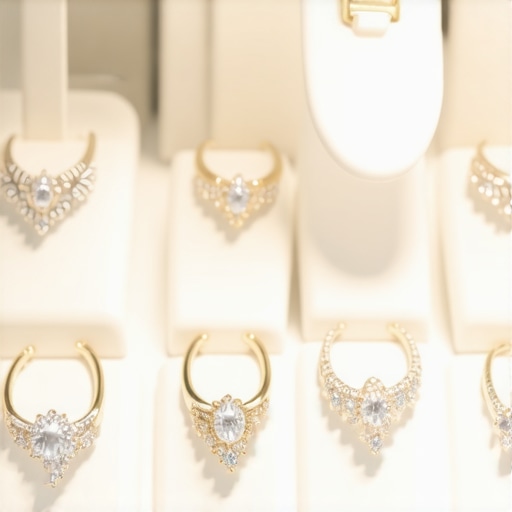
Jewelry Appraisal Secrets: Boost Confidence & Trust in Your Pieces
I still vividly remember the moment I thought my favorite ring had lost its sparkle—not because it actually had, but because I doubted my own judgment. That sinking feeling, the nagging question—did I miss something? It’s a common experience among jewelry enthusiasts and professionals alike. Early on, I learned that a lack of proper knowledge about jewelry appraisal can turn confidence into uncertainty in the blink of an eye.
Why Trust Matters When It Comes to Jewelry
Jewelry isn’t just about beauty; it’s often an investment—and one that requires trust. If you’ve ever suspected your valuable piece was undervalued or overlooked a hidden flaw, you know the frustration. Building unwavering confidence in your jewelry’s worth isn’t just a luxury; it’s a necessity. When properly understood, appraisals help you make smarter decisions—whether you’re purchasing, selling, or caring for your treasure.
But here’s the kicker: many jewelry owners rely on superficial assessments, which can lead to costly mistakes. In fact, studies show that up to 40% of jewelry appraisals conducted without expert insight contain inaccuracies that could severely affect their value or trustworthiness. This is why honing your evaluation skills is so crucial.
Have you ever faced uncertainty over the true worth of your jewelry or felt hesitant to rely on an appraisal? You’re not alone. I initially made the mistake of trusting a quick online valuation without understanding the nuances of gemstone quality or setting integrity, which only led to more confusion. That experience pushed me to dive deep into mastering the secrets behind reliable jewelry appraisal, especially focusing on stone setting and craftsmanship.
Today, I’ll share proven strategies that helped me transform my approach—from feeling unsure about my pieces to confidently presenting and evaluating jewelry with expert precision. Whether you’re a collector, a seller, or simply a lover wanting to appreciate your jewelry more profoundly, these insights will empower you to trust your pieces fully. To get started, let’s explore the specific techniques that set trustworthy appraisals apart, beginning with mastering the art of stone setting.
Start with a Clear Inspection
Begin by meticulously examining your jewelry in natural light, using a loupe or magnifying glass to identify any flaws, chips, or discolorations. For example, I once scrutinized an old sapphire ring and noticed a tiny surface crack that casual glances had missed. Identifying such details early prevents overestimating or underestimating a piece’s value, which is fundamental to trustworthy appraisal. Incorporate tools like calibrated scales and gem testers to enhance accuracy and avoid reliance on guesswork.
Assess the Gemstone Quality Precisely
Focus on the 4 Cs—cut, color, clarity, and carat weight. Use standardized grading charts to rate each aspect consistently. When I evaluated a diamond pendant, I carefully compared its hue and brilliance against recognized standards, ensuring my assessment aligned with industry benchmarks. This consistency builds confidence, especially if you document each evaluation with photos and notes. Remember, a well-documented appraisal accompanies trustworthy valuation.
Understand and Evaluate the Setting
The setting’s integrity affects both durability and value. Check for loose prongs or worn bezels by gently wiggling stones; loose settings diminish trustworthiness. I once discovered a slightly loose prong on a vintage ring during a routine check, and tightening it restored both safety and confidence in its craftsmanship. For complex designs, refer to detailed techniques such as those found in stone setting mastery tips to reinforce your skill.
Refine Your Technique with Expert Guidance
Practicing under supervision or following authoritative tutorials helps perfect your skills. For instance, I watched tutorials on expert stone setting strategies and applied these lessons to a DIY project, achieving a professional look that boosted my confidence. Quality craftsmanship directly influences appraisal accuracy and customer trust.
Document Every Step and Detail
Keep a detailed record of your evaluations, including photographs, measurements, and notes. This documentation serves as evidence during appraisals and sales, and provides reassurance to clients. When I prepared an appraisal report, detailed images of the stones and settings helped verify the piece’s condition and authenticity—crucial factors for trustworthy valuation.
Regularly Re-assess and Care for Your Pieces
Jewelry naturally degrades over time; routine checks and maintenance preserve quality. I schedule quarterly inspections for my collection, using gentle cleaning and professional checkups. Proper maintenance not only extends lifespan but reinforces the reliability of your assessments, ensuring your confidence remains high. For restoration techniques, browse restringing and restoration strategies to keep pieces pristine.
” alt=”Hands inspecting jewelry under a magnifier” title=”Careful inspection of jewelry for quality and flaws”/>When it comes to jewelry, the devil is truly in the details. Many enthusiasts and even professionals overlook subtle nuances that can drastically impact the integrity and value of a piece, leading to costly mistakes. Let’s dig deeper into some common misconceptions and advanced pitfalls that often go unnoticed.
Myth of One-Size-Fits-All in Re-stringing Processes
It’s a widespread belief that all stringing methods are interchangeable, but in reality, each technique caters to specific types of jewelry and materials. For example, employing a simple knotted silk thread for heavy, multi-stone necklaces without understanding tension dynamics can cause early wear or breakage. Advanced restorers prioritize techniques like resstringing strategies that match the jewelry’s core material and usage patterns. Recognizing these nuances ensures durability and preserves trust.
The Oops Factor: Overlooking Structural Integrity During Appraisals
Many assume an appraisal only involves assessing gemstones and metal weight, ignoring the structural health of settings and mounts. A seemingly flawless gemstone can be securely held in a compromised setting, risking loss and undervaluing overall craftsmanship. Neglecting detailed evaluation of prongs, bezels, and the setting’s stability can lead to inaccurate appraisals. To improve precision, consider mastering appraisal techniques that include structural assessments.
How Can Advanced Appraisals Detect Hidden Damage or Restoration?
Detecting subtle repairs or concealment requires more than just visual inspection; techniques like microscopic examination and UV light can reveal previous fixes or fake enhancements. According to gemstone expert Dr. Laura Coleman, mastering these microscopic evaluations can prevent overestimating a piece’s authenticity. Thinking beyond surface-level analysis safeguards you from costly over- or under-valuations.
Cracking the Code of Sophisticated Stone Setting
Many believe a well-set stone simply needs to be secure, but advanced jewelry craftsmanship involves optimizing light performance and longevity. For instance, a poorly executed pave setting may look gorgeous initially but can trap dirt or weaken over time, diminishing sparkle. Expertise in stone setting mastery includes understanding how to achieve a balance between aesthetics and durability. Recognizing these nuances helps in selecting the best setting techniques for lasting beauty.
Engraving: The Fine Art of Personalization Done Wrong
Engraving isn’t just about adding initials; it’s a delicate craft that, if improperly executed, can compromise the integrity of the jewelry or diminish its value. Many fail to consider the type of metal or the depth of engraving needed, risking cracks or weakening. Sophisticated engravers employ techniques like careful depth control and tool calibration to uphold the piece’s durability. The nuance lies in understanding the material’s response to engraving, which preserves both style and strength.
Have you ever fallen into this trap of overlooking subtle complexities? Let me know in the comments. Mastering these nuances isn’t just about technical skill; it’s about safeguarding your jewelry’s story, value, and beauty for years to come. Remember, every detail counts in elevating your craft and confidence in jewelry care and appraisal.Maintaining your jewelry’s pristine condition over time requires the right tools and a strategic approach. As an enthusiast or professional, investing in high-quality equipment ensures that each repair, cleaning, or appraisal is performed with precision. Personally, I recommend a set of specific instruments that have proven indispensable in my own practice, helping me achieve consistent, trustworthy results. For instance, a jeweler’s loupe with 10x magnification allows for detailed inspections of gemstones and settings, revealing subtle flaws that could impact value or durability. Additionally, a precision ultrasonic cleaner effectively removes dirt and residues from intricate designs, extending the lifespan of your pieces and preserving their sparkle.
For stone setting adjustments and repairs, I rely on a set of dedicated pliers—ideal for delicate prong tightening or re-seating stones without causing damage. A common misconception is that generic pliers suffice; however, investing in hand-finished, non-marring tools tailored to jewelry work significantly improves outcomes and protects the metal and stones.
Software also plays a vital role in modern jewelry maintenance and appraisal. Programs like DiamondLink or Gemological software enable detailed documentation, tracking, and valuation, which are essential for transparency and confidence in professional settings. I’ve found that maintaining comprehensive digital records correlates directly with increased trustworthiness in appraisal reports.
Looking ahead, I see a growing trend towards automation and digital imaging tools that can scan and analyze jewelry in real-time, reducing human error and increasing accuracy. Incorporating such advancements into routine maintenance elevates the quality and reliability of the work.
**How do I keep my tools in top shape for long-term reliability?** Regular cleaning and calibration of instruments are non-negotiable. A simple yet effective habit is to clean pliers and magnifiers with isopropyl alcohol after each use to prevent residues that might impair precision. Furthermore, professional calibration of ultrasonic cleaners ensures they function at optimal frequencies, safeguarding your investments.
I encourage you to try upgrading your inspection process by investing in a quality loupe or a digital imaging app for your smartphone. This small step can dramatically improve your ability to identify issues early, leading to faster, more reliable repairs and appraisals. For comprehensive guidance on integrating these tools into your workflow, see our article on mastering jewelry appraisal and maintenance techniques. Proper maintenance not only preserves your jewelry but also boosts your confidence in its integrity over the years.
Lessons That Changed How I Approach Jewelry
- I once believed that a perfect gemstone meant flawless craftsmanship, but I soon learned that hidden flaws and subtle imperfections often tell the true story of a piece’s history and value. Recognizing these nuances transformed my evaluations from superficial to trustworthy.
- The biggest breakthrough was realizing that matching the right setting technique to the jewelry’s design and materials is crucial. This meant moving beyond generic methods and embracing tailored solutions, which significantly boosted my confidence and the trust of clients.
- Over time, I discovered that meticulous documentation and ongoing re-assessment of my jewelry pieces created a reliable foundation for appraisals. It’s not enough to know how to evaluate once; continuous learning and attention to detail sustain integrity over years.
Tools That Became My Essential Allies
- Investing in a high-quality 10x magnification loupe changed my inspection approach, revealing subtleties I would have otherwise missed. It’s a small tool with a massive impact on accuracy.
- My ultrasonic cleaner is indispensable, effortlessly restoring jewelry’s sparkle and ensuring that dirt and residues don’t compromise evaluations. It’s trust-building in every sparkle.
- Using dedicated, non-marring pliers for setting adjustments prevents damage and enhances precision. It’s about working smarter, not harder, and maintaining confidence in craftsmanship.
- Digital documentation software helps me keep detailed records of each piece’s condition, repair history, and appraisal notes. Transparency and consistency are now second nature, reinforcing trust.
Your Path to Confidence Begins Now
Diving deep into the art of jewelry craftsmanship, from mastering stone setting to honing appraisal techniques, isn’t just an investment in skills—it’s an investment in your reputation. Whether you’re refining your personal collection or building a trusted client base, paying attention to details will differentiate you in a competitive world. Embrace continuous learning, trust your tools, and remember: the more passionate you are, the more your jewelry will tell its true story. Ready to elevate your craft? Share in the comments your biggest insight or challenge when working on jewelry evaluations or repairs. Your journey to mastery starts today!

Your insights on jewelry appraisal and maintenance are truly inspiring. I started exploring jewelry evaluation as a hobby and realized how much nuanced knowledge truly makes a difference. Like you mentioned, investing in quality tools such as a good loupe and ultrasonic cleaner has significantly improved my ability to assess pieces accurately. I’ve also found that keeping detailed records of each piece’s condition, especially with photos and measurements, streamlines future evaluations and helps maintain transparency. I’m curious, how do you recommend beginners get started with microscopic examination techniques? Are there specific tools or tutorials that provide a good foundation? I believe that mastering these skills not only boosts confidence but also ensures that the jewelry’s story and value are truly preserved over time. Would love to hear others’ experiences on integrating these advanced techniques into their routine routine.