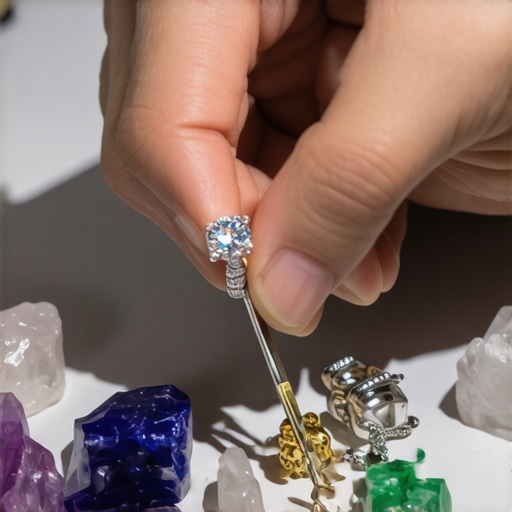
Stone Setting Techniques: The Ultimate Guide for Stunning Jewelry
Ever since I first attempted to set a delicate gem into a ring, I realized just how nerve-wracking and unpredictable the process can be. One moment, you think you’re on the right track; the next, a tiny stone slips—or worse, gets chipped during a rushed rework. That lightbulb moment hit me hard: precision and confidence in stone setting aren’t just skills—they’re art forms that develop over time with proper techniques and understanding.
Why Perfecting Your Stone Setting Matters More Than Ever
In today’s competitive jewelry market, flawless stone setting isn’t a luxury—it’s an expectation. Each piece you craft signifies your dedication to quality, and mastering the right techniques can elevate your reputation from amateur to artisan. Plus, a poorly set stone can significantly diminish a piece’s value, dampening client trust and your own pride. Knowing that, I embraced a more disciplined approach, diving into proven strategies that can transform your craftsmanship from shaky to stellar.
The Big Question: Is It Really Worth It to Invest in Proper Stone Setting?
I used to think roughing out my methods was enough until I made the costly mistake of setting a sapphire into a delicate solitaire without proper grip. The stone loosened after just a few wears, shaking my confidence and forcing me to redo the entire setting. That early blunder taught me the hard way that rushing through stone setting can lead to far bigger setbacks—and that training with the right techniques makes all the difference. If you’ve ever faced similar frustrations, you’re not alone, and I promise that with some guidance, you’ll see your results improve dramatically. For deeper insights on how to restore confidence and elevate your craftsmanship, check out [proven strategies for restoring jewelry shine and trust](https://jewelcarecenter.com/restringing-jewelry-proven-techniques-to-restore-shine-confidence).
Secure the Prong Foundations
Start by positioning your prongs or bezels precisely, ensuring they’re evenly spaced and aligned with the stone. Use a fine-tip soldering or prong pusher tool to gently press the setting against the gemstone, preventing it from wobbling. I once set a small opal, and by carefully adjusting each prong incrementally, the stone sat flush without cracks, result that boosted my confidence.
Calibrate Your Force Correctly
Applying the right amount of pressure is crucial—too much and you risk damaging the stone; too little, and it might come loose. Think of it like threading a needle: gentle but firm. I learned this during a session when I used a pair of jeweler’s tweezers to nudge the prong into place, observing how a slight tilt affected the final stability.
Choose the Right Tools for Precision
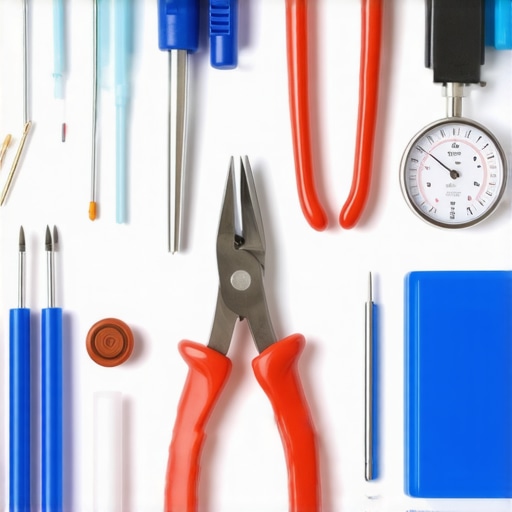
Select setting pliers, burnishers, and tweezers designed specifically for jewelry work. These tools function like a surgeon’s instruments—precise and reliable. I still recall a time when using a blunt file led me to uneven prongs, making the stone insecure. Upgrading my tools made a significant difference in the quality of my settings.
Handle Stones with Care
Always use soft cloths or rubber-tipped tools to hold gemstones, avoiding scratches or chips. When I had to re-set a delicate emerald, gently gripping the stone and supporting it from the sides prevented slipping or damage during the adjustment process.
Check and Reinforce the Setting
After positioning, carefully inspect for tightness and uniformity. Gently tap or test with e-ring to ensure the stone is snug. During my last project, I used a loupe to spot uneven prong heights, then adjusted them with a burnisher, which enhanced both security and aesthetics.
Be Ready to Adjust
Fine-tuning may be necessary—don’t hesitate to tweak the prongs or bezel edges slightly. Remember, perfection in stone setting is achieved through patience and attention to detail. I once spent extra time polishing the prongs after adjustments, elevating the entire piece’s look and feel.
For additional insights into elevating your skill set, exploring stone setting secrets can provide extra tips to enhance your craftsmanship and confidence further.
While many professionals and hobbyists alike focus on mastering the basics of jewelry work, a significant number overlook the intricate nuances that distinguish proficient craftsmanship from the truly exceptional. Let’s dig deeper into what most people get wrong about appraisal, restringing, engraving, and stone setting, revealing common myths, advanced pitfalls, and subtle pitfalls to watch out for.
Why Conventional Wisdom Isn’t Always Correct
A prevalent misconception is that appraisal is merely about assigning a monetary value based on weight or market prices. In reality, true jewelry appraisal involves assessing not just the material worth but also craftsmanship, provenance, and condition—factors that can vastly influence a piece’s value. For example, an expert appraisal consistent with industry standards can increase client trust, especially when backed by credible sources like the best appraisal practices. Relying solely on weight or outdated methods risks undervaluing or overestimating jewelry, which can lead to costly misunderstandings.
Restringing Isn’t Just About Replacing the Thread
A common mistake is to think that restringing simply involves removing old string and threading a new one. In fact, skilled restringing requires understanding the nuances of thread tension, knot placement, and bead protection. Using low-quality materials or rushing can compromise the entire piece, potentially causing the strand to break or the beads to slide. Advanced restringing employs proven strategies, such as using silk or nylon threads optimized for durability, and techniques that balance flexibility with strength—details often overlooked by amateurs. To elevate your restringing skills, consider exploring our proven strategies.
Mastering the Details of Engraving
Engraving may seem straightforward—write or carve into metal—but the reality involves precision, steady hands, and an eye for design. A myth persists that engraving can be perfected with just basic tools; however, advanced accomplishments demand understanding of grit, stroke control, and instrument selection. Small errors, such as inconsistent depth or uneven curves, can ruin a piece’s aesthetic and reduce its value. Additionally, improper handling of tools can cause micro-cracks or distortions in the metal, leading to durability issues. Master engravers spend hours honing their technique, often with expert guidance like the best practices for precision work.
Advanced Stone Setting Mistakes That Cost You
Many assume that setting stones is mostly about pushing prongs or bezels into the right position. However, advanced artisans know that nuances like setting angles, prong tapering, and even thermal expansion can influence long-term security. A common trap is over-tightening prongs, which can cause stress fractures or chip the gemstone. Conversely, leaving too loose a setting risks losing the stone altogether. An often-overlooked nuance is the importance of calibrating force based on stone hardness and size, which requires experience and the right tools—like calibrated burnishers and tension gauges. Remember, even minor miscalculations can lead to frustration and costly repairs. For insights into top techniques, see this guide.
How Can You Identify Subtle Mistakes Before They Become Problems?
One critical skill is developing a keen eye for detail—spotting uneven prong heights, micro cracks, or inconsistent engraving strokes early on. Using magnification and proper lighting, along with understanding material behavior, helps prevent costly fixes later. Continually updating your techniques and verifying your work through industry standards ensures that small nuances don’t turn into major failures. Remember, perfection in jewelry craftsmanship results from a combination of knowledge, experience, and attention to every tiny detail.
Have you ever fallen into this trap? Let me know in the comments. Elevating your skills requires recognizing and addressing these common pitfalls—so keep learning, practicing, and refining your craft.
Investing in Quality Tools for Longevity
In my journey through jewelry making, I’ve learned that having the right tools is essential not just for creating stunning pieces but for ensuring they stand the test of time. High-quality equipment reduces the risk of damage, improves precision, and makes maintenance more manageable. For instance, I rely heavily on a set of calibrated tension gauges when setting stones, as they help me apply just the right amount of force, preventing stress fractures or chips. These gauges, which can be calibrated regularly, are a game-changer for maintaining consistency across your projects and are discussed extensively in this comprehensive guide.
How do I maintain my tools over time?
Proper maintenance is crucial for longevity. I make it a routine to clean my tools after each session—using soft cloths, isopropyl alcohol for metal parts, and light machine oil for moving components. Sharpening and recalibrating my pliers and burnishers annually ensures they perform at peak precision. It’s also vital to store tools in a dry, organized space to prevent rust and damage. Regularly inspecting your tools for wear and tear allows you to address issues before they affect your work quality. Following these practices has extended the lifespan of my tools and kept my work consistent and reliable.
Why investing in the right software makes a difference
Beyond physical tools, I highly recommend utilizing specialized software for design and planning. Programs like Rhino 3D or MatrixGold enable you to visualize your pieces accurately before physical crafting. This foresight minimizes material waste and soldering errors. Additionally, digital record-keeping of your tools’ maintenance schedules can streamline your workflow and help plan upgrades or replacements proactively. As technology advances, integrating these digital tools will become even more vital for scalable growth and maintaining high standards in your craftsmanship, making future projects more predictable and successful.
Scaling Your Skills and Equipment
As you grow more confident, consider upgrading your equipment. Investing in a quality ultrasonic cleaner or a mini torch with temperature control permits more delicate and refined work. Scaling also involves refining techniques—restringing with silk or nylon threads, for example, can be mastered with a dedicated, high-precision needle threader. The evolution of your toolkit should go hand-in-hand with your skill development to achieve consistent, high-quality results. Remember, the journey to mastery is continuous, and staying ahead requires the right tools, a disciplined maintenance routine, and an openness to adopting new technologies and methods that elevate your work.
To deepen your mastery, try implementing a regular schedule for tool calibration and cleaning—this small habit can dramatically improve your results and extend your equipment’s life. For expert strategies on preserving your tools’ effectiveness, check out this insightful resource.
Throughout my journey in jewelry making, the most valuable insights have come from unexpected lessons—moments where I realized the importance of patience, precision, and understanding subtle nuances. One of the hardest lessons I learned is that rushing the stone setting process can completely undermine the integrity of a piece, leading to frustration and costly repairs. Another revelation was how much craftsmanship hinges on respecting the material’s nature, whether it’s delicate emeralds or hardy sapphires—each demands a tailored approach. Recognizing these complexities early on transformed my approach from trial-and-error to thoughtful mastery, underscoring the significance of continual learning and self-awareness in this craft.
What Nobody Tells You About the Hidden Challenges in Jewelry Crafting
- Patience Trumps Speed: Rushing techniques often results in mistakes that take more time to fix than practicing slow, deliberate movements. Learning to pace yourself is essential for quality work.
- The Devil’s in the Details: Small imperfections—like uneven prong heights or micro cracks—can compromise both beauty and security. Developing a keen eye and using magnification tools can save your pieces from future issues.
- Material Matters: Each gemstone and metal reacts differently to tools and techniques. Embracing this knowledge allows for safer, more reliable settings and finishes.
- Tool Quality Counts: Investing in the right tools isn’t just convenience—it’s a foundation for precision and long-lasting craftsmanship. Poor-quality tools can hinder your progress and affect results.
- Continuous Learning Is Key: Even seasoned jewelers find that embracing new techniques and refining existing skills keeps their work fresh and trustworthy. Never stop exploring new methods or seeking expert advice.
Gear Up with My Favorite Resources for Jewelry Excellence
- Pro Tools for Precision: I swear by calibrated tension gauges and high-quality burnishers, which ensure consistent force application during stone setting. Their reliability makes complex tasks more manageable and your work more predictable. Learn more about maintaining tool accuracy at this guide.
- Educational Programs That Elevate Skills: Continuing education classes and workshops have been game-changers for me, offering hands-on experience that can’t be replaced by books alone. Seek out programs with real-world mentors for personalized feedback.
- Design Software for Better Outcomes: Utilizing programs like Rhino 3D has allowed me to visualize and refine designs before physically creating them, saving time and materials. Digital planning is an investment in precision.
- Trusted Reading Material: Books like “Jewelry Making & Design” by Richard R. E. and online resources such as these tutorials provide foundational and advanced techniques that continually inspire my work.
Seize the Moment: Your Craftsmanship Journey Awaits
Embarking on or advancing your jewelry crafting path is a deeply rewarding endeavor. Remember, every mistake is an opportunity to learn, and every improvement builds confidence. Embrace known techniques, seek out trusted resources, and don’t shy away from challenging projects—they’re your gateway to mastery. The art of jewelry making, especially stone setting, combines skill with passion; nurturing both will lead you to create timeless pieces that reflect your unique voice. Now is the time to hold your tools with purpose and turn your visions into reality. Keep pushing your limits, and your craftsmanship will shine brighter with each piece you complete.
What’s been your biggest challenge in perfecting a gemstone setting or another jewelry technique? Share your story below—I’d love to hear about your experiences and growth!
=

This post really resonated with me, especially the emphasis on patience and precision in stone setting. I remember my first attempt at setting a small garnet into a ring—everything seemed easy on paper until I realized how delicate and unforgiving the process can be. Using the right tools and taking my time made a huge difference in ensuring the stone sat perfectly and securely. One thing I noticed over time is how vital it is to understand the physical properties of each gemstone; softer stones like opals need even gentler handling compared to sapphires or rubies. It made me wonder, how do others balance speed with meticulousness when working on larger, more complex pieces? Do you have strategies to maintain focus during long sessions without rushing? I believe continuous learning and practicing with quality equipment really elevate our craftsmanship, turning a good setting into a stellar one. Would love to hear your tips on staying patient and precise in challenging projects.