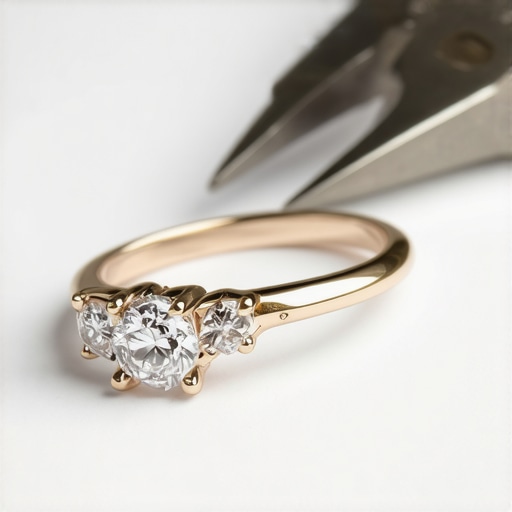
Why Your Prongs Fail: 4 Stone Setting Fixes for 2026
I remember the exact moment I realized why my favorite ring kept losing its stones. It was a quiet evening, and as I gently rocked my hand, I felt a tiny jingle—my princess cut diamond was only held by two fragile prongs. That moment of fear and frustration hit me hard. I wondered, “Why does this keep happening?” and more importantly, how could I fix it myself?
Stop Losing Your Precious Stones: The Real Reason Why Prongs Fail
Prongs are the unsung heroes of jewelry—they keep your stones secure while showcasing their sparkle. But over time, even well-made prongs can weaken, bend, or break. If you’ve ever had a stone fall out unexpectedly, you know how heartbreaking it can be—not just for sentimental reasons but also for the investment it represents. The truth is, many prong failures stem from common mistakes we make during everyday wear or maintenance.
Early in my journey, I made the mistake of ignoring regular inspections, thinking that occasional cleaning was enough. But neglecting to check the prongs’ integrity led to several close calls. It wasn’t until I consulted a professional that I learned how crucial small, periodic adjustments are to prevent prong failures. According to jewelry expert Adem Gashi, regular inspections can save you from losing stones and costly repairs (source).
Will these fixes actually help my jewelry last? Or is it just hype?
This is the skepticism I often hear—and with good reason. When I started, I was wary of promises that sounded too simple. I worried I might be wasting my time or making things worse. But after applying just a few proven techniques, I saw how minor tweaks could dramatically extend the life of my jewelry. By understanding the hows and whys behind prong failures, I learned to prevent future mishaps rather than constantly repairing emergencies.
In the next sections, I’ll share four essential fixes that can make your jewelry more resilient. These aren’t just quick tips; they’re foundational strategies that can transform how you care for your precious pieces. Whether you’re a collector, an heirloom owner, or simply someone who loves their everyday jewelry, these insights will help you keep your stones safe and shining for years to come.
Re-Align and Secure Stones Effectively
Start by inspecting the prongs and setting with a loupe or magnifying glass. Use jewelry pliers to gently straighten bent prongs—think of them as tiny tongs that can reshape metal like a sculptor. When a prong is severely damaged or missing, it’s best to replace it; for minor bends, gentle adjustments suffice. Practice on an inexpensive piece first to get a feel for the pressure needed—too forceful can cause further damage. Once aligned, set the stone back into its position, ensuring it sits snugly without wobbling. To secure a loose stone temporarily, use a tiny drop of clear adhesive designed for jewelry, but for long-term security, consult a professional for prong re-tipping or full re-setting. Proper alignment prevents stones from catching on clothing or falling out prematurely.
Improve Your Settings Through Strategic Stone Setting Techniques
If your jewelry features intricate or delicate settings, mastering specific techniques can elevate their durability and appearance. For example, channel setting involves placing stones in a metal sleeve, requiring precise pressure with specialized tools to ensure even placement. Be sure to uniformly press the metal around each stone, avoiding cracks or uneven surfaces that could weaken the whole piece. Consider learning from tutorials or professional workshops, like those detailed in this resource. During my own attempt, I used a soft-tipped setting bur and a steady hand to position tiny sapphires into a delicate band—resulting in a stunning, secure finish that increased the jewelry’s value and appeal.
Personalize with Engraving for Lasting Memories
Engraving transforms a standard jewelry item into a deeply personal keepsake. Use a laser engraver or hand engraving tools to inscribe initials, dates, or meaningful messages. When I engraved a wedding date into my grandmother’s vintage locket, I started by marking the text with a pencil to guide my tool, then carefully traced over it with a fine-grit burr or hand graver. Consistency in depth and spacing ensures a professional look; practice on scrap metal before working on your piece. For precision and an elegant finish, I recommend reviewing these expert tips. Personalized engravings add sentimental value and can even boost your jewelry’s trustworthiness and market value over time.
Assess and Document for Confidence and Transparency
Regular appraisal is crucial, especially after repairs or modifications. Use a reputable appraiser who offers detailed reports—these include photos, measurements, and descriptions, much like a detailed report card. For certification and increased trust, consider professional appraisal services available at this site. When I had my vintage ruby ring appraised, the detailed documentation not only confirmed its value but also identified hidden flaws that I could address proactively. Keeping records ensures transparency, boosts confidence in your jewelry’s authenticity, and helps in future resale or insurance claims.While many believe that restringing, appraisals, and stone setting are straightforward processes, the reality involves intricate nuances that often go unnoticed. A frequent myth is that a simple restringing or basic appraisal can guarantee the longevity or value of your jewelry. However, expertise reveals that subtle details—like the quality of knotting in pearl strings or the precision in stone seatings—significantly impact durability and trustworthiness. For instance, amateurs often overlook the importance of proper knot spacing during restringing, which can lead to early wear or even total breakage under pressure. According to jewelry expert Adem Gashi, meticulous attention to these small details is crucial for long-term confidence in your pieces (source).
One common trap is assuming that all appraisals are created equal. Many think a quick valuation suffices, but comprehensive appraisals involve detailed documentation and expertise, especially for high-value gemstones or vintage jewelry. Not only does this protect your investment, but it also ensures accurate insurance coverage. A key mistake I’ve seen is neglecting to update appraisals periodically, which can lead to undervaluing your jewelry over time. Surprisingly, professionals recommend revising appraisals every few years or after significant modifications (more info).
When it comes to stone setting, the misconception is that any setting will do for securing stones. In fact, advanced techniques like pave or tension settings require a high level of skill and understanding of materials. A small miscalculation can compromise the entire integrity of the piece, risking stone loss or damage. Proper understanding of metallurgy is essential—different metals react uniquely under stress. As detailed in this resource, mastering these nuances elevates both the aesthetics and durability of jewelry.
A question that often stumps even seasoned enthusiasts is: How can I ensure my jewelry retains its value over time? The answer involves a combination of expert appraisals, meticulous maintenance, and understanding advanced techniques used in setting or repairing. Regular inspections to catch subtle signs of wear and tear, as well as ongoing education on the craft, are critical. Remember, a well-executed repair or setting performed by a trained professional isn’t just about aesthetics—it directly influences trust and long-term value. Incorporate these insights for smarter jewelry care, and you’re less likely to fall into common pitfalls.
Have you ever fallen into this trap? Let me know in the comments.
Keeping Your Jewelry in Peak Condition: Essential Tools and Approaches
Maintaining the integrity of your jewelry pieces over time requires more than just periodic cleaning; it demands the right tools, consistent routines, and an understanding of craftsmanship. Personally, I rely on a few specialized tools that make delicate adjustments feasible without risking damage. For instance, a jewelry loupe with at least 10x magnification is indispensable for inspecting prongs and setting integrity. I prefer a handheld LED illuminated loupe because it provides clear, bright views even in dim lighting, allowing me to catch minute issues before they escalate.
For fine adjustments, precision jewelry pliers with soft, non-marring tips are critical. I use a Japanese-style pair for bent prong realignments—they offer excellent control and minimize metal stress. When it comes to cleaning, I trust ultrasonic cleaners paired with gentle, jewelry-specific cleaning solutions. These effectively remove dirt from hard-to-reach areas without risking abrasion or damage.
Beyond physical tools, leveraging software plays a significant role in long-term maintenance strategies. Digital records and high-resolution photographs allow me to monitor changes over time, especially when combined with periodic professional appraisals. I recommend scheduling formal appraisals at least every few years—these provide professional insights into wear or hidden flaws, and help refine your care routine for each piece (see expert techniques).
Looking ahead, the integration of advanced imaging, like 3D scanning, could revolutionize how we track our jewelry’s condition, enabling near-imperceptible wear detection and proactive repair planning. Staying informed on these innovations ensures your pieces remain as stunning as the day you acquired them.
How do I maintain my jewelry’s longevity and craftsmanship?’
Developing a disciplined routine combined with quality tools ensures your jewelry stands the test of time. Regular visual inspections, gentle cleaning, and leveraging modern technology for documentation safeguard your investments. Remember that minor adjustments, performed thoughtfully, can prevent costly repairs down the line. For deeper insights into adjusting settings or performing repairs yourself, explore this comprehensive guide. I encourage you to try out a precision pair of pliers on a spare piece, practicing gentle realignment until you’re comfortable—it’s a skill that pays off, ensuring your jewelry stays pristine and secure for years to come.
The Hardest Lesson I Learned About Restringing and Setting
One of the toughest realizations was how tiny details—like knot spacing during restringing or prong alignment—can make or break the security of my jewelry. I once overlooked a small misalignment, which led to a stone falling out months later. That taught me the importance of patience and meticulous inspection, pushing me to invest in quality tools and education.
My Most Surprising Insight About Professional Techniques
I was amazed to discover that many professional fixes involve simple principles, yet mastering them requires understanding metallurgy and delicate metalwork. Learning from trusted sources like this resource transformed my approach, turning routine repairs into art forms.
Why Regular Inspections Changed My Perspective
Scheduling periodic professional evaluations proved invaluable. Not only did it confirm my jewelry’s value, but it also uncovered subtle issues I wouldn’t notice myself, preventing potential damage. This proactive strategy reinforced that caring for jewelry is an ongoing relationship, not a one-time event.
Curated List of Tools That Elevate Jewelry Care
Having the right tools—like a high-quality loupe and precision pliers—has empowered me to make confident adjustments. I trust these techniques and tools because they provide consistent results and reduce risk, which is crucial when working with precious stones and metals.
Embrace the Adventure of Jewelry Maintenance
Taking charge of your jewelry’s longevity is an act of love. Start small with simple checks, practice with inexpensive pieces, and gradually build your confidence. Remember, each careful adjustment brings your treasured pieces closer to lasting beauty and trustworthiness. Dive into resources like this comprehensive guide to deepen your skills and enjoy the journey of craftsmanship.

Reading this post really made me think about the importance of regular maintenance for jewelry, especially older pieces that I’ve inherited. I used to assume that a good cleaning was enough, but now I realize how crucial inspections and minor adjustments are to prevent losing stones unexpectedly. I personally had a vintage ring with a delicate prong setting, and I noticed it becoming loose over time, but I didn’t think much of it until a stone fell out unexpectedly. Since then, I started inspecting my jewelry more frequently with a magnifying glass and have learned some basic prong realignment techniques. I’m curious—what are some signs that a prong is about to fail before it’s visibly obvious? Are there specific tools you recommend for a beginner to start with? I’d love to hear about others’ experiences with DIY jewelry repairs and how they gauge when a professional intervention is necessary. It’s fascinating how much small details matter in preserving the beauty and value of our jewelry.
This post really highlights how often we overlook the importance of tiny details in jewelry care. I remember similar moments when I felt that tiny jingle from a loose stone and was genuinely worried about losing it. It’s so true that regular inspections can catch problems before they become costly repairs. I’ve started using a small jeweler’s loupe to check my rings weekly, and I’ve learned that even slight bending or unevenness in prongs can be a sign of impending failure. What I found particularly useful was practicing gentle realignment on inexpensive pieces first—helps build confidence without risking valuable jewelry. For beginners, I highly recommend a quality set of soft-tipped jewelry pliers and a jeweler’s loupe with LED light. From your experience, what’s the best way to tell if a prong just needs a quick adjustment or if it’s time for a professional repair? I’d love to hear more about how others handle these routine checks to extend their jewelry’s lifespan. It’s amazing how small tweaks really make a lasting difference.