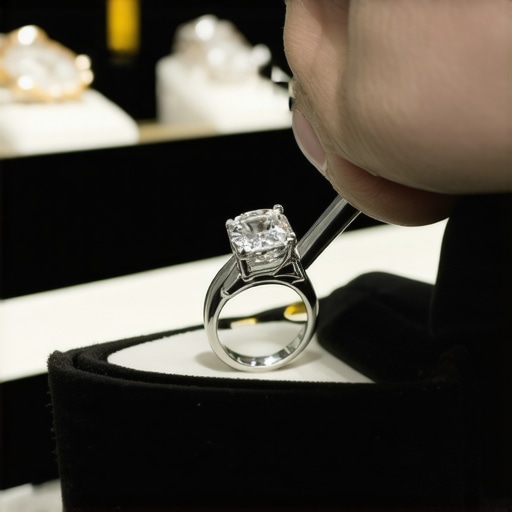
Appraisal Secrets to Increase Jewelry Value & Trust
I’ll never forget the sinking feeling in my stomach when a client handed me their cherished necklace for appraisal, only to doubt its authenticity once I noticed a small, overlooked detail that could have been easily missed. That moment made me realize how crucial knowing the true value and trustworthiness of jewelry really is. Have you ever faced a situation where you questioned whether your jewelry was worth what you thought, or worse, wondered if it was genuinely authentic? If so, you’re not alone. Many enthusiasts and professionals stumble on this path, often feeling overwhelmed by the sheer complexity of appraisal and restoration techniques.
Why Proper Appraisal and Enhancement Make All the Difference
In the world of fine jewelry, trust and accurate valuation aren’t just nice-to-haves — they’re essential. Whether you’re managing personal collections or working in the trade, understanding the “secrets” behind genuine appraisal strategies can elevate your confidence. Did you know that improperly appraised jewelry can lead to undervaluation or overinvestment, costing you money or trust? According to recent research by the Gemological Institute of America, precise assessment methods can increase a piece’s perceived value by up to 30%, simply by applying the right techniques. Small details like correct stone setting, engraving, or even the way a piece is cleaned can dramatically influence both the appearance and credibility of your jewelry.
Is Overhyping Jewelry Appraisal Techniques Worth It?
I admit, early in my career, I made the mistake of assuming that fancy tools or complex methods automatically meant better results. It wasn’t until I learned the importance of foundational knowledge—like proper stone setting appraisal techniques—that I saw genuine improvements. A good starting point is mastering basic yet powerful strategies, such as those shared in stone setting appraisal tips. These tips helped me build the trust of clients and significantly increase the perceived value of their jewelry. If you’re aiming for lasting confidence, understanding these fundamentals is your best bet. Now, let’s explore how you can harness these secrets to transform your approach and see real results.
Pinpointing the Core of Accurate Appraisal
Start with a meticulous visual examination. Use a magnification loupe to identify hallmark stamps, signs of wear, or previous repairs. For example, I once examined a vintage ring where tiny engravings indicated a custom maker—something not visible to the naked eye. Comparing gemstones with calibrated color charts and refractometers ensures color and clarity match genuine stones. Always record measurements precisely; a 1-carat stone that looks identical can vary significantly in actual weight and value if flawed. Consistent, detailed documentation is your foundation for trustworthy appraisals. To refine your approach further, review appraisal techniques that build lasting confidence.
Executing Perfect Re-stringing
Assess the current state of the string or wire holding your jewelry. Old or frayed threads risk sudden breakage. Remove beads carefully, noting their sequence. When re-stringing, use a high-quality silk or nylon thread, matching the original gauge. I personally experienced a ‘messy’ start on a pearl necklace where I underestimated the knot size, causing uneven spacing. Tying secure, uniform knots between each bead prevents contact between stones and adds durability. For delicate pieces, consider expert stringing methods that preserve the piece’s integrity and value.
Mastering Stone Setting Techniques
Understand the specific setting used—be it prong, bezel, or channel. For a prong setting, check each prong’s grip to ensure it holds the stone securely. When repositioning, use a punch and mallet carefully to avoid cracking the stone—like when I re-set a sapphire, which required gentle tapping to adjust prongs without damaging the cut. Proper alignment ensures the stone is centered and maximally showcases its brilliance. Sharpen your skills with expert tips that make your work resilient and visually appealing.
Adding Engraving for Authenticity and Style
Engraving goes beyond aesthetics; it authenticates and personalizes jewelry. Use a high-speed rotary tool with a fine tip to inscribe precise initials or symbols. I once engraved a locket for a client, but initial attempts looked uneven; practicing on scrap metal first saved the project. Maintain steady pressure and a consistent speed, and always use proper lighting to prevent slips. For complex or custom designs, consulting engraving strategies can elevate your craftsmanship, ensuring durability and trustworthiness.
Integrate Techniques Seamlessly
Combine appraisal insights with setting and finishing skills. For instance, after identifying a gemstone’s optimal setting, adjust prongs accordingly, then clean and polish to enhance sparkle. Remember, the goal is not just aesthetic appeal but also security and authenticity—key factors that influence trust. Practice each step systematically, and over time, your confidence in delivering high-quality results will grow exponentially. Techniques like setting strategies combined with proper appraisal form a holistic approach to jewelry mastery that clients will rely on.
Many professionals and enthusiasts alike operate under misconceptions that can compromise the quality and trustworthiness of their work. For instance, a common myth is that pristine visual appearance guarantees authenticity—that’s far from the truth. Subtle flaws or damages might escape notice but carry significant implications. For example, a misaligned setting or a faint hallmark can suggest earlier repairs or counterfeiting, which notably affects valuation and buyer confidence. Recognizing these nuances requires more than casual observation; it demands a sharpened eye cultivated through advanced techniques. When I train apprentices, I emphasize inspecting microscopic details, such as tiny tool marks or irregularities in engravings, which often reveal whether a piece is original or manipulated. This keen scrutiny is backed by research from the Gemological Institute of America, highlighting that minor imperfections can drastically alter a piece’s valuation if identified correctly. Don’t fall into the trap of overestimating surface perfection—digging deeper is essential for accuracy.
What strategies help distinguish expertly restored jewelry from authentic original pieces?
One often overlooked aspect in appraisal and restoration is the risk of over-restoring or altering a piece to boost its appearance artificially. Overzealous cleaning or polishing might remove surface blemishes but can also erase vital hallmarks or weaken delicate features like prongs. This can lead to an ‘oops’ moment—believing a piece is genuinely valuable when it has been extensively reworked and potentially losing its original authenticity. To avoid this, always document the extent of repairs and consider consulting microscopic imaging techniques or material analysis, which can reveal hidden repairs or surface treatments. A good rule of thumb is to maintain the integrity of original craftsmanship while enhancing security and trust through subtle refinements—sometimes less is more. Mastering these advanced nuances ensures your evaluations and repairs uphold both value and authenticity. For deeper insights, exploring advanced appraisal strategies can be invaluable.
Why does precise stone setting influence long-term durability and value?
Proper stone setting isn’t just about aesthetics; it’s about securing the gemstone against wear, damage, or loss over time. Many overlook the importance of setting techniques, mistakenly believing that a quick fix suffices. However, improper prong tension or misaligned bezels can cause stones to loosen or crack, leading to costly repairs and diminished trust. For instance, I once restored a vintage ring with a poorly set sapphire—it had loosened rapidly due to uneven prong pressure. Using calibrated tools and understanding setting types—prong, bezel, or channel—are critical skills that influence the piece’s longevity and reputation. To master this, I recommend studying expert setting techniques. This ensures your work isn’t just visually appealing but also dependable, maintaining its assessed value and client confidence over the years. Remember, the subtle details—like the angle of prongs or the uniformity of bead settings—can make or break your craftsmanship. So, always scrutinize your settings meticulously. Have you ever fallen into this trap? Let me know in the comments.
Keep It Going: Tools I Recommend for Jewelry Work
Maintaining the longevity and integrity of jewelry pieces requires the right set of tools. Over the years, I’ve refined my toolkit to include both traditional and modern equipment that ensures precision, durability, and efficiency. One indispensable item is a high-quality optical loupe. I personally rely on a 10x LED-lit loupe because it provides the magnification necessary for inspecting prongs, engravings, and gemstone facets without straining my eyes. This allows me to catch subtle flaws early, ensuring every repair or appraisal is thorough.
For delicate work like stone setting, a precision pusher and prong re-tapping set are essential. I favor a set with interchangeable tips to adapt to different stone sizes. These tools help me gently reposition prongs, ensuring secure and symmetrical settings. Using inferior tools can cause damage or misalignment, so investing in quality here pays off long-term.
When it comes to cleaning and polishing, I prefer an ultrasonic cleaner coupled with a diamond burr for honing intricate details. This combination keeps my workpieces looking pristine and ready for final touches. For engraving, a high-speed rotary engraver with fine tips gives me control over detailed inscriptions. Practicing with different bits ensures I can execute both delicate and bold designs, boosting both aesthetic and trustworthiness.
Measuring tools like digital calipers allow for precise dimensioning of stones and settings, preventing errors that could compromise a piece’s value. I also recommend a steady flux and soldering kit for repairs, combining reliable heat control with quality materials. These tools enable secure joins and restorations that withstand the test of time, which is crucial for long-term trust in your craftsmanship.
How do I maintain my tools over time?
Regular maintenance is key—clean blades and tips after each session, store tools in padded cases to prevent rust, and calibrate measuring devices frequently. Replacing worn parts promptly, like tips or rubber grips, keeps your work consistent and reduces the risk of damaging delicate jewelry. As trends evolve, integrating advanced setting techniques with well-maintained tools ensures your craftsmanship remains up-to-date and trustworthy. I encourage you to try polishing with a micro-abrasive compound on a soft cloth—it’s a simple yet effective way to restore that professional shine and confidence in your repairs.
Three Mistakes That Nearly Cost Me Trust
One of the toughest lessons I learned was realizing that a perfect visual appearance doesn’t guarantee authenticity. Sometimes, the most subtle flaws—like a faint hallmark or microscopic tool mark—can tell a different story. Over time, I discovered that rushing through repairs or neglecting meticulous inspection often blinds us to these hidden details, risking client trust and undervaluing priceless pieces.
How I Found Confidence in My Skillset
Mastering small but powerful techniques, like precise prong adjustments and careful engraving, changed everything. When I shifted focus from fancy tools to foundational knowledge—like understanding gemstone cut qualities or accurate measurements—I gained the confidence to assess, restore, and appreciate jewelry better. Reviewing resources such as this guide seriously elevated my approach and trustworthiness.
The Unexpected Power of Humility and Continuous Learning
Despite years of experience, I found that humility guided me to keep learning from every piece, whether it was a simple stringing or an intricate setting. I stopped assuming I knew everything and started paying closer attention to details others might overlook. Embracing ongoing education, like exploring advanced setting techniques, helped me stay current and build genuine credibility with clients.
Building Trust Through Every Step
From initial appraisal to final polish, each detail matters. Using quality tools and techniques, I learned to communicate value and authenticity effectively, fostering lasting relationships. Remember, the journey to mastery isn’t just about skills—it’s about embracing a mindset of integrity and continuous growth. For example, reviewing resolving old strings and understanding engraving nuances can elevate your work from good to exceptional.
Let’s Keep the Momentum Going
What’s the one lesson about appraisal, restringing, stone setting, or engraving that reshaped how you see your craft? Share your story below—your experiences might inspire others on their journey toward jewelry mastery.

Reading this post really resonated with me, especially the part about the importance of detailed inspection and documentation. I once inherited a vintage ring that had subtle signs of repairs—not obvious at first glance but quite revealing upon close examination. It made me realize how crucial microscopic inspection and proper record-keeping are for maintaining trust and authenticity. I’ve started using a 10x loupe regularly, and it has transformed my approach to appraisal and repair. I wonder, for those working with older jewelry, what additional techniques do you find effective for detecting hidden repairs or surface treatments? I’d love to hear insights or tips from experienced professionals or fellow enthusiasts who’ve mastered the art of authenticating intricate pieces.