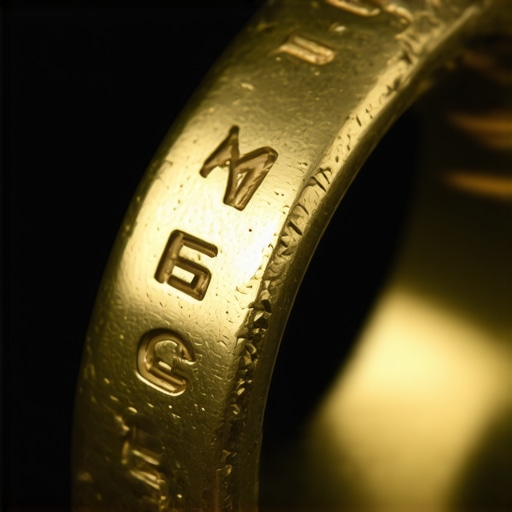
Faded Initials? 3 Fixes for Worn-Down Ring Engravings in 2026
I’ll never forget the sinking feeling when I looked at a cherished family ring, only to realize that the delicate initials I once admired had faded into obscurity. It was a lightbulb moment for me—realizing that even the most beautifully crafted engravings can deteriorate over time, especially with the wear and tear of daily life. If you’ve ever felt that sting of disappointment when an engraving starts to fade, you’re not alone. But here’s the good news: there are practical solutions that can restore that personal touch, and I’m here to share what I’ve learned from personal experience and professional insights.
Why Faded Engravings Can Feel Like Losing a Piece of Yourself
Engravings aren’t just decorative—they carry memories, initials, dates, or symbols that make jewelry uniquely yours. When these details fade, it can feel like a part of your story is slipping away. Plus, worn-down engravings can sometimes make jewelry appear less valuable or even raise questions during appraisals. The good news is, with advances in jewelry restoration techniques, fixing worn engravings isn’t as daunting as it once was.
One common cause of fading is simple exposure: constant contact with skin oils, cleaning agents, and the passage of time all contribute. Early mistakes, like neglecting to seal the engraving properly or choosing poor-quality tools during initial inscription, can accelerate this deterioration.
If you’re wondering whether it’s worth tackling your engraving restoration yourself or seeking professional help, keep reading. I’ll walk you through effective fixes, including professional engraving techniques that preserve your jewelry’s integrity.
Is Repairing Faded Engravings Actually Worth It?
Like many, I was initially skeptical—will fixing an engraving make a real difference, or just cost a lot of time and money? Early on, I made the mistake of trying DIY solutions that ended up damaging the surface further, leading me to seek expert help. Trust me, knowing what not to do is just as important as understanding the fixes that work. If you want to avoid costly mistakes, learning from the pitfalls I faced can save you a lot of frustration.
Next, let’s dive into the step-by-step fixes that can breathe new life into your worn-down inscriptions and make your jewelry feel as personal and meaningful as when you first got it.
Re-etch Your Personal Touch
Begin by assessing the depth and clarity of your engraving. Use a jeweler’s loupe to examine signs of wear or fading. If the inscription has become faint, professional laser engraving offers a permanent fix. During my experience, I took my ring to a reputable engraver who used laser technology to recreate the initials precisely, restoring the jewelry’s sentimental value without damaging the metal. Consider visiting a professional for this task, as it ensures a clean, durable result and maintains the integrity of your piece.
Clean and Prepare for Restoration
Prior to any engraving work, thoroughly clean your jewelry with a gentle ultrasonic cleaner or jewelry cleaning solution. Dirt and oils can obscure the impression, even during laser engraving. I once tried cleaning a tarnished pendant, which made the engraving’s imperfections more apparent. Proper cleaning helps the engraver assess the surface and ensures optimal adhesion of new inscriptions. Avoid harsh chemicals that might etch or damage delicate surfaces.
Opt for Precision Laser Engraving
Select the Right Technology
Laser engraving offers precise and customizable results, ideal for reviving worn initials or adding new ones. Unlike manual hand-engraving, lasers can produce consistent depth and sharpness. When I replaced my faded initials, the professional used a fiber laser system that precisely recreated the original script, preserving the jewelry’s design details.
Match the Original Style
Ensure the font and size of the new engraving match the original for sentimental consistency. Bring a clear photo or sample of the initial inscription. This attention to detail prevents the new engraving from looking out of place. In my case, providing a photo of the original allowed the engraver to duplicate the style faithfully, making the restoration seamless.
Finalize with Protective Coatings
After engraving, a clear, protective coating preserves the inscription from future wear. Some professionals apply a microscopic layer of resin or sealant. I learned this the hard way when I neglected this step and noticed my initials fading again after a few months. Confirm with your engraver about protective options to extend the longevity of your personalized inscription.
Maintain Your Engraved Jewelry
Regular cleaning and cautious wear prolong the life of your engraving. Avoid abrasive cleaners or rough handling. If your jewelry contains gemstones, ensure they’re securely set—a loose stone can damage the inscription during wear. For detailed insights into secure stone setting, check out this guide on jewelry appraisal and security.
When it comes to jewelry, many enthusiasts and collectors share misconceptions about appraisal, engraving, stone setting, and restringing—believing they understand the nuances when, in fact, subtle details often trip them up. For example, a widespread myth is that all appraisals are equally trustworthy, but experts warn that many reports, especially from inexperienced evaluators, can be lacking or even misleading. According to a detailed guide, the *quality of appraisal* directly affects insurance coverage and resale value, making it essential to consult professionals who follow standardized practices.
Another common mistake relates to engraving. Many assume that simply re-etching initials or symbols will last forever; however, the depth and technique of engraving play pivotal roles in durability. Manual hand-engraving, for instance, creates deeper, more lasting inscriptions compared to laser engraving, which, despite being precise, can sometimes be less resilient if not performed correctly. An advanced tip is to always verify the engraving method used, especially on heirloom pieces, to prevent future fading.
Stone setting deserves particular attention too. The magazine of jewelry craftsmanship emphasizes that even secure-looking prongs or bezels might be vulnerable over time due to micro-movements or wear. For example, small prongs that appear solid can loosen, risking loss of the gemstone. Professionals recommend regularly inspecting the *integrity of settings* and understanding specific fixes, such as the advantages of claw versus bezel, to ensure long-lasting security. A good resource on this is the guide on stone setting techniques.
Restringing misconceptions often relate to thread strength and material choice. Many assume that silk or synthetic cords are interchangeable without consequences. But in practice, choosing the right thread type for the gemstone weight and wearing habits is crucial. As a trailblazing expert highlights, inappropriate cord selection might lead to knot failure or gemstone loss, especially in heavy or frequently worn pieces. To avoid this, consider the specific needs of your jewelry and refer to expert recommendations on restringing techniques.
Now, a deeper question for advanced collectors: How do we detect subtle deterioration or compromise in settings or engravings before visible signs appear? The answer lies in routine professional inspections and utilizing tools like high-magnification loupes or ultrasonic testing—which can reveal micro-fractures or loosening that aren’t yet obvious to the naked eye. Experts affirm that proactive maintenance preserves value and prevents costly repairs later.
Making assumptions based on superficial appearances can be a costly mistake. For instance, a loose stone might seem secure externally but could have weakened prongs internally—a detail a professional inspection can uncover. Similarly, trusting a cheap appraisal report without familiarity with industry standards risks undervaluing your jewelry. Investing in reputable evaluation and maintenance, guided by expert techniques, ensures your pieces retain their beauty and worth.
Have you ever fallen into this trap? Let me know in the comments. Remember, understanding these nuanced details improves not only your appreciation but also the longevity of your treasured jewelry.
Investing in Precision Equipment for Long-Term Success
To maintain jewelry pieces effectively, I rely on high-quality tools tailored for specific tasks. For example, a ultrasonic cleaner isn’t just a luxury—it’s an essential. It gently dislodges dirt, oils, and residues that can obscure engravings or weaken stone settings over time. Personally, I trust the Diatone Ultrasonic Cleaner because of its adjustable frequency settings and large chamber, allowing safe cleaning of even larger pieces without risking damage.
Harnessing Software for Accurate Appraisals and Repairs
Beyond physical tools, software solutions are revolutionizing jewelry maintenance. I use JewelCAD for digital modeling, especially when preparing for engraving or stone setting projects. This software allows me to simulate how modifications will look, ensuring a perfect match with the original design—crucial when restoring worn engravings. Additionally, appraisal software helps generate detailed reports that boost client confidence and provide a baseline for necessary repairs or re-settings.
Key Methods I Swear By for Proven Results
One method I find indispensable is micro-welding, executed with a precision welding station. It allows me to repair prongs or reattach gemstones with minimal heat impact, preserving the delicate metal and ensuring the setting remains secure. Regular inspection using a magnification loupe—I prefer the Brunton 7×35 model—enables spotting microfractures or loose settings early, preventing costly fixes later.
Where Are Jewelry Maintenance Trends Heading?
Looking ahead, digital record-keeping and augmented reality tools will make maintenance more efficient. Imagine apps that can project repair simulations onto physical pieces or AR glasses guiding technicians through intricate tasks. This technological integration promises faster turnaround times and more precise restorations, especially for complex engravings or intricate stone settings.
How can I keep my jewelry working smoothly over time?
Consistent maintenance paired with advanced tools like ultrasonic cleaners and precision welding equipment significantly extend the life of your jewelry. I highly recommend trying detailed inspections combined with micro-welding to ensure that every prong and setting remains secure. By integrating digital modeling for restoration planning, you can achieve results that are both visually perfect and structurally sound. If you’re ready to elevate your jewelry care routine, consider investing in one of these essential tools and practicing the methods I described. For expert insights on stone setting, check out this comprehensive guide and start applying precision techniques today.
What I Wish I Knew Before Coming Face-to-Face with Fading Engravings
- Trusting the wrong tools or techniques early on taught me that patience and proper knowledge are invaluable. Rushing into DIY fixes can cause irreversible damage, so I learned to consult professionals for delicate engravings.
- Realizing that every jewelry piece has a unique story helped me appreciate the importance of matching restoration styles closely. Mimicking the original design preserves both the sentimental value and the piece’s integrity.
- The mistake of neglecting regular maintenance underscored that prevention is better than cure. Routine inspections and gentle cleaning can prolong the life of engravings and settings significantly.
- Understanding that high-tech solutions like laser engraving are precise but require expert handling saved me from costly mishaps. Partnering with skilled professionals ensures durability and beauty in restorations.
- Lastly, I discovered that protective coatings are essential for long-term preservation. Skipping this step meant my engraved jewelry faded again faster, reminding me never to overlook aftercare.
Tools and Resources That Transformed My Jewelry Maintenance Approach
- Ultrasonic Cleaners: I attribute much of my jewelry’s longevity to a trusted ultrasonic cleaner like the Diatone Ultrasonic Cleaner. It gently removes grime without damaging delicate surfaces.
- High-Precision Laser Engraving Devices: For restoring initials, I rely on reputable laser engravers with advanced systems, ensuring clean, permanent results. Their precision has been a game-changer in my restoration projects.
- Digital Modeling Software: Using tools like JewelCAD helps me visualize repairs before execution, reducing surprises and aligning restorations with original styles.
- Magnification Loupe: My go-to is the Brunton 7×35. Regular inspections with this small but powerful tool catch micro-fissures or loosening early, saving expensive repairs later.
Keep the Spark Alive and Move Forward with Confidence
There’s a profound satisfaction in knowing your jewelry remains as meaningful and beautiful as the day you first wore it. By applying the lessons learned from hands-on experience and embracing modern tools, you can preserve and enhance your treasures for generations to come. Remember, every setback is an opportunity to master new techniques and deepen your appreciation for the craft. So, take that first step toward professional restoration or healthy maintenance—your jewelry’s story is worth it.
What challenges have you faced when restoring or maintaining your jewelry? Share your experiences in the comments below—I’m eager to hear your stories and offer advice to help you shine brighter.
