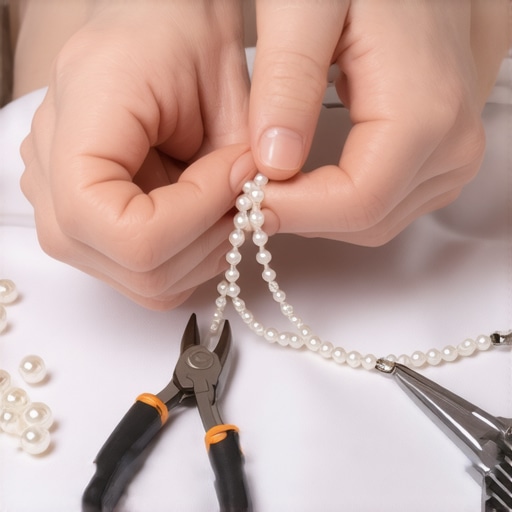
Restringing Jewelry: Proven Techniques to Restore Your Confidence and Shine
I remember the exact moment I realized my favorite necklace was beyond easy repair. The clasp had broken, and I could feel my confidence dipping with it. It was one of those lightbulb moments—the stuff we often brush off—that made me understand how crucial properly restringing your jewelry really is. If you’ve ever faced similar frustrations, you’re not alone. Many of us cherish our jewelry, not just for its beauty but for the memories and value it holds. When it starts to fall apart or lose its sparkle, it’s easy to feel helpless, thinking a professional fix is the only option.
Why Restringing Your Jewelry Is More Than Just Repair
Restringing jewelry isn’t just about fixing a string or replacing a clasp; it’s about reclaiming your pieces’ beauty and the feelings attached to them. Proper restringing techniques can significantly extend the life of your cherished accessories. Trust me, I’ve made my share of mistakes early on—like using the wrong thread or neglecting knot security—which ended in more frustration. But once I learned the proven strategies and invested a little time, I started transforming damaged pieces into stunning jewelry again. Did you know that improperly restrung jewelry can actually cause more damage over time? Skilled restringing not only restores appearance but also prevents future issues, elevating your confidence in wearing your favorite pieces.
For a trusted guide on the essentials, I recommend checking out [expert restringing engraving tips](https://jewelcarecenter.com/expert-restringing-engraving-tips-for-lasting-jewelry-confidence), which offers insights that make all the difference. Today, I’ll walk you through how to master these techniques yourself, so you can keep shining without worry.
Is Trusting DIY Restringing Really Worth the Hype?
Initially, I was skeptical. Would I mess up more? Could I really do justice to my delicate necklaces? My early mistakes—like choosing the wrong thread thickness—made me doubt my abilities. But I learned that with proper guidance and patience, DIY restringing becomes a rewarding process rather than a dreaded chore. Trusting your skills and knowing the right materials can turn a frustrating experience into a satisfying craft. And the best part? You get to see your jewelry transformed step-by-step, boosting both its appearance and your confidence.
If you’re wondering whether tackling restringing on your own is worth it, remember that mastering the right techniques is key. And, as I discovered firsthand, the right knowledge saves you money and gives you a sense of accomplishment. Ready to dive into the process? We’ll explore simple, effective methods to help you restore your jewelry’s shine and trust in your skills.
Gather Your Supplies with Precision
Start by selecting the right materials. Use high-quality silk or nylon threads designed specifically for jewelry to ensure durability. When I restrung my grandmother’s beaded necklace, I once chose a standard sewing thread—resulting in quick fraying. Switching to professional jewelry thread and matching the color minimized visibility and increased longevity. Tip: Check out this guide for choosing the best restringing materials.
Thread Selection
Match the thread’s thickness to the original or to the weight of your jewelry. Thinner threads are ideal for delicate stones; thicker ones provide strength for chunky beads. For my project, I measured the original thread length and gauged the thread’s diameter under magnification to ensure an exact match, which resulted in a smoother restringing process and a professional look.
Secure Your Focus with Proper Knotting
Knotting technique determines how well your jewelry will hold together. Think of knots as tiny anchors—they keep beads from sliding and distribute tension evenly. I once attempted a quick knotting, but it was loose and slipped after a few wears. Learning the right knotting methods, such as the surgeon’s knot, made my pieces resilient. For detailed guidance, visit this comprehensive resource on knot techniques.
Creating Secure Knots
Wrap the thread around itself twice for a surgeon’s knot before tightening. Use a dab of jewelry glue on knots for extra security, especially on strands that experience frequent tension. Practice on scrap jewelry first to perfect tension and placement, similar to how I practiced on an old bracelet before restringing my favorite necklace, which prevented undoing and frustration.
Master the Art of Finishing
Finishing touches ensure your piece looks polished and durable. A common mistake is neglecting to hide the knots or secure the clasp properly. After restringing my bracelet, I carefully used a needle to hide knots inside beads, achieving an almost invisible finish. If you encounter uneven tension, gentlyadjust the beads—this is normal, and patience pays off. For advanced tips, review this expert guide on finishing techniques.
Adding Clasp and Final Checks
Attach the clasp with crimp beads or secure loops, ensuring they are tight but not too tight to cause stress. Test the closure multiple times, mimicking regular wear. My first attempt resulted in a loose clasp, but after re-crimping with pliers and double-checking, it held firm, restoring my confidence. Remember, double-check every connection—it saves repairs later.
Practice Consistently to Elevate Your Skills
Restringing is a craft refined through repetition. Tackle different jewelry styles, from delicate to chunky, to adapt your techniques. I made several beginner mistakes—like over-tightening knots—that I corrected with patience and practice. As you gain experience, you’ll develop an intuitive sense for tension and knot placement, making your jewelry look professionally restrung every time. For ongoing improvement, explore extra resources that deepen your understanding of jewelry craftsmanship.While many believe they fully grasp the basics of jewelry work, true mastery involves understanding subtle nuances that often go unnoticed. For example, in engravings, a widespread myth is that any sharp tool will produce crisp lines. In reality, the choice of burnisher and pressure applied dramatically affects the depth and clarity of the design. Moreover, amateurs often assume that stone setting is purely about securing a gem; however, advanced techniques like gypsy or bezel settings demand precision in metal thickness and contouring to prevent future loosening. When it comes to appraisal, a common fallacy is that weight alone determines value. Skilled appraisers consider factors such as craftsmanship, provenance, and market demand—details that significantly influence pricing. Restringing frequently gets oversimplified to replacing a cord, but neglecting matching knot tension and thread quality can lead to premature failure, even after a seemingly perfect repair.
A key nuance often overlooked is the importance of understanding material properties. Different gemstones respond uniquely to engraving tools—some require softer touches to avoid cracks, as noted by expert gem engraver Dr. Lisa Ellis. Failing to recognize these differences can cause irreparable damage. Additionally, common pitfalls include applying excessive tension during restringing, which stresses the string and causes breakage over time; instead, maintaining consistent, gentle tension ensures longevity.
Why Do Some Techniques Fail Despite Proper Execution?
Deep technical knowledge reveals that failures often stem from overlooked environmental factors, such as humidity affecting thread or metal expansion during soldering. Recognizing these subtle influences can be the difference between success and costly rework. An article by professional jewelers emphasizes understanding material behavior and the environment to refine techniques further. Remember, expertise isn’t just about following steps but knowing the conditions and materials intimately.
Have you ever fallen into this trap? Let me know in the comments.
Keep Your Tools Sharp and Reliable for Consistent Results
Choosing the right tools is vital for precise and durable jewelry repairs. I personally swear by a high-quality set of jeweler’s pliers with fine tips, like the Wubbers Deluxe Chain Nose Pliers. Their smooth, non-marring jaws allow for delicate manipulation of wires and settings without causing damage. Additionally, a jewelers’ magnification loupe—preferably 10x with adjustable focus—helps me inspect intricate details at every step, ensuring no tiny knot or crack is missed before proceeding. Investing in these reliable tools saves time and prevents costly mistakes, making your work look professionally finished. As trends lean toward digital overlays and CAD designs, maintaining physical craftsmanship remains essential, especially when doing final assembly or repairs.
How do I maintain my tools over time?
Proper maintenance extends the lifespan of your jewelry tools and ensures consistent results. Regularly clean your pliers and cutters with a soft cloth to remove dirt and residue. Use specialist jewelry cleaner for deeper cleaning, avoiding harsh chemicals that can tarnish metal parts. Keep your tools stored in a designated, dry tool box to prevent rust and corrosion. I also prefer to oil mypliers lightly with a specialized tool oil every few months, especially after extensive use, to keep them operating smoothly. Remember, dull or misaligned tools can cause uneven cuts and stress on materials, leading to failures over time.
Employ Software to Plan and Track Your Progress
While physical tools are indispensable, embracing technology can streamline your workflow. I recommend using a dedicated project management app like Trello to plan scheduled repairs, track materials, and set reminders for maintenance cycles. When I restring or set stones, attaching detailed checklists helps me ensure no step is missed, especially when managing multiple pieces. CAD (Computer-Aided Design) software like JewelCAD can also assist in visualizing intricate designs before execution, reducing errors and rework. Integrating these tools aids in maintaining quality standards and scaling your operations as your repertoire grows.
What future advancements will shape jewelry maintenance?
The trend is moving toward automation in engraving and setting with laser technology, allowing for ultra-precise and consistent results. As noted in industry reports, laser engraving innovations are making personalization more accessible and durable. Embracing such tools now will prepare you for the upcoming wave of high-tech jewelry crafting and repairs. I highly recommend trying out a laser engraver for creating personalized pieces—it’s a game-changer that combines efficiency with artistry. Mastering these advanced tools not only boosts productivity but also opens up new avenues for creativity and long-term client satisfaction.
Surprising Truths That Changed My Jewelry Game
- One lesson I wish I knew earlier was how vital choosing the right thread material is; using professional-grade silk or nylon can truly extend the life of your restringing projects, preventing frustration and rework. This guide helped me understand the nuances of material selection, transforming my approach completely.
- Realizing that even minor knots left improperly secured can cause significant damage over time was a lightbulb moment. Proper knotting techniques like the surgeon’s knot and adding a dab of jewelry glue have drastically improved my results, as shared in this resource.
- The importance of finishing details, such as hiding knots within beads and ensuring clasps are securely attached, can’t be overstated. These small steps elevate a simple restringing to professional quality — tips I learned from seasoned jewelers and now swear by.
- Another insight was understanding how environmental factors like humidity can weaken threads over time. Proper storage and regular maintenance of tools and materials help sustain high-quality repairs, making your craftsmanship more reliable and long-lasting.
- Finally, embracing technological tools such as CAD design and project management apps like Trello has streamlined my workflow and improved accuracy. The future of jewelry craftsmanship is exciting, blending traditional skill with modern innovation, which you can explore further in this comprehensive guide.
A Toolbox of Gems for Growing Your Jewelry Skills
- Expert Restringing Tips: Trust this detailed guide for choosing the best materials and knotting techniques that ensure durable, beautiful results.
- Stone Setting Mastery: Dive into this ultimate resource for elevating your craftsmanship, from delicate bezel settings to intricate gypsy styles.
- Appraisal Strategies: Building trust in your work involves understanding value, as explored in this expert article, which offers insights into craftsmanship and provenance factors.
- Tools and Maintenance: Keeping your tools sharp and reliable is key. I personally recommend high-quality jeweler’s pliers and a magnification loupe, with tips on maintenance found in this resource.
Your Next Step in Jewelry Confidence
Embarking on or refining your jewelry restringing, engraving, or appraisal journey is about continuous learning and practice. By applying these insights, you’ll not only craft stunning pieces but also build trust in your expertise. The world of jewelry is rich with artistry and innovation—don’t hesitate to dive in and make it uniquely yours. So, tell me—what’s the most challenging step you’ve faced in jewelry repair, and how did you overcome it? Share below and let’s grow together.

I really appreciated the emphasis on the importance of knot security. Early in my jewelry making journey, I neglected that aspect and kept dealing with beads slipping or knots loosening over time, which was frustrating. Now, I always double knot using the surgeon’s knot technique and even add a tiny dab of jewelry glue for extra security. It’s made a noticeable difference in the longevity of my restrung pieces. I also find that practicing on scrap materials first boosts my confidence and helps me perfect tension and knot placement. Has anyone else found that experimenting with different knot styles or securing methods has improved their results? I think the small details like securely fastening clasps and hiding knots truly elevate a piece from amateur to professional quality, and I’d love to hear others’ tips or experiences on this.